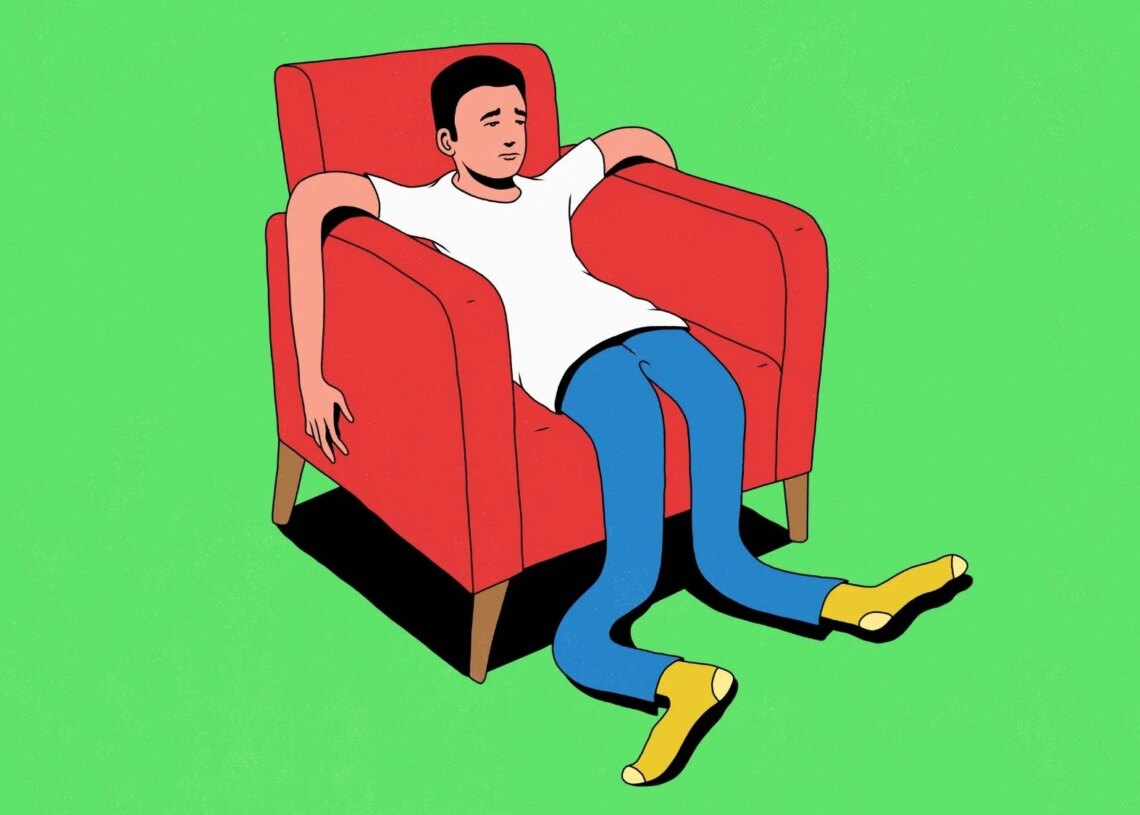
Depression is a highly individualized experience—so much so that it often goes unnoticed, especially in men.
“In general, men are less likely to seek individual help because of stigma and social conditioning,” says Dr. Timothy J. Nguyen, PsyD, LCSW, licensed psychologist and EFT couples therapist at BalanceHour Therapy. “From an early age, many boys are conditioned by the ‘cowboy archetype,’ where growing up to be a ‘real man’ means he has to be stoic, self-reliant, strong, independent, and taking care of others.”
Because boys are taught that emotional vulnerability is “dangerous,” men often grow up without an emotional vocabulary or ability to describe their emotions, Dr. Nguyen adds.
“They may also fear that expressing themselves in this way would lead to being rejected, judged, criticized, and belittled,” he says. “Therefore, depression often gets missed in men because they often don’t express it through their words; rather, they express it through their behaviors.”
It’s important to recognize the unique presentation of depression in the male population. According to Dr. Nguyen, here are some lesser-known signs of depression in men.
1. Social Withdrawal
Due to negative self-beliefs and fears of being judged, men often isolate when battling depression, Dr. Nguyen says.
“While depressed women may seek out social support and community connection, depressed men often retreat and withdraw into isolation,” he explains. “Both men and women desperately want to be accepted; however, men are often paralyzed by a fear of being judged for seeking help.”
Unfortunately, this social withdrawal is typically not desired. Men often crave connection and support but feel too ashamed to seek it. On the other hand, some men weren’t taught how to ask for help.
“This is a way for them to protect themselves from the pain of potential rejection,” Dr. Nguyen says.
2. Excessive Selflessness
Many men put on a happy face and become the “fixer” in their families/social groups, when really, they’re deeply suffering and craving the support they give others.
“Oftentimes, when men go through depression, they may become hyper-focused on helping everyone else while completely ignoring themselves,” Dr. Nguyen says. “This person may present as a reliable friend who handles everything without ever saying no to anyone.”
“This chronic helping of others often comes from a deep-seated feeling of unworthiness,” he adds. “He may believe his only true value lies in what he can provide or what he can do for others, and so helping others is more of a way to mask the feelings of worthlessness or inadequacy underneath the surface.”
3. Gym Obsession and Body Dysmorphia
Though it isn’t talked about nearly enough (in my opinion), many men channel their depression by hyperfocusing on their body image. It’s as though they define their worth as men through their body size and physical strength.
“When men feel powerless, hopeless, and [have] very low self-esteem, they may feel that the only control they have is over their own physical body,” says Dr. Nguyen. “This could manifest [as] an obsession and rigid dedication to going to the gym or maximizing their physical appearance through fixating on physical size, muscle tone, leanness, and extreme fitness routines.”
4. ‘Acceptable’ Self-Harm
While all forms of self-harm are detrimental, some of them can be discreet or even socially accepted—especially for men.
“Many men do not consider binge drinking, smoking, reckless driving, extreme sports, and high-risk activities for the adrenaline rush as a form of self-harm,” says Dr. Nguyen. “Due to how men are conditioned to avoid showing vulnerability, their self-harming behaviors are often socially acceptable or even celebrated as a way of showing how masculine they are.”
5. Words through Body Language
As noted earlier, many men were not taught how to identify and communicate their emotions. Therefore, their feelings tend to manifest physically.
“You will often see this in men who will either smile, shrug, or use their body language to express their emotions when asked how they are doing,” Dr. Nguyen points out. “He may be afraid to speak because he fears using the wrong words, making a fool of himself, and being met with rejection or disappointment. To him, silence is much safer than risking being seen/labeled as weak, a fool, or unintelligent.”
The post 5 Signs of Depression in Men That Are Easy to Miss, According to a Psychologist appeared first on VICE.