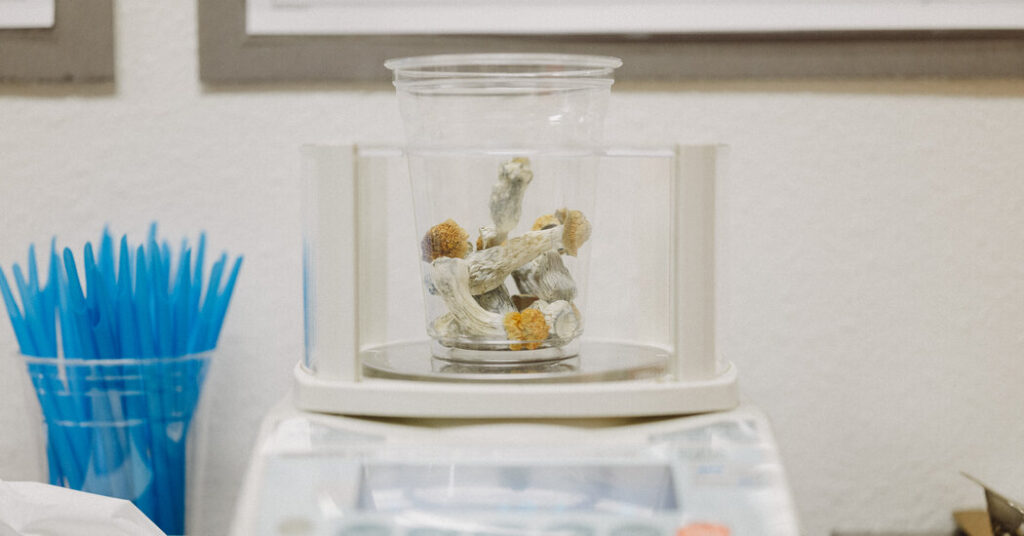
Can psilocybin, the hallucinogenic compound also known as magic mushrooms, inoculate cancer patients against the debilitating nerve damage caused by chemotherapy? At first blush, such an outcome might seem like wishful thinking.
But a study published on Thursday in the journal Science makes a compelling case that administering psilocybin shortly before cancer treatments might prevent chemotherapy-induced peripheral neuropathy, a condition that affects about two-thirds of patients who receive chemo.
The scientists studied mice, but the results are so promising that human trials are beginning this month. If successful, the treatment could revolutionize cancer therapy and improve the quality of life for millions.
There are no effective treatments for neuropathy, which causes pain, tingling and numbness in the hands and feet, and can force patients to scale back or halt chemotherapy when the discomfort becomes too much to bear.
For some cancer survivors, the condition persists for years after treatments end.
The study, by a team of doctors and researchers at the University of Texas MD Anderson Cancer Center, found that lab mice given two doses of psilocybin before receiving chemotherapy were shielded from nerve damage.
The protection held up through six consecutive chemo sessions and persisted for eight months, the study’s duration. Just as important, the psilocybin treatments, given as a pill, had no impact on tumor growth or immune response, making them safe for even the sickest patients.
In a news conference announcing the results, Dr. Moran Amit, a surgeon and scientist at MD Anderson and a lead author of the study, said he was stunned when a postdoctoral student in his lab reported that the mice she had been dosing with psilocybin before chemotherapy showed no signs of neuropathy.
“I don’t believe you,” he recalled telling her. “Do it again.”
She did, again and again, testing mice with a variety of tumors and dosing them with the most common chemotherapy agents. Each time, the outcome was the same.
This month, the cancer center will begin clinical trials with patients who have a range of cancer types; some will get psilocybin and others a placebo.
Although there is no guarantee the results will hold up in people, researchers expressed confidence they would, citing similarities in key biologic mechanisms shared by mice and humans, and also testing done on human tissue.
Anecdotal evidence from patients who have already started receiving psilocybin before chemotherapy has bolstered their optimism, the study authors said.
Peripheral neuropathy remains one of the most vexing and dispiriting side effects of chemotherapy. A significant portion of cancer patients experience pain and discomfort long after their treatments have ended. For some, it never goes away.
“The good news is you’re cured of your cancer,” said Patrick Dougherty, a pain medicine researcher at MD Anderson and an author of the new study.
“The bad news is your hands and feet are going to feel like they’re burning the rest of your life,” he said. “This is not what people want.”
Researchers used advanced imaging to chart how psilocybin shields fragile sensory nerves in the hands and feet from the toxicity of chemotherapy, which kills cancer cells but also harms healthy cells and tissue.
Psilocybin, they found, protected the microscopic nerve endings that detect touch, pain, temperature and pressure. At the same time, psilocybin preserved the ability of mitochondria, the “powerhouses of the cell,” to deliver energy to far-flung nerve endings, ensuring their survival.
Those benefits, the scientists found, were the same for both hallucinogenic psilocybin and related compounds that do not produce a pronounced psychedelic effect.
Researchers said they did not yet know whether psilocybin could treat or reverse the symptoms of neuropathy in patients who already have it.
If the results hold up in humans, the treatment could open a new chapter in the emerging field of psychedelic medicine, which until now has largely been focused on psychiatric conditions.
Psilocybin, which remains illegal at the federal level, has shown increasing promise for treating depression, anxiety, end-of-life distress and other mental health challenges. Oregon and Colorado allow the drug to be offered by licensed providers, and New Mexico is slated to begin a similar program later this year.
Psilocybin is widely considered safe when taken in a supervised setting. A review of Oregon’s program published last month in JAMA Network Open recorded few serious adverse events among the nearly 350 patients who were followed.
A psilocybin session typically lasts six to eight hours, and requires the presence of two facilitators to reduce the risks to patients in a vulnerable state.
Experts in the field said they were encouraged by early results on psilocybin’s potential for preventing neuropathy.
Joshua Allen, a psychedelic researcher at Monash University in Australia who was not involved with the new study, said he hoped the protective benefits to the hands and feet, if confirmed, might apply to neurobehavioral conditions like traumatic brain injuries.
“At the very least, this is good rationale for human trials,” said Dr. Allen, who is studying the therapeutic potential of psilocybin for brain injuries.
For cancer patients, any treatment that could prevent or reduce the symptoms of chemotherapy-induced neuropathy would be life-changing.
Naomi Aziz, 35, who developed neuropathy during treatment for Stage 4 endometrial cancer, said the numbness and pain in her fingertips, hands and legs was often excruciating. “It’s not the kind you can ignore,” said Ms. Aziz, a nonprofit professional in North Carolina.
She has been in remission for nearly three years, but the neuropathy has persisted.
Last October, Ms. Aziz participated in early psilocybin experiments at MD Anderson Cancer Center. She said the treatments helped quell her neuropathy.
She also said psilocybin helped shift her outlook on life, allowing her to make peace with the infertility caused by the treatments.
“I felt crippled by losing a connection to a human experience that once felt guaranteed,” Ms. Aziz said. “For a long time I felt that I had no future. Now I’m living beyond cancer.”
Stella Raine Chu contributed reporting.
The post Psilocybin May Prevent Nerve Damage Caused by Chemotherapy, Study Finds appeared first on New York Times.