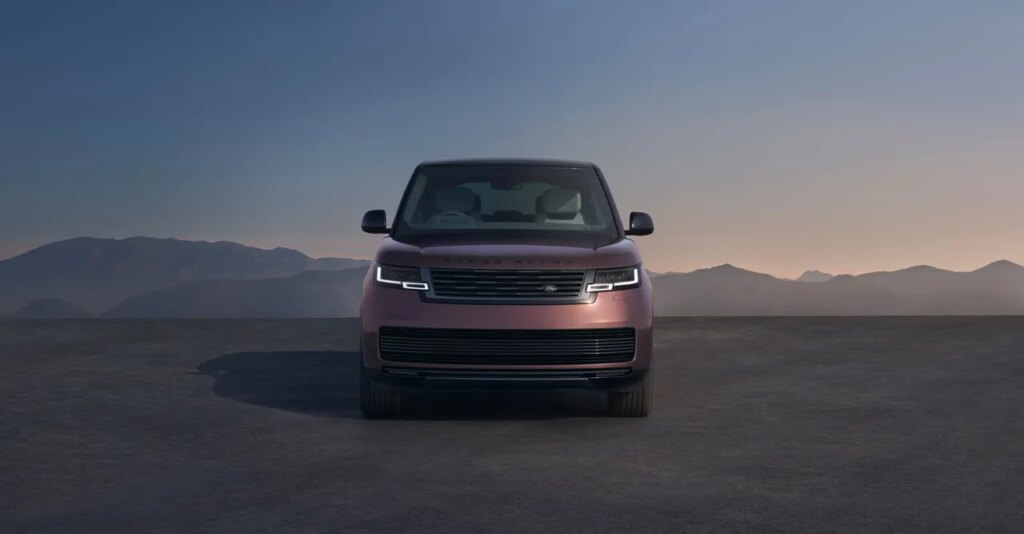
It feels like we have been waiting an age for the Range Rover Electric. First announced back in December 2023, JLR’s luxury EV SUV was meant to hit the road in 2024, but extended development testing forced the carmaker to push its arrival back. Now it’s finally here—one of WIRED’s most anticipated rides—the first fully electric Range Rover.
The specs are as mighty as you would expect. Dual 260-kilowatt motors deliver “V8 levels of power” up to 542 horsepower and 850 newton-meters of torque (20 percent more than other motors of the same size, JLR claims). Inside, a double-stacked 118.5-kWh battery with 800-volt split-charging tech can recharge the cell from 10 to 80 percent in 22 minutes (or, if you prefer, 137 miles in 10 minutes). Max range is supposedly 372 miles (according to WLTP standards), and a claimed real-world distance of up to 333 miles.
The Range Rover Electric will launch from a standstill to 60 mph in 4.3 seconds, which is rapid considering the car’s weight, though there’s no official figure.
All this comes at a price, naturally—one that’s high even for Range Rover. Available for order now, the UK entry-level Autobiography model is £154,070, or about $208,000, but this quickly climbs to £225,240 (north of $304,000) for the SV Black long-wheelbase model. It could go higher, too, as the “Ultra” models are listed as “price on application”—shorthand for “If you have to ask, you can’t afford it.” However, US customers can buy a lower SE-spec Range Rover Electric from $138,00—add $2,550 for delivery and destination.
Instagram content
This brings us to the other reason the Range Rover Electric was supposedly delayed: the lukewarm response from wealthy buyers toward the luxury EV market. Indeed, sales of perhaps the Range Rover Electric’s biggest rival, the electric Mercedes G-Wagen, have been woeful. Other brands, including Porsche and Audi, have suffered similar fates.
JLR is banking on a “Range Rover first, electric second” approach to separate the SUV’s fortunes from what’s gone before in luxe EVs. And the Range Rover’s electric tech is perfectly suited for off-roading, as we found out last year.
JLR claims the traction management controls motor speed within 50 milliseconds and manages slip up to 100 times faster than on equivalent internal combustion systems. Single-pedal driving works on climbs up to 45 degrees. There’s even 900-millimeter wading capability, for those worried about an electric SUV’s ability to cross water. All in all, more than 300 patent applications have been filed for the Range Rover Electric, the most for a single vehicle in JLR’s history, apparently.
Inside, while the cabin is plush, the Range Rover seems to shun the move back to physical switchgear, sticking with a large central touchscreen and steering-wheel controls.
The long delays have meant the Range Rover Electric has benefited from extensive JLR testing. The company put live batteries through extreme vibration and shock testing in temperatures ranging from –40°C to +90°C. Physical tests saw the EV driven the equivalent of 38 times around the world, alongside more than 250,000 hours of virtual tests, more than on any previous Range Rover. Perhaps that’s why JLR has the confidence to offer an eight-year or 100,000-mile warranty.
Today’s reveal comes after JLR announced it’s “the most car-like Range Rover ever created” in July. The Range Rover GT will be an all-electric grand tourer built on the company’s Electrified Modular Architecture (EMA), the same platform that will underpin other midsized cars for the brand. The GT is still undergoing final testing, ahead of a full launch expected later this year.
The post The Range Rover Electric: Specs, Price, Availability appeared first on Wired.