The covid pandemic showed the danger of politicizing a public health emergency. Now, a controversy over the deaths of two unvaccinated Pennsylvania residents infected with measles underscores how the country failed to learn that painful lesson.
After the deaths in Lancaster County were announced last week, Health Secretary Robert F. Kennedy Jr. latched onto conflicting views among local officials about the cause of one of the cases to downplay the outbreak. In a social media post, Kennedy said the announcement of the deaths “appears to have been premature” and even suggested that staffers of Gov. Josh Shapiro (D) “fabricated” the cases.
That conspiratorial rhetoric spilled into official federal data over the weekend. On Sunday, the Centers for Disease Control and Prevention updated its national measles dashboard to remove the two deaths, noting that “available information does not establish whether measles caused or contributed to the deaths or whether the individuals died from other causes while infected with measles.”
CDC officials are not wrong to seek more information; state officials have released precious little information about either case due to privacy concerns. But it’s unclear why federal officials should be trying to adjudicate the immediate cause of these deaths.
The CDC dashboard serves as a real-time surveillance tool to help combat pathogens, and the agency has traditionally cast a wide net to capture as much information as possible. Sometimes this has required revising numbers downward, based on evidence, as specific cases are reviewed. The dashboard allows public health agencies to react more nimbly instead of waiting weeks for local investigations to be completed.
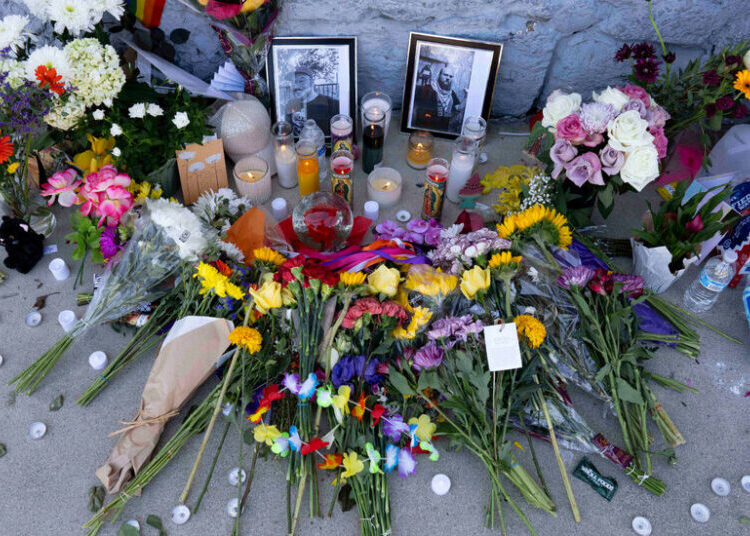
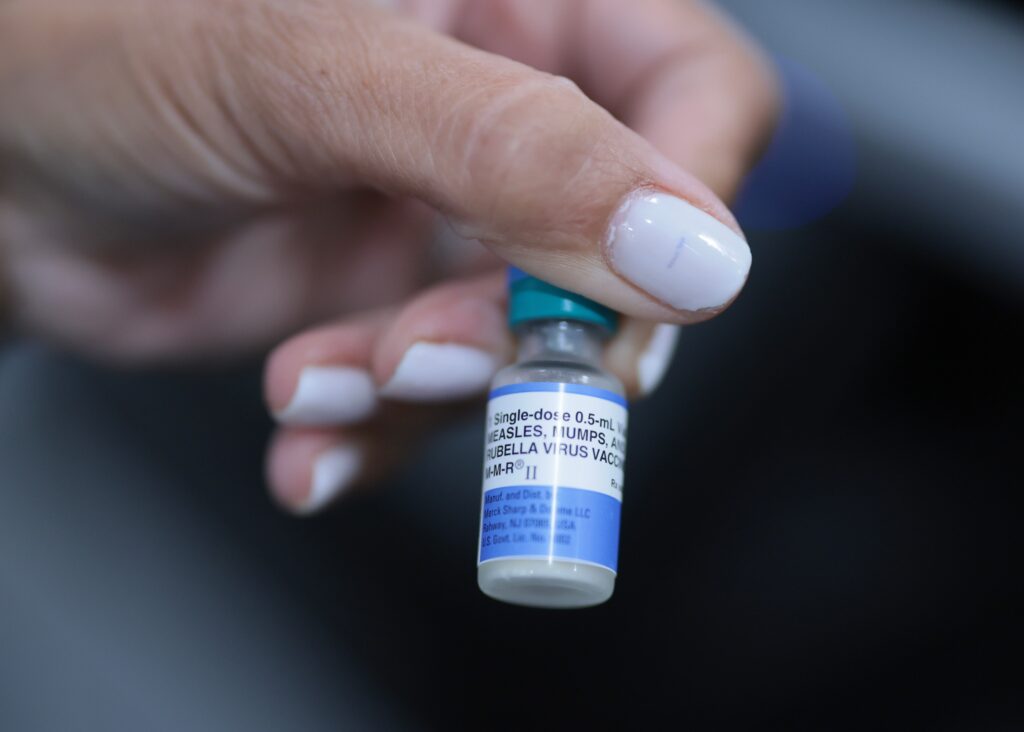
Kennedy’s complaints about the death count are revealing. Regardless of what forensic pathologists conclude about the cause of the Pennsylvania deaths, no one disputes that the children were infected with a highly contagious, deadly virus. Another fact: More than 80 people in Pennsylvania, including many children, have been hospitalized with measles. Most of them were unvaccinated.
Containing that outbreak — and preventing future ones — should be the federal government’s focus.
State officials deserve some criticism, too. By failing to provide more information about the deaths earlier on, they allowed conspiracy theories to fester. Transparency has always been essential to winning over parents who are unsure about vaccines. Especially important is communicating clearly what health officials don’t know.
Shapiro, too, did not help matters when he used the outbreak as an opportunity to score political points. Criticizing the Trump administration’s anti-vaccine policies, as the governor did, is certainly valid, but partisan attacks during a crisis fuel polarization. Sticking to a message promoting immunizations as the best way to protect lives might not have generated as much media buzz, but it might have accomplished more.
The post Political bickering about Pennsylvania measles deaths helps no one appeared first on Washington Post.