Music’s traditional gatekeepers are struggling with how to manage the proliferation of songs generated by artificial intelligence. Trying to ignore these tunes won’t stop them from gaining popularity, but that’s what Australia’s industry is aiming to do with policies that go into effect on Monday.
The Australian Recording Industry Association, which controls the charts for top-selling music and determines eligibility for music awards, says songs must be substantially created by humans to be considered. Some AI is allowed, but the group says real people need to sing and to perform the main instrumentals.
Listeners don’t always seem to care about the distinction, but the creators of original music need their intellectual property rights protected. AI often raids their work without permission or compensation.
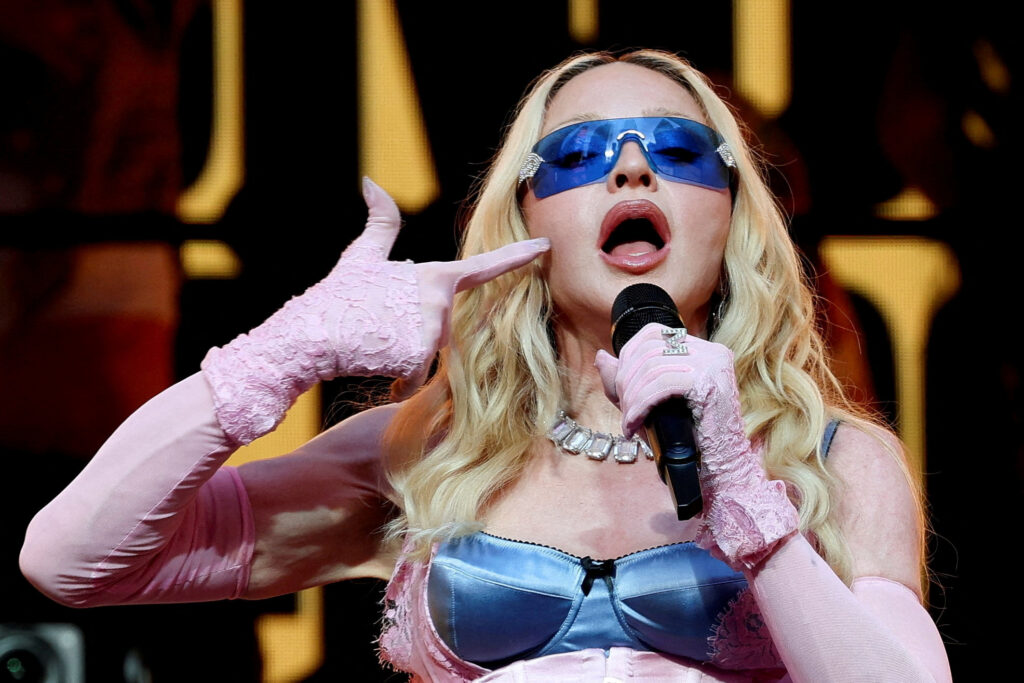
Australia’s industry released its policy after producer Josh Fawaz created a cover of Madonna’s 1989 hit “Like a Prayer” using AI-generated vocals and drums. The remix became the most played song on Australian radio, spent 16 weeks on the charts and hit No. 1 for Australian dance singles. Traditionalists called it AI slop, but the reboot has now been streamed more than 48 million times on Spotify.
More broadly than music, AI companies have lobbied the Australian government for an exemption from the country’s strict copyright laws to allow for training models, but Prime Minister Anthony Albanese stood with creators this summer and announced a new Office of AI.
Musicians in other countries are formulating their own approaches. In July, the Recording Industry Association of America joined the Grammys and other organizations to promote voluntary labeling. The suggested labels are “AI-Generated,” for songs wholly created by large language models, and “AI-Assisted.”
It’s important to remain nimble as the technology rapidly evolves. In the digital age, charts and awards matter less than before in guiding consumer preferences. Algorithms now tailor playlists to individual tastes. The performers might be humans, machines or a combination.
No one thinks, at least not yet, that a robot should be able to compete for Olympic medals or be eligible for Nobel prizes. Protecting innovation by limiting awards to humans makes sense. But music charts are supposed to measure popularity among consumers. Perhaps AI bots could be assigned their own category.
Labeling works as AI-assisted or -generated is a sensible nod to transparency. Beyond that, consumers should be left to decide what it is they want to listen to — even when, just like a dream, the music is not what it seems.
The post Who’s that bot? An AI cover of Madonna spurs industry changes. appeared first on Washington Post.