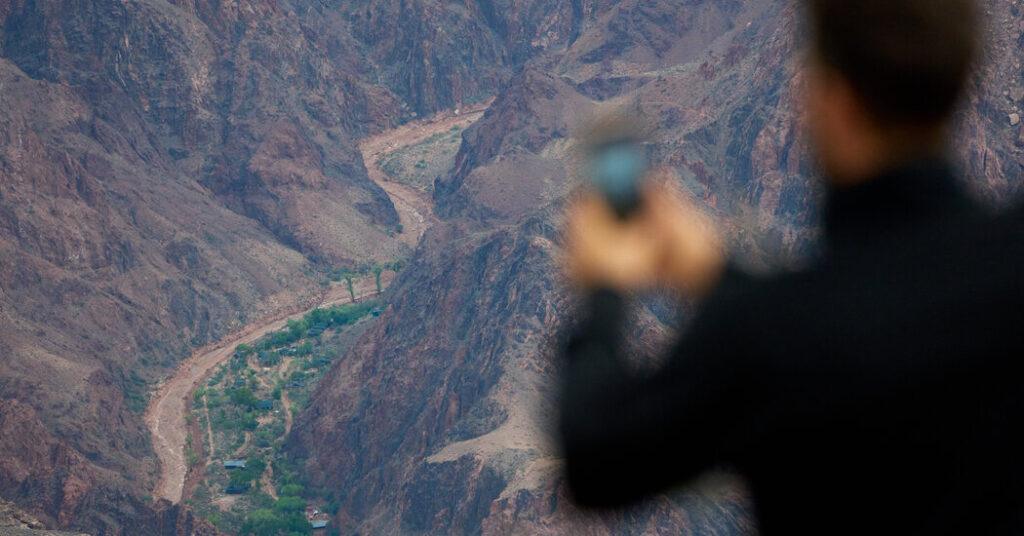
After a devastating flash flood swept through a popular hiking area in Grand Canyon National Park over the weekend, large swaths of Arizona, Utah and Colorado remain under risk of flooding through Monday evening.
Two people are confirmed dead and more than a dozen people remain missing as search efforts continue along Bright Angel Creek, which runs from near the North Rim of the canyon down to the Colorado River. This watershed is one of several that burned during the Dragon Bravo Fire in July and August, causing an increased risk of flash floods and debris flows from heavy rain events, according to park officials.
As the monsoon season continues through Sept. 30, here’s what hikers and campers should know about the risk of flash floods.
What types of terrain are susceptible to flash floods?
While flooding occurs in every U.S. state and territory, some terrains are more susceptible to flash floods, according to the National Weather Service. The heightened risk revolves around how quickly and how much runoff occurs in a particular environment.
Mountains and steep hills produce rapid runoff, causing streams to rise quickly. Rocks, clay soils and developed areas allow little water to be absorbed into the ground. The Weather Service warns that recently burned areas in the mountains are at high risk, since burned soil can be as water-repellent as pavement. Areas already saturated by earlier storms can also lead to rapid flash flooding, as seen in western North Carolina in 2024 when a precursor rain event contributed to devastating floods from Hurricane Helene.
In the West, canyons, small streams and dry creeks (also called washes) can be deceptive, trapping hikers when rainfall upstream of the canyon causes rapidly rising water. Intense rain can quickly turn even dry soil or creeks into raging torrents of water. Flash floods are common in Northern Arizona, where arid, sparsely vegetated environments absorb little rainfall.
The mix of drastic elevation changes and hard surfaces makes desert canyons more susceptible to flash floods. Narrow channels surrounded by sheer rock walls, often referred to as slot canyons, are particularly dangerous during inclement weather, since water levels there can rise extremely quickly.
What causes flash floods?
Slow-moving thunderstorms, thunderstorms repeatedly moving over the same area, or heavy rains from hurricanes and tropical storms are the most common cause of flash floods, according to the Weather Service. Sudden downpours can rapidly increase the water levels and turn small waterways into violent, raging rivers.
Ice jams and snowmelt can also cause flash floods. Floating debris or ice can accumulate at a natural or man-made obstruction, restricting the flow of water and causing flooding upstream. If the obstruction suddenly releases, flash flooding can then occur downstream.
How dangerous can they be?
Floods kill more people on average each year than tornadoes, hurricanes or lightning, according to the Weather Service. A flash flood is particularly dangerous because it causes water levels to rise within minutes or even seconds, making it impossible to outrun.
During extreme events, water levels can rise more than 10 feet in a matter of minutes.
Last year in New Mexico, heavy rain caused the Rio Ruidoso to rise from about 18 inches to more than 20 feet in less than an hour, killing three people.
What can I do to mitigate risk and stay safe?
Before heading out, check the weather forecast. Avoid camping or lingering in washes, side canyons or low-lying areas when storms are forecast.
If you are visiting a national or state park, stop by a visitor center for up-to-date information on flood-prone areas. Leave an itinerary with someone who is not joining the hike, and check in when you are done. Bring extra food or water in case flooding blocks your path.
In the event of an emergency, your phone or satellite messenger can save your life. Ensure yours works when you need it by bringing a charger that doesn’t need an outlet, such as one powered by the sun. Many new smartphones — including Apple iPhone 14 or later models, along with Google Pixel 9 and Pixel 10 series phones — have satellite connectivity and can be used in an emergency even when you don’t have a cellular signal.
Make sure you have multiple ways of receiving real-time alerts from local authorities and weather apps. A nationwide text emergency alert system, called Wireless Emergency Alerts, sends emergency messages from authorized government authorities, like the National Weather Service, through your mobile carrier. No sign-up is needed.
Other alert systems require activation. Many mobile applications, like the iPhone weather app or MyRadar, will alert you when rain is expected in your area. The Grand Canyon River Alert system sends critical messages on hazards like extreme weather and flash floods directly to satellite messaging devices. These devices must be registered before arrival by texting GCRIVERALERTS to (928) 707-7842 from a personal mobile phone or satellite texting device. Make sure you receive a confirmation message before assuming you have subscribed.
Even if it’s not raining where you are, that doesn’t mean it’s safe to continue hiking or camping in low-lying areas. Flash floods can occur up to 10 miles away from a thunderstorm, according to National Park Service officials. The sound of roaring water, rising water levels and sudden changes in water clarity from clear to muddy are important warning signs that a flash flood might be approaching.
What should I do if I’m stranded?
If you notice the signs of a flash flood or receive an alert that one is imminent, do not stop to pick up gear or pack up tents, the park service advises. Reach higher ground as soon as possible. Stay as high up as possible and be patient. It can take hours for water to recede to safe levels.
Do not underestimate the power of fast-moving water and attempt to cross or enter floodwaters. Just six inches of water — less than ankle-deep — can knock a person off their feet and cause drivers to lose control of their vehicle. About 12 to 24 inches of water can pick up a vehicle.
What3Words is a useful tool if you are stuck in an area with low-to-no service. The free app works by dividing the world into roughly 10-by-10-foot squares and assigning a unique three-word code to each square. Because the service uses satellites, your phone can receive the three-word address corresponding to your location even without internet or cell service, which can help emergency workers find you when you do make contact with them.
The post What to Know About Hiking in Areas Prone to Flash Floods appeared first on New York Times.