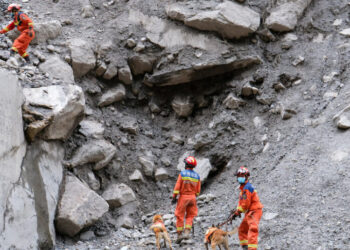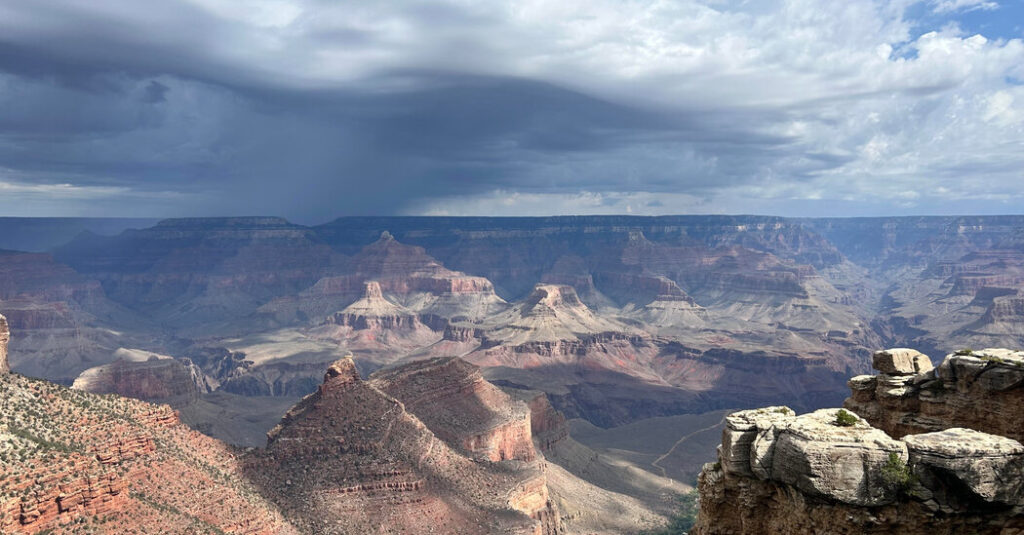
Flash floods swept through the Grand Canyon National Park over the weekend, killing one person and prompting a search-and-rescue operation for at least 15 people who are believed to be missing, according to park officials.
Flooding and mudslides that began Saturday in the Bright Angel Canyon and Phantom Ranch area pushed large boulders and metal structures into the Colorado River. Dozens of people were evacuated by air from damaged campgrounds and cabins in the area.
As of Monday, the park was partially open for day use with significant restrictions on water use and lodging. Here’s what you need to know if you are planning to visit.
How much of the park is open?
While the main park entrances in the north, south and east remain open as of Monday, and the upper rims are operational for general viewing, much of the park’s infrastructure, including hiking trails and footbridges, have been heavily damaged.
“Phantom Ranch, Bright Angel Campground, the Phantom Ranch Canteen and cabins, and the entire North Kaibab Trail from the North Kaibab Trailhead to Phantom Ranch are closed until further notice,” the Grand Canyon National Park said in a statement on Sunday.
The Black Bridge and Silver Bridge across the Colorado River were also closed with no estimated reopening date. For up-to-date closure information, the park urged visitors to visit its Key Hiking Messages page.
Severe weather warnings are also in place for the area. The National Weather Service issued a “ hazardous weather alert” for the park through Sept. 1, warning of more showers and thunderstorms that could trigger another round of flash flooding.
“Consider changing your plans if you were going to hike, boat, or paddleboard to a slot canyon or normally dry wash,” the service said in its advisory. “If you do still decide to recreate, check in at a nearby visitor center or ranger station.”
Are there any lodging options available?
As of Monday, all hotels in the park, including El Tovar, Bright Angel Lodge, Maswik Lodge and Phantom Ranch, are closed. Dry camping, which involves using no water or electricity, will be permitted, and hotels outside the park in the town of Tusayan will remain operational.
While some campgrounds are open, campfires and charcoal barbecues are not permitted on the South Rim and inner Canyon.
What about food and water?
From noon on Monday, the park will implement major water restrictions after the floods damaged the main water supply. Most spigots will be turned off, but the park will supply limited water at Mather Campground. The park has asked visitors to help conserve water by limiting showers to five minutes and turning off faucets while shaving or brushing teeth.
South Rim food and beverage services are open during the park’s day-use hours.
When will restrictions be lifted?
Emergency search and rescue operations were in progress on Monday, and the park said all restrictions will stay in place until further notice.
Follow New York Times Travel on Instagram and sign up for our Travel Dispatch newsletter to get expert tips on traveling smarter and inspiration for your next vacation. Dreaming up a future getaway or just armchair traveling? Check out our 52 Places to Go in 2026.
The post After Floods, Grand Canyon Opens on a Limited Basis. What to Know. appeared first on New York Times.