The good news is the world has not seen a successful military coup since November of last year, when soldiers deposed the president of Guinea-Bissau on the coast of West Africa.
The bad news? Democracy is still in retreat around the world.
While armed soldiers are no longer storming presidential palaces and imposing military rule, authoritarian rulers are increasingly availing themselves of harsh security laws and tax investigations to harass and jail opponents, shutter independent media and broadly stifle dissent.
And far too often, citizens are not taking to the streets to protest the erosion of their freedoms. Authoritarianism is met with indifference — and sometimes even applause.
Leaders in Myanmar, Uganda and the Republic of Congo this year extended their rule through fraudulent elections, with the opposition cowed or eliminated. Kazakhstan’s dictator in March pushed through a constitutional referendum to entrench more power in the presidency, and possibly extend his rule past existing term limits. Opposition leaders remain jailed in Azerbaijan, Turkey and Russia. In Nicaragua, President Daniel Ortega isn’t even bothering with pretense, saying he’ll no longer hold elections.
In some cases, the issue is security. Citizens in countries grappling with insurgency, terrorism or violent crime — like El Salvador or Niger — often seem willing to sacrifice some civil liberties for the promise of personal safety.
In other cases, there’s an exhaustion with democratic gridlock, and the inability of elected leaders to tackle complex, difficult issues, like improving living standards or providing adequate health care. Democracies can be slow and appear dysfunctional. And elected leaders themselves are often seen as corrupt, self-dealing and out of touch with ordinary citizens’ everyday concerns.
Authoritarian-minded populists of the left and right have been successful in exploiting this opening. Establishment politicians and parties, independent courts and the media are all considered part of the same corrupt elite. Only the strongman can bulldoze through entrenched institutions supposedly standing in the way of needed change — if only a few legal niceties like civil liberties can be temporarily pushed to the side.
According to the Sweden-based V-Dem Institute, 74 percent of the world’s population, around 6 billion people, now live in autocracies, compared with just 7 percent living in liberal democracies. Freedom House has similarly confirmed global democratic backsliding for the 20th straight year, with 54 countries experiencing some deterioration in political rights and personal freedoms last year, while only 35 countries made improvements.
Polls show people around the world still say they prefer democracy to dictatorship. But they also show that people are dissatisfied with the way democracy is failing to solve problems. In other words, people want to live in democracies, but they want the system to work better.
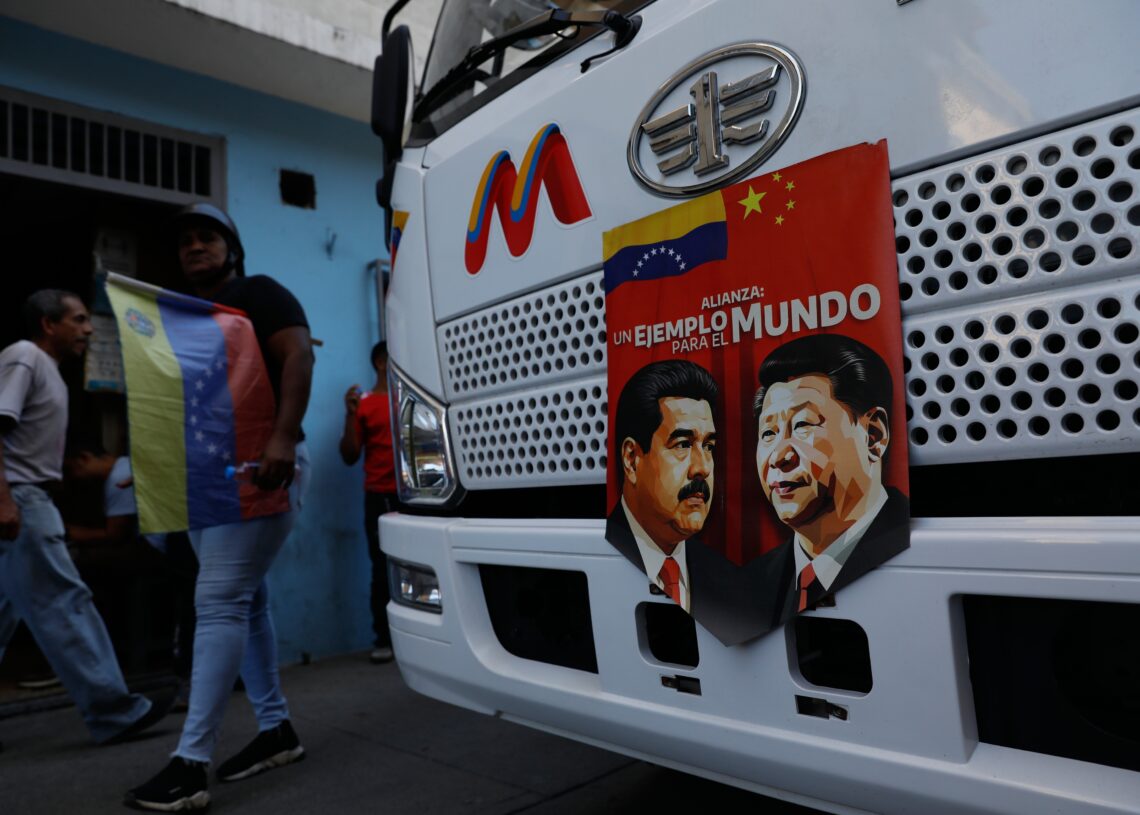
Authoritarian regimes like China and Russia promote their systems as superior to the supposedly exhausted Western model. The Chinese Communist Party touts “performance legitimacy” as giving it the right to rule without the need for elections. As long as it is growing the economy, lifting people out of poverty and tackling issues like climate change, there is no reason to bother with the messiness of elections and transfers of power.
But when autocrats do finally get uprooted, as happened in April with Viktor Orban in Hungary, it’s often an appeal to end the corruption, cronyism and economic stagnation that mobilizes voters.
People have an innate intolerance for injustice and unfairness, and no amount of “performance legitimacy” can make them forget it. Chinese President Xi Jinping seems to recognize that endemic corruption is the biggest threat to the party’s continued rule. And the late Alexei Navalny, who was poisoned in prison, emerged as the most effective antagonist of Russian President Vladimir Putin. He connected with voters by, above all, repeatedly hammering home that Putin’s ruling clique was a “party of crooks and thieves.”
Democrats do need to start delivering for citizens. But they should also talk more about accountability. Authoritarian populists rail against unaccountable elites, but once in power they become far more entrenched and corrupt than the worst grifters any semi-functional democracy could ever allow.
Preserving civil liberties is the best way to hold the powerful to account. Democrats had better start making this case — while they still can.
The post What’s the biggest threat to an authoritarian? Look around the world. appeared first on Washington Post.