The first time I was the internet’s “main character” was way back in 2003. I deserved it, as much as anyone can. Still seething from 9/11, I’d blogged something very stupid and wrong about violent anti-war protests.
The internet was a much less crowded place, but it’s hard to describe how awful that experience was. Nothing in the analog world prepares you to be hated by so many people so volubly and viciously. Today’s social media scale makes it much worse, and I have sympathy for anyone who goes through it.
I can only imagine how devastating it must have been for Jason Arday, who came under scrutiny after Nathan Cofnas, a postdoctoral researcher at the University of Ghent, published a newsletter article in July alleging that Arday, the youngest Black professor ever appointed at the University of Cambridge, had committed extensive plagiarism in his scholarly work. Cofnas also raised questions about Arday’s professed life history: autistic, nonverbal until 11 and illiterate until 18. Arday claimed he was a survivor not just of a brain tumor and testicular cancer, but also of a knife-wielding maniac. He said a pig’s head was sent to his family, and he boasted incredible feats of ultramarathoning.
Cofnas is a controversial figure who has advocated for “race realism,” the idea that racial groups have genetic differences that can affect traits such as intelligence. Cambridge initially described the accusations as a “vile smear campaign.” On social media, however, Arday became the personification of everything that was wrong about academic diversity, equity and inclusion. Then the press dug in and substantiated many of the accusations, including the fact that Cambridge had been informed of problems with Arday’s work in 2023 and apparently decided to look the other way. Many claims that Arday made about his life were found to be unproven or exaggerated.
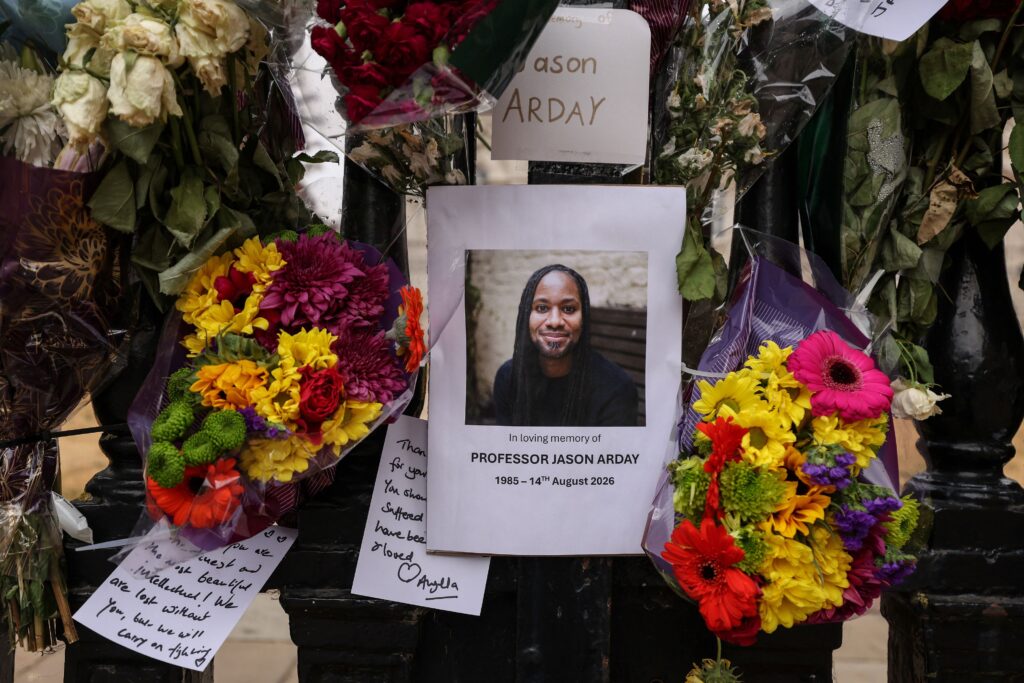
On Aug. 5, Cambridge finally announced an investigation, and Arday resigned later that night. Nine days later, British authorities announced that Arday, 41, had been found dead in his London home. Police have not cited a cause of death, but do not believe it to be suspicious.
Everyone is looking to place blame for Arday’s death. Many blame not just Arday for his fabrications but Cambridge for overlooking obvious problems and elevating him to a position in which questions would eventually become unavoidable.
Others fault the press for paying so much attention to this story, and some of them are calling for official or quasi-official restraint. Those people are right to mourn Arday’s death as tragic on every level, for all the reasons Michelle Goldberg laid out in her excellent New York Times column.
It is never correct to chastise the media for printing things that are true and important. Arday’s academic misconduct is well-documented at this point. To say that they are unimportant is to say that it doesn’t matter whether one of the finest universities in the world can distinguish truth from fiction, or scholarship from a cut-and-paste job. If that’s what Arday’s academic defenders believe, then we should be paying more attention to what’s going on at Cambridge, not less.
But they’re mistaken even if you think that a free press doesn’t mean the freedom to pile on. In this year of our Lord 2026, the kind of censorship they want is not just a terrible idea. It is an impossible dream.
Note that Arday did succeed in suppressing the story — for a time. The New York Times reported earlier this month that Times Higher Education, a British magazine, assembled a lengthy dossier on Arday, but that “a prominent British defamation law firm helped kill the article.” That merely ensured that the story came out in the worst possible way, first on Substack and then social media, a cascade that amplified the negative attention.
I am tempted to say that those calling for press restraint are mentally stuck in 2020. But really, they are acting as if we still live in the pre-internet era.
It was difficult even 30 years ago to make a story go away. But it was possible. Feminist advocates helped persuade American newspapers to stop publishing the names of rape victims, and Britain’s Contempt of Court Act of 1981 has long restricted publication of reporting that could unfairly influence a criminal case until the trial is over. Before the internet, if the media didn’t publish, there was almost no way for the public to find out.
The social justice activists who pressured media outlets and social media companies in the 2010s to put a broader range of topics off-limits were acting as if the press still had that kind of power. But as entrepreneur John Gilmore once observed, the internet treats censorship as damage and routes around it. No reputable news organization published the name of “Jackie,” the accuser in the 2014 University of Virginia rape hoax, but you can find it if you’re willing to look. It takes Chinese-style repression, not scolding, to suppress a story in the internet age. Anything less merely increases the demand — and thus the reward — for saying the forbidden thing.
The internet eventually filled that demand with podcasts, newsletters, media start-ups and alternative social media platforms that thrived by defying the emerging orthodoxy and chronicling its excesses. “Woke 1” ended not in a new social justice dispensation but in heightened mistrust and diminished influence for the institutions that embraced it.
That’s a lesson that Cambridge should have heeded, as should those now agitating for press restraints. In the internet era, the truth will always win out.The public will not be satisfied with anything less.
The post The internet always routes around the censors appeared first on Washington Post.