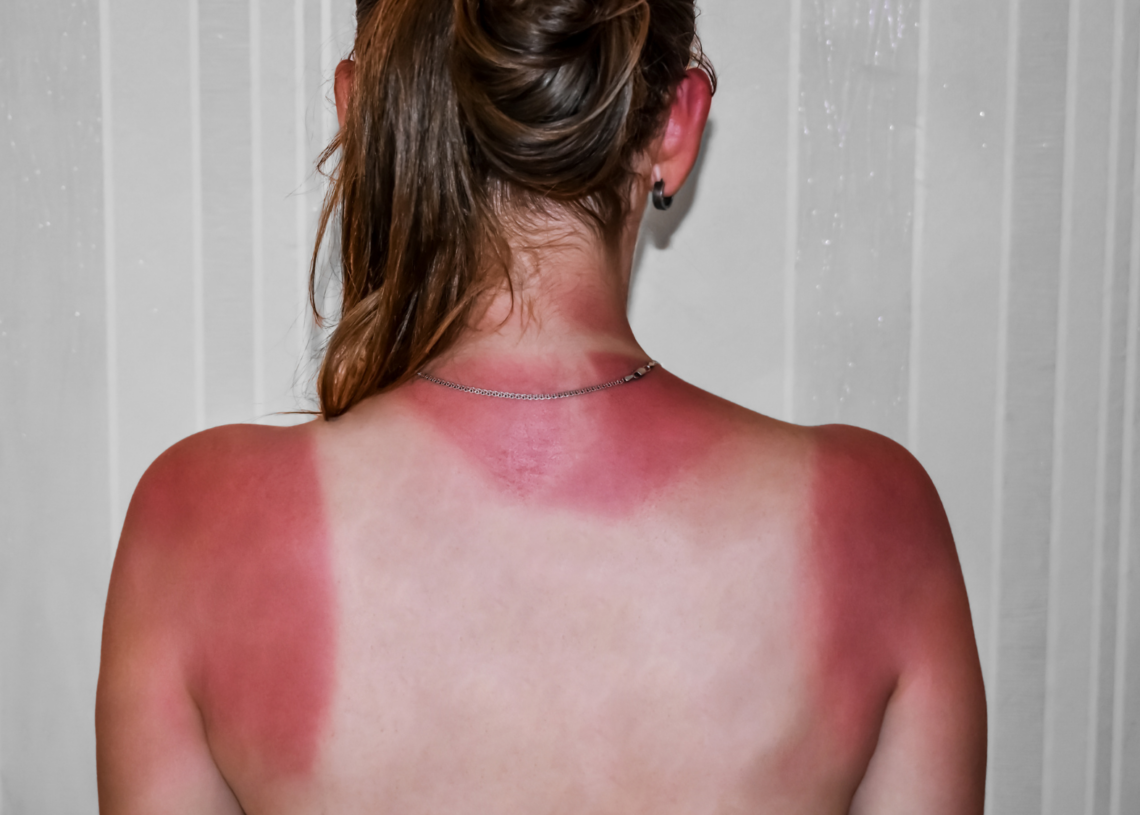
We’ve all been there. Wanting to get that golden brown tan of summer, but end up pushing it just a little too far. Next thing you know, you’re a freakish color of red, showers are torture, and just wearing a t-shirt hurts like hell. Even with all the aloe vera in the world, those brutal sunburns are probably following you through life.
A meta-analysis published in JAMA Dermatology pooled data from 17 studies covering more than 321,000 people and found that a history of painful, blistering, or severe sunburns significantly raises the odds of developing cutaneous squamous cell carcinoma, one of the most common forms of skin cancer. People with a medium frequency of severe sunburns over their lifetime had 51% higher odds of developing cSCC than those with no such history. For people with high frequencies, that number climbed to 69 percent. Frequent severe burns in childhood pushed the odds up to three times higher.
The research was led by dermatologist Isaac Weber and colleagues at the University of Texas MD Anderson Cancer Center. “While the role of UV exposure in cSCC is well-established, the specific effect of sunburns remains less certain,” Weber and colleagues wrote, noting that separating the effects of chronic UV exposure from acute sunburn is difficult, since people who burn more also tend to have higher overall sun exposure. The certainty of evidence remained low partly because the data relied on people recalling past sunburn histories, imprecise at best.
A Sunburn’s Damage Doesn’t End When the Redness Fades, Dermatologists Say
Still, the finding adds to a mounting body of research connecting childhood burns to long-term skin cancer risk. Past meta-analyses have linked severe sunburns in childhood to higher rates of melanoma and basal cell carcinoma as well. The damage UV radiation inflicts on DNA in skin cells doesn’t go away when the redness fades.
“When the body repairs that damage, mistakes can sometimes occur,” oncologist Adrienne Victor of the University of Rochester’s Wilmot Cancer Institute told the university’s health newsletter. “Over time, these mutations can accumulate and contribute to the development of skin cancer.”
Meanwhile, Americans aren’t totally sold on sunscreen, or at least don’t take it as seriously as they should. CivicScience’s 2026 data found 75% use it at least occasionally, but 40% don’t reapply. On top of that, 24% now believe sunscreen itself is toxic—a number that’s been climbing since 2021 with no credible science behind it.
“Some people avoid sunscreen because of myths that its ingredients can cause skin cancer,” Victor said. “However, the strongest evidence points to UV exposure as the primary cause of most skin cancers.” Even if you’re a skeptic, there are all-natural options out there.
Kids are at higher risk than adults, and most of the damage gets done before anyone is old enough to make informed decisions about SPF. The sunburns from childhood summers are already in the books. The ones coming up this weekend aren’t. Slather up.
The post One Bad Sunburn Can Change Your Health for Life, Dermatologists Say appeared first on VICE.