Brain injuries are among the military’s most pressing health problems, making advancements in treatment critical. To that end, the Pentagon’s research arm is exploring ways to help an injured brain rebuild damaged connections and heal itself.
The Defense Advanced Research Projects Agency, or DARPA, says it wants to develop noninvasive tools that can “enhance the brain’s ability to adapt and rewire itself” after an injury, DARPA’s page on the effort says.
“Though the key to the brain’s remarkable adaptivity is neuroplasticity, we lack the tools to stimulate plasticity in specific functional circuits to avoid global change, and/or unwanted side effects,” the agency says.
To solve those problems, DARPA has launched a new program called SHINE, which is short for “Selective Harnessing of Intrinsic Neuroplasticity Engineering.” The effort is in its earliest stages, but could have important implications for people recovering from traumatic brain injuries.
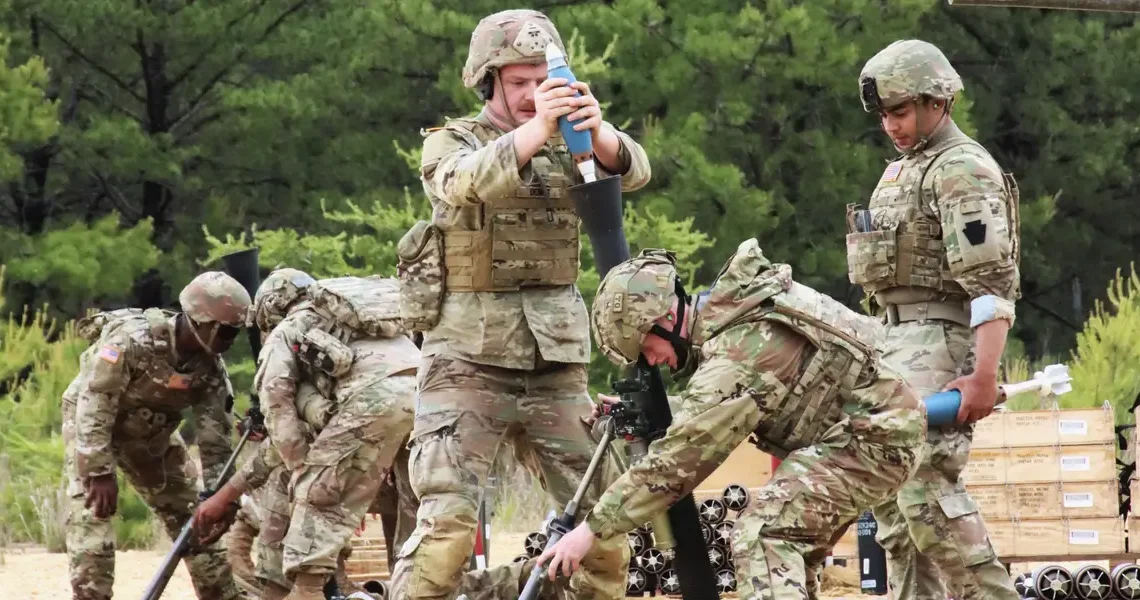
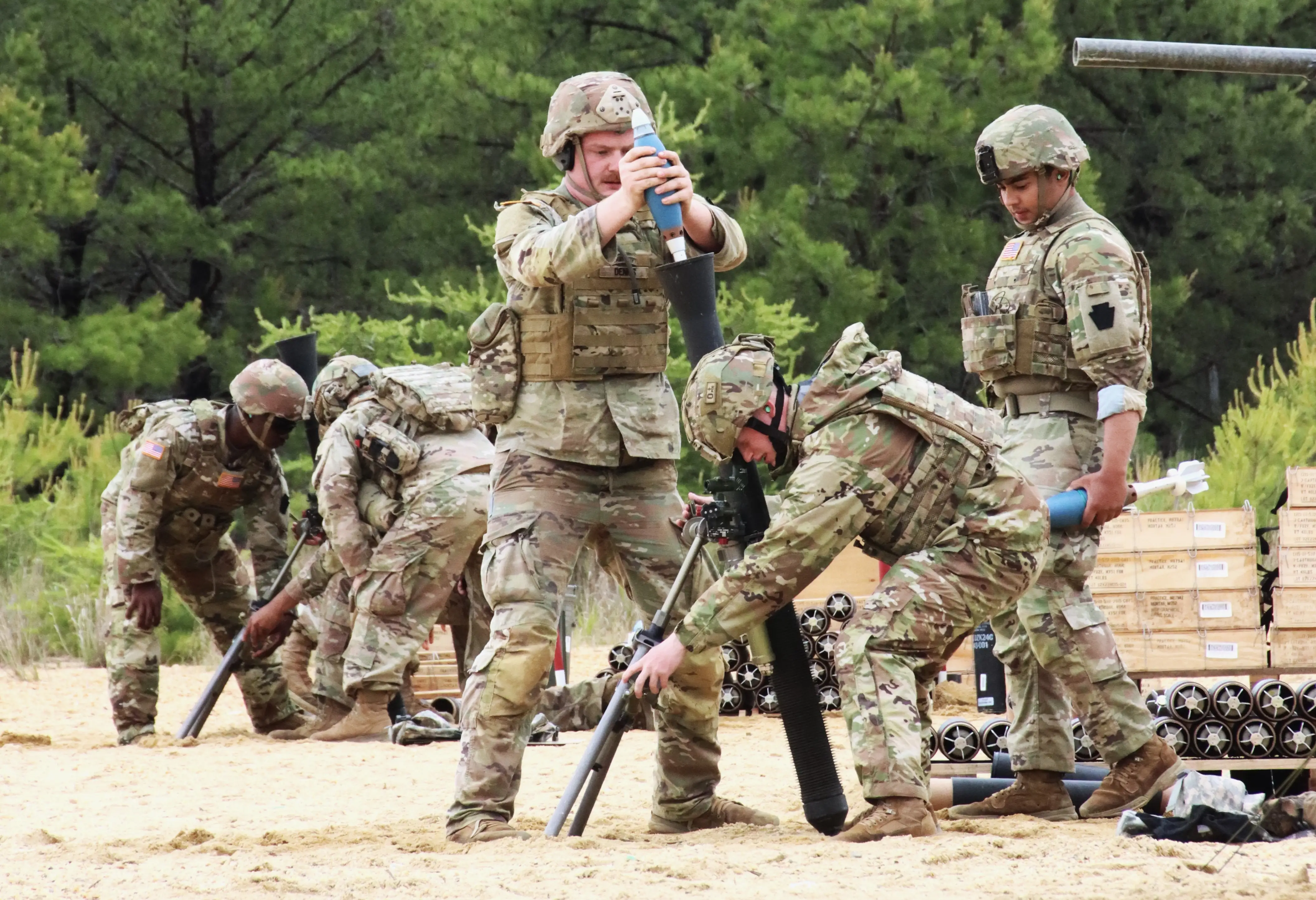
The US military has faced rising rates of TBI recently, as troops fighting the war against Iran have come under drone and missile fire, explosions from which cause “blast overpressure,” a common cause of TBIs. Beyond enemy attacks, the repeated use of certain weapons, such as artillery, mortars, and shoulder-launched rockets, by US troops can also cause traumatic brain injuries.
The military’s attention to brain health has grown as researchers have learned more about the effects of repeated exposure, and as news stories have highlighted previously overlooked mild and frequent injuries, said Vik Bebarta, a former military emergency physician who now serves as the strategic lead for the Marcus Institute for Brain Health at the University of Colorado Anschutz.
While certain jobs involving proximity to explosions are historically more closely associated with TBIs, there are other, less obviously risky military and national security jobs in which personnel are vulnerable to such injuries. Recent reporting from The New York Times highlighted the potential for injury among Coast Guard personnel tasked with navigating rough waves, which can repeatedly jar the brain and cause lasting harm.
After 20 years of war in the Middle East during the Global War on Terror, military medicine has become a finely honed tool for treating wartime trauma wounds, Bebarta said. “The next thing we need to look at is protecting the brain from damage and measuring exposure, detecting it earlier, developing treatments, both medications and non-invasive, to improve cognitive performance over careers.”
The challenge is moving beyond what Bebarta called a “light switch concept of ‘were you exposed or not exposed.”
“It’s a continuum,” he said.
TBI assessments require regular evaluations and monitoring, and while some symptoms may be treatable, other effects may not be. Diagnosing such injuries is difficult, too, Berbarta said. Brain injuries are not easily detected, though the Pentagon is fielding blood-based tests to help and aims to screen more troops for brain health.
Existing approaches intended to promote neuroplasticity, including medication, brain stimulation, and behavioral therapies, generally don’t isolate the circuits affected by an injury, DARPA says. The agency is seeking to direct treatment at those specific pathways, leaving other parts of the brain untouched.
Brain injuries don’t just affect military personnel. Many Americans with TBIs, for instance, sustained injuries during falls, vehicle crashes, or physical assaults, according to the US Centers for Disease Control. Combative and contact sports can also contribute to brain injuries. Patients who’ve experienced a TBI may struggle with persistent memory, concentration, mood, and movement problems.
Read the original article on Business Insider
The post DARPA wants injured brains to rewire and repair themselves as the US military confronts traumatic brain injuries appeared first on Business Insider.