Douglas L. Carver and Thomas J. Solhjem are retired major generals who served as the 22nd and 25th chiefs of chaplains of the U.S. Army, respectively.
During the French and Indian War, Colonel George Washington repeatedly urged Virginia’s governor and legislature to provide a chaplain for his regiment. He found it unconscionable to ask his troops to prepare to make the ultimate sacrifice while denying them crucial religious support. Then, as commander of the Continental Army, Washington expanded and professionalized the chaplaincy, persuading the Continental Congress to make it a permanent special branch of the military. More than 250 years later, chaplains continue that legacy by meeting the religious needs of troops wherever duty calls, including in harm’s way.
Now Washington’s home state is discriminating against its chaplains. Virginia requires chaplains serving in the Virginia National Guard to obtain a theology-related master’s degree. Yet despite providing tuition assistance for other types of degrees, it recently denied tuition assistance to Trace Stevens, a National Guard member enrolled in a master’s program at Liberty University pursuing the type of theology degree necessary to become a chaplain. The state claimed that such degrees are too religious to receive state support. Stevens sued, and his case is now before the U.S. Court of Appeals for the 4th Circuit. Its outcome will broadly affect Virginia National Guard chaplains pursuing religious degrees.
As retired chaplains who served as chief of Army chaplains, we spent more than 90 years combined serving the United States and its warfighters. We view Virginia’s position as blatantly discriminatory and profoundly dangerous. If the 4th Circuit upholds the decision, it will be the first appellate court in the country to allow a state government to defund educational assistance it requires of its military chaplains, while providing it to other service members.
The military chaplaincy’s protection of the free exercise rights of men and women in uniform is a solemn constitutional duty. When military service members leave home, they are also separated from local religious communities to which they belong. To guarantee their free exercise rights, the First Amendment requires the government to furnish access to worship and spiritual care where they are stationed.
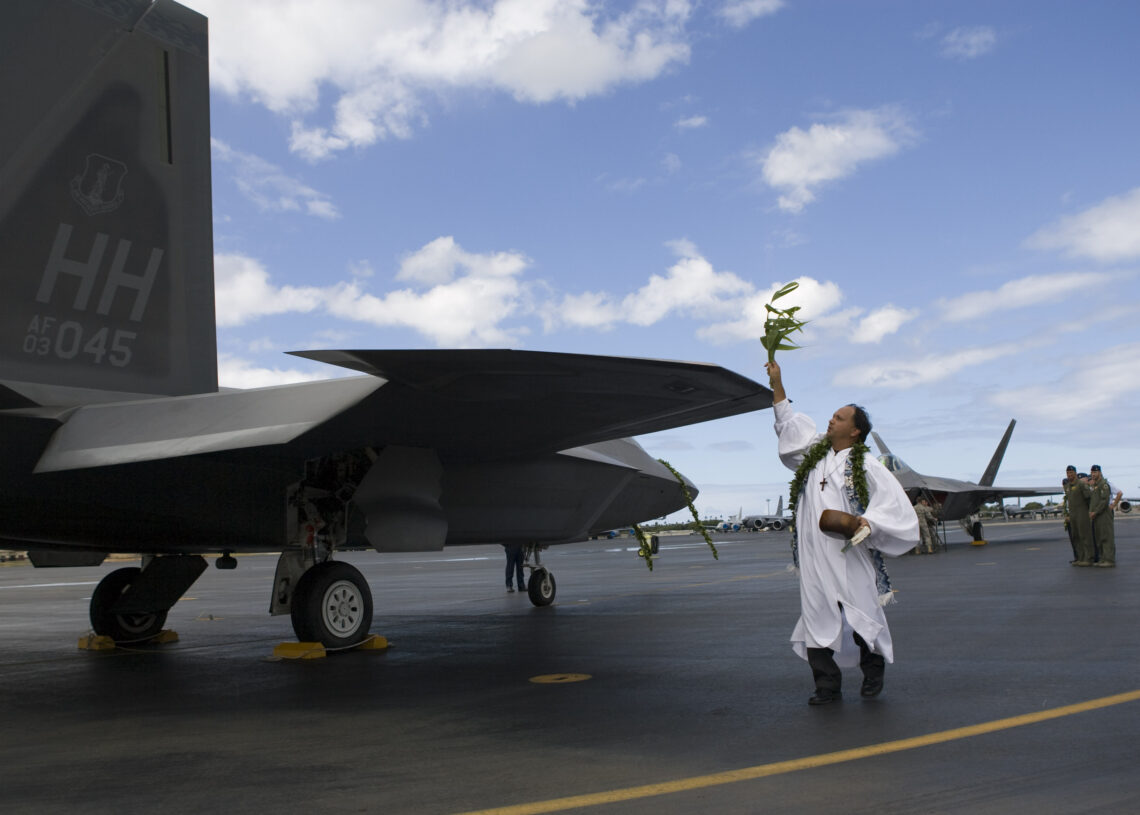
As chaplains, we carried out that duty by leading religious services, conducting memorial ceremonies, officiating burials, offering prayers and providing pastoral care to service members through long separations, dangerous assignments and loss of life. And we did that not as generic counselors. We did it, like all military chaplains, as religious leaders, endorsed and sent out by our respective churches, synagogues or mosques to provide religious support to men and women in uniform.
The Virginia National Guard has long fulfilled its constitutional duty through its chaplaincy corps, which is tasked with providing “the highest levels of religious support” across military operations. Virginia sustains that mission by maintaining a formal chaplaincy structure, paying chaplains when they are called into state active duty and requiring them to complete advanced religious training, including theology coursework.
Yet when National Guard members pursue master’s degrees in divinity precisely to satisfy those educational requirements, Virginia denies them tuition assistance. While their fellow Guard members are given funding to pursue nonreligious degrees, aspiring chaplains are shut out. The state deems their degree “religious training or theological education,” and so excludes it. That’s an unconstitutional catch-22, and flagrant religious discrimination. The Supreme Court has said time and again that a state may not exclude religious people or institutions from a benefit it offers everyone else.
To defend itself, Virginia retreats to Locke v. Davey, a 2004 Supreme Court ruling that allowed a civilian scholarship program to exclude devotional theology degrees because of a historic concern about using taxpayer money to train private religious leaders. But the Supreme Court has stressed that Locke is narrow. And tradition here runs precisely the other way. America’s military chaplaincy is older than the nation itself, and governments have long supported the religious education of chaplains because the Constitution requires, not merely permits, them to provide for the religious needs of men and women in uniform.
Both tradition and common sense condemn the dilemma Virginia has created for its chaplains. The state can’t fairly or constitutionally exclude from tuition assistance the very degree it requires its chaplains to obtain.
Vindicating constitutional common sense is important here. Through combat deployments and commands across the Army, we witnessed how deeply service members depend on their faith and how their free exercise of religious beliefs and practices sustain them when all else fails. They serve our nation with courage amid hardship and uncertainty. State governments must not place needless obstacles between service members and the spiritual care that sustains them.
General George Washington once described chaplains as “point[s] of light” for America’s service members. The 4th Circuit must not allow his home state to dim that light. It should reject Virginia’s effort to defund the next generation of National Guard chaplains.
The post Virginia is putting military chaplains in an impossible position appeared first on Washington Post.