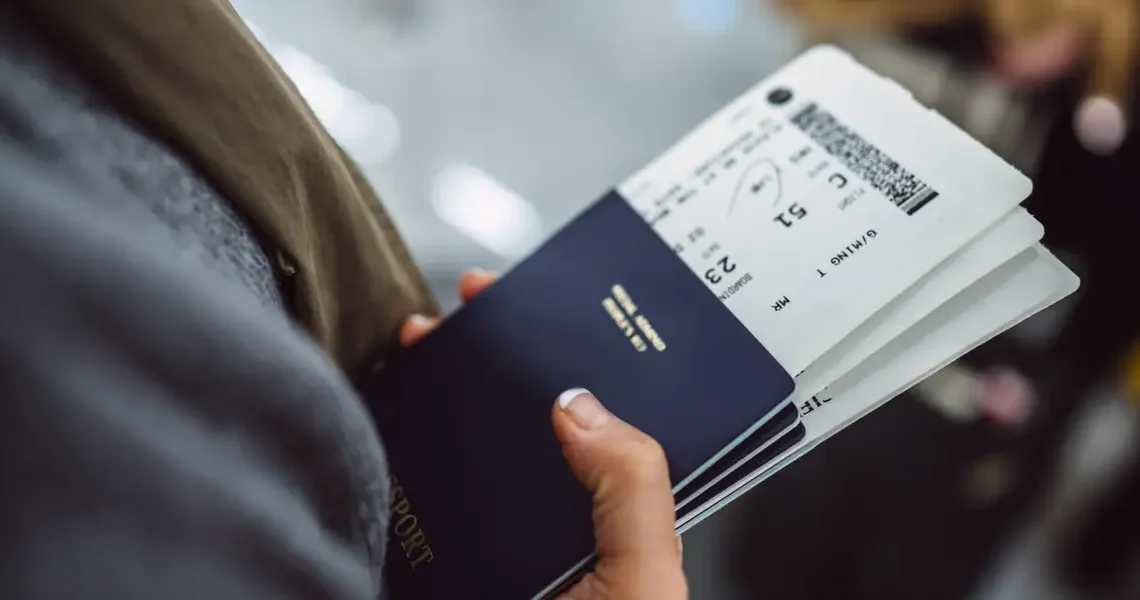
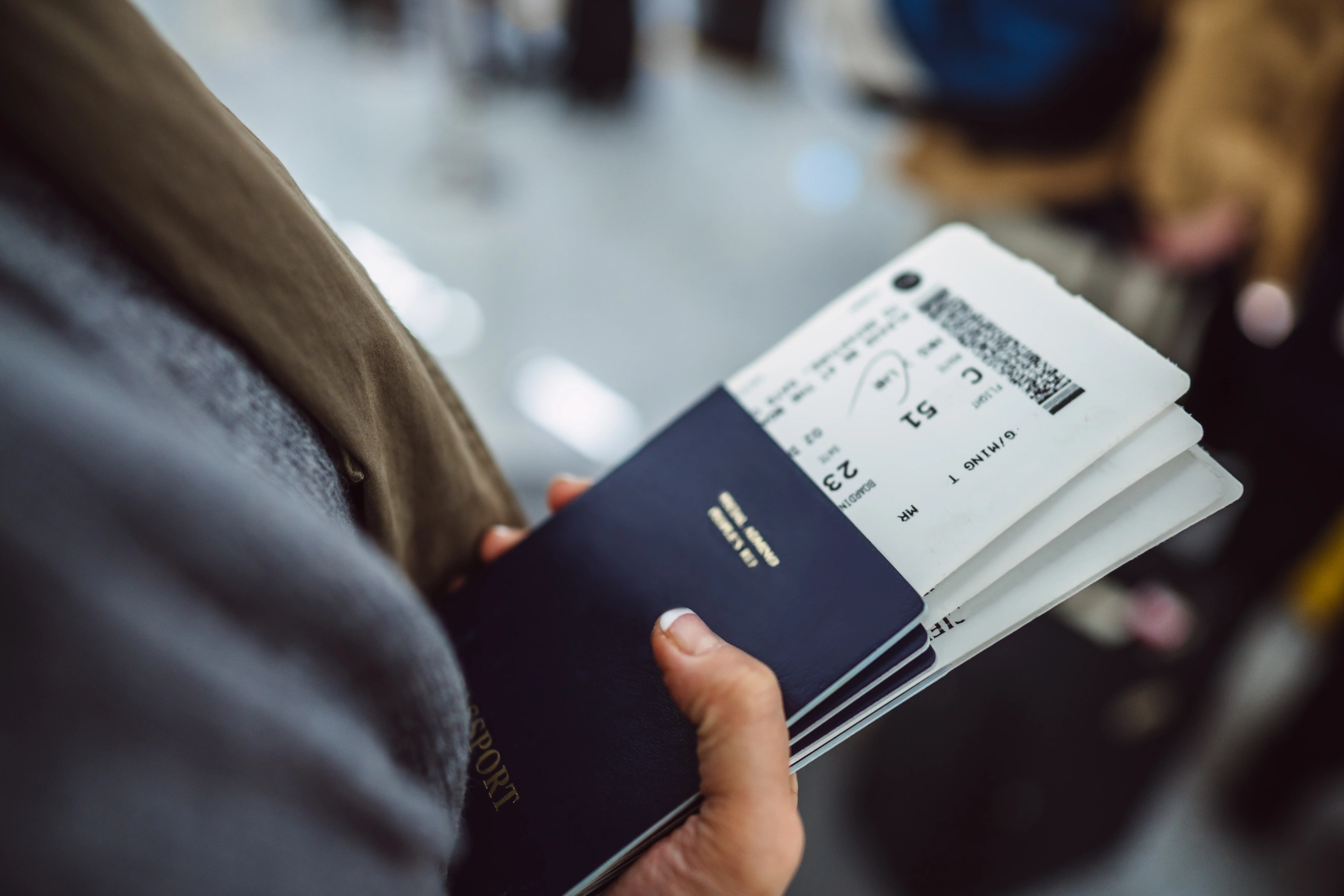
Buying second passports was once largely the preserve of the superrich, but one investment migration firm says that’s changing as more middle-class Americans shop for them.
The investment migration industry has traditionally catered to those who can afford the six or seven-figure price tags of many “golden visas.” Peter Thiel, who was granted New Zealand citizenship in 2011 and temporarily relocated to Argentina this year, is among the billionaires to seek additional passports and residences.
For wealthy Americans, acquiring another citizenship generally doesn’t eliminate their US tax obligations, but offers the freedom to live, travel, and work abroad.
Data shared exclusively with Business Insider by Immigrant Invest, a Malta-based citizenship-by-investment consultancy founded 20 years ago, showed that salaried professionals and retirees now account for 25% of its US consultations calls, up from around 15% in 2025.
The growing cohort included doctors, tech workers, academics, real estate brokers, and lawyers, as well as retirees with personal savings. The company analyzed 450 consultation calls with US-based clients between January and July 2026. It compared the results with its 2025 data from the same period.
The company’s traditional core clientele, which includes ultrawealthy investors, entrepreneurs, and business owners, has shrunk as a share of its US consultation calls, from roughly 50% in 2026 to 40% in 2025.
Pavel Reshetnikov, a consultant at Immigrant Invest, told Business Insider that the cost of citizenship programs has stayed relatively stable in recent years. This indicates that more Americans with savings are looking for a “Plan B” amid heightened political division in the US and global geopolitical volatility.
Some of the most popular options among Immigrant Invest’s US clients are Caribbean citizenship-by-investment programs requiring low six-figure sums. Grenada’s program, for example, requires a donation of more than $235,000 to the National Transformation Fund, or a real-estate investment of over $270,000. St Kitts and Nevis requires a contribution starting at $250,000 or an investment of more than $325,000 into local real estate.
There are also cheaper options: citizenship-by-investment programs in São Tomé and Príncipe, an island nation off the west coast of Africa, start at $90,000, while Vanuatu in the South Pacific starts at $130,000.
Henley & Partners, one of the world’s largest citizenship-by-investment advisory firms, said in its 2026 Private Wealth Migration Report that demand from US clients nearly doubled in 2025 from the previous year. Most weren’t planning an imminent move, according to the report.
“The great majority are US-Americans living in the USA, rather than expatriates already abroad, and they have no intention of leaving, or at least not yet,” Basil Mohr-Elzeki, Henley and Partners’ head of private clients in the Americas, said in the report.
Immigrant Invest said that as recently as 2021, Americans in general showed little interest in its citizenship-by-investment programs, with middle class clients particularly rare. “Five years ago, I think it was just a very, very small percentage of US clients,” Reshetnikov said. “Now it’s a completely different story.”
Demand began picking up in early 2025, around the time President Donald Trump took office, and US-based clients have since become one of its largest segments, accounting for as much as 28% of consultations in any given month.
For many of those Americans, the appeal is less about leaving the US than knowing they could in the future. “They would like to have an option and insurance for the whole family to move somewhere very quickly,” Aleksandr Razinkov, who handles press relations for Immigrant Invest, said.
Second passports haven’t suddenly become more affordable. But for a growing group of affluent American professionals, a “plan B” passport is something worth spending their savings on.
Read the original article on Business Insider
The post A golden visa firm says ‘plan B’ passports are going middle class appeared first on Business Insider.