Irish dancing is global. Unlike the niche folk concerns of pole-battering Morris men or their Irish analog, Mummer men, Irish dancing broke containment long ago. Thanks in part to 90s stage sensations Lord of the Dance and Riverdance, the sport (yes, it’s competitive) is popular in surprisingly diverse locales across the world.
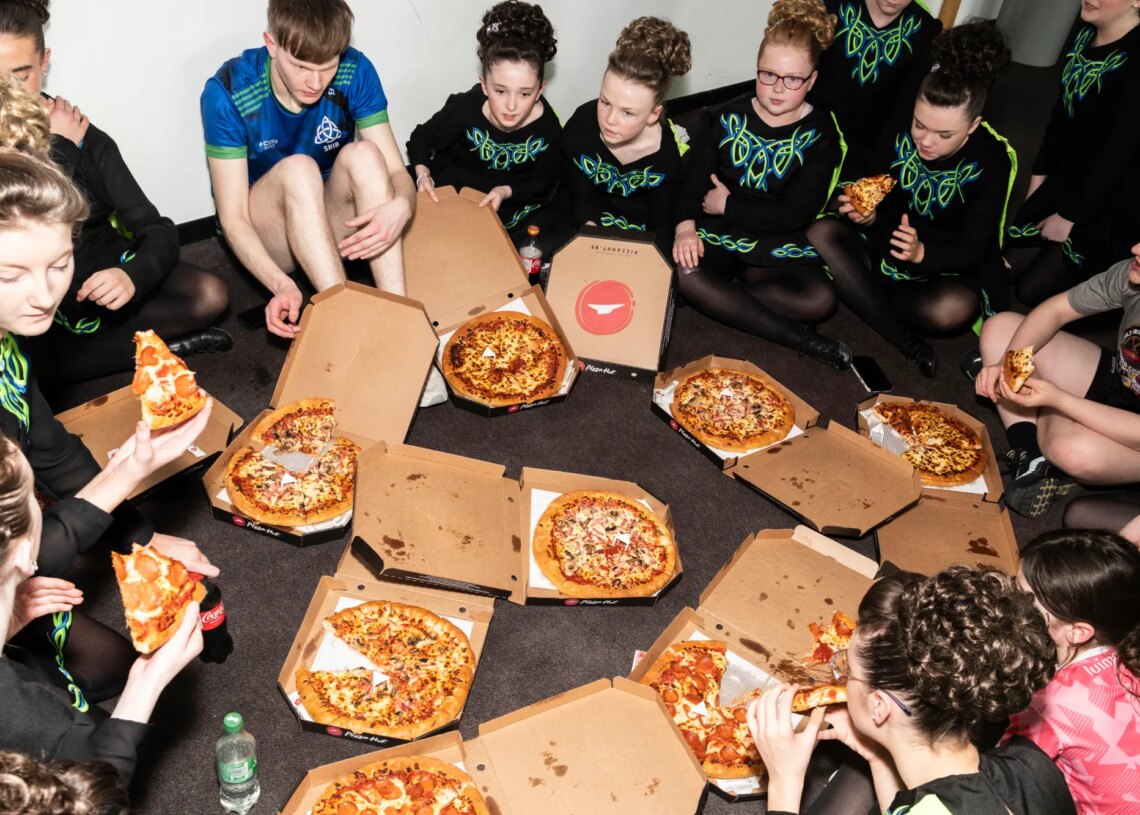
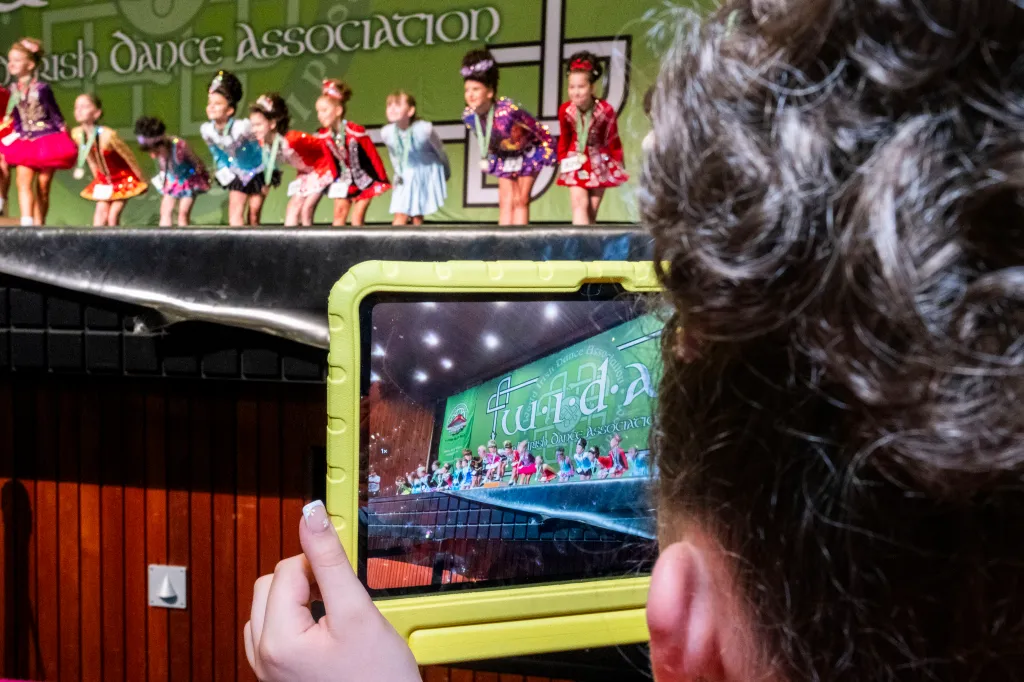
Brittonic photographer Chloé Kerleroux went looking for the Gaelic art form this spring, and found it in Liege, Belgium, in the form of the WIDA World Championships and International Feis. Global participants of all ages competed in the sport’s various dances (soft shoe reel! Slip jig! Hard shoe!) for the top honors.
Camaraderie, intensity, massive hair—Irish dancing has it all. We spoke to Kerleroux to find out more.
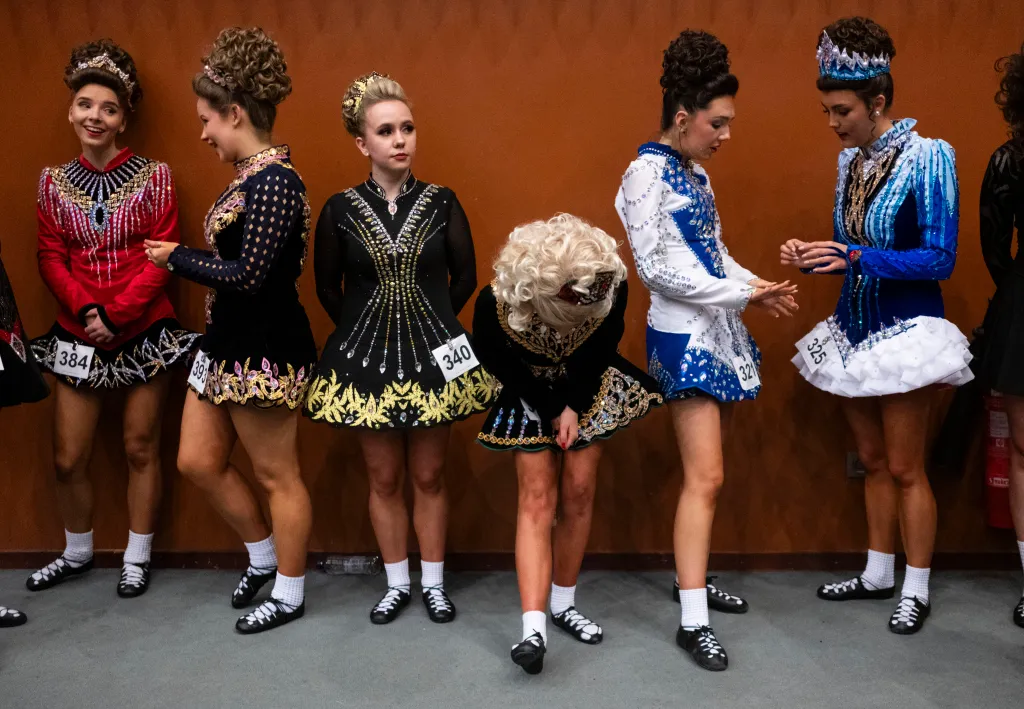
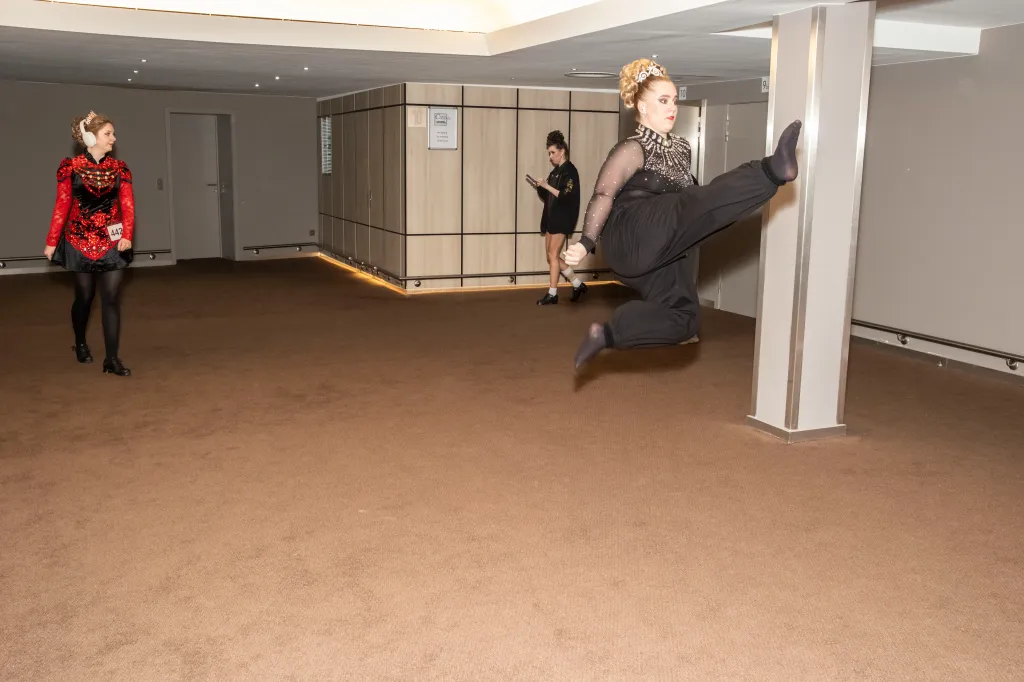
VICE: I know it’s international, but the girls that you photographed, are they all Irish? Because they all look Irish, if I’m honest.
Chloé Kerleroux: I was a bit more [apprehensive] about photographing the dancers if I couldn’t find their parents, and a lot of them were with their coach. The kids from Ireland, England, and maybe Germany were with their family because it’s not far. But my camera was also just a bit more interested in them. I love the faces of small Irish people—they’re so cute.
What did your days with these dancers actually look like?
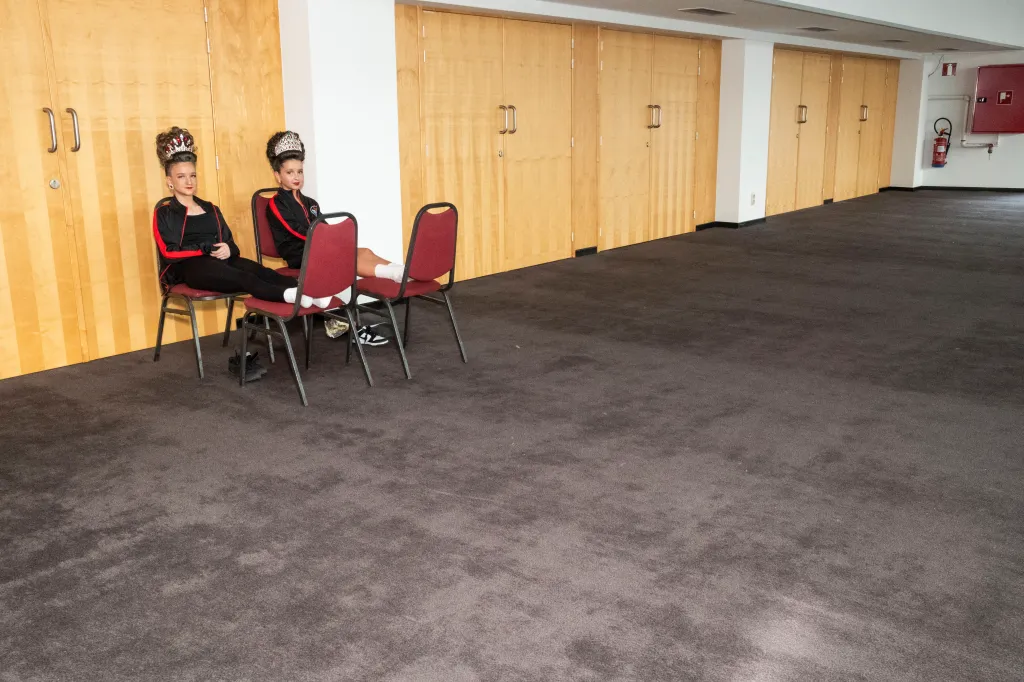
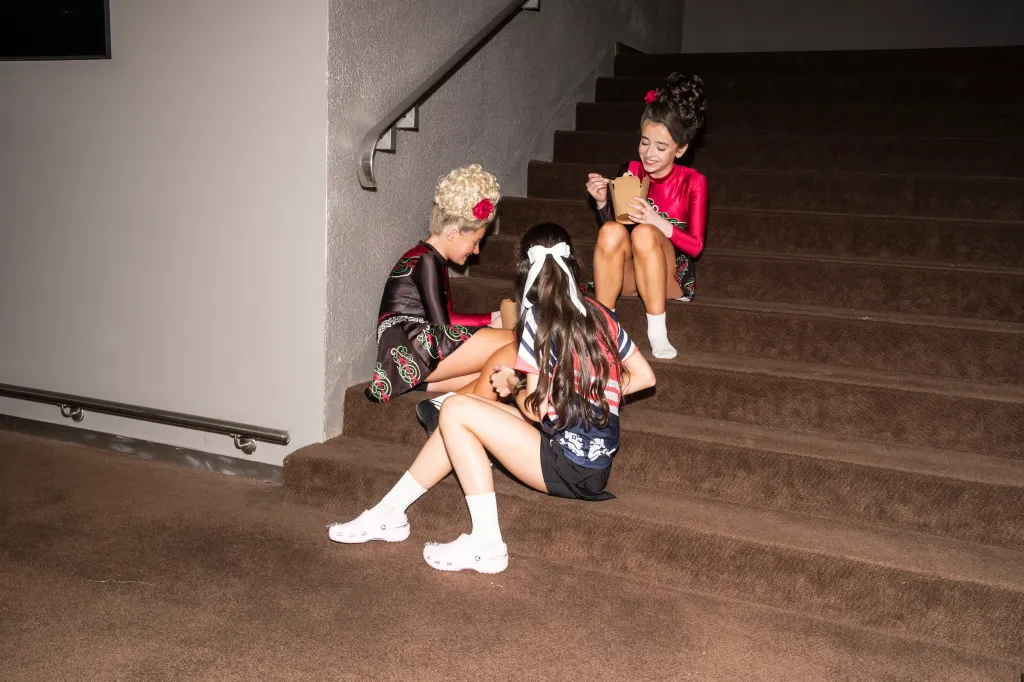
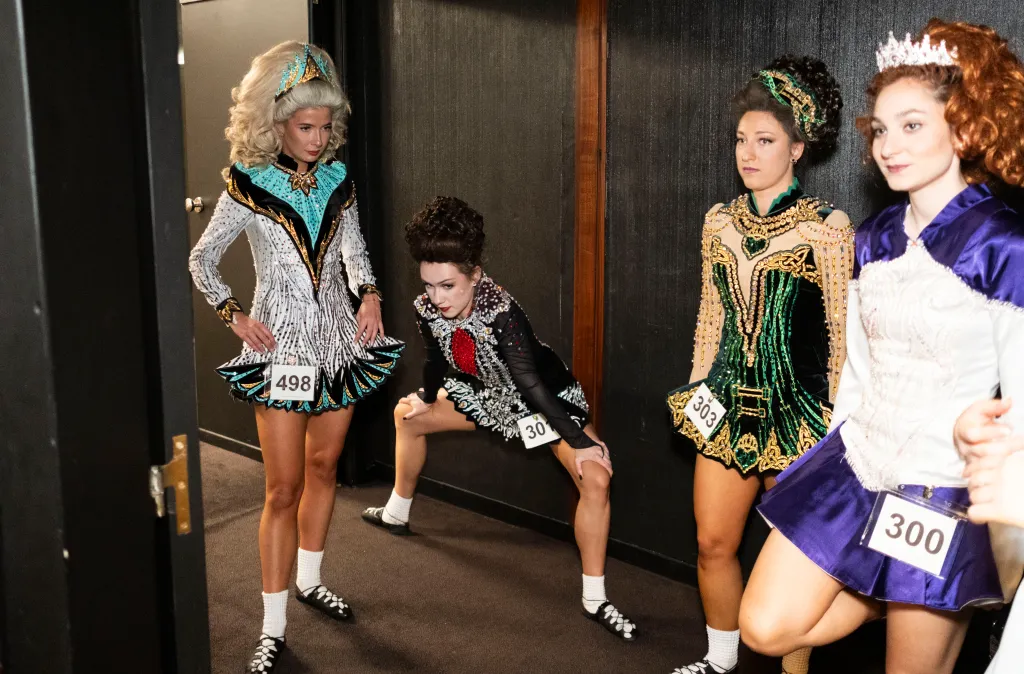
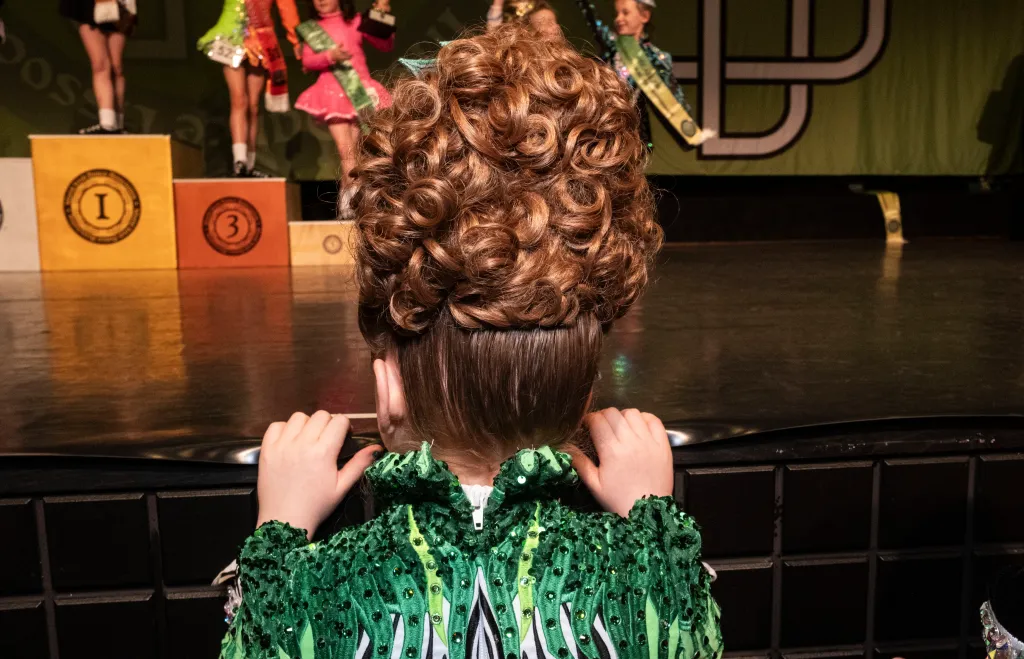
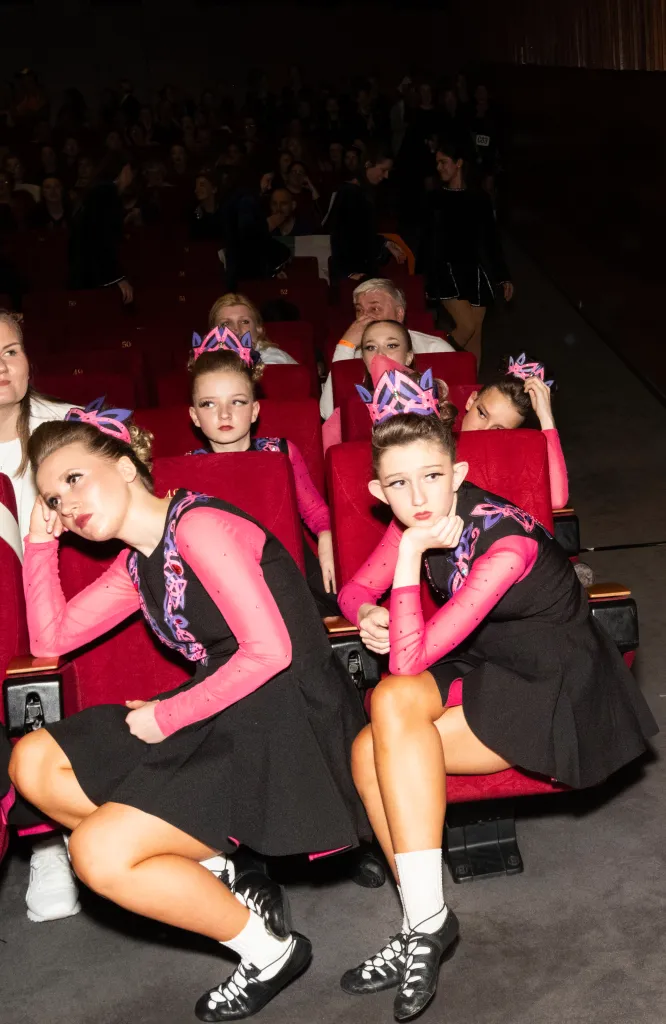
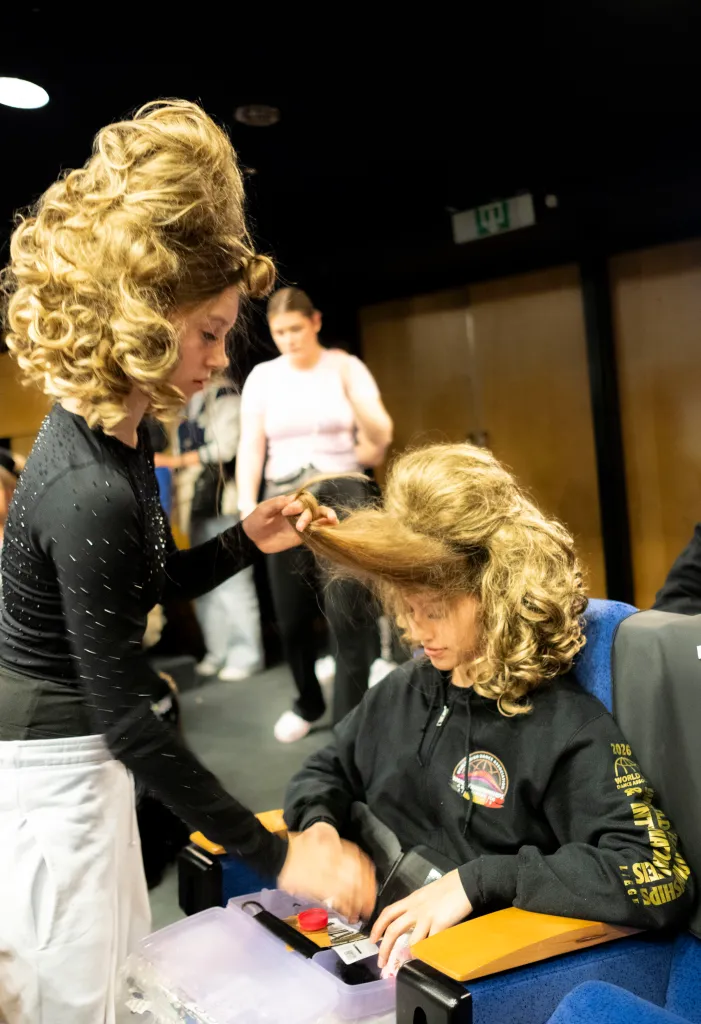
They were long days spent wandering between the different competition halls, where everything follows a very specific structure: the days dedicated to team competitions, those reserved for solo events, the corridors turned into warm-up spaces, the preparations, the hair and makeup, the naps between performances, cafeteria breaks, the makeshift dressing rooms, and then, finally, the awards ceremonies. You begin to recognize the same faces and understand the unique rhythm of the competitions, with long stretches of waiting punctuated by a few minutes of incredible intensity.
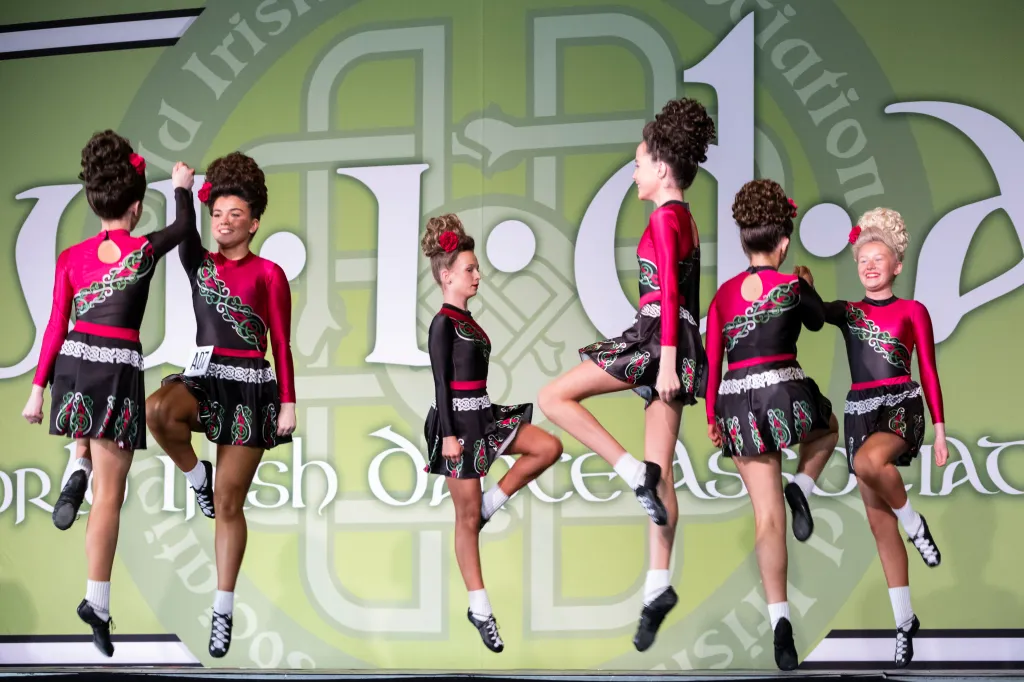
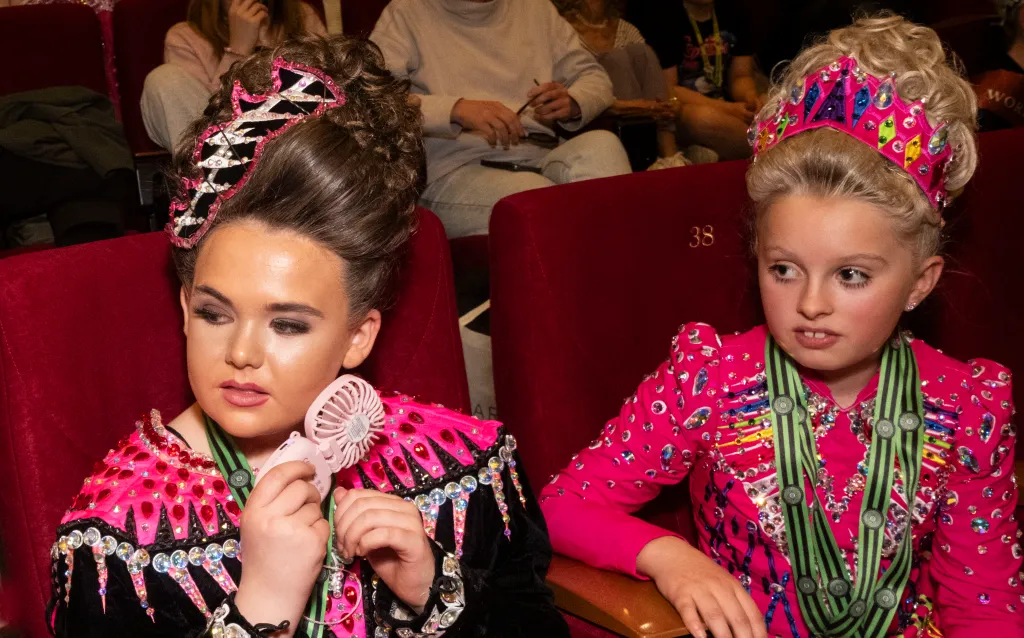
What did you make of the look?
I associate Ireland with a certain melancholy, a bit like Brittany, where I’m from. I love the contrast between that atmosphere and the bold aesthetic of the costumes: the vibrant colors, the sequins, the intricate embroidery, the elaborate hairstyles. These kids are maybe… not, like, Willy Wonka, but you know, it’s kind of an unreal world when you see them. The first time [you see them it’s] like ‘Oh wow.’ The outfits are extreme—in a good way—and I’m drawn to highly visual worlds, especially when they stand in contrast to their surroundings.
Being from Brittany, are you interested in Celtic stuff?
When my father was alive, he would always go salmon fishing in Ireland. So I have some memories of going with him, and he loved the culture. So it’s familiar to me—it feels like home. I like the strong personality of people where the weather is bad, the rain is heavy, and it’s hard to live there.
Were the parents pushy at all? Did the kids all want to be there?
I genuinely felt joy from the children and an incredible amount of support from their parents. Some of the teams from outside Europe appeared to be in a stricter environment and under more pressure, but that’s also cultural. The parents weren’t present, so I can’t really comment on their role. Once the competitions were over and the pressure had lifted, I saw those same dancers laughing, playing, and simply enjoying being together. The coach of one of those teams read a beautiful letter to the dancers before they went on stage.
What else surprised you about this Irish dancing thing?
I was surprised by how difficult it was to enter this world as an outsider. It has its own codes, its own rhythm, and is a very close-knit community. But once I was welcomed in, I felt a level of solidarity and kindness that I hadn’t expected.
What struck me most was the emotional whirlwind that runs through these competitions. Within a few minutes, people go from stress to joy, from disappointment to euphoria. The dancers celebrate each other’s successes as much as their own, and the sense of belonging is incredibly strong. While shooting, I found myself crying with them because the emotions were so contagious.
Follow Chloé Kerleroux and Nick Thompson on Instagram
The post Photos of Children Competing to Dance the Most Irish appeared first on VICE.