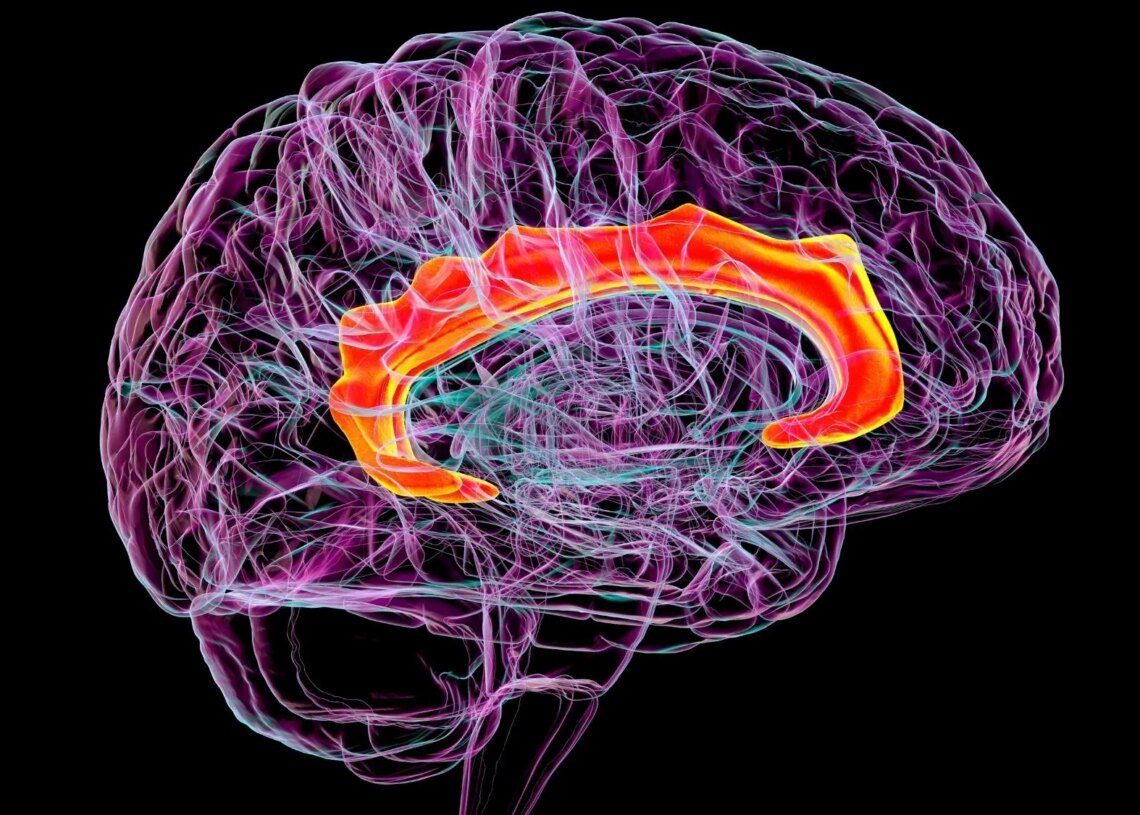
Oxytocin is the hormone associated with the good vibes and positive emotions we’re all chasing: love, trust, bonding. Scientists just found that it might have a secondary role in helping the brain quickly get back to those positive feelings by making us realize that scary things maybe aren’t that scary and probably aren’t actually trying to hurt us.
According to research published in the journal Brain, researchers in Japan studied a small group of oxytocin-sensitive neurons in the brains of male mice, located in the paraventricular thalamus, the part of the brain that processes stress, motivation, and emotional behavior. The researchers suppressed the neurons, making the mice less social, less interested in being around animals they were unfamiliar with, and they had trouble learning that a place they had previously received an electric shock was now a safe space.
Scientists Found a Brain Circuit That Links Oxytocin and Fear
When those neurons were activated, they produced the opposite effect. The mice froze less after returning to the previously dangerous spot. The effect didn’t last long, though. And it didn’t make them much more sociable. All this is helping researchers understand that oxytocin isn’t just an all-natural love potion number nine.
Its effects may be situational, dependent on where and when it acts in the brain, and different neural circuits can either encourage social or antisocial behavior.
Oxytocin may be associated with positivity and good vibes, but researchers have not yet found a way to constantly activate it so we are in a perpetual state of bliss. But what the research did find is that oxytocin could help the brain to figure out when the stuff we fear isn’t really worth our time and energy, which itself could be a pretty useful discovery.
The post Oxytocin May Help the Brain Let Go of Fear, New Study Suggests appeared first on VICE.