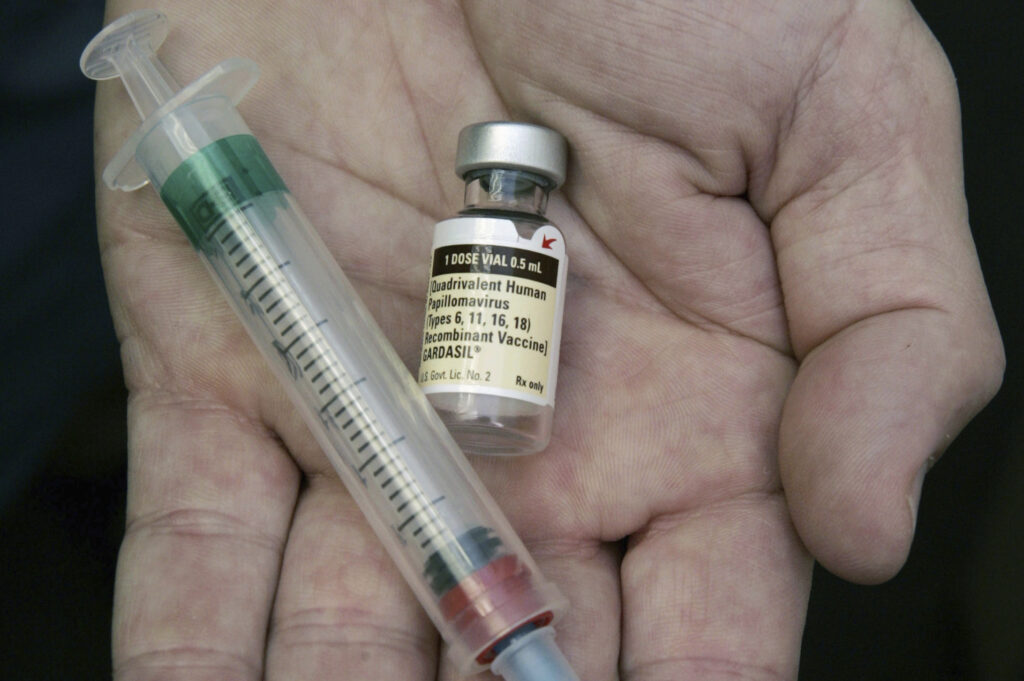
One of the most significant public health successes of the past two decades has been the dramatic decline in cervical cancer among young women following the introduction of the human papillomavirus vaccine. Yet recent research suggests that achievement might only be the beginning: If more people — especially young men — received the shot, it could go even further to prevent cancers.
Since the Centers for Disease Control and Prevention first recommended the HPV vaccine in 2006, cervical precancers among young women have fallen by 80 percent. Cervical cancer rates have also dropped substantially: In states with high vaccination coverage, incidence has declined by more than half. The American Cancer Society estimates that every 10 percent increase in vaccination rate is associated with an 11.5 percent reduction in cervical cancer incidence.
The vaccine’s extraordinary success reflects both its effectiveness and the ubiquity of HPV. The National Cancer Institute estimates that nearly everyone becomes infected with the virus within a few years of becoming sexually active. The virus spreads primarily through sexual intercourse but can also be transmitted through close skin-to-skin contact, which is why condoms reduce but do not eliminate the risk of infection.
Most HPV infections are cleared by the immune system and never cause serious illness. But in some people, high-risk strains of the virus can persist for years. Those persistent infections can trigger abnormal cellular changes that may progress to precancerous lesions and, if left untreated, eventually develop into cancer.
The HPV vaccine is close to 100 percent effective at preventing cervical cancer when given before exposure to the virus. Although researchers are still studying how long protection lasts, follow-up studies spanning up to 18 years have found no evidence of waning immunity.
Even more exciting: Emerging research is showing that the vaccine not only reduces cervical cancer but also protects against several other HPV-related cancers, including those that affect men. While public health campaigns have largely focused on cervical cancer, HPV is also responsible for more than 90 percent of anal cancers, more than 60 percent of penile cancers and about 70 percent of cancers of the mouth and throat. Thanks largely to cervical cancer prevention and screening efforts, throat cancers now outnumber cervical cancers in the United States, with most occurrences in men.
These cancers, too, are protected by the HPV vaccine. A recent global study published in JAMA Oncology found that boys and young men who were vaccinated had a 46 percent lower risk of developing HPV-related oral cancers than those who were not vaccinated. Another study projected that by 2045, the vaccine will prevent about 1,000 cases of mouth and throat cancer in the U.S. annually.
Given such compelling evidence, one might expect vaccination rates to be nearly universal. Instead, uptake remains disappointingly low, with significant geographic disparities. A recent JAMA Pediatrics study found that the proportion of unvaccinated adolescents ranges from as low as 8 percent in Rhode Island to 34 percent or above in Kentucky, West Virginia, Georgia, Oklahoma and Mississippi.
Part of the problem is a lack of awareness. A survey published last year found that more than 1 in 3 American adults had never heard of HPV or the HPV vaccine, or weren’t sure that they had. Most did not know that HPV can cause cancers of the mouth and throat.
That knowledge gap has been compounded by rampant misinformation. Health and Human Services Secretary Robert F. Kennedy Jr. has, without evidence, called the HPV vaccine “the most dangerous vaccine ever invented” and bizarrely claimed that it increased rates of cervical cancer. Vaccine skeptics have also amplified parents’ fears that vaccinating children against HPV could encourage sexual activity.
That concern is not supported by the science. Multiple studies have found no association between a person’s HPV vaccination status and their unsafe sexual behavior, age of first sexual encounter or number of sexual partners. Nor is the claim especially believable. How many adolescents will decide to have sex just because they are protected against a cancer that might develop decades later? On the other hand, vaccinating children before they are exposed to HPV is a commonsense measure parents can take to protect their kids’ health into adulthood.
The American Academy of Pediatrics recommends routine HPV vaccination for all children between ages 9 and 12, before any potential exposure to the virus. Those who were not vaccinated at these ages should receive catch-up shots through age 26. Adults between the ages of 27 and 45 who have not been vaccinated can also get it based on their individual circumstances, which they can discuss with their physician.
Young people are fortunate to live in an era of extraordinary medical advances. Few have the power to prevent cancer before it begins; the HPV vaccine makes that a reality.
The post This important cancer prevention tool is tragically underused appeared first on Washington Post.