The scientific community has been on a Neanderthal hot streak lately, each new find broadening our idea of who our ancient ancestors really were. Turns out, they were a lot smarter, a lot friendlier, a lot more family-focused than we once thought.
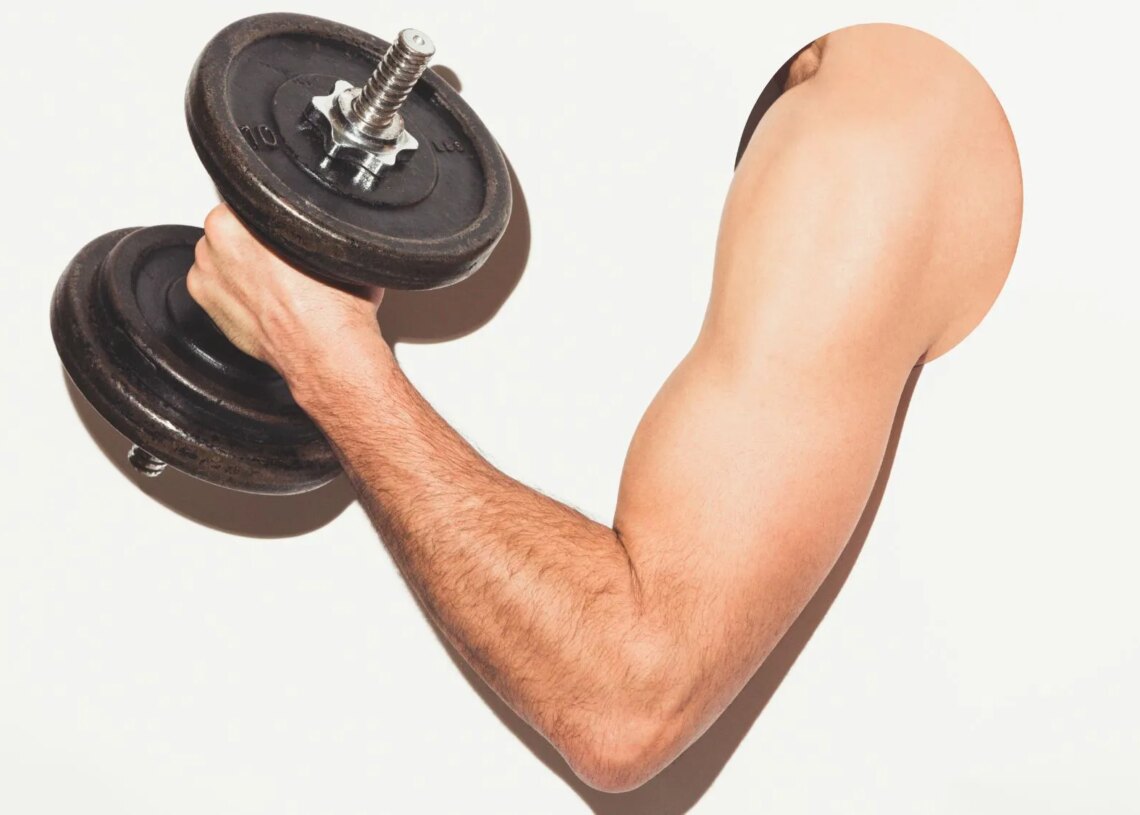
This time, researchers used mouse genes to help discover that some people today carry a version of a growth hormone receptor gene inherited from Neandertals. This gene appears to make the body’s cells respond more strongly to growth hormone, which naturally helps some modern humans develop strong bones and muscles.
In lab experiments, mouse cells with the Neanderthal version of the receptor grew about 40 percent more than cells with the more common modern human version.
Scientists Found a Neanderthal Gene That May Help Build Stronger Bodies
Researchers publishing their findings in Current Biology found that the same Neanderthal gene variant still exists in some people today, thanks to interbreeding between Homo sapiens and Neanderthals about 47,000 years ago. The effects start to show up around puberty, when growth hormone levels rise. Adults who carry the Neandertal gene variant had, on average, about 270 grams more muscle mass than people without it.
The variant is most common in parts of South and East Asia, where up to 24 percent of some populations carry it. Only about 0.5 percent of people with European ancestry have it. All this supports the fossil record evidence suggesting that the ender files were built like fleshy tanks. They had broad ribcages and thick bones all wrapped in strong, explosive muscles that made them perfect for killing Ice Age beasts like mammoths.
No, the scientists haven’t found a “get swole” gene. Not one will be Neanderthalmaxxing their genes anytime soon. They’ve shown that there’s still a tiny piece of the Neanderthals still in us after all these many thousands of years, and some of us so just a little bit of our strength and muscle mass to them.
The post Some Humans May Still Be Carrying Neanderthal Strength in Their DNA, Study Finds appeared first on VICE.