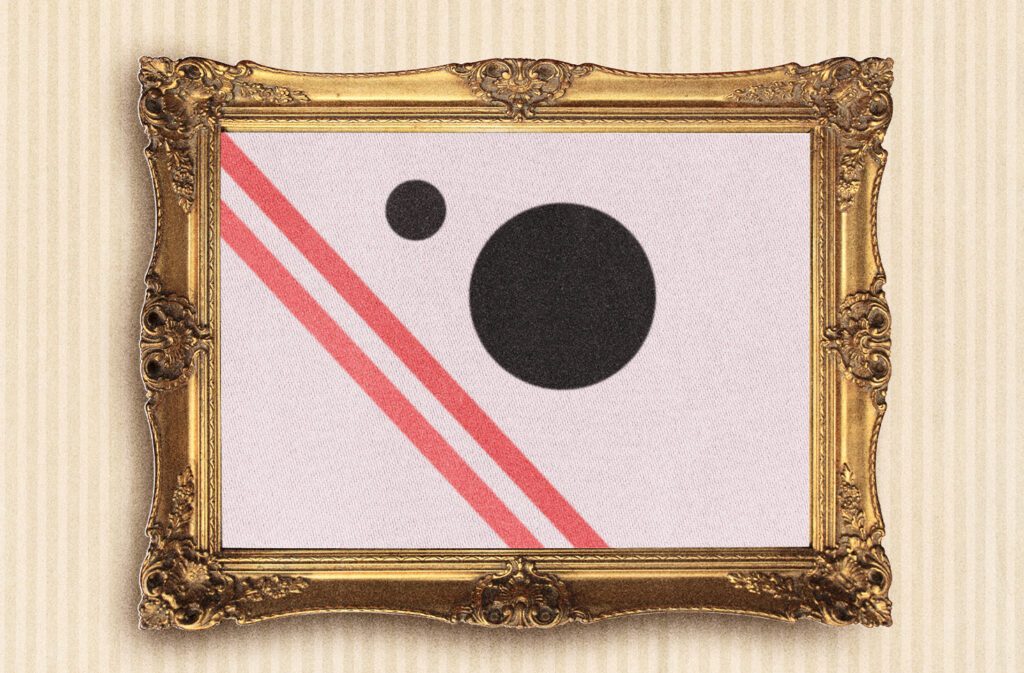
Minimalism, you may have heard, is out. Gone are those hallmarks of Millennial style: gray walls, all-white kitchens and stark, unadorned surfaces that were, perhaps, a reaction to growing up in overstuffed homes filled with decorative roosters and voluminous Roman shades. Now, as the interior design pendulum swings back to a more exuberant look — one that might even see the return of those roosters — people are embracing maximalism, a more-is-more approach that mixes colors, patterns, textures and shapes.
As styles go, maximalism is fun, no doubt, but what if it’s too much to actually live with? You may like the look but find yourself distracted and stressed out by visual clutter — not to mention that a home filled to the rafters with decorative items is hard to keep clean and organized. For those looking to combine the joyfulness of maximalism with the functionality of minimalism, there’s a sweet spot: midimalism.
Charlie Lankston, the executive editor at Realtor.com, calls midimalism “a happy-medium interior design approach that blends the vibrancy of maximalism with the calming aesthetic of minimalism.” A midimalist home is calm but not stark, with plenty of personal touches — but not so many that the space becomes chaotic.
“Midimalism is the middle ground between minimalism and maximalism, and captures the uncluttered foundation of a minimalist approach with strong visual elements that map to maximalism,” says Kendra Sinclair, a home design trends expert at Thumbtack.
If a midimalist look is one you’d like in your home, these expert tips can help you achieve it.
Strike a balance
“Minimalist decor is a simple, no-frills style featuring subtle texture and clean lines,” Lankston says, in contrast to maximalist homes, which she describes as “eclectic and often over-the-top, integrating clashing patterns, bold textures and often rich colors.” Midimalism strikes a balance by combining elements of the two interior design styles to create a calm space that has warmth and personality.
Aim for clean but not cold
Midimalism borrows from both the clean minimalist aesthetic and the boldness of maximalism. “It builds on top of an organized base with selective layers that blend colors, patterns and meaningful objects,” Sinclair says.
“It is that middle space where the room feels clean, but not cold. Personal, but not cluttered,” says Neha Khanna, the CEO and co-founder of Fabrica Kraft. “In practical terms, it could be a simple sofa with beautifully made cushions, a curtain fabric with a good fall, one strong piece of art or a few personal objects that actually mean something.”
Add pops of color to a neutral palette
Using muted or neutral colors as a design foundation reduces visual noise. “Midimalist homes feature a mix of clean lines and softer forms, and tend to adhere to a more neutral color palette punctuated by a few deeper-colored accents,” Lankston says. “Find unique patterns that share a neutral shade, ornate pieces placed against a more muted background, or an incredible arrangement of various artworks on a single wall, next to less distracting furniture and flooring.”
Leave some breathing room
“It is not about filling every corner, and it is not about stripping everything away either,” Khanna says. “The room has breathing space, but it does not feel unfinished.” When it comes to selecting items to display, avoid filler decor and trendy items.
“The goal,” Sinclair says, “is to look practical, planned and thoughtfully curated.”
Combine coordinating and contrasting textures
One way to achieve a midimalist look is to layer textures, Sinclair says, which “helps to create warmth and depth without overwhelming a space with unique objects and a smorgasbord of color. This could look like a stone surface paired with velvet seat coverings and embroidered pillows, wood paneling on walls or ceiling or a pop of color on trim.”
Try bold, sculptural elements
“Midimalism design features unique, interesting items that tend to be sculptural and bold, and have enough visual weight not to need supporting pieces for the space to feel complete,” says interior designer Daniela Alilovic. “This can include bold art pieces, an accent area rug or impactful coffee table decor.”
Avoid clutter and overdecorating
Midimalism requires a controlled approach to decorating. “It allows warmth without clutter,” Khanna says. “It allows pattern, but not too many competing patterns. It allows personal pieces, but only the ones that add something to the room. … It is all about choosing what gives the room character and removing what distracts from it.”
Because midimalism relies on restraint, Alilovic stresses eliminating clutter and unnecessary items. “Clutter and too many decorative items create too much visual weight, which goes against the midimalism look and feel,” she says.
Use the rule of three
To avoid overfilling a space, Alilovic recommends limiting groupings of items to three or choosing a single bold decorative piece that can stand on its own. “Every piece should be thought about before incorporating it into the design,” she says, “to ensure it aligns with adding impact to the space, without too much visual weight.”
Think mix-and-match, not matchy-matchy
Matching furniture or prefabricated decorative sets can leave a room feeling stark and void of personality. “Do not purchase every piece from the same store — avoid matchy-matchy. You don’t want your space to look like a showroom,” says Samantha-Jane Agbontaen, an interior designer and founder of House Designer.
“If everything is beige, flat and empty, it becomes minimalism without warmth,” Khanna says. “Midimalism needs some life in it.”
Layer on the personality
Start with a neutral base to create a calm foundation, and add personality through the use of layers, Khanna says. “Soft furnishings are one of the easiest ways to do this. You can keep the larger furniture simple and bring in warmth through cushions, curtains, bolsters, table linens, throws or a single upholstered piece. The idea is to let the room feel lived-in without being overloaded.”
Edit, edit, edit
“Midimalism needs editing,” Khanna says. “Too many small objects, too many unrelated colors or too many prints can quickly push the room into visual clutter.”
Lankston echoes that: “Achieving the midimalism look is less about creating a whole new aesthetic and more about editing what you already have.”
The post Midimalism is interior design’s sweet spot. Here’s how to achieve the look. appeared first on Washington Post.