
Rabbit fever cases are on the rise as a fourth case was confirmed in Suffolk County, prompting health officials to urge the public to stay aware and take precautions.
Tularemia, commonly known as rabbit fever, is a highly infectious disease caused by the bacterium Francisella tularensis.
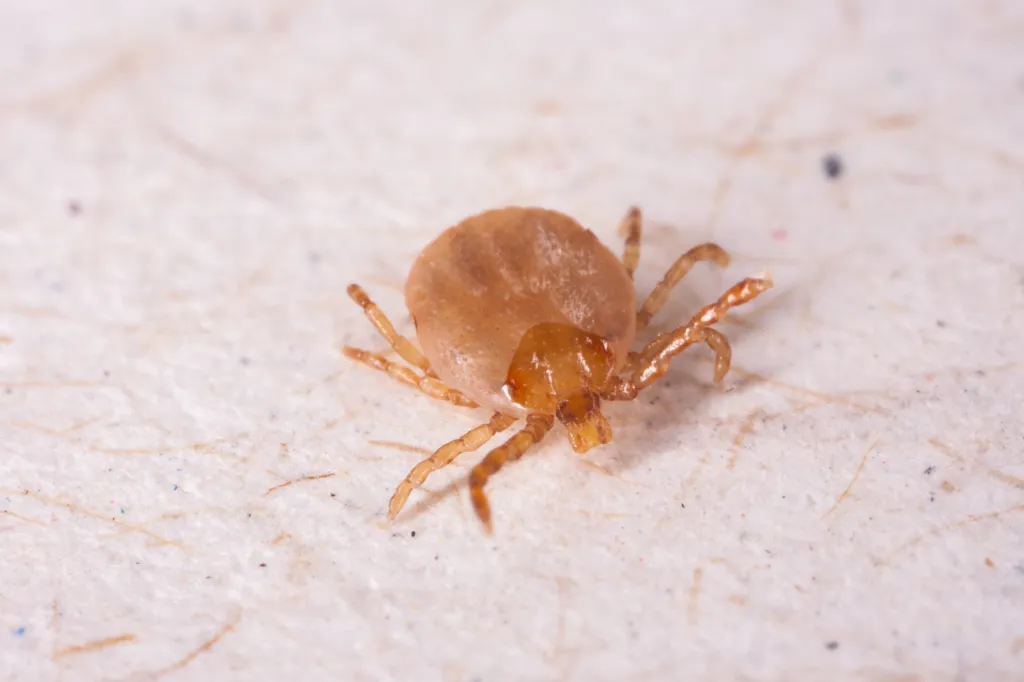
While it primarily affects wildlife — such as rabbits, hares, and rodents — ticks and deer flies frequently pick up the bacteria and transmit it to humans.
Fortunately, the illness does not spread from person to person.
County health officials identified a tick bite as the source for one of the four local infections but have not disclosed how the other patients were exposed.
This latest case follows reports from earlier this summer, which included a 9-year-old child who fell ill after being bitten by a tick.
While the disease is fairly uncommon, county health officials have tracked a small number of cases annually.
According to the Centers for Disease Control and Prevention (CDC), “Tularemia can be life-threatening, but most infections can be treated successfully with antibiotics.”

While symptoms vary depending on the method of infection, common signs include a high fever of up to 104 degrees, skin ulcers, swollen lymph nodes, and severe lung infections.
For example, the child suffered from swollen lymph nodes and a fever that lasted about 11 days, according to local news outlets.
Infections commonly occur between the months of May through September, with approximately 200 to 300 cases reported annually in the US, according to the CDC.

Prevention and treatment of rabbit fever
The CDC lists ways to help prevent tularemia, including some of the following:
- Use insect repellent.
- Wear protective clothing—such as long pants and sleeves—to prevent ticks from latching on.
- Remove ticks immediately if attached.
- When doing yard work, avoid mowing over dead animals.
- Don’t drink untreated surface water.
- Look out for common symptoms.
- If you hunt, use gloves when handling sick or dead animals.
If infected, it is best to seek medical care immediately, share all history of outdoor activities or possible contact with wild animals with your doctor, and start prescribed antibiotics right away.
The post Fourth case of rare, highly infectious ‘rabbit fever’ confirmed on Long Island appeared first on New York Post.