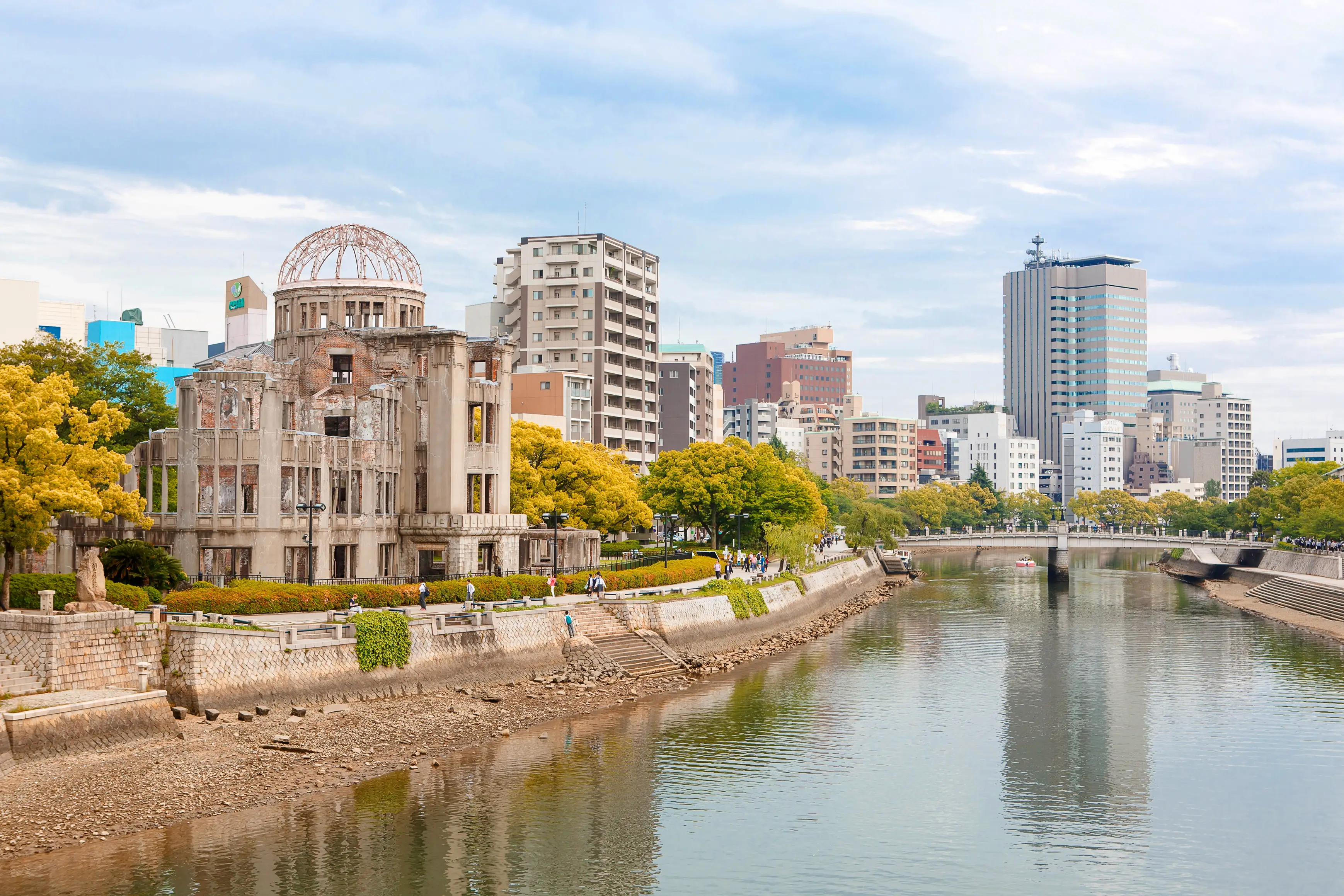
On August 6, 1945, during World War II, the US bomber Enola Gay dropped the first atomic bomb ever used in military combat on the Japanese city of Hiroshima.
The Allied forces dropped a second atomic bomb on the city of Nagasaki three days later. Less than a week later, Japan surrendered.
The device that exploded over Hiroshima destroyed about two-thirds of the city’s structures in a blinding flash of light.
At the time, Hiroshima’s population was about 300,000, the Atomic Heritage Foundation reported. The bomb immediately killed 80,000 and injured 35,000 more, and by the end of 1945, 60,000 more people had died as a result of the blast, per History.com.
Today, as other nations grow their nuclear arsenals, Hiroshima is a prosperous manufacturing hub with a population of over 1.1 million.
Here’s what the city looks like today and how the local population commemorates the lingering effects of the bombing.
On August 6, 1945, the atomic bomb nicknamed “Little Boy” flattened the city of Hiroshima.
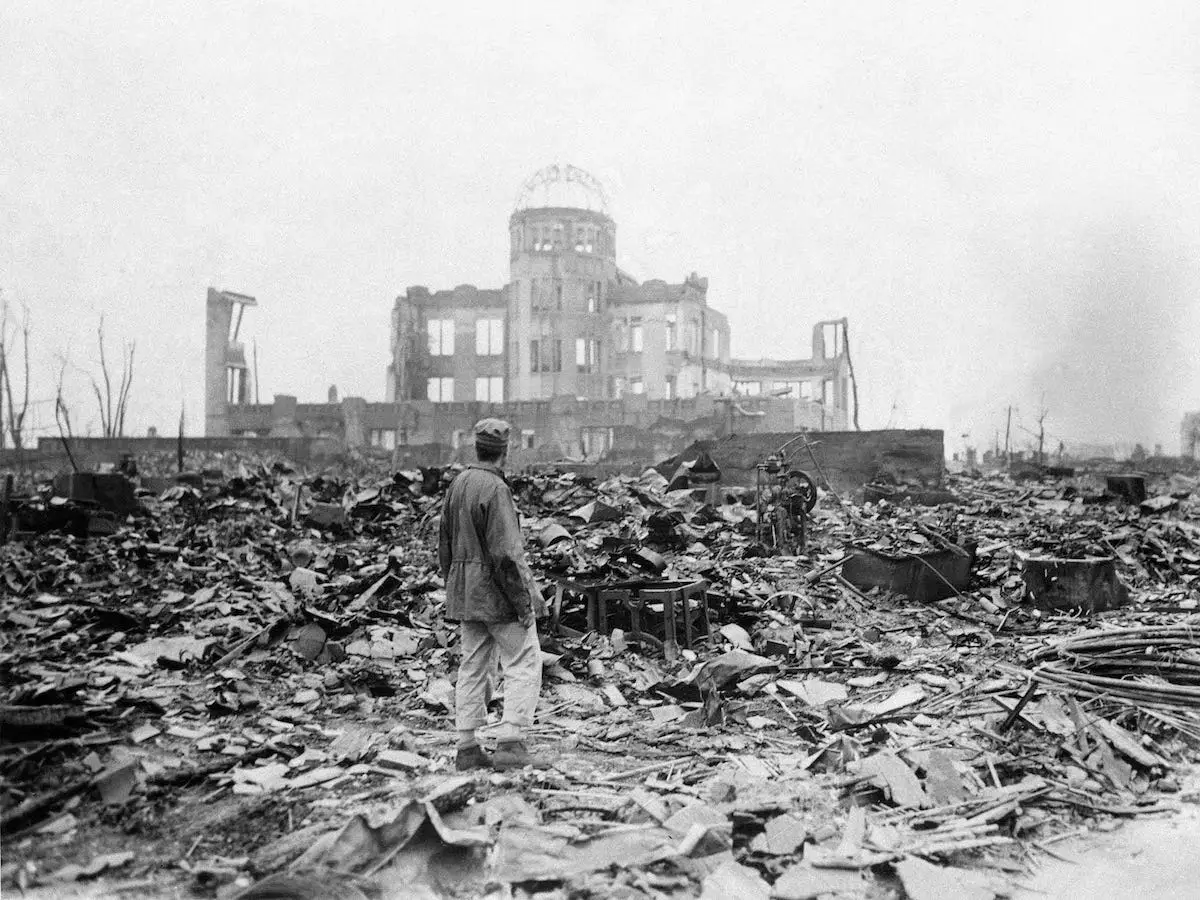
The explosion from the 10-foot-long uranium bomb wiped out 5 square miles of the city. Almost 70% of buildings in Hiroshima were demolished in the blast, as reported on AtomicArchive.com.
The Hiroshima Prefectural Industrial Promotion Hall, a multifunctional building created in 1915 that was used for research and design consultation, was one of the few buildings left standing after the blast. It became a symbol of the devastation.
Haunting shadows were left all over the city after the blast.
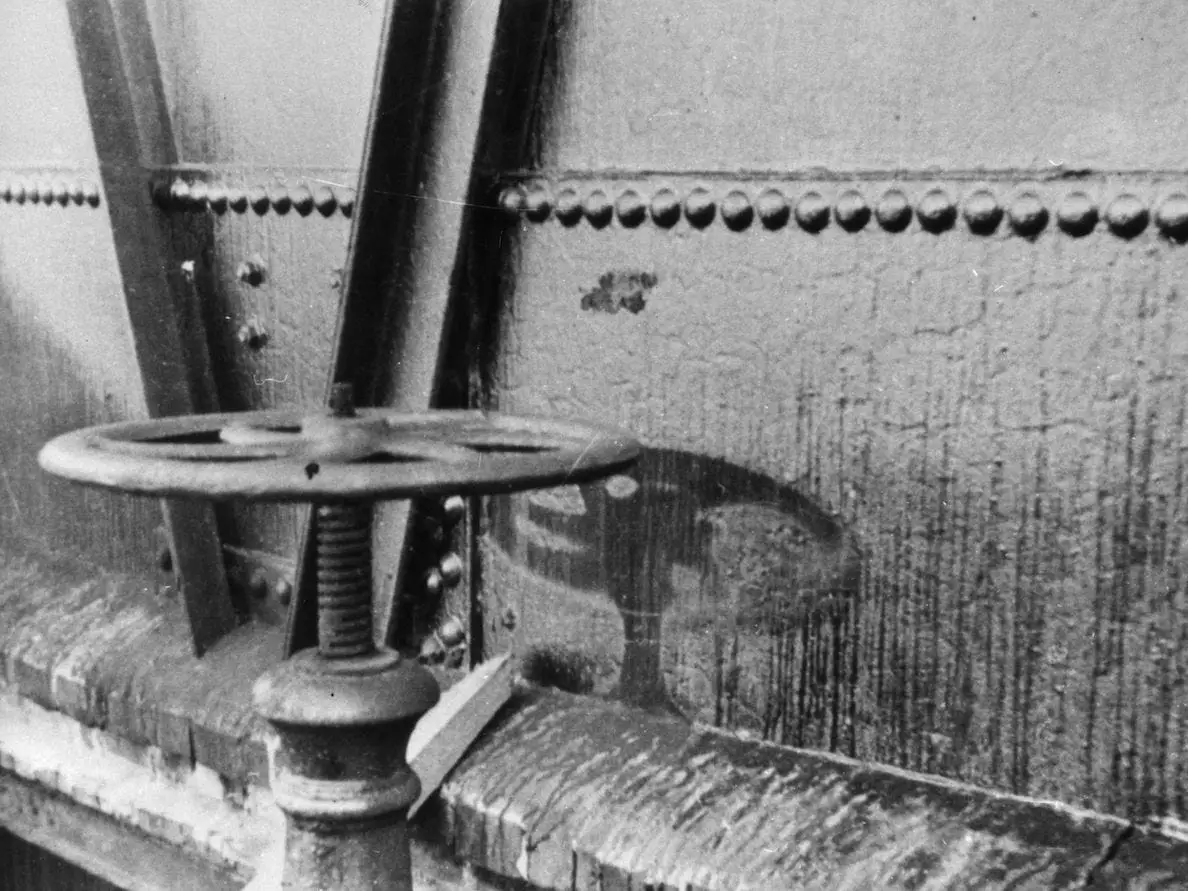
The heat from the atomic blast burned lasting shadows onto walls and pavements in the shapes of the objects in its path. The most haunting Hiroshima shadows were the outlines of victims who were going about their daily lives when the bomb was dropped.
Today, some shadows are displayed at the Hiroshima Peace Memorial Museum, like one of a hand holding onto a gas tank and one of a man sitting outside a bank waiting for it to open.
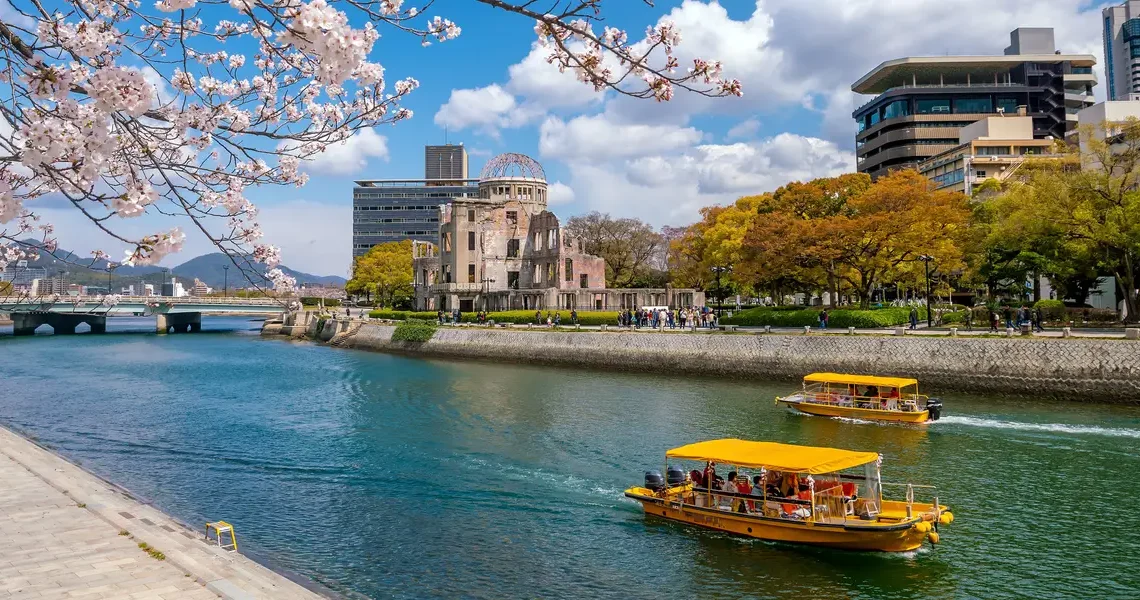
Today, the Atomic Bomb Dome stands as a reminder of the city’s painful history.
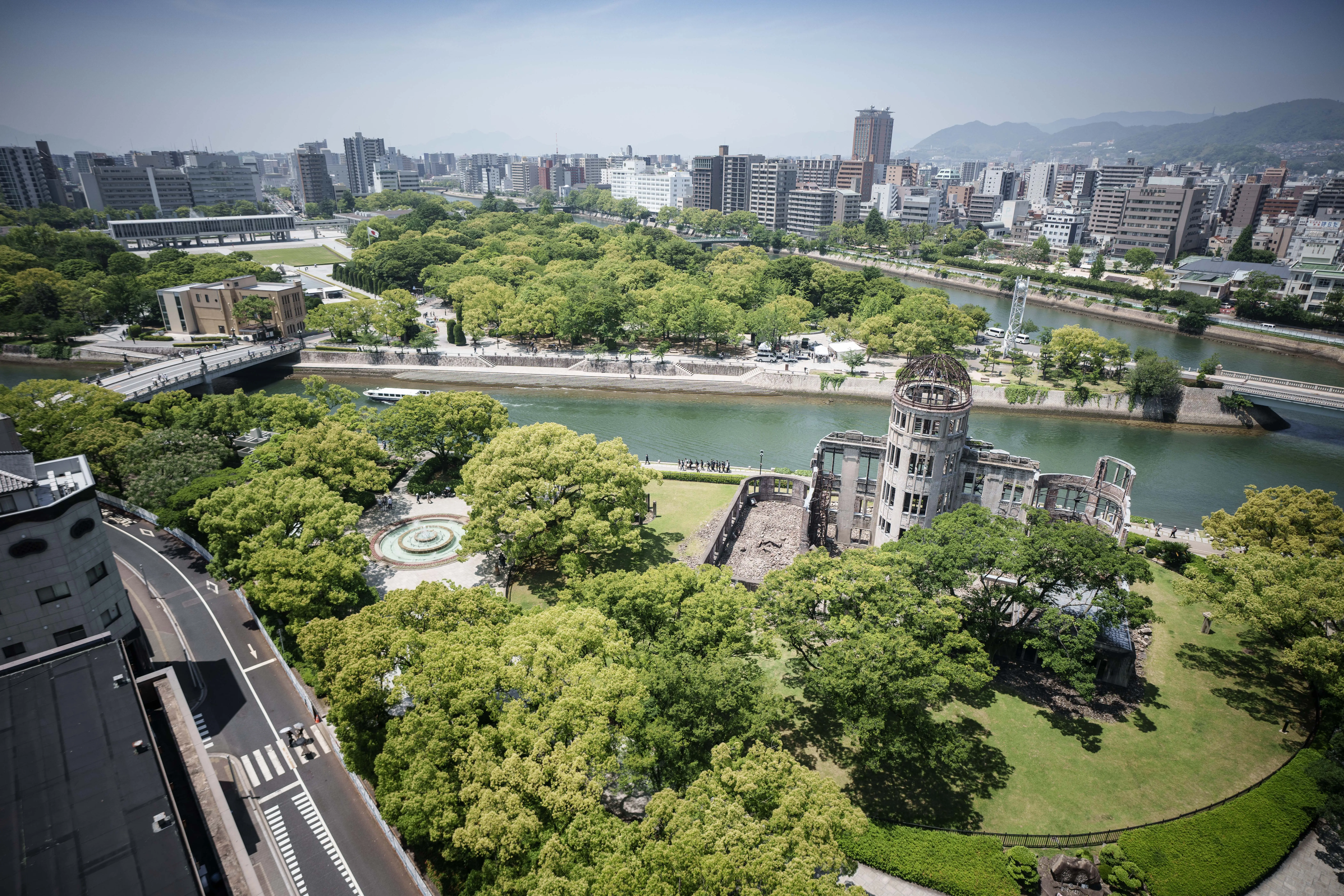
The Hiroshima Peace Memorial, which includes the remains of the Hiroshima Prefectural Industrial Promotion Hall — now called the Atomic Bomb Dome or the Genbaku Dome — is a UNESCO World Heritage site and a center for peace activism events, especially on the anniversary of the dropping of the bomb.
In 2005, Greenpeace members launched inflatable doves in front of the Atomic Bomb Dome on the day before the Hiroshima anniversary.
In the years since the blast, the city has expanded the number of peace monuments near the Dome.
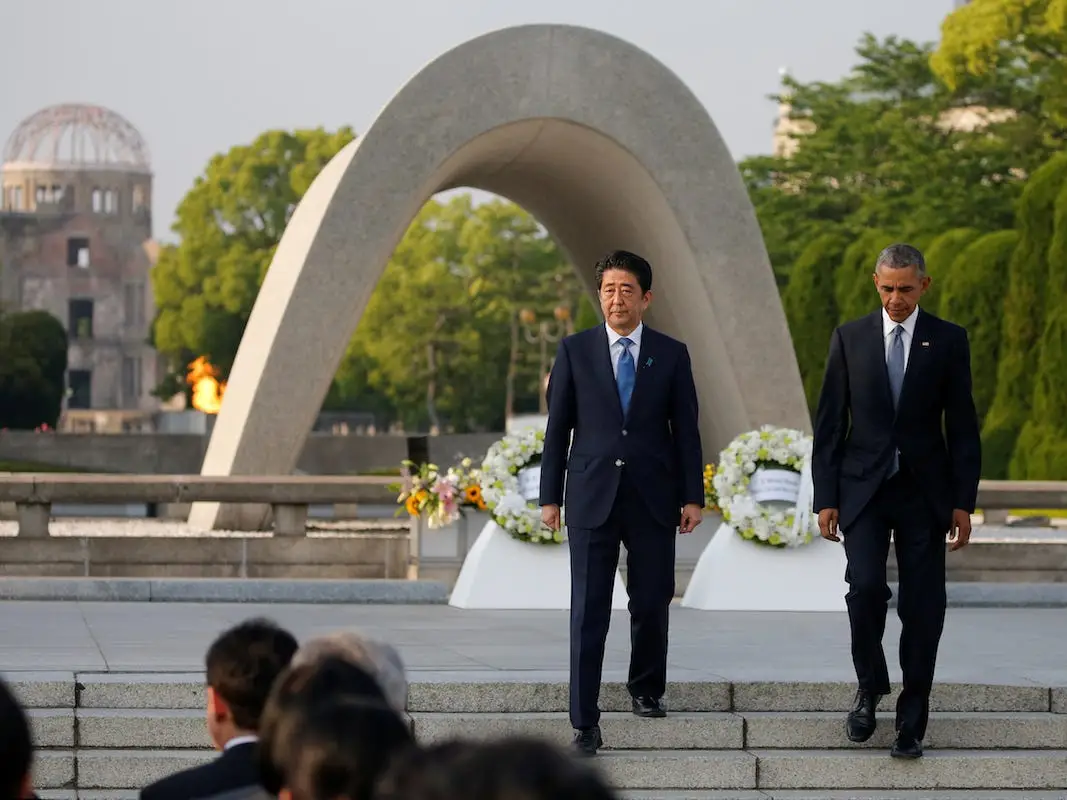
In 1952, a memorial cenotaph, or empty grave, commemorating the lives lost after the bomb was built in what is now known as the Hiroshima Peace Memorial Park. The park was built around the hypocenter of the “Little Boy” explosion, in what was once the city’s busy downtown district.
Also in the memorial park is the Hiroshima Peace Memorial Museum, the Hiroshima National Peace Memorial Hall, the Children’s Peace Monument, the Peace Flame, the Gates of Peace, and the Atomic Bomb Memorial Mound, where the cremated remains of 70,000 unidentified explosion victims rest.
In 2016, Barack Obama became the first sitting US president to travel to Hiroshima. He laid a wreath during a ceremony at Peace Memorial Park with Japan’s then-prime minister, Shinzo Abe, and greeted Hiroshima bombing survivors.
The site’s popularity has continued to grow among visitors. Ahead of the end of its fiscal year in March 2025, the Peace Memorial Museum exceeded 2 million annual visitors for the first time, The Japan Times reported. Of these visitors, nearly a third were foreigners.
Hiroshima is now a bustling city that’s home to industry giants and robust transportation links.
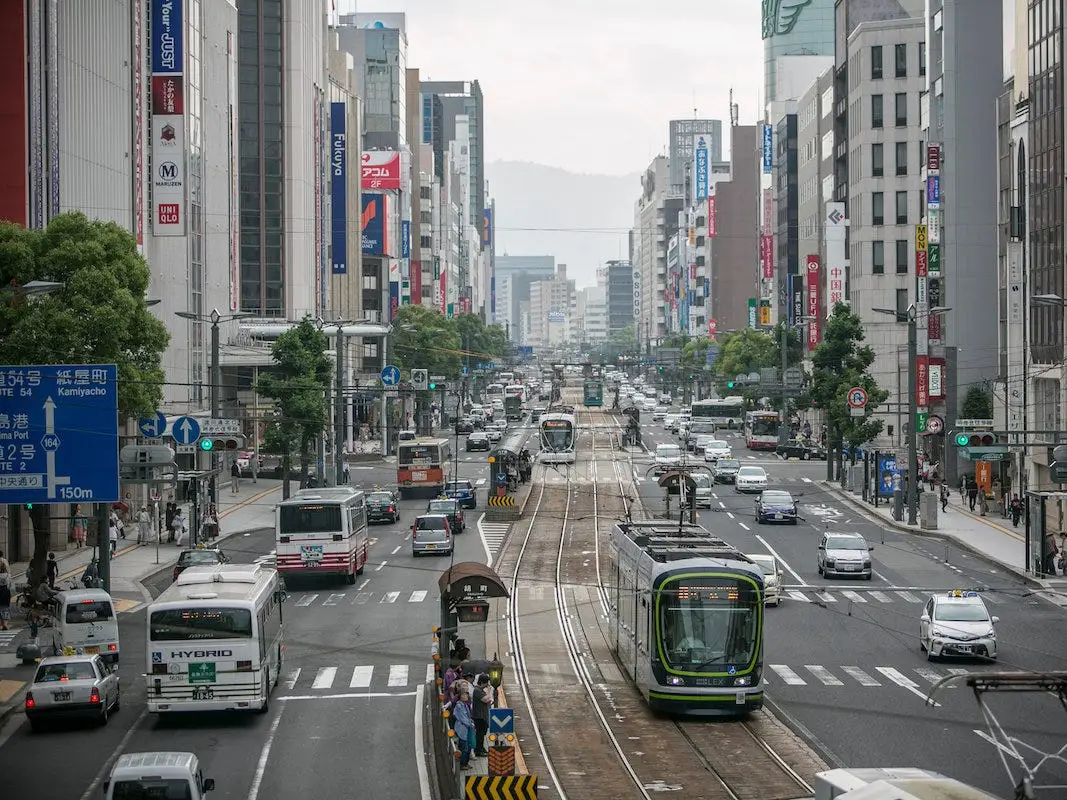
The routines of daily life in Hiroshima are much like those of any other large city in Japan.
The city, connected to Tokyo and other cities across the country by a network of high-speed bullet trains, is an industrial hub with over a million residents. The automobile manufacturer Mazda is headquartered in the city.
Hoping to keep growing and innovating, the city has launched a forward-looking planning process called Hiroshima 2045: City of Peace and Creativity, focused on designing a modern, distinctive urban landscape.
Aside from its history, Hiroshima offers visitors a distinctive food and drink scene.
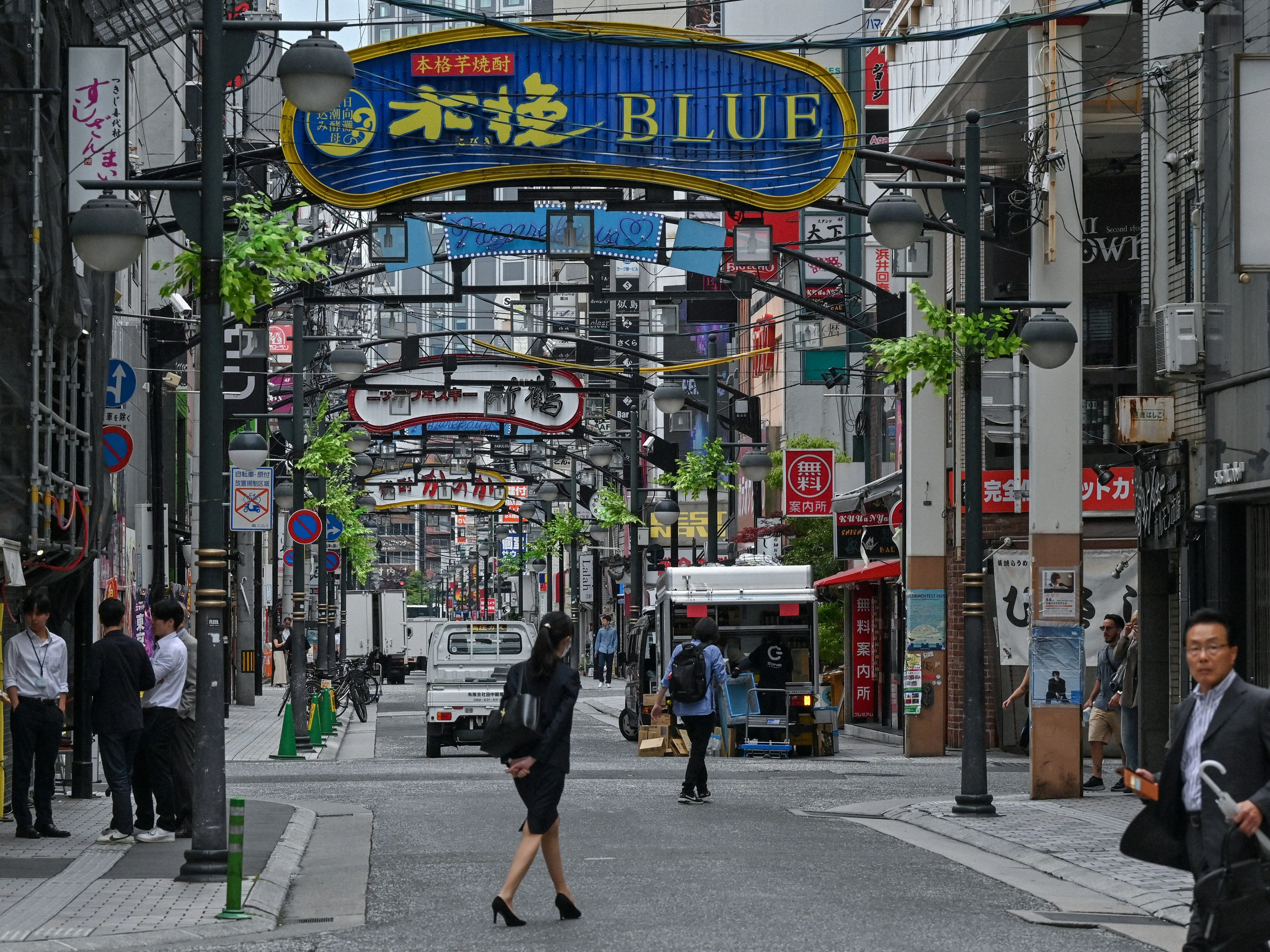
Visitors can enjoy okonomiyaki, a savory pancake often called “Hiroshima’s soul food,” while exploring the city’s lively nightlife.
Other culinary offerings of the region highlight oysters, maple-leaf-shaped red bean cakes, and red pepper cold noodles, as reported by Japan-Guide.com.
Sports fans often flock to the city for games.
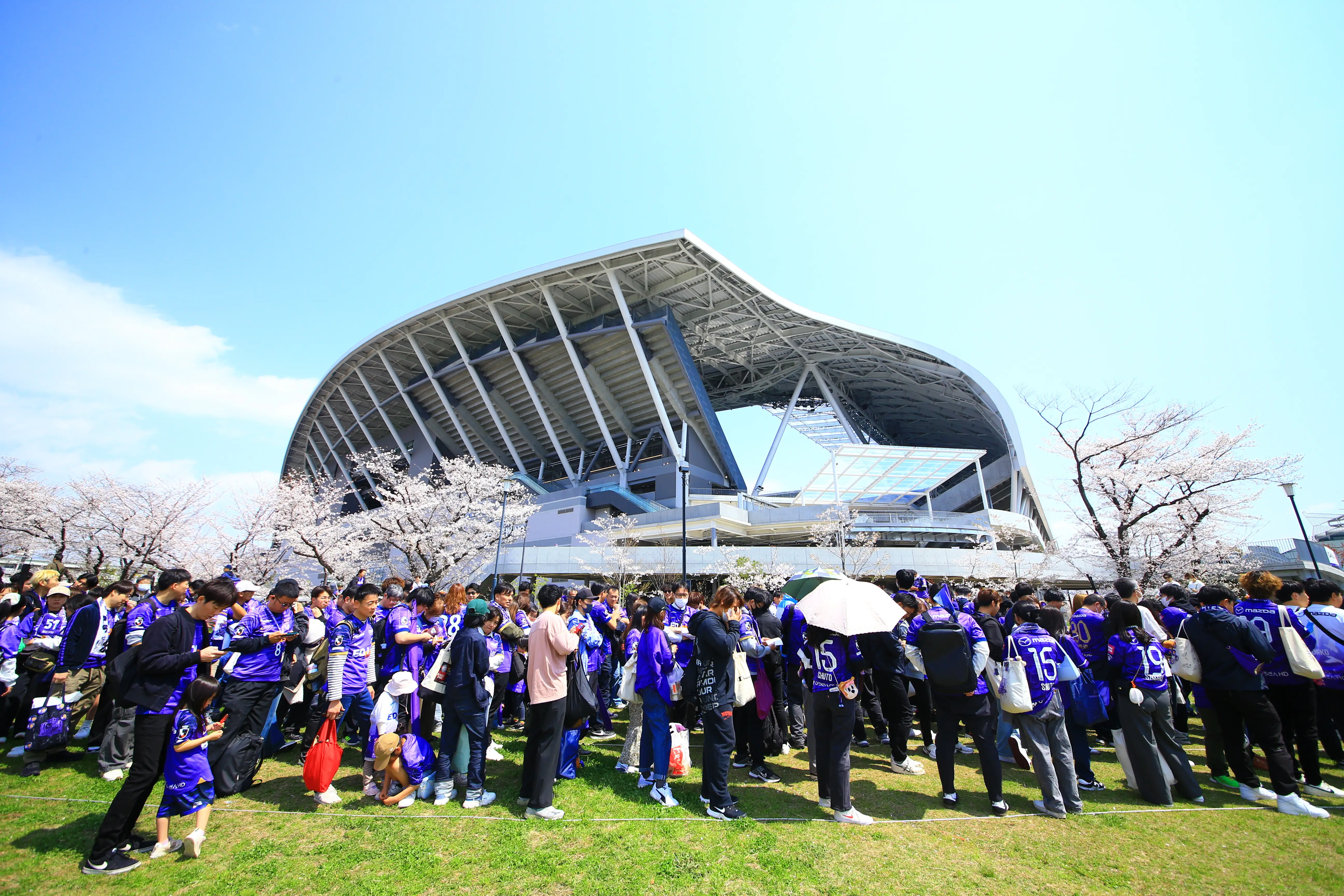
In 2024, the city of Hiroshima welcomed the Edion Peace Wing, a soccer stadium with a capacity for over 28,000 spectators and home to the professional soccer club Sanfrecce Hiroshima.
Since 2009, the Hiroshima Toyo Carp baseball team has played at Mazda Stadium, which has a capacity of about 32,000.
Both soccer and baseball are popular in the city, and sports fans often flock to the stadiums to watch their favorite teams play.
Survivors of the bombing have become advocates for disarmament and world peace.
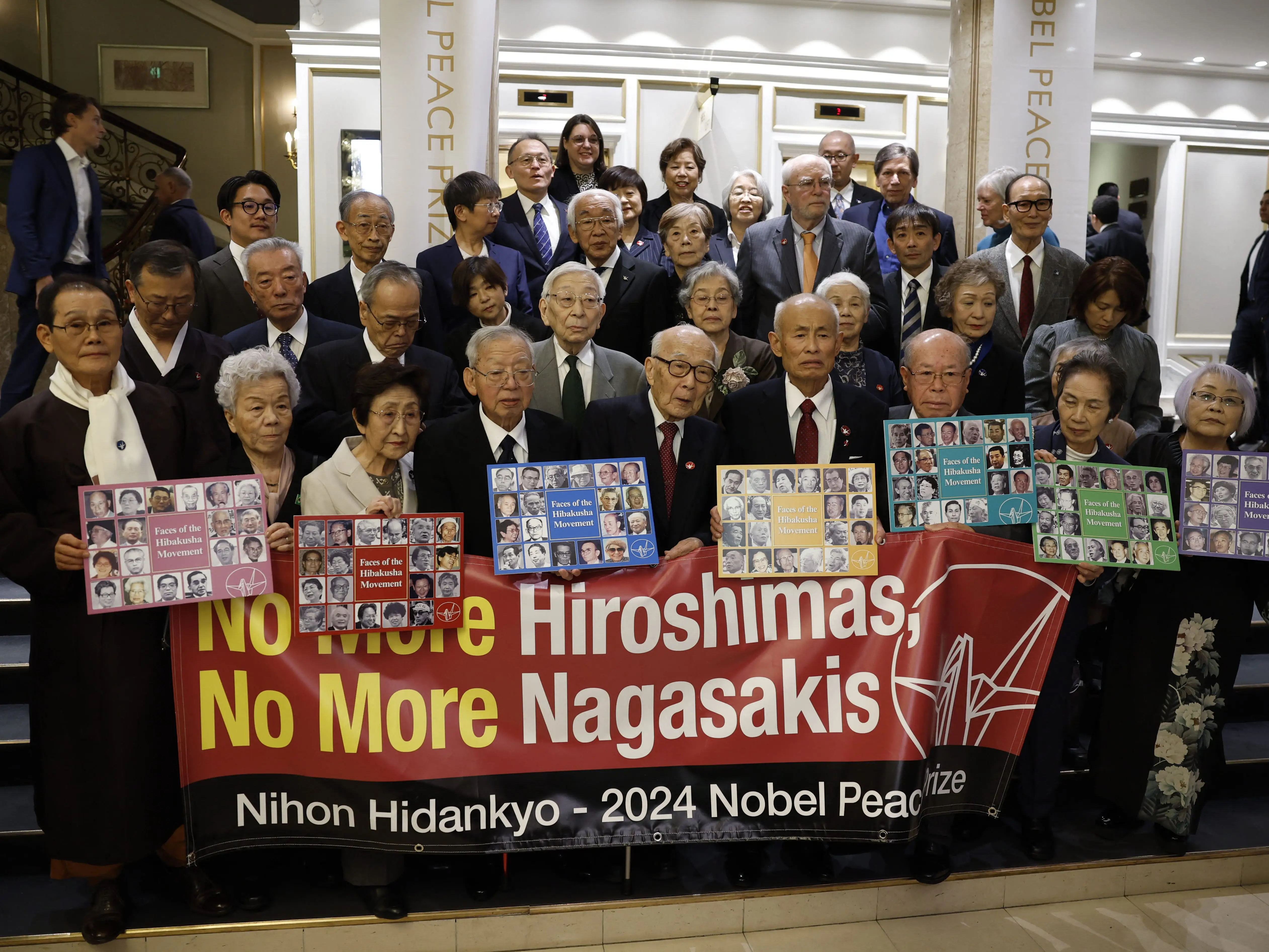
Hibakushas, or survivors of the Hiroshima and Nagasaki bombings, have become symbols for the disarmament efforts in world peace activism.
In 2024, the organization Nihon Hidankyo was awarded the Nobel Peace Prize thanks to its work in preserving survivors’ accounts and advocating for disarmament initiatives.
Previously, in 2017, the International Campaign to Abolish Nuclear Weapons (ICAN) also won the prize. Setsuko Thurlow, a hibakusha, gave a moving acceptance speech for the group in Oslo.
Every year, city residents and visitors join in remembrance ceremonies.
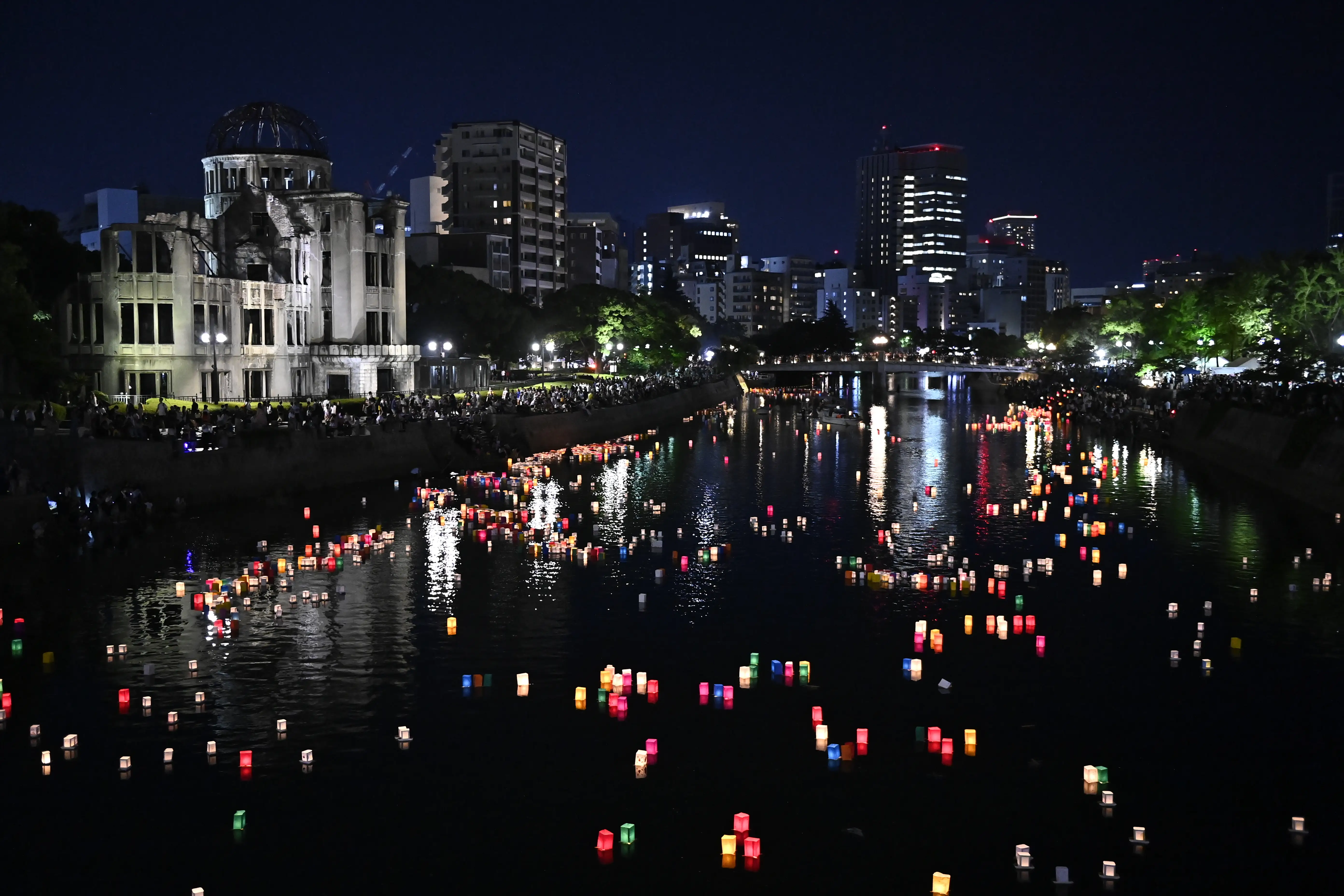
In Hiroshima, on August 6, bells ring at 8:15 a.m. — the exact moment the bomb dropped.
The bells signify the beginning of a day of remembrance ceremonies that culminate with the hauntingly beautiful Toro Nagashi festival, where hundreds of lanterns are floated down the Motoyasu River in front of the Atomic Bomb Dome.
The lanterns are a tribute to those who perished in the bombing and an assurance that Hiroshima and the world will never forget what happened there on August 6, 1945.
A version of this story was originally published in July 2018 and was most recently updated in August 2026.
Read the original article on Business Insider
The post Here’s what Hiroshima looks like today, 81 years after the atomic bomb appeared first on Business Insider.