Prices are set by supply and demand. That economic law is as fundamental as they come, but not for the first time, President Donald Trump is acting like he’s above the law.
Trump ripped into energy giants Chevron and ExxonMobil this week for windfall profits amid the Iran war: Chevron reported a quarterly record of $12.1 billion, and ExxonMobil’s $14.5 billion nearly doubled last year’s second quarter profit.
“They’re making too much money based on a shortage,” the president complained in the Oval Office. “They ought to give some of that back to the public, and they better cut the retail price.”
Oil prices fluctuate constantly. Relatively minor changes to demand can cause big price moves. Major changes, like a pandemic or war, have a far more substantial impact. Exxon reported a record loss of $22.4 billion in 2020, as demand for its product plummeted. Chevron reported a loss of $5.5 billion.
The Strait of Hormuz, which accounts for 20 percentof the world’s oil trade, remains largely shut down, driving up the global price.
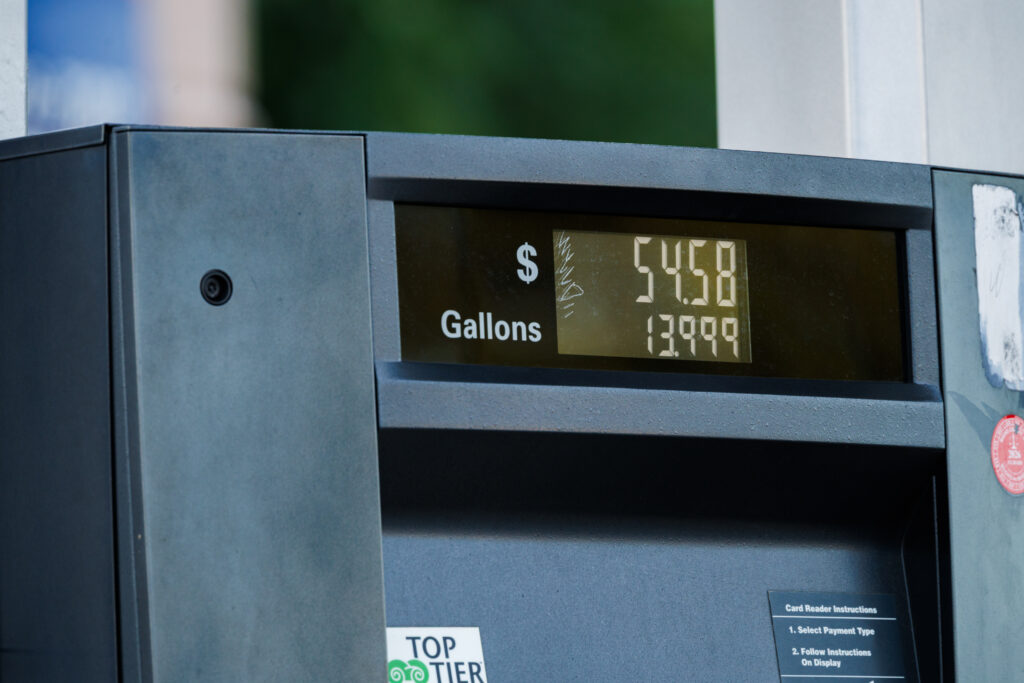
The president might have considered this obvious consequence before he attacked Iran in February and failed to quickly establish American control over the strait. Prices at the pump being roughly $1 higher today per gallon than they were a year ago is the result of decisions made in Washington, not by the oil majors.
Moreover, there are far worse problems for the White House to concern itself with than American companies experiencing success, which benefits shareholders and employees. They also help fill the government’s coffers. “Federal mineral development,” which includes oil and gas leases, is the second-largest source of annual revenue for the U.S. Treasury.
Threatening to go after oil profits risks undermining future investment. Just last week, BP announced plans to sell its business in the North Sea. Thanks to a 2022 windfall tax brought in under the Conservative British government, the headline tax rate on oil and gas production in the United Kingdom is 78 percent.
Still, Trump said he doesn’t like seeing oil companies making too much profit, adding that he “should be the last one to say” so because he is an “enterprise guy.” Yet the president has made tariffs the centerpiece of his economic agenda, taken government stakes in private companies and praised New York’s socialist mayor in the Oval Office.
A vital lesson from the war in Iran is that America needs an abundant supply of every form of energy the market can produce. Gas prices would be much higher right now, for example, if progressives had succeeded at stopping fracking a few years ago.
If the president really wants to bring down prices, he should focus on expanding the supply of oil at home and abroad.
The post Gas prices rose because of Trump’s Iran war, not oil company greed appeared first on Washington Post.