One of the most powerful forces in American politics is about to face a major test of its influence — and it may well come up short.
The American Israel Public Affairs Committee, or AIPAC, has for decades spent heavily to ensure that US policy remains strongly supportive of the Israeli government. The group has spent hundreds of millions of dollars on lobbying and elections to stock Congress with allies and keep them supportive of Israel’s policy priorities once they’re there. It also tries to defeat elected officials and candidates who, in its view, are too supportive of the Palestinian cause or too critical of Israel’s Gaza war.
Next week’s Democratic Senate primary in Michigan is AIPAC’s biggest-ever investment in a single election: The group has spent more than $30 million to defeat staunch Israel critic Abdul El-Sayed and to try to ensure Rep. Haley Stevens wins the Democratic nomination instead.
In the past, AIPAC has very often gotten its way. But this time may be different. El-Sayed has been explicitly running against AIPAC, arguing that the group’s heavy investment in the race discredits his opponent — and trying to capitalize on the Democratic base’s sharp turn against Israel due to the devastation of the Gaza war. And if polling is any indication, it seems to be working. Several recent surveys show El-Sayed with a double-digit lead.
If he wins, it would arguably be AIPAC’s worst-ever defeat. It could also mean we’re in a new chapter of politics, where the group’s heavy spending is less and less effective — and even potentially toxic to voters in the Democratic base.
What has changed, and how could these changes reshape politics?
To understand the influence of AIPAC — what it’s like to go up against the group, and also how its power may be ebbing — we spoke to a Michigan politician who ended up on their bad side, crossing the group on the Israel issue and then losing his seat. (In fact, he lost it to the very candidate AIPAC is boosting in next week’s Senate contest: Haley Stevens.)
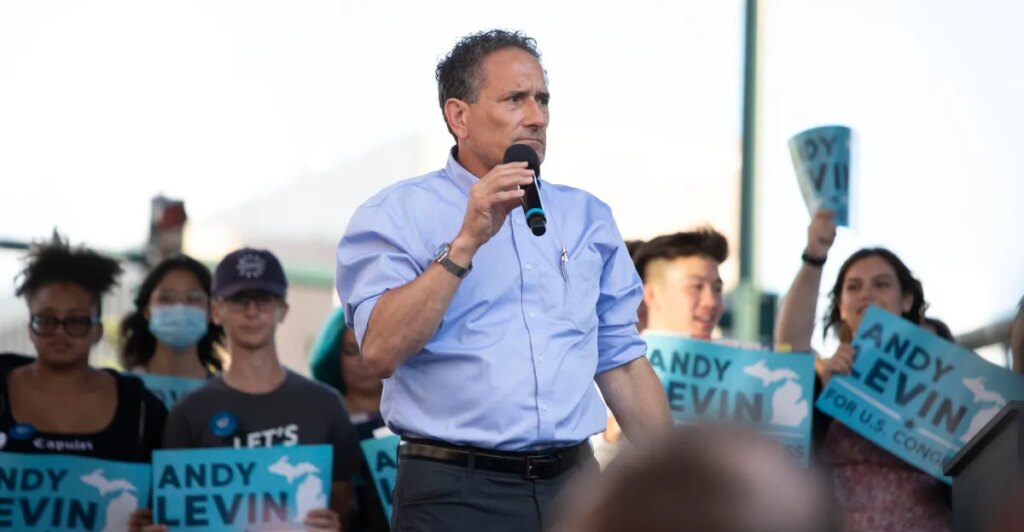
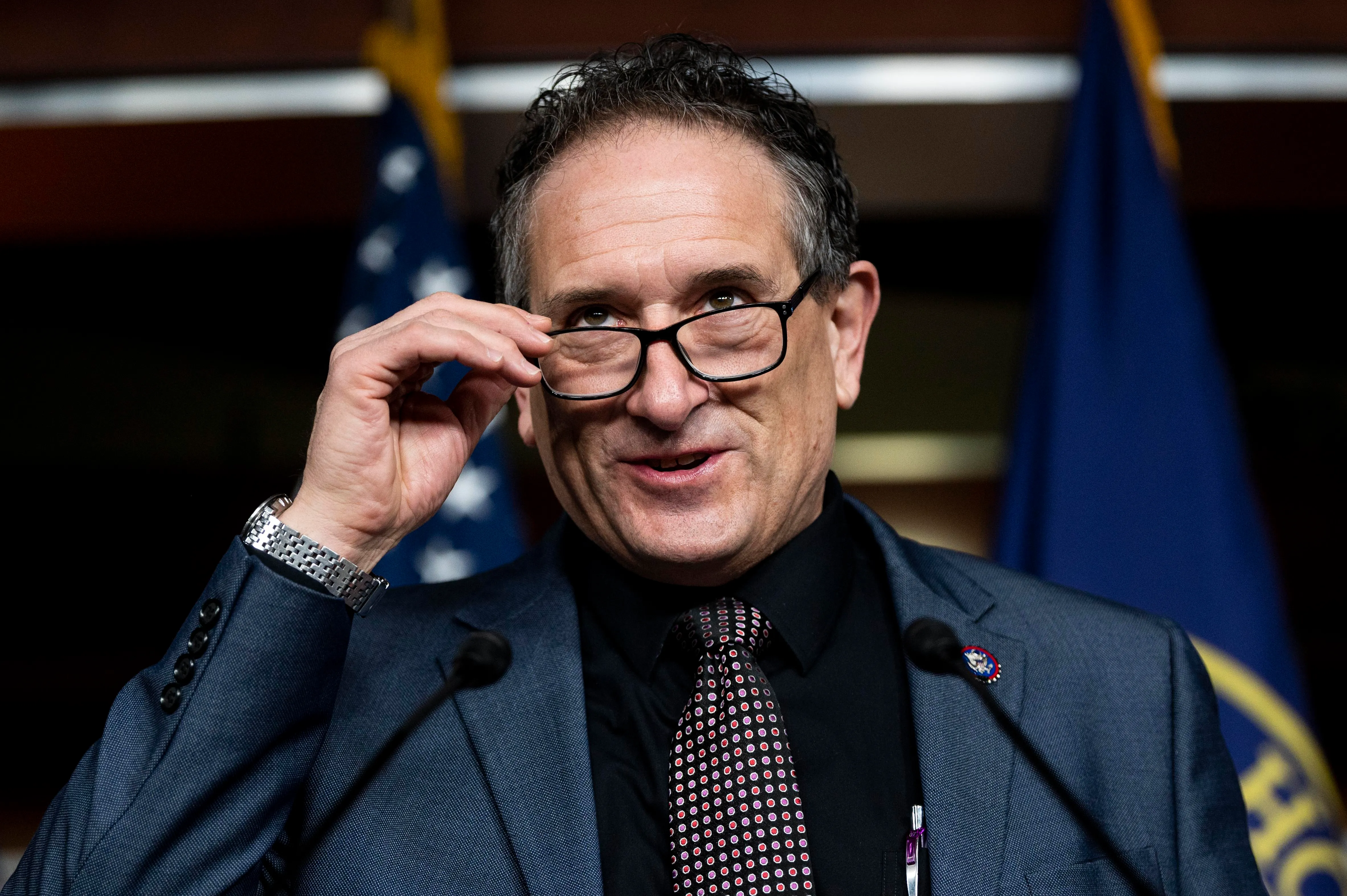
Andy Levin was a two-term congressional incumbent and scion of a Michigan Jewish political dynasty — he succeeded his father, Sander Levin, who had served in the House for decades. Andy’s uncle, Carl Levin, had served in the Senate for decades as well; both held high-profile committee chairships.
But once in Congress, Andy Levin staked out positions on Israel that spurred furious pushback from AIPAC. A former president of the group declared he was “arguably the most corrosive member of Congress to the US-Israel relationship.
And when, after redistricting, he and his colleague Rep. Stevens ended up running against each other in the same primary, AIPAC spent more than $4 million to boost her chances, successfully knocking Levin out of Congress.
Levin is an enthusiastic supporter of El-Sayed, and was in the car on his way to canvas for him when we spoke Thursday. Our conversation, which has been condensed and edited, follows.
How Rep. Andy Levin ran afoul of AIPAC
Tell me about your history and how you’ve thought about the Israeli-Palestinian issue over the years.
I guess the thing to understand is, I’m Jewish, right? You know what a mezuzah is? I had mezuzot on all my doors in Congress. I was the president of my synagogue until I won my primary, and then I felt I had to resign and turn that over.
I am a long, long, longtime human rights activist. My human rights grounding comes from my values as a Jew. Everyone’s created the image of God, you know, and all this. “Justice, justice shall you pursue.” Not a lot of words are repeated twice in the Torah.
So I was active on Tibetan human rights and Haitian human rights. I was in China during the Tiananmen massacre. I interviewed the Dalai Lama. In 1990, as a graduate student, I went to Israel and Palestine. We traveled all over Israel, and we could go in Gaza, there was no Hamas yet. We met the political leaders there and talked to everybody in the West Bank.
And I came home, and I wrote an article in the Detroit Jewish News that said, “Oh my God, 23 years of occupation, this is enough. It’s totally toxic. It’s bad for our soul as the Jewish people, and there’s no solution to the Israeli-Palestinian conflict without fully realizing the political and human rights of the Palestinians.”
My positions never really changed. But after a quarter century of Bibi [Netanyahu] being the Israeli government — he’s always been against the two-state solution, no question, but he pussyfooted around; he played a lot of games about it. But his government’s gotten more and more right-wing. And in this century, no president of either party has done anything significant to force the Israelis and the Palestinians into each other’s arms, or just to, like, really negotiate.
So you get elected to Congress in 2018. How did you earn the enmity of AIPAC?
I get to Congress. I get on the Foreign Affairs Committee. And the Gaza war before this one happens [in 2021]. It was like a pimple compared to this, but it was terrible.
In the House, there were eight more senior Democrats who worked on Israel and Palestine together. I was, like, the kid; they let me tag along. We were all J Street-aligned [J Street is a more progressive Israel advocacy group].
There were these meetings, and everyone was like, we have to do reconstruction of Gaza, we have to do aid. And I’m like, okay, I’m for all that. But this is just an endless cycle of violence. I want to focus on ending the cycle of violence and actually achieving peace.
So I wrote the Two-State Solution Act. And, dude, it was quite a milquetoast piece of legislation, if I may say so. It was not adequate in any way. But the preamble said, “whereas” — you know, all the “whereas”-es [rhetorical throat-clearing at the beginning of legislation], which aren’t an effective part of it — it said, whereas Gaza and the West Bank and East Jerusalem, under international law and United Nations resolutions, these are occupied territory.
The Democratic Majority for Israel pollster, Mark Mellman, attacked me, saying, Andy Levin says we shouldn’t be able to pray on the Western Wall. Because of that preamble, which said East Jerusalem was occupied territory arguably — it’s ridiculous.
But with the Two-State Solution Act — this is the stranglehold that AIPAC had. Some people are sort of more intellectually serious in Congress, and some are less. Some are more like, they study things themselves, but some are more staff-driven.
Some of the more serious people came up to me and said they read the Two-State Solution Act, and they said really nice things about it. And then they said, “But of course I can’t co-sponsor it, you understand.” One colleague came and co-sponsored, but because AIPAC said “dude, no,” he withdrew.
How Levin lost to Haley Stevens — who was aided by AIPAC’s spending — in 2022
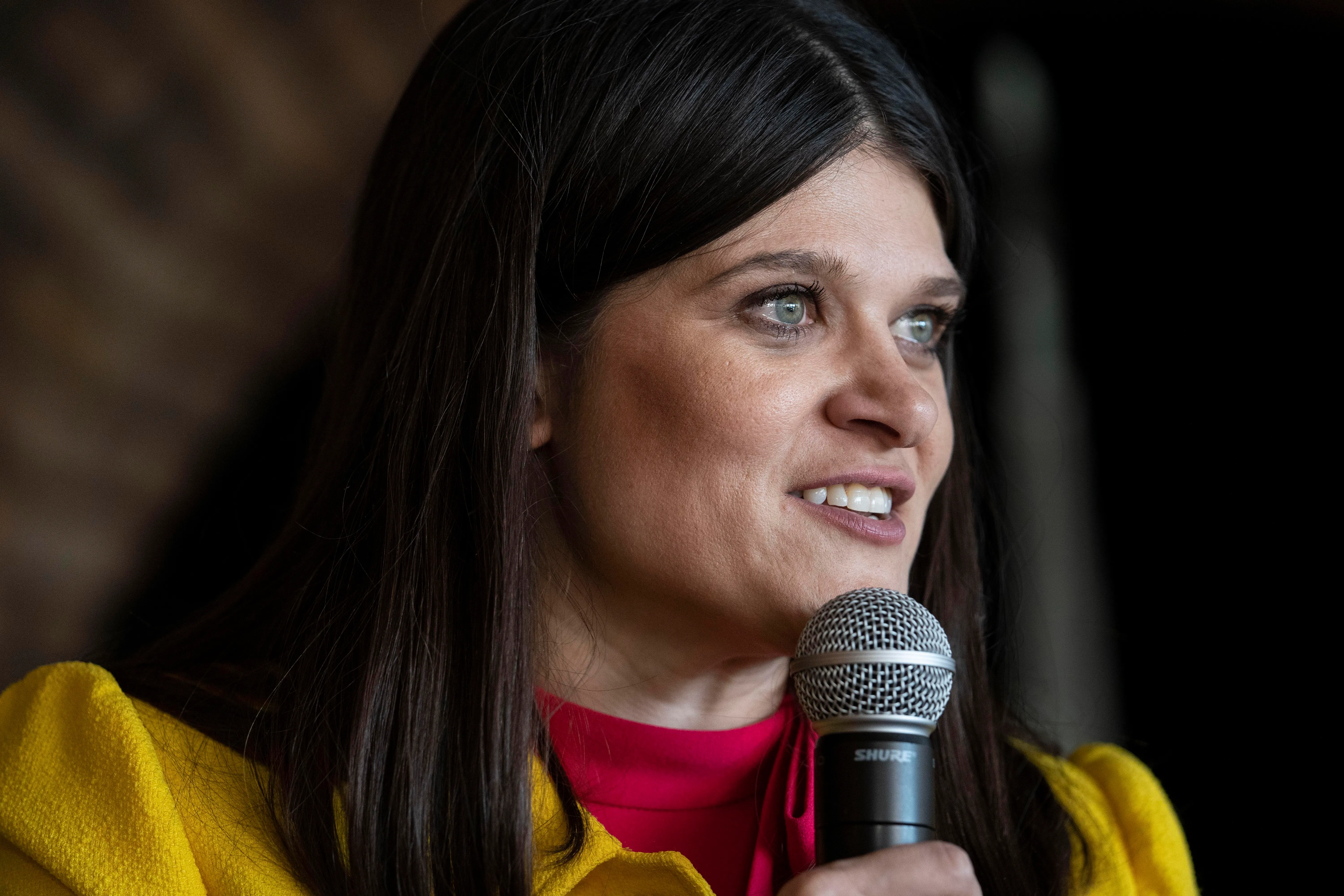
So then, in the 2022 cycle, there was redistricting, and you and your colleague Haley Stevens ended up running in the same district, and that’s when AIPAC tries to defeat you.
After the Census, Michigan went from 14 to 13 seats. Haley and I were mushed in together now. You could have argued that either of us should’ve run in the new, current, 10th district. Haley lived in the 10th district; she was more moderate, and that’s a more Republican or mixed district. I never represented any of that.
My case was, I lived in the center of the new 11th district; I still live there. My kids are the fifth generation of my family to live in the new 11th district. The whole Jewish community is almost all in the new 11th district, overwhelmingly.
But the former national president of AIPAC wrote this fundraising appeal for Haley and said, Andy Levin is the most corrosive member of Congress for the US-Israel relationship.
So the level of threat they saw in me — if you get a Rashida [Tlaib] or even if you get an Abdul [El-Sayed], they’ll fight against them. But I’m the Jewish guy, right? I’m the son of Sander Levin, the nephew of Carl Levin.
They were these two Jewish kids from Detroit, grandsons of immigrants, who rose to be, at the same time, the chair of the [House] Ways and Means Committee — my dad — and the chair of the [Senate] Armed Services Committee. So this is super threatening to AIPAC, right? So they targeted me.
So I got trounced by Haley. And I wondered afterward; I told Celinda [pollster Celinda Lake], I should have run in the new 10th district because this intramural fight was so horrible, so unpleasant. She said, I admit it would’ve been better — but I don’t admit you would’ve won in the 10th. Because AIPAC would have backed [Republican nominee] John James, and they would have spent any amount of money to beat you.
Why the politics of Israel changed — and why he thinks Abdul El-Sayed has a better shot at winning, including in the fall
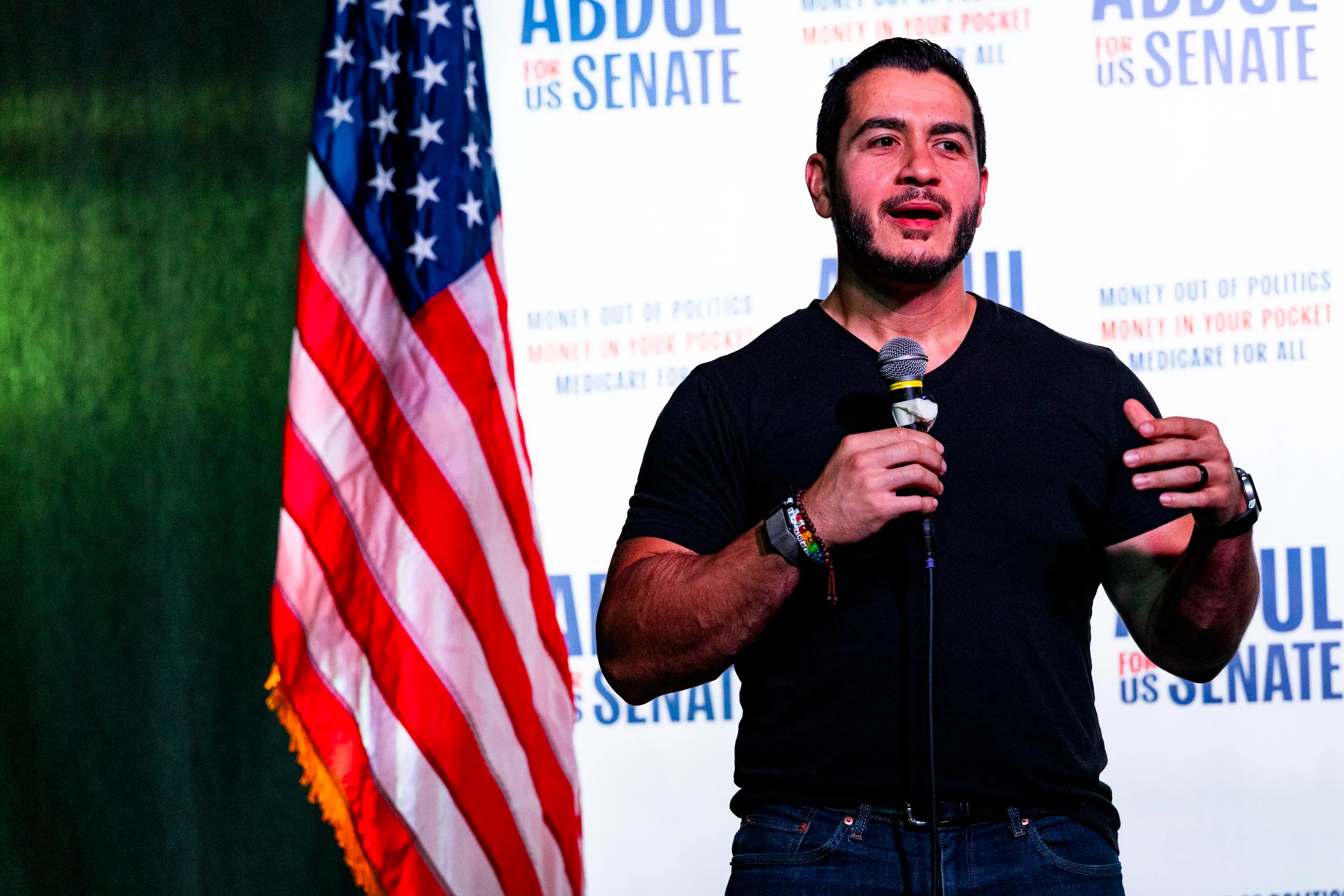
You lost your race, but it certainly seems like, four years on, your views are winning inside the Democratic Party. The party base increasingly seems to be siding with you and against AIPAC now. Take me through what changed since then.
Horrifying things caused the change. Genocide caused the change. Seventy thousand-plus Palestinians killed in Gaza caused the change. Most houses of worship, university buildings, hospitals, residential buildings being destroyed, and the US either providing the weapons for or even paying for a lot of this.
These huge bombs, which US military leadership said, we don’t use those in populated areas — we’re providing them to Israel, and not only was Israel using them like on apartment blocks, they were using them on places they told people to flee. Any parent seeing all these maimed and killed children — and, what’s happening on the West Bank is horrifying, right? That’s part of it.
But the other part is, it gets mixed in with the larger, horrifying phenomenon of dark money, and corporate money, and special interest money in our politics.
I mean, the idea that AIPAC is using mostly dollars from Republican centimillionaires and billionaires to be the biggest spender in Democratic primaries — that’s so gross, and it’s a huge problem for the Democratic Party and also for our democracy.
Most people don’t vote on Israel and Palestine at all; they vote on their pocketbook, on their kids, on their neighborhood, on inflation, on jobs. We’re at a really huge gathering crisis about income and wealth inequality in America.
So we need three things, really, in candidates this year: authenticity, boldness about policy proposals, and truth-telling. I think this year, people are so fed up with politics as usual. And can you imagine? Honestly, can you imagine Abdul could win when they’re spending $80 million to beat him?
Why do you think he’s able to pull that off — if he is? The election isn’t over, of course, but it’s on Tuesday, and the latest polling has shown him with a double-digit lead.
Sometimes the amount of money, it does become a little bit of a story in itself. Of the money being spent on Haley Stevens’s behalf, what percentage is going to be money she raised outside of AIPAC, and what percent is going to be dark money of one kind or another?
But one of my biggest things about this election is this notion about how to win in November, which drives me out of my mind. The idea is, the liberals are gonna vote for the Democrat. The MAGA people are going to vote for the Republicans. Therefore, it’s all about the independents. It’s all about the people in the middle. Therefore, we must run to the mushy middle to win.
It’s a static idea of the electorate, right? They call Michigan a swing state. What is a swing? The whole beauty of the swing — when you’re a kid, you go so high, you go all the way to the back, and you feel like you’re weightless for a second, and you go all the way to the front. That’s swinging.
That’s what Michigan does. [In presidential primaries], this state voted to nominate George Wallace in 1972. We voted to nominate Jesse Jackson in 1988. And Bernie Sanders in 2016.
Abdul can attract voters across the political spectrum who hate the system. He’s so different than Trump, but they look at him and are like, well, nobody’s going to fuck with him. I don’t think he’s going to kowtow to anybody or just do what anybody says. I think he’s gonna do his own thing, and it will be entertaining to watch this.
I think that actually Abdul can expand the electorate, and he’s the better candidate. We must win this seat in November. Abdul’s the better choice.
The post AIPAC helped knock him out of Congress. Now, he says, they’re losing. appeared first on Vox.