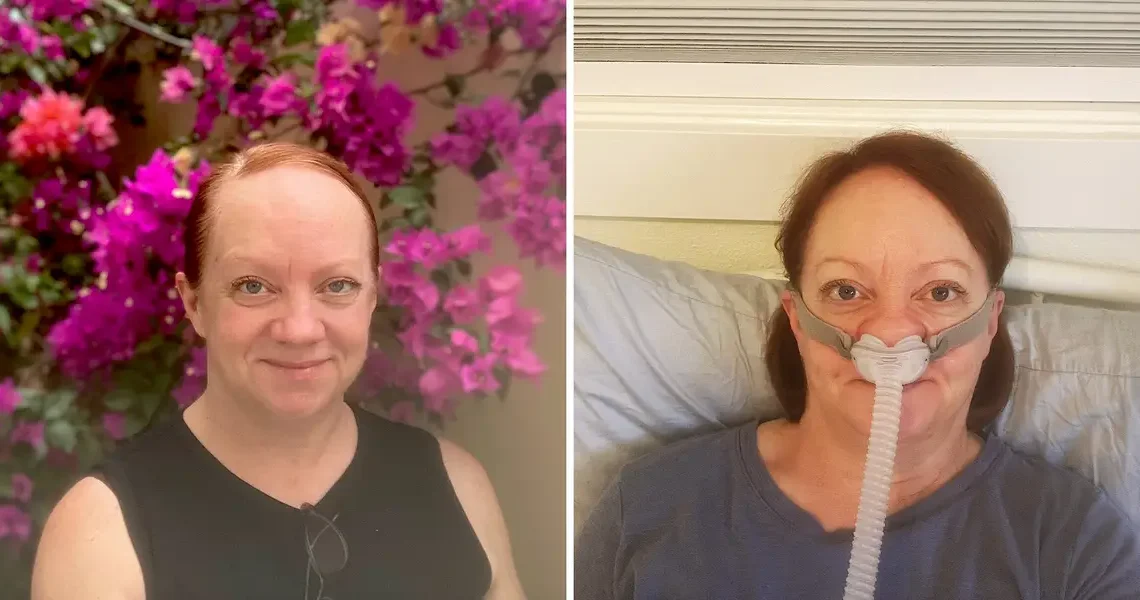
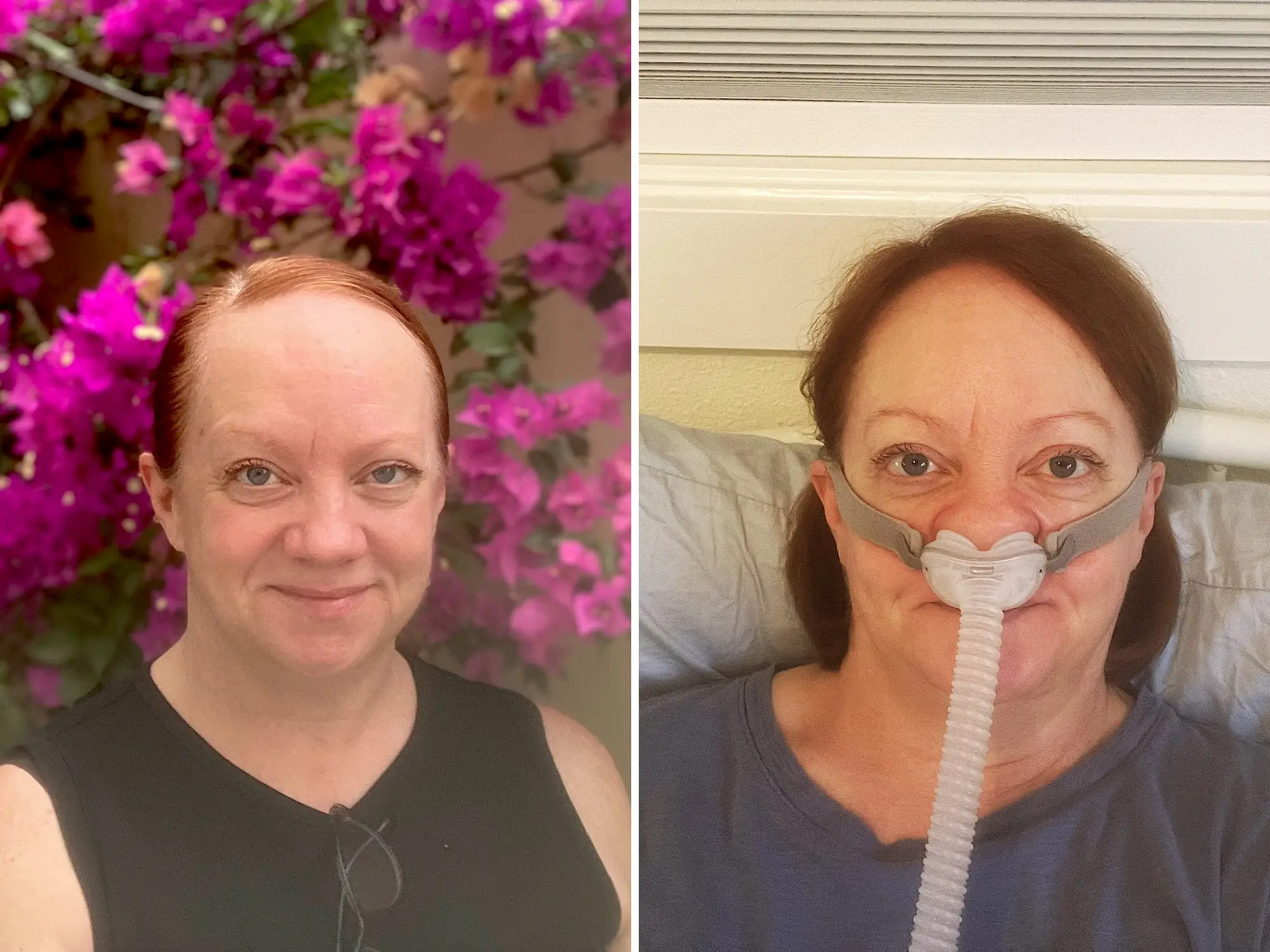
As a 48-year-old single mom working full-time and raising two teenagers in Seattle, one of America’s most expensive cities, I was exhausted. I’d recently represented myself in a prolonged divorce and custody case, was struggling to make a living as a freelance communications consultant, and worried constantly about how to pay the bills.
I desperately wanted to improve my circumstances, but I was just too tired. I felt overwhelmed, with no way out, when all I wanted to do was nap.
My world felt like it was getting smaller by the day as my inner critic suggested, “Maybe you’re just lazy.”
I thought this was what midlife was supposed to feel like
When my boyfriend and I vacationed in Hawaii for two weeks, all I wanted to do was sleep, but even that was thwarted by his loud, chronic snoring.
At the end of the vacation, instead of feeling rested and relaxed, I was so stressed that I threatened to end the relationship if he didn’t get it checked out immediately.
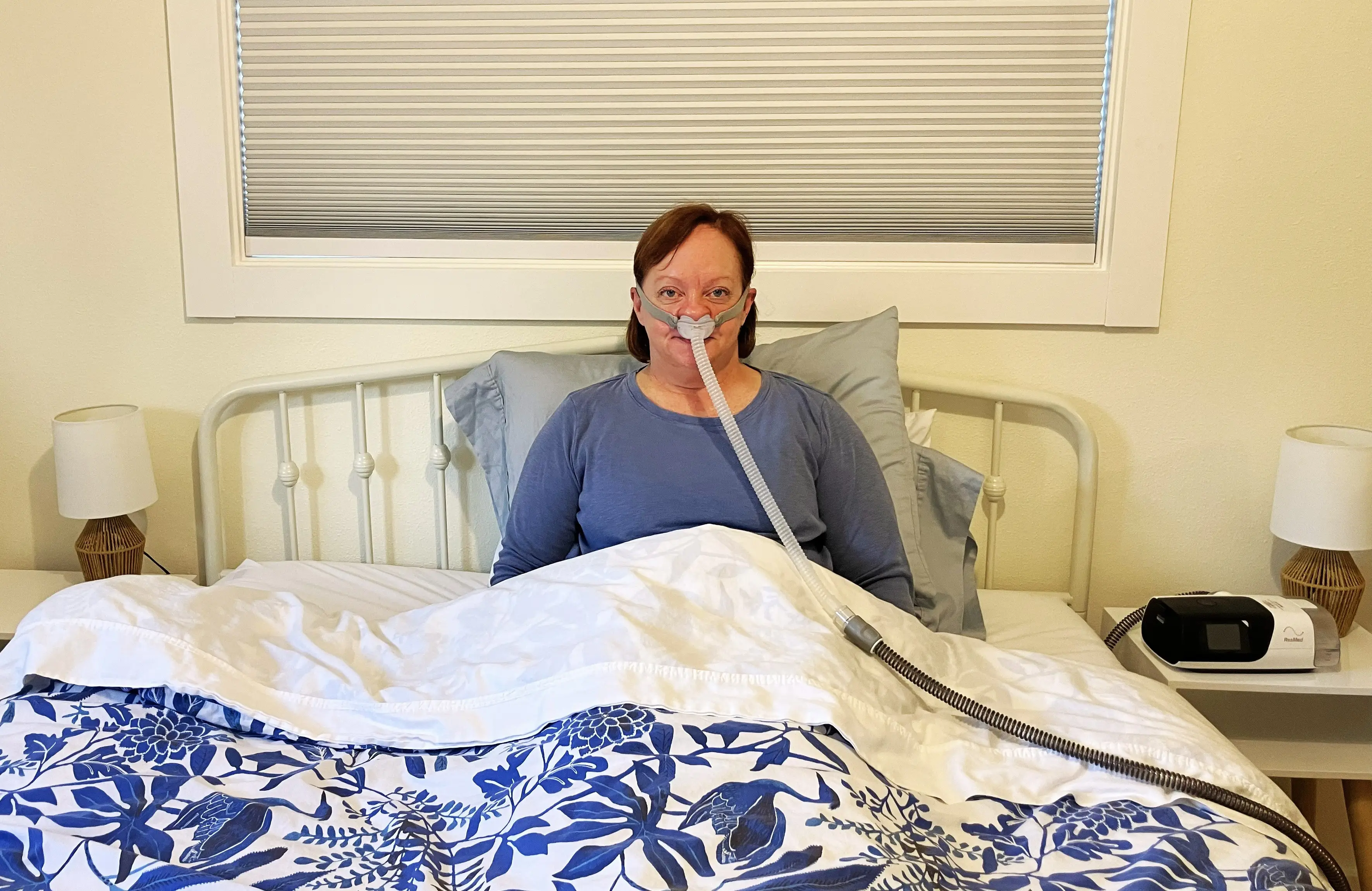
When we returned home, he was diagnosed with obstructive sleep apnea (OSA) and started treating it with a CPAP machine.
Once he began sleeping better, he noticed that I, too, was snoring and gasping for air at night, which surprised me since I associated the condition with older, overweight men, not middle-aged women like me.
So I was even more surprised to learn that I also had OSA. And although I was relieved to know there was a reason for my symptoms, I wasn’t hopeful. As a light sleeper, I assumed wearing the CPAP machine and mask required to treat OSA would only make it harder to get a good night’s rest, and figured I was doomed to spend the rest of my life chronically exhausted.
Still, I didn’t have anything to lose at that point, so I decided to give it a try.
Using the CPAP machine wasn’t nearly as bad as I expected, and I almost immediately began sleeping soundly for the first time in years. Within two weeks of consistent use, I went an entire day without craving a nap and started feeling like I was getting my life back.
Getting consistent sleep changed more than just my nights
It wasn’t long before I had the bandwidth to start making changes that previously seemed out of reach. For the first time in years, I felt capable instead of frantic and overwhelmed.
One day, I woke up, and instead of stumbling around in a haze of exhaustion, I grabbed an old composition notebook and started journaling while drinking my coffee.
A few weeks later, instead of taking that afternoon nap, I laced up my sneakers and started taking short daily walks in my neighborhood, eventually upgrading to a three-mile loop around my favorite local park.
Slowly but surely, I started feeling like a different person. Someone with the energy to become the woman I’d wanted to be all along. Journaling helped me get to know myself better and get clarity around my life goals. Walking regularly and spending time in nature helped clear my mind and calm my nervous system.
For the first time, I was enjoying life rather than just surviving. My future no longer felt like something I simply had to endure.
I realized exhaustion had been shaping my decision-making process
I also began to see how chronic exhaustion had affected almost every aspect of my life, and I couldn’t help but wonder how many decisions I would have made differently if I hadn’t been making them through a sleep-deprived fog.
Would I have been kinder to myself? Left that unhealthy relationship sooner?
I’ll never know. And that makes me sad, even as my newfound energy excites me about my future. Because treating a chronic medical condition I didn’t even know I had helped me expand my life in ways I never could have imagined.
Seven years later, I wish I could go back and tell 48-year-old me, “You’re not lazy, you’re just sleep-deprived.”
Read the original article on Business Insider
The post I thought I was exhausted by being a single, middle-aged parent. I learned sleep apnea was the culprit. appeared first on Business Insider.