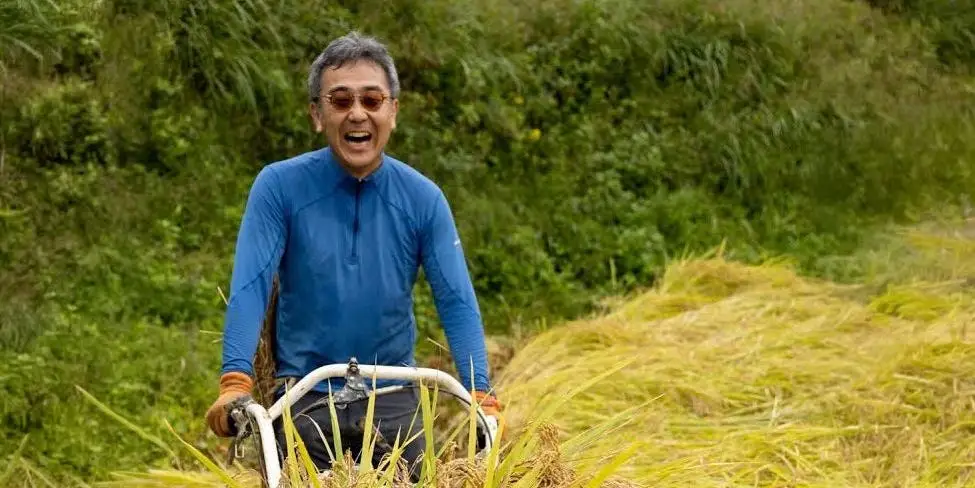
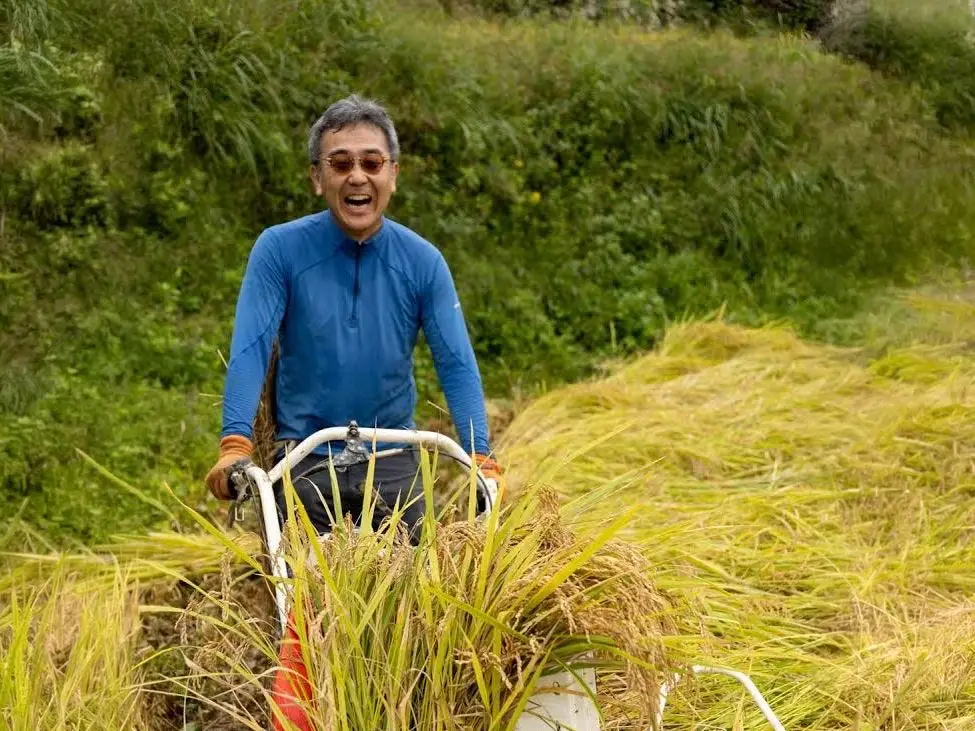
This as-told-to essay is based on a conversation with Goki Akuzawa, 62, the owner of Toronoki House in Japan. It has been edited for length and clarity
For eight years, I lived a dual life. I’d spend weekdays in Tokyo working on hotel and real estate investments. On weekends, I’d escape to rural Niigata, about a two-hour train ride from Japan’s capital.
Along the way, I became passionate about satoyama — a Japanese concept describing the relationship between people and the rural landscape.
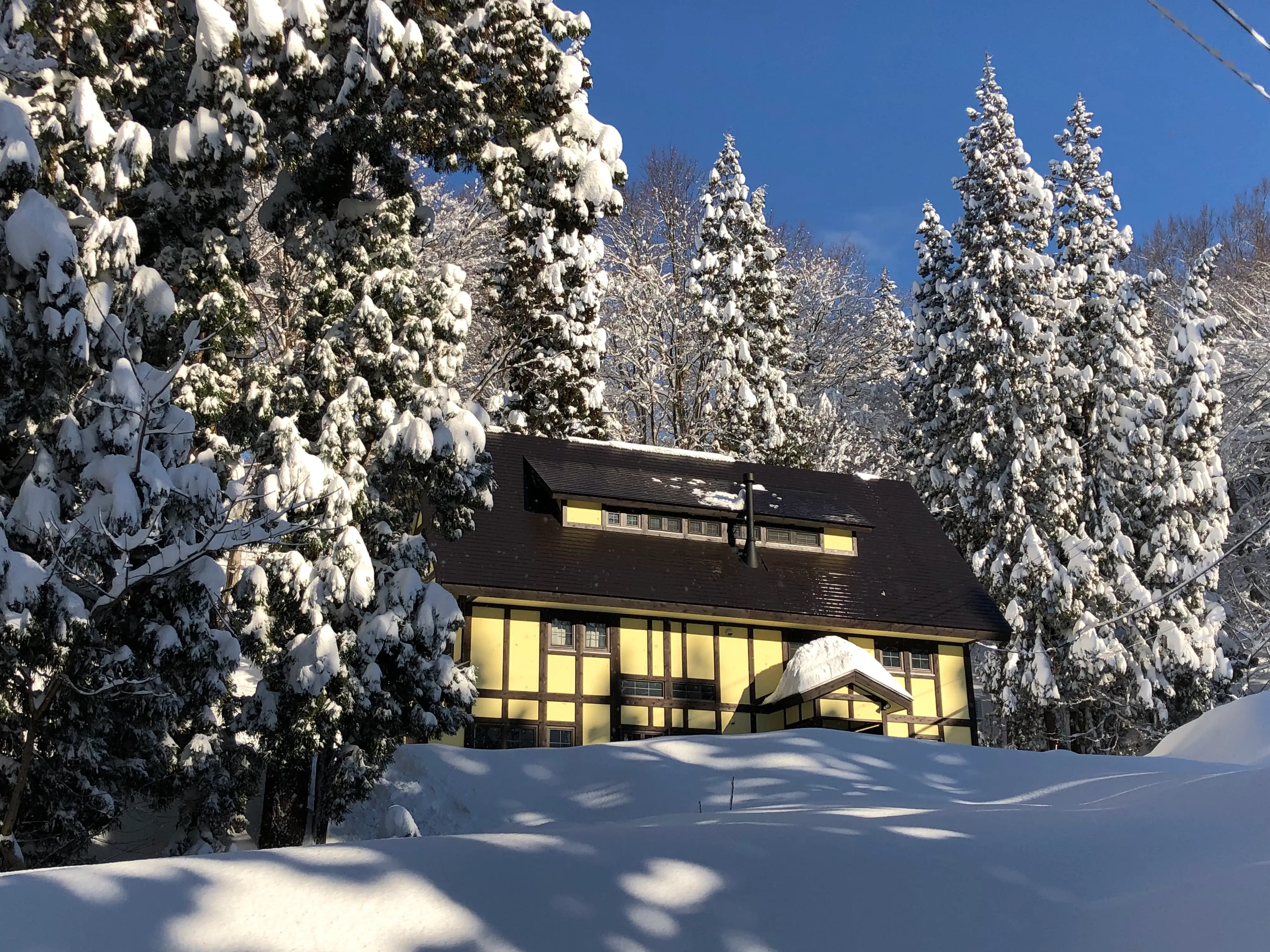
I started spending more time in the countryside and eventually came across an abandoned kominka, or traditional folk house, on a real estate website. I traveled to see it in person, bought it soon after, and spent the next two years renovating it before opening it as the guesthouse Toronoki House in 2018.
In November 2024, I made the countryside my full-time home. I still travel to Tokyo regularly for business meetings, but I spend most of my days farming, brewing sake, and welcoming guests.
Getting my start in real estate
My career began at an architectural and general contracting firm in Tokyo. I started out in accounting, then construction site management, and later moved to HR development.
Around 1990, when Japan’s economic bubble burst, the company was looking for someone who could clean up all the bad assets. I took on the job. First, I had to learn about real estate, so I went to the US and earned a master’s degree in hotel administration.
After I graduated, the company transferred me to their Sydney office, then later to Los Angeles. After returning to Japan, I got hired at an investment banking and financial services company in Tokyo.
I continued on that same path until the financial crisis in 2008, when I had to lay off my colleagues. It was tough and took a significant toll on my mental health. It forced me to rethink what creates value in real life.
Finding value in the countryside
My turning point came a year later. I hopped on a two-hour bullet train from Tokyo to Tokamachi, a rural part of Niigata Prefecture, after seeing an advertisement for an art festival.
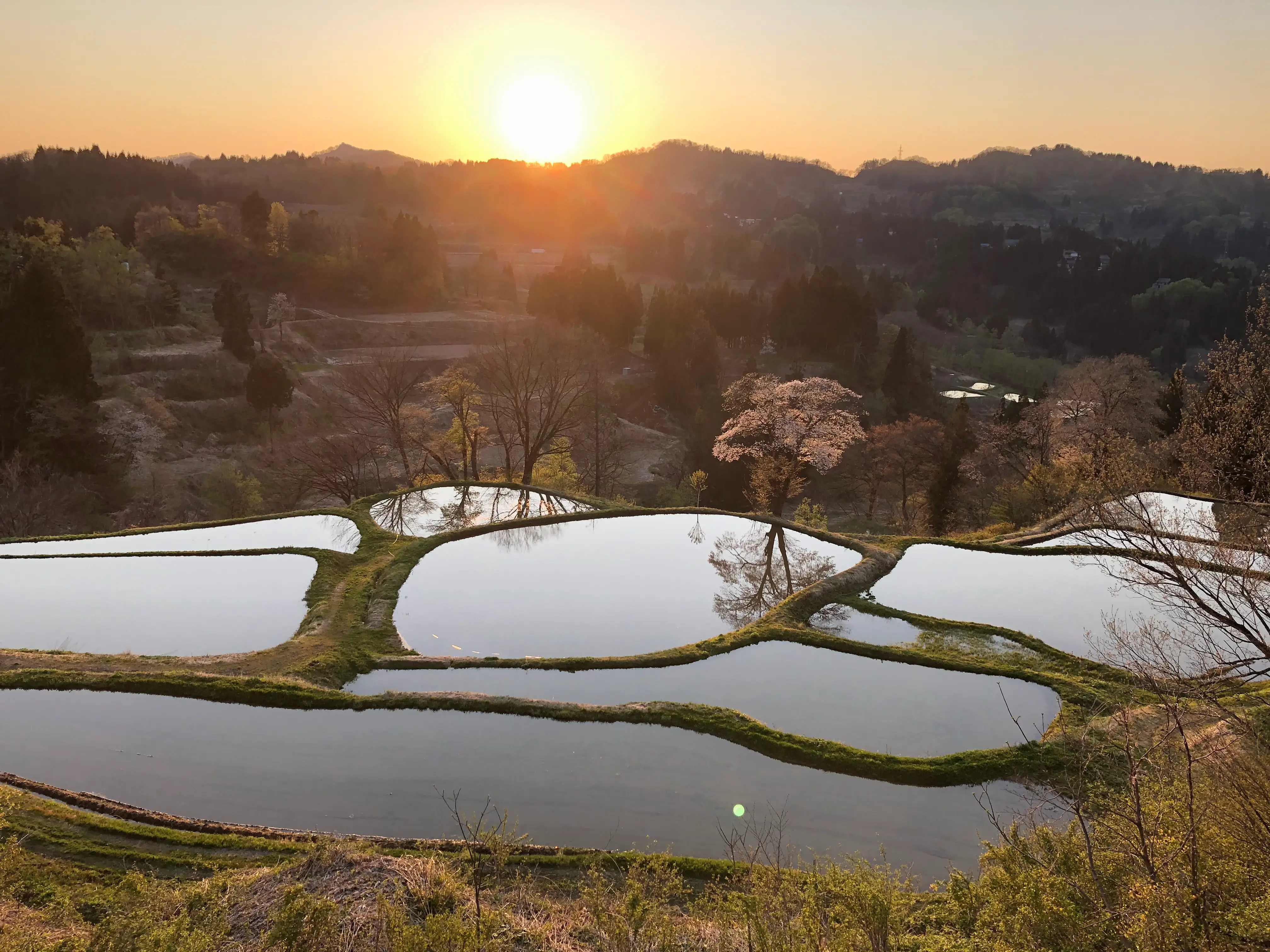
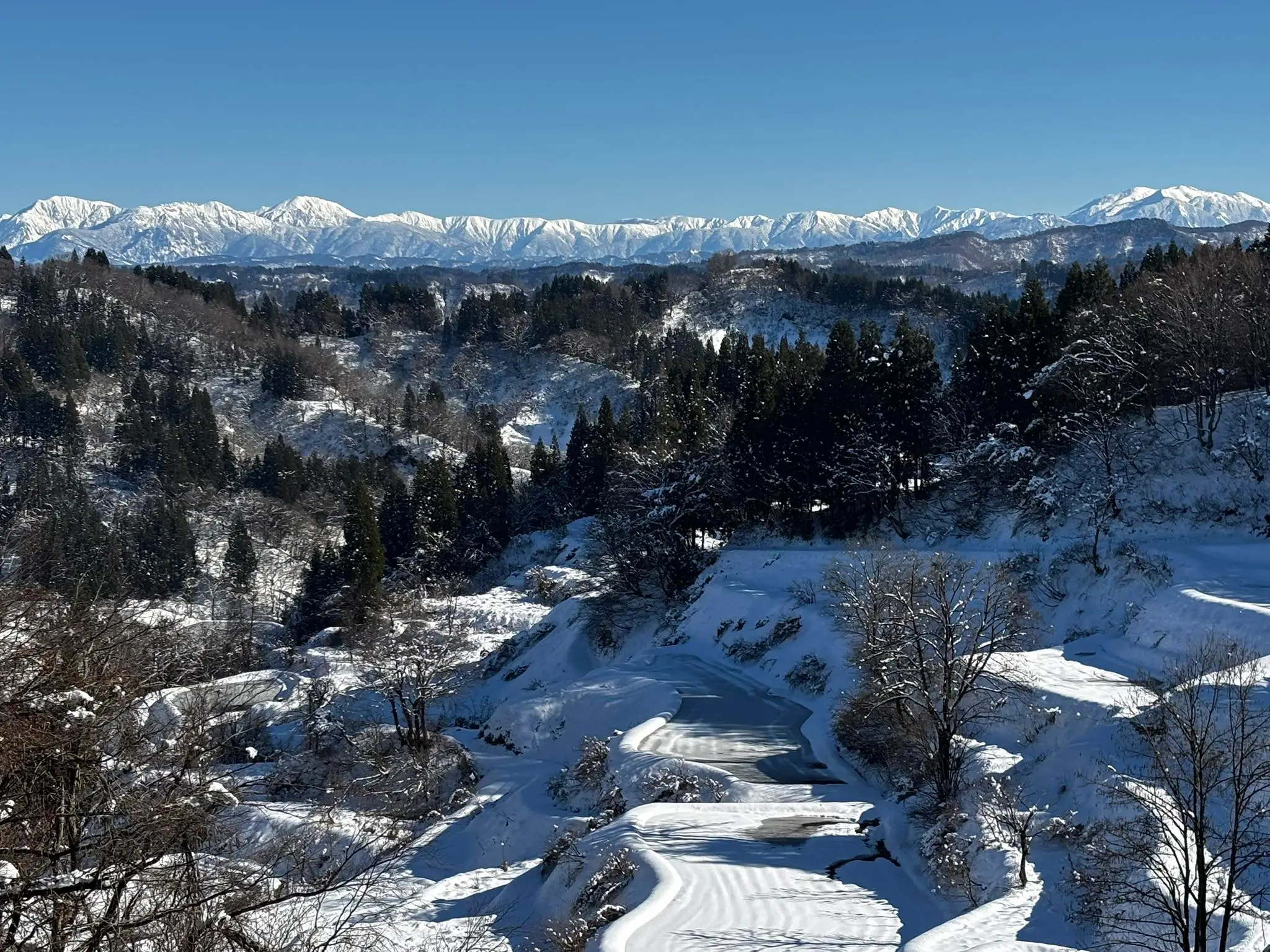
Being there, close to nature, was cathartic. Soon after, I became mesmerized by life in the countryside, particularly rice terraces. I began visiting traditional villages across Japan, Bali, Thailand, and Vietnam, and started to see them through the lens of an asset manager.
That’s when I realized rice terraces are undervalued assets. It inspired me to start Satoyama Asset Management. Through it, I rented the property and took over the cultivation of two rice terraces.
My company grows Koshihikari, a popular Japanese rice variety, using organic methods without chemical fertilizers or pesticides. Since many rural villages are shrinking and aging, I hire residents to help cultivate the terraces and support the local economy.
To expand my assets and make use of vacant properties, I bought an old farmhouse near a rice terrace in 2016. I renovated it with Karl Bengs, a German architect known for restoring traditional homes and helping revitalize rural communities in Niigata.
Half of the renovation costs were covered by equity from my savings, and the rest was financed through a loan from a government financial institution.
When guests stay at the farmhouse, I take them to see the rice terraces and other artworks around the area. We share dinner together and often end up talking late into the evening about life in the village.
Two years later, I wanted to add more value to the rice terraces beyond simply selling rice. So, I applied for a donburoku — traditional, unfiltered sake — brewing license in November 2020 and got it about five months later. A year after getting my license, I opened a small sake brewery, using rice grown in the terraces.
I manage everything in the guesthouse except for meal preparation. The inn can accommodate up to 10 people, but I keep occupancy low so I can run it myself.
Living a balanced life
When I bought the house and began renovating, I had to explain my intentions to neighbors. People in the Japanese countryside can be conservative, so as an outsider, it was my obligation to make them understand what I was doing. This holds true for anyone, whether a foreigner or a Japanese person. Relationships with residents in rural communities are important.
Before, my life wasn’t balanced. I worked long hours and through the weekend. Looking back now, it seemed like a crazy lifestyle. Spending so much time in the countryside has improved my quality of life.
In Tokyo, success is often measured by growth, efficiency, and financial returns. In the countryside, it’s measured through relationships, health, and a sense of community. The contrast between these two taught me that wealth and happiness aren’t always the same thing.
Read the original article on Business Insider
The post I spent years in finance. Then I realized rural Japan’s rice terraces were an overlooked asset. appeared first on Business Insider.