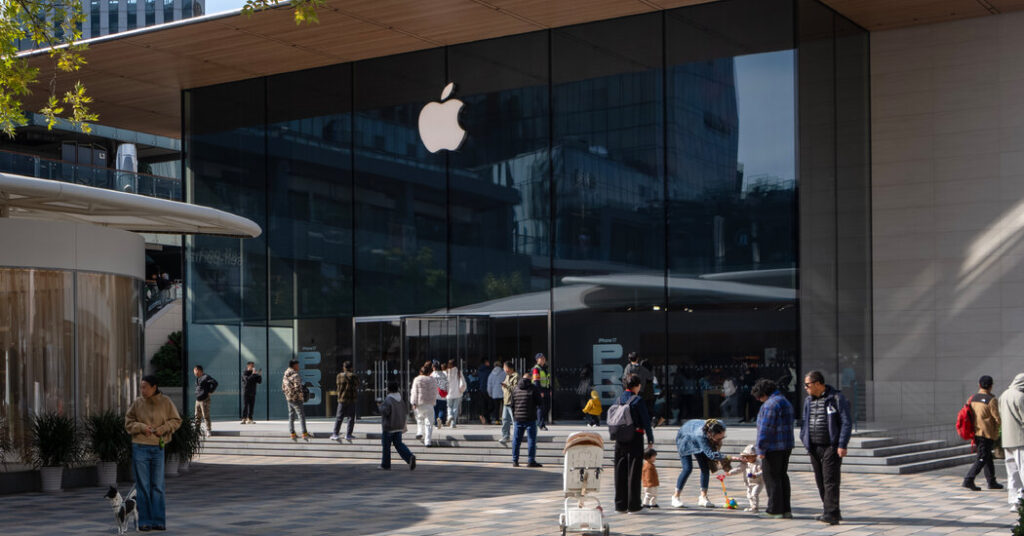
Apple on Tuesday introduced a program so people can lease its iPhones and other devices, as the artificial intelligence boom creates a memory chip shortage that has led consumer electronics companies to raise the prices of their products.
Under the program, Apple Upgrade, consumers in the United States can make monthly payments for some models of the iPhone, iPad, Mac and Apple Watch, instead of buying the devices outright from Apple or financing them. The leases will be provided by Klarna, a company known for buy-now-pay-later loans. At the end of the lease, people can upgrade to a new version of the device, buy it or return it and exit the program.
Apple introduced a narrower version of the program in 2015, allowing consumers to swap their iPhone for a new smartphone every year. The company said it had been working to expand the program for over two years. Now, a $1,999 MacBook Pro can have a monthly payment of $38.99 over 36 months.
Apple Upgrade will be “a more flexible way” for consumers to pay for products, said Karen Rasmussen, who leads Apple’s digital store.
The leasing program is a bid to make products more affordable as A.I. sends the prices of memory and storage chips soaring. Memory and storage chips are used in everything from phones and laptops to cars and boats.
A.I. chipmakers like Nvidia and Advanced Micro Devices have asked for more of these components for their own chips, which are used in data centers to develop and run A.I. That has led makers of memory chips like Micron to focus on producing A.I. chips and manufacture fewer consumer-grade chips, which have become more expensive.
Memory and storage chip prices have quadrupled over the past year, according to Counterpoint Research, which tracks smartphone and semiconductor markets. Consumer electronics companies have started passing the cost on to consumers.
In recent months, Apple’s peers have raised the prices of their products, or planned increases, including Samsung’s Galaxy phones, Google’s Pixel phones and Microsoft’s Surface laptops. The memory chip shortage is also increasing the prices of video game consoles, including Nintendo Switches, Microsoft Xboxes and Sony PlayStations.
In June, Apple raised the prices on some iPad and Mac models by $200 or more, citing the soaring costs of memory and storage chips.
Apple will “absolutely” raise prices on the iPhone this fall, too, said Richard Kramer, an analyst at Arete Research, an investment advisory firm. The company’s leasing program, he said, allows it to tell consumers: “We’ll have seven ways to Sunday you can get this financed if you want to buy it.”
The leasing program could also help Apple make further headway in the market for refurbished devices, which are used devices that are repaired and cleaned to work like new ones, Mr. Kramer said. Apple said it would refurbish and resell devices that were swapped through Apple Upgrade in good condition, or recycle them if not.
Apple’s “new upgrade program should mitigate the risk of the price increases by offering more affordable options to people who want to buy new,” said Ron Johnson, who led retail at Apple from 2000 to 2011. “It’s kind of inevitable we’re in this place. People are more and more comfortable paying monthly bills.”
The post Apple Introduces Leasing Program for iPhones and Other Devices appeared first on New York Times.