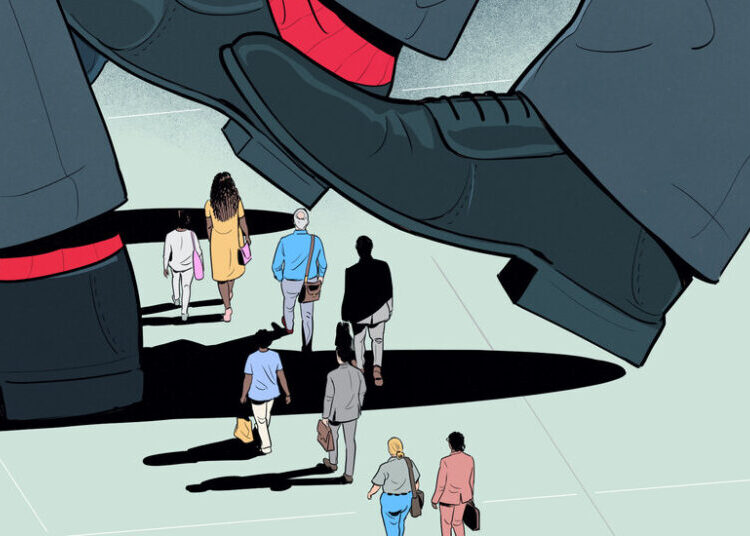

Insecure CEOs may not recognize their own behavior — or realize how much it is hurting them.
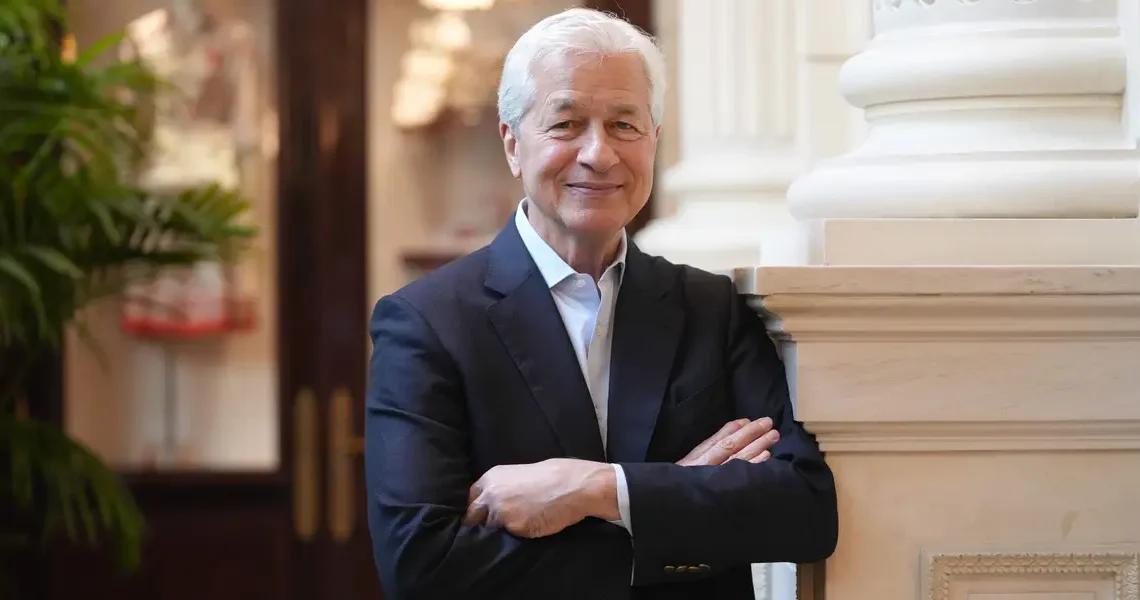
Jamie Dimon recently said a lack of self-confidence can sink a leader’s career by disconnecting them from what is happening inside their companies. Speaking on “The Master Investor Podcast with Wilfred Frost,” the JPMorgan Chase boss recalled a saying: “When some people get a big job, some grow into it, and some swell into it.”
Insecurity, he explained, is what drives the swelling.
Executive coaches and recruiters say recognizing insecure behavior can help leaders correct it before it damages their careers and companies. It can surface as micromanaging, rejecting dissent, seeking credit, or clinging too tightly to control.
“We’re all flawed,” said JP Pawliw, a performance coach whose clients have included Fortune 500 executives, Olympic athletes, and the CIA. Good leaders, he said, aren’t afraid to “take their armor off.”
Here are some of the clearest warning signs of insecurity at the top:
They need to come across as certain
The pressure to appear self-assured can lead executives to act as though they have every answer, even when they don’t, Pawliw said. Genuine confidence looks different: Leaders can remain curious, acknowledge uncertainty, and focus on finding the right answer, he said.
That distinction can become apparent during job interviews, said Umesh Ramakrishnan, cofounder and chief strategy officer of the search firm Kingsley Gate. A C-suite candidate who offers a vague but confident-sounding strategy, and can’t provide specifics, may be masking uncertainty. A stronger candidate can explain where the company needs to go while acknowledging that they will need others to help them get there.
“The most secure CEOs today are ones who are saying very simply, ‘I don’t know. I need help,’ ” Ramakrishnan said.
They resist criticism and dissent
For some leaders, criticism feels less like useful information than a threat, said David Gaspin, an executive coach and HR executive. He recently advised the CEO of a small health-tech company with three direct reports, each of whom described spending significant time preparing bad news so their boss would not react poorly.
Instead of asking how to solve a problem, the CEO’s instinct was often to ask who was at fault, Gaspin said. The executive’s reports became so focused on managing his reactions that they had less time to manage the business.
“A person who has trouble hearing the truth is, without realizing it, stunting the entire operation,” Gaspin said.
Leaders can become especially resistant to dissent when their identity is tied to being right, said executive coach James Michael Sama. The more tightly they defend their position, he said, the harder it becomes for others to give them honest feedback — and for those leaders to learn.
“When you constantly have to prove you’re right, even if you’re not, it stiffens your position to the point where you’re inflexible, and people can’t communicate with you,” Sama said.
Insecurity can also surface more quietly through “filtering,” such as controlling who gets invited to meetings, included in Slack channels, or brought into a leader’s inner circle, said Pawliw. Another tell, he added, is when leaders choose the people closest to them for their loyalty rather than their candor.
They micromanage and cling to control
Some leaders mistake tight control for strong leadership, even when it signals a lack of trust in the people around them, Sama said. He recently advised a construction company whose senior leaders said they wanted the sales team to grow the business tenfold, yet hovered so closely over employees that they were “strangling the process.”
“It’s anxiety dressed like leadership,” Sama said.
The same impulse can also drive away talent. Gaspin recalled an established tech startup that was looking to hire a chief technology officer. The CEO lacked a technical background but still wanted to control the company’s technical direction rather than let an expert lead it. Two top candidates withdrew after spending time with him.
Gaspin said insecure leaders may believe maintaining control protects their authority. Instead, it can slow the business, weaken teams, and make capable people reluctant to join or stay, he said.
They try too hard to seem cool
The need for approval can show up in subtle ways, Gaspin said, such as trying too hard to seem relatable or cool around employees. An insecure startup leader, he said, may show off that they’re wearing trendy sneakers or act overly casual.
“The insecure ones spend an awful lot of time trying to be liked,” he said.
They may also put a lot of effort into socializing with employees — such as by joining every conversation or frequently taking their team out for drinks — because they want to feel accepted, he said. The behavior can resemble genuine warmth, but the underlying motivation is different.
“They need to be in the conversation, or else they feel like they don’t exist,” Gaspin said.
They constantly seek validation or credit
A need to prove one’s value can have the opposite effect, Sama said. He recalled advising a CEO who was pitching for a new account and spent much of the meeting detailing what she and her company had accomplished. The prospective client — another CEO — appeared increasingly disengaged, and she did not win the business.
Sama said the repeated emphasis on “we, we, we” and “me, me, me” exposed an underlying fear of not being taken seriously. What was intended to demonstrate credibility instead came across as insecurity.
Name-dropping and taking disproportionate credit can send a similar message, Ramakrishnan said. In executive interviews, he is wary of candidates who repeatedly emphasize who they know or describe accomplishments without recognizing the colleagues who contributed.
The leader may believe such behavior projects confidence. To others, Ramakrishnan said, it can look like a need for constant reassurance.
Read the original article on Business Insider
The post Jamie Dimon said insecurity can ruin CEOs. Here’s how to spot a fragile ego hiding behind confidence. appeared first on Business Insider.