This is an edition of the Books Briefing, our editors’ weekly guide to the best in books. Sign up for it here.
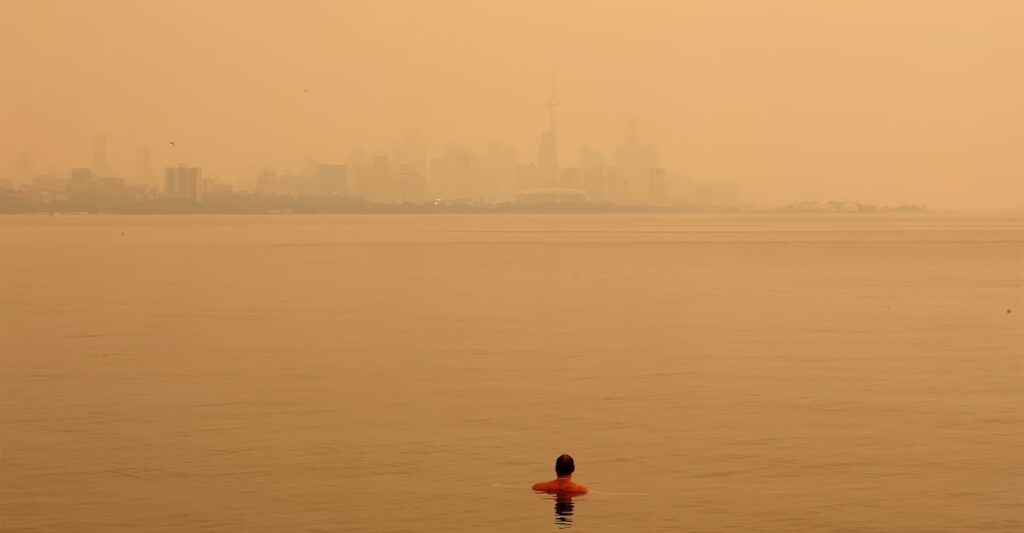
Last week, I woke up in Washington, D.C., to a simmering, suffocating haze. The thermometer reached triple digits, and so did the air-quality index, which my phone told me meant “very unhealthy.” If I lived somewhere else—in Delhi, maybe, or Kinshasa, or Los Angeles—where high temperatures and murky skies were more common, I might have been less surprised. But climate change means that such conditions are no longer confined to specific regions of the globe, and people everywhere are beginning to contend with once-rare events becoming almost routine. “To be unfamiliar with these outcomes is to be the outlier, not the norm,” Robert Rubsam wrote about climate change and natural disasters this week inThe Atlantic. So why is it so hard to point to literary fiction that successfully conveys the uncanny sensation of waking up in a different world?
First, here are four new stories from The Atlantic’s Books section:
- Why so much Millennial fiction is boring
- A novel about the benefits—and costs—of being a rebel
- J. D. Vance’s new book wasn’t meant to be read
- “Ode to Ashy Knees,” a poem by Lana Reeves
The writer Amitav Ghosh, in his 2016 book, The Great Derangement, argued that this is because the literary novel was built for a relatively stable planet. Now that the Earth has warmed significantly, he suggests we need new kinds of storytelling that can capture how it feels to live in an unpredictable world. His new novel, Ghost-Eye, attempts to do that. Unfortunately, Rubsam argues, it fails at its task. But when I read through the comments on his article, I saw readers arguing that plenty of writing does address global overheating, and expressing the opinion that the genre known as “climate fiction” wasn’t getting its due.
They’re right—lots of genre fiction deals with apocalyptic climate disruptions. Climate anxiety is also trickling into literary fiction, as Rubsam points out. He disagrees with Ghosh’s contention that authors are unable to adapt to extraordinary times. But he also encourages a broader manner of thinking, pointing to earlier fiction that successfully shows what it’s like to live through disruption: Juan Rulfo’s haunted response to 1950s Mexico, Pedro Páramo; José Donoso’s magical-realist novel of Chilean upheaval, The Obscene Bird of Night. By invoking novels from other eras, Rubsam moves beyond the idea of simply depicting specific symptoms of planetary warming, like a receding glacier or a dried-up aquifer. He’s writing about books that evoke the feeling that the world has shifted beneath your feet.
This debate over how well fiction adapts to “forces so great and impersonal that they seem to actively confound attempts at storytelling,” as Rubsam put it, reminded me of another Books article published inThe Atlantic this week, by Hillary Kelly. Kelly also believes that a new novel—in this case Jem Calder’s I Want You to Be Happy—fails to make the strangeness of contemporary life compelling. But what most frustrates her is that Calder’s portrayal of Millennial ennui and directionlessness takes those qualities at face value and, in doing so, replicates them. “I want to understand alienation; I don’t want to feel alienated—and nothing more—by reading,” Kelly writes. Similarly, I don’t need fiction to describe how dangerous a flash flood is, or what it’s like for a tornado to rip through your town. I’ve experienced those things myself, and they’re certain to recur in my lifespan. I want my fiction to be bolder: to use language and imagination that bring me to a new kind of comprehension, not just a re-creation of what I already know.
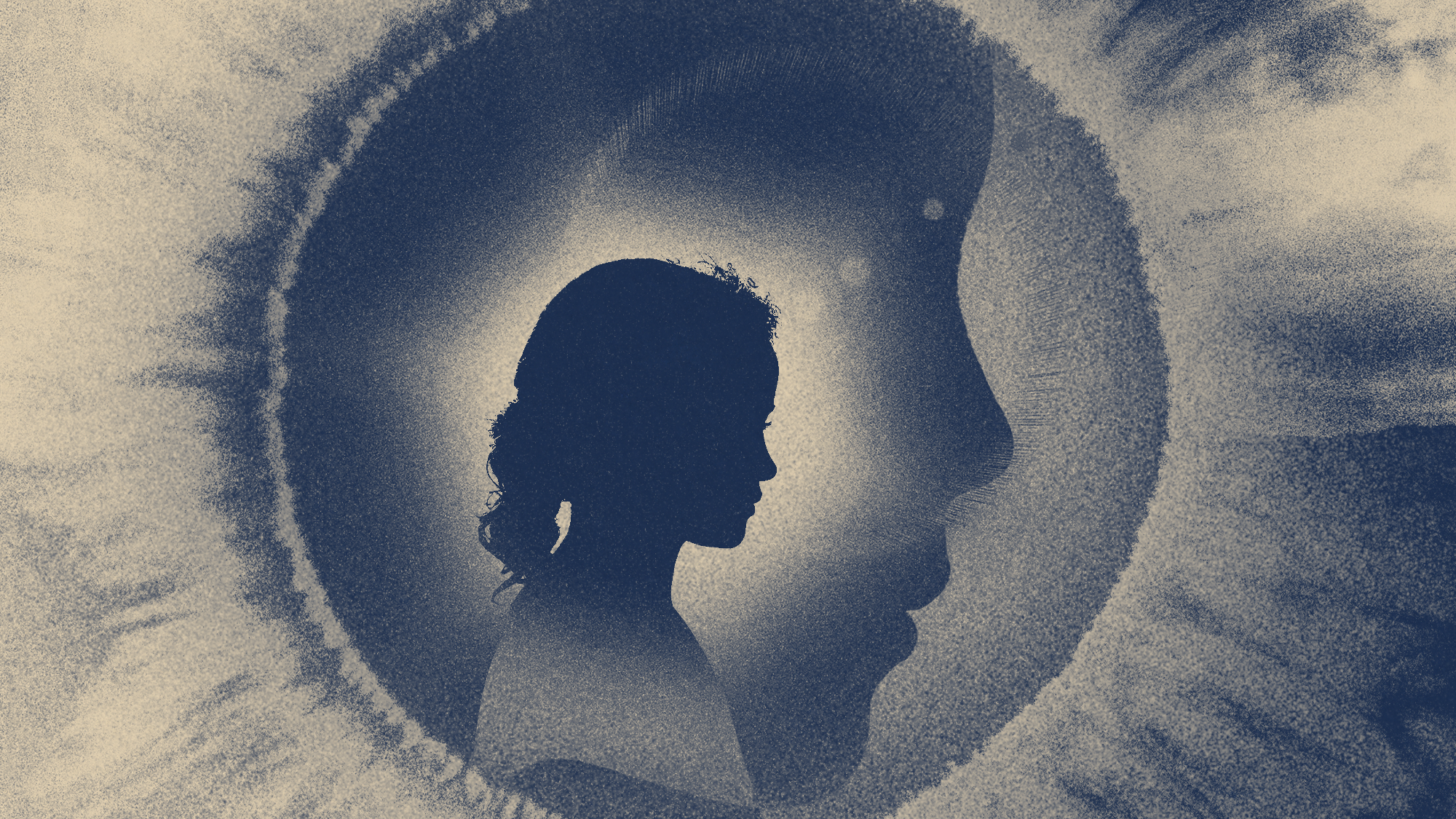
The Crisis That Novelists Can’t Handle
By Robert Rubsam
Amitav Ghosh believes that climate change requires rethinking the novel. His new work of fiction fails that standard.
What to Read
U and I, by Nicholson Baker
I can now say that I’ve been reading Baker for more than 20 years, or more than half my life. But I didn’t know that would happen when I found U and I in a college friend’s car, borrowed it, and never returned it. The subject, not the author, appealed to me then—I loved John Updike. And so did Baker, though love is probably not the right word. This book-length essay is not quite, or not merely, an appreciation of Updike; it’s a hilarious confessional “true story” of Baker’s anxieties, ambitions, competitive jealousy, and feelings of inadequacy in the face of Updike’s abundant body of work. It’s rich too, with wonderful observations on reading and writing in general, as in a passage considering how much more affecting a memoir becomes once the author is deceased: “The living are ‘just’ writing about their own lives; the dead are writing about their irretrievable lives, wow wow wow.” — Elisa Gabbert
From our list: Five books for people who really love books
Out Next Week
 I Made You Up Inside My Head, by Marta Pérez-Carbonell
Melancholy I & II, by Jon Fosse
The Winds of Maracaibo, by María Elena Morán
Your Weekend Read

Too Scared for Sex
By Faith Hill
Perhaps the “sex recession,” then, is merely a symptom of something bigger: an eroticism shortage, resulting from a great discomfort with uncertainty. If so, the stakes would be much higher than they were in 2006. It would mean that people aren’t just falling out of lust with their partner but struggling to connect, to feel deeply, and to be present for their own life. “Today, the question is not so much How do you sustain desire in the long haul,” Perel told me, “but How do we ignite it in the first place?”
When you buy a book using a link in this newsletter, we receive a commission. Thank you for supporting The Atlantic.
Sign up for The Wonder Reader, a Saturday newsletter in which our editors recommend stories to spark your curiosity and fill you with delight.
Explore all of our newsletters.
The post What Climate Fiction Should Accomplish appeared first on The Atlantic.