The United States Department of the Interior’s Fish and Wildlife Service on Friday updated its rules for implementing the Endangered Species Act (ESA)—a move that could erode protections for plants and animals that are already at risk, experts say. It revives policies first pursued during President Donald Trump’s first term and comes just one week after another contentious ESA rule change.
The latest rules end automatic protections for newly listed threatened species and revise how economic impacts are weighed when designating critical habitats.
The first change involves what’s known as the “blanket rule,” which for decades has automatically granted “threatened” species—those that are likely to become endangered within the foreseeable future—comprehensive protections, such as prohibiting the killing, trapping, or harassing of the species. They are generally the same protections extended to endangered species, which are at risk of going extinct.
The “blanket rule” (also known as the blanket 4(d) rule) went into effect for wildlife in 1975 and was extended to plants in 1977. This came just a few years after the ESA was signed into law in 1973, when the FWS found itself dealing with a backlog of imperiled species that did not have individualized protection plans. The blanket rule allowed the FWS to quickly extend baseline protections to threatened species while proceeding to develop species-specific regulations, and the ESA has since been credited with preventing the extinction of 99% of listed species.
Now, newly listed threatened species will only receive protections on a case-by-case basis.
Read More: Bald Eagles Are Thriving. Could Trump Change That?
“Today’s decision amounts to an utter abdication of the federal government’s responsibility to protect America’s wildlife,” Sara Amundson, president of nonprofit Humane World Action Fund said Friday. “Rescinding the blanket 4(d) rule will undermine safeguards for threatened species while creating unnecessary hurdles that will slow future protection.”
She said that the implementation of species-specific regulations offers “no comfort,” writing: “That process is far more time-consuming and resource-intensive, making delays in protecting vulnerable wildlife all but inevitable.”
This is not the first time that the Trump Administration has tried to restrict regulations for implementing the ESA. The FWS originally rescinded the blanket rule in 2019, but it was re-established by President Joe Biden in 2024.
At the time, the FWS also adopted a rule changing how economic impacts are evaluated when deciding whether to exclude areas from critical habitat designation—a policy that was reinstated on July 17.
Critical habitat designation is primarily a regulatory mechanism used by the federal government to ensure federal actions do not jeopardize habitat essential to listed species. It requires a formal review of any federal projects, funding, or development that might impact the area.
Supporters say allowing greater consideration of the economic impacts of the designation will reduce unnecessary burdens on landowners and development projects. However, conservation groups counter that it will make it easier to exclude habitats in the name of cost effectiveness.
Secretary of the Interior Scott Burgum said in last week’s announcement that the shift in policy “will lower costs for Americans and lead to more species successfully coming off the Endangered Species List—two things all Americans can celebrate.”
Burgum also said that 97% of threatened species are still on the list today—a source of frustration for Republican lawmakers, who say that longstanding habitat protections hamper economic development in their districts.
But experts told TIME in 2019 that the changes threatened endangered plants and animals and could even “undermine the strength of the ESA.” They were reversed under President Joe Biden in 2024.
After Biden’s reversal, two groups—the Rocky Mountain Elk Foundation, a pro-hunting organization, and the Property and Environment Research Center (PERC), which researches free-market environmentalism—sued the Administration, arguing that the rule unfairly imposed those restrictions on landowners even after a species’ status improves.
These groups celebrated the latest reversal: “For too long, the blanket rule treated threatened species the same as endangered ones, dulling incentives for recovery,” said Jonathan Wood, vice president of law and policy for PERC, in a statement July 18.
The rollback also comes amid a broader effort to reinterpret the ESA.
One week prior, the FWS and the National Oceanic and Atmospheric Administration redefined the meaning of “harm” under the ESA, making it so that damaging or destroying an endangered species’ habitat is no longer, by itself, considered harming that species under the law. Going forward, the word only refers to “an act which actually kills or injures wildlife.”
In response, a coalition of nine environmental groups and two Native American tribes filed lawsuits saying that the move violates the ESA’s statutory language and inhibits its fundamental goals.
The latest revisions are also expected to face legal challenges and, taken together with last week’s change to the definition of “harm,” mark a broader effort by the administration to reshape implementation of the ESA.
‘A one-way ticket to extinction’
The Center for Biological Diversity, a nonprofit working to protect endangered species, said that these new rules could leave many species with little to no protection.
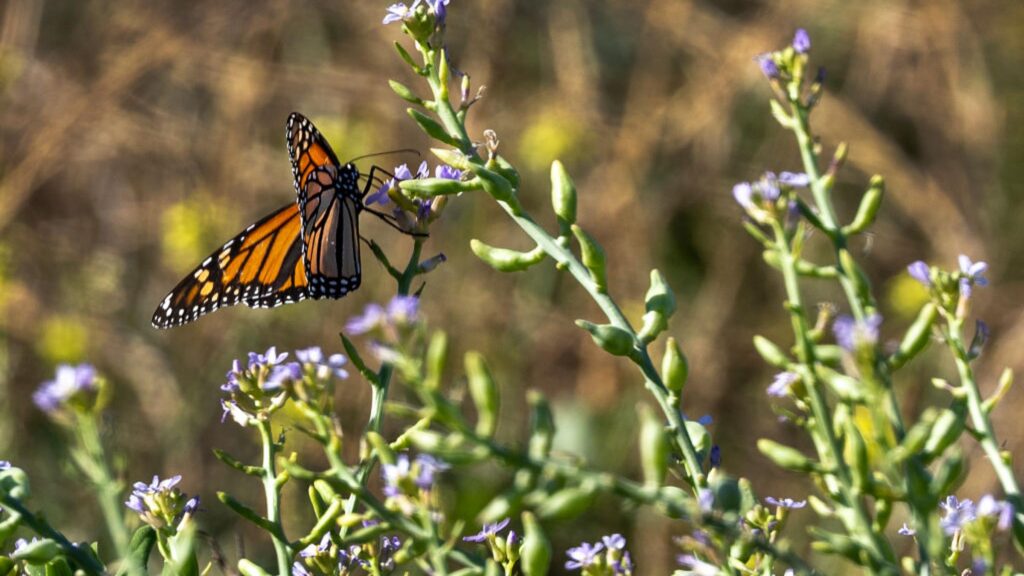
“These rules are a one-way ticket to extinction for our most imperiled animals and plants, from monarch butterflies to giraffes to alligator snapping turtles,” Noah Greenwald, endangered species co-director at the Center for Biological Diversity, said in a statement July 17. “Trump is bending over backward for corporate polluters by ripping away the blanket that protects so many struggling wildlife species, as well as the air we breathe, the water we drink, and the natural places where we seek peace of mind.”
The organization said that it will challenge the ruling in court.
Clay Samford, an attorney with the environmental law nonprofit Earthjustice, said in a statement that the bureaucracy that is now required to outline specific protections for imperiled species will leave them vulnerable for an indeterminate period.
“Rather than automatically protecting threatened species, like Florida manatees, so they don’t slip closer to extinction, the new rule leaves them unprotected while the agency does potentially years more paperwork to decide what protections they should receive,” Samford said.
The Earthjustice statement also said that the Trump Administration is allowing resource extraction industries to put their thumb on the scale when it comes to which habitat gets protected or destroyed.
It said that the new rules will be particularly damaging in Hawaii, which is home to species like the ‘i’iwi bird that do not exist anywhere else on Earth. The bird “is currently awaiting critical habitat designation where cattle ranchers have asked for areas to be excluded,” Earthjustice said. Other examples provided in the statement are green sea turtles, monarch butterflies, polar bears, Canada lynxes, sage-grouse, and the Texas horn shell.
The Humane World for Animals and the Humane World Action Fund released a joint statement calling the new rules a “profound failure,” explaining that they make way for oil and gas, mining, logging, and other resource extraction industries to pursue new projects on land that the ESA has safeguarded for decades.
They are among the environmental protection groups pointing out that critical habitat loss can push threatened species closer to becoming endangered.
Habitat loss is the “primary threat to the survival of wildlife in the United States,” according to the National Wildlife Federation. The FWS itself said in 2023 that habitat protection has saved species like the bald eagle from the brink of extinction.
In order for a species to be protected under the ESA, there must be evidence of habitat loss, over-exploitation, disease, or other manmade or natural factors threatening the species.
Currently, the ESA protects 1,662 species in the U.S. It also safeguards 638 species abroad through restrictions on trade, import, and export, along with other conservation measures.
The post Trump Administration Scales Back Endangered Species Protections—Again appeared first on TIME.