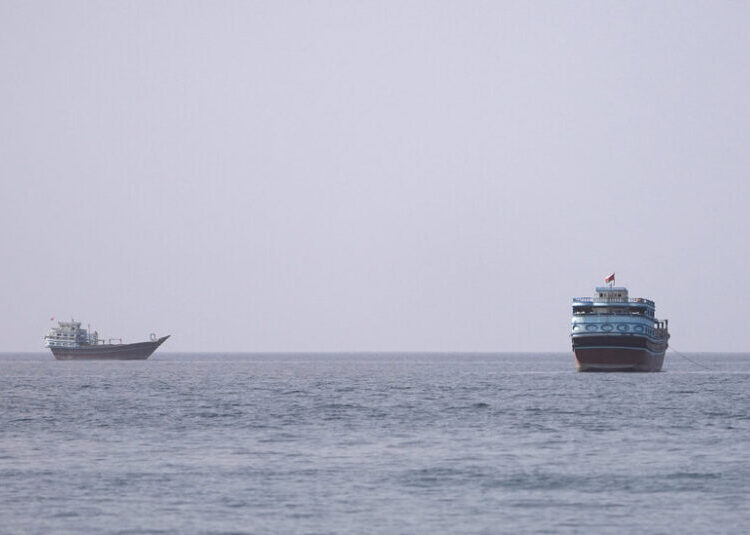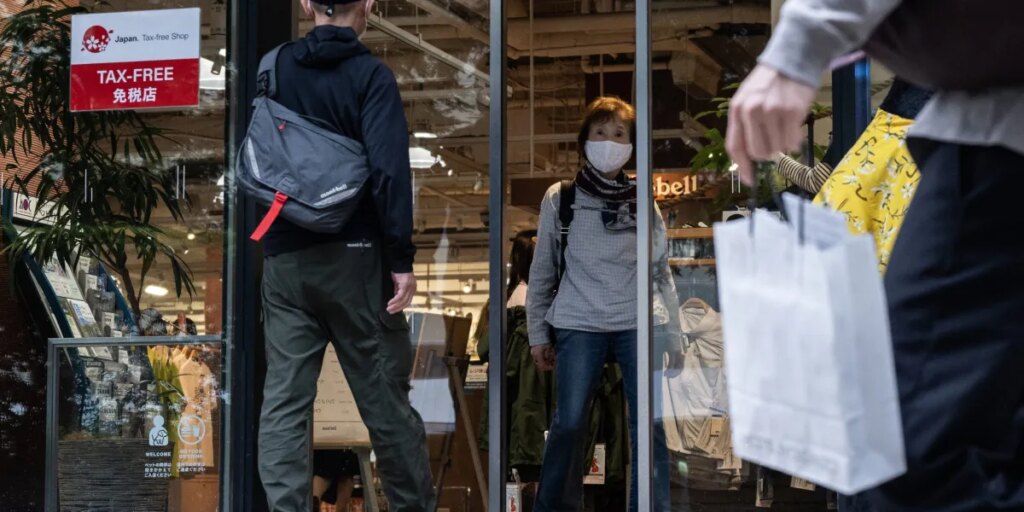
A McMeal costs the equivalent of $20.90 in Tel Aviv, the highest price on Earth, and $4.90 in Tokyo, once the world’s priciest city.
A new Deutsche Bank reportshows that the difference boils down to currency: a shekel strengthened by tech and defense spending, and a yen weakened by two decades of near-zero rates.
Tel Aviv’s wartime boom
Just a decade ago, the Israeli city was a “mid-price Mediterranean city” and now sits among the world’s most expensive ones, according to Deutsche Bank’s report. Since 2012, Tel Aviv’s net salaries are up 137%, apartment prices up 136%, and even a dinner for two costs 122% more.
“Israel’s basket of goods, the consumer basket, has been very expensive,” Zvi Eckstein, a former Bank of Israel deputy governor and the head of the Aaron Economic Policy Institute, told Fortune.
At the same time, the shekel gained roughly 30% against the dollar, including a 13% lift in the last year despite the war in Iran–one of the strongest moves of any currency in Deutsche Bank’s sample of 48 economies. The researchers credit Israel’s strong domestic tech and defense industries as well as supply disruptions for keeping the currency elevated. That resilience has deep roots—Fortune’s 2023 excerpt of “The Genius of Israel” traced the nation’s tech dominance back to compulsory military service, which doubles as a research and development pipeline.
That boom hasn’t been a straight line. In late, 2023, Israel’s GDP contracted 20% as consumer spending and real estate investment cratered under the weight of the war in Gaza.
Eckstein explained that for years, Israelis had high savings and kept a large share of those savings in foreign currency assets, which helped keep the shekel around 3.5–3.6 per dollar. Then, in the past year, the Israeli stock market jumped by about 50% while the S&P 500 rose by about 20%. And because local equity markets performed so strongly, Israeli investors shifted long‑term investments back into shekel‑denominated assets, strengthening the currency.
“The asset allocation has moved to more Israelis because of the performance of the Israeli stock market, which was exceptional and was kind of a one-time change,” he told Fortune.
Eckstein said the strong shekel raises costs in dollar terms, but Tel Aviv’s high cost of living is primarily due to domestic policy and supply constraints, not just on the exchange rate itself.
In particular, supplies of housing and food stayed tight while demand rose, causing those costs to be much higher, he added.
The Israel Land Authority controls over 90% of Israeli land, meaning development decisions in prime areas are centralized rather than market-driven, and municipalities have long favored approving commercial development over residential projects, according to an IMF analysis of the Israeli housing market. WTO data for 2025 show that Israel also applied an average tariff of 7.5% to agricultural imports, compared with just 0.1% for non-agricultural goods. Dairy remains one of the most protected sectors with a 42% average tariff.
As a result, Tel Aviv has also overtaken Zurich and Geneva atop a very specific metric: McDonald’s combo meals. A McMeal in Tel Aviv now runs $20.90—up 71% since 2016 and the highest price recorded by Deutsche Bank.
The city also ranks in the top five globally for the cost of jeans and a summer dress, and is second-most expensive for gasoline and a new car. Gas jumped 27% in a single year, tied directly by the researchers to the Iran war’s impact on energy supply.
It’s worth noting that wages are climbing three times faster than the global average in Deutsche Bank’s survey, rising 98.5% in dollar terms since 2016 compared to the full 69-city sample. But the property price-to-income ratio ranks 57th, signaling that even with rising wages, housing costs are rising faster.
Japan’s great cheapening
In the mid-1990s, a coffee, a rental apartment or a night out in Tokyo cost more than the equivalent almost anywhere else in the world. Deutsche Bank estimates that Japan’s relative price level for the same basket of goods in the U.S. was nearly double then.
But three decades and one collapsing currency later, that price level fell from an index reading of 173 to just 60, the steepest repricing of any developed economy Deutsche Bank tracks. The yen has lost 51% of its value against the dollar since 2012, as the central bank kept monetary policy loose to fight persistent deflation.
This means Tokyo is now a bargain next to places like New York or Zurich. A three-bedroom apartment in central Tokyo rents for about a quarter of the New York price, and a dinner for two is roughly a third of the cost in Zurich or New York, according to the report. Japan is also now the cheapest place to walk out of an Apple Store with a new iPhone.
Meanwhile, Japan has become a magnet for travelers. Fortune reported the weak yen has helped turn tourism into Japan’s second-largest export, with visitor spending surging even as some residents grumble about overtourism.
But while the weakened yen means Tokyo is cheap for tourists, it’s not the same for the city’s workers.
Net salaries fell 18% in dollar terms since 2016 and rank 39th of the 69 cities Deutsche Bank tracks, below Madrid. A worker in Zurich earns 3.5 times as much as a Tokyo counterpart, for instance.
The Deutsche Bank report indicated that Japan’s aging and shrinking population could help catalyze AI implementation to meet labor shortages, an advantage particularly in industries where it possesses deep manufacturing and robotics expertise.
“Ultimately, Japan’s back is against the wall demographically,” the researchers wrote. “This makes aggressive AI adoption not just a competitive advantage, but a strict economic necessity for the country’s survival over the next two decades.”
The post A weak yen turned Tokyo into a steal. A strong shekel turned Tel Aviv into the world’s most expensive city to buy McDonald’s appeared first on Fortune.