Ten years ago I made the terrifying decision to sue Roger Ailes, who was then the Fox News chief executive and chairman, for sexual harassment. In the weeks that followed, more than 20 other women spoke up about his abuse. Just months before, Bill Cosby had been charged with sexual assault. Later, new sexual harassment claims against Bill O’Reilly became public, and women began speaking out against Harvey Weinstein, Charlie Rose, Matt Lauer and so many more.
The #MeToo hashtag and movement, started by Tarana Burke a decade earlier, reignited globally. Prominent men accused of horrific behavior were finally held to account. The momentum felt unstoppable.
But then Brett Kavanaugh was confirmed to the Supreme Court despite his furious reaction to Dr. Christine Blasey Ford’s allegations of sexual assault. President Trump won re-election despite having been found liable for sexual abuse. Pete Hegseth was confirmed as secretary of defense despite having settled sexual assault claims. (Mr. Hegseth denies the accusations.) Once-canceled men, from Louis C.K. to Mr. O’Reilly, reclaimed their spotlight. Harassers continue to get away with toxic behavior in workplaces and our communities every day. It has become all too common to hear that #MeToo is dead.
That verdict could not be more wrong.
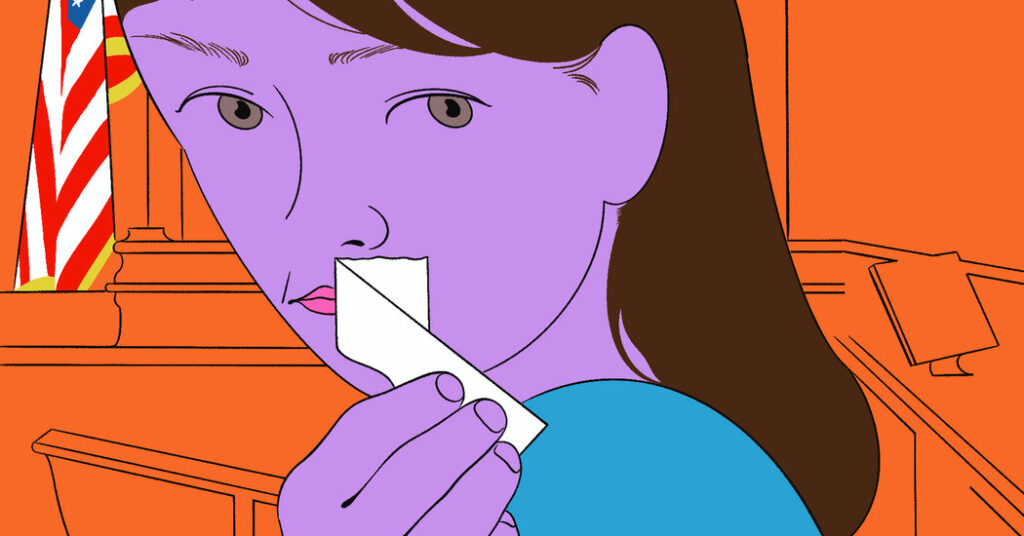
Over the past decade, the #MeToo movement has achieved crucial legal reforms across the country and around the world. Chief among these are laws restricting the use of nondisclosure agreements and forced arbitration clauses, which corporate America and abusers had employed to silence victims and allow bad behavior to continue unchecked. As a result of those reforms, millions of workers have stronger rights and protections to speak up against their abusers.
The recasting of the legal landscape is #MeToo’s real legacy, and it will live on long after this or that predator has exited the scene.
My former Fox News colleague Julie Roginsky and I helped push for the passage of two federal laws, the Ending Forced Arbitration of Sexual Assault and Sexual Harassment Act and the Speak Out Act, both signed in 2022, which prevent companies from imposing these silencing clauses for workers who’ve experienced sexual misconduct.
Nineteen states now have laws that restrict NDAs. New Jersey, California and Washington State have banned the use of NDAs for all toxic workplace issues, which means that workers in those states can no longer be silenced about harassment, discrimination or retaliation. This is watershed legislation that helps millions of workers own their own voices. For every high-profile case, like FKA Twigs suing Shia LaBeouf over an NDA she says concealed abuse or the N.F.L. losing in its effort to push for forced arbitration in a discrimination case, there are thousands of people whose names we will never know for whom these laws make a tremendous difference.
Those laws didn’t just happen. They’re a direct result of the #MeToo movement and the personal and professional risks survivors took to drive structural change for all workers.
In New Jersey, Assemblywoman Katie Brennan exposed rampant failures in the state’s handling of sexual assault claims she made against a senior staff member on Phil Murphy’s 2017 campaign for governor. Ms. Brennan’s advocacy was central to New Jersey’s passage of strong anti-NDA laws, the first of their kind in the nation, helping to lay the groundwork for other states to follow.
Tanuja Gupta’s work at Google helped to shine a national spotlight on the widespread use of forced arbitration by U.S. corporations. Ifeoma Ozoma risked significant legal and financial consequences when she broke her NDA with Pinterest to accuse the company of rampant racial and gender discrimination, and she later was a driving force behind California’s landmark Silenced No More Act. And last year Zelda Perkins, a former assistant to Mr. Weinstein and one of the first women to publicly break her NDA with his company, spearheaded legislation in the United Kingdom that bans NDAs in incidents of abuse.
Lawmakers in New York and Connecticut will have the opportunity again next year to pass legislation restricting NDAs in all incidents of abuse and harassment. Because these states are home to some of the world’s most powerful employers, policy change there would have nationwide implications. Look at Washington, for example: When that state banned NDAs in cases of harassment and discrimination in 2022, Microsoft eliminated confidentiality clauses in its settlement and separation agreements with its employees nationwide. It just takes a first step.
When the #MeToo movement kicked off, the possibilities seemed endless. I’m sure many people thought change would come quickly. But that’s not how movements work. We cannot judge the success of #MeToo only by whether it stopped all abuse and rewrote our rules, nor whether it’s still dominating headlines and social media feeds.
Even though Mr. Ailes died almost a decade ago, I still cannot talk about what happened to me at Fox News, because I am bound by the highly restrictive NDA I signed back when such things were standard elements of employment contracts. Thanks to these subsequent laws, however, survivors can now speak up in court about instances of abuse, harassment, discrimination and retaliation. These laws give survivors their voice back. #MeToo made them happen, and we’re not giving up any time soon.
Gretchen Carlson, a journalist, is a founder of Lift Our Voices, a nonprofit organization that strives to end the use of nondisclosure and forced arbitration agreements in cases involving workplace harassment and discrimination.
The Times is committed to publishing a diversity of letters to the editor. We’d like to hear what you think about this or any of our articles. Here are some tips. And here’s our email: [email protected].
Follow the New York Times Opinion section on Facebook, Instagram, TikTok, Bluesky, WhatsApp and Threads.
The post When I Sued Roger Ailes, #MeToo Hadn’t Taken Off. Now It’s the Law of the Land. appeared first on New York Times.