The United States and Iran traded fresh strikes overnight, as the prospect of tolls on shipping in the Strait of Hormuz and a reimposition of the U.S. blockade against Iran spooked markets and alarmed shipping experts.
U.S. Central Command said it completed a wave of strikes against Iran late Monday, in a five-hour mission designed to degrade Iran’s ability to attack commercial ships. The next morning, Iran said it had carried out retaliatory strikes against U.S. assets in Jordan, Kuwait and Bahrain, according to state media reports.
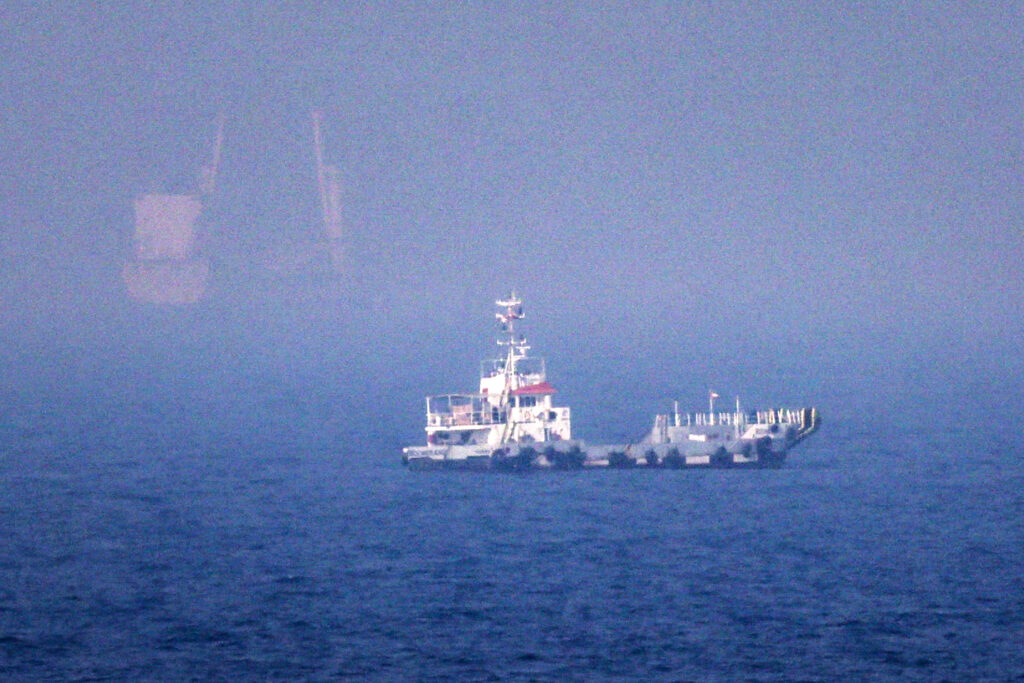
The latest attacks follow days of tit-for-tat clashes that have seen commercial ships in the Strait of Hormuz targeted as the two sides battle for control of the narrow waterway — a critical choke point for around 20 percent of the world’s oil and natural gas supplies. The preliminary peace agreement signed by the U.S. and Iran in June all but collapsed after failed talks over the weekend.
Oil prices hit a one-month high Tuesday, with Brent crude futures climbing above $86 a barrel, after President Donald Trump said the U.S. would be “reimbursed” 20 percent of all cargo shipped through the strait “for any and all costs necessary to do the job of providing safety and security to this very volatile section of the World.” Trump also said he would reinstate a blockade of Iranian ports, which Centcom said would go into effect Tuesday at 4 p.m. Eastern time.
Iran’s Foreign Minister Abbas Araghchi hit back at Trump’s comments, relating Trump’s proposal to Iran’s recent claims that it retains control over the strait.
“POTUS is absolutely right,” he said in a somewhat tongue-in-cheek post on X. “Whoever provides secure and safe passage of commercial vessels through the Strait of Hormuz should be compensated for this service. Iran has always been the GUARDIAN of the Strait and will remain so FOREVER. 20% is of course too much. We will be fair.”
The prospect of tolls for passage through the strait has alarmed maritime authorities and members of the shipping industry who have flatly condemned the notion, arguing freedom of navigation is an essential part of international law.
German shipping firm Hapag-Lloyd said in a statement Tuesday that charging tolls for passage through international waters would be “fundamentally wrong.”
“Tolls for infrastructure such as the Suez Canal or Panama Canal are different, because they reflect major infrastructure investments. That is not the case in the Strait of Hormuz,” it said.
A day earlier, the International Maritime Organization urged that right of passage through straits should not be “threatened, impeded, denied, hampered, impaired or suspended.”
“Passage through the Strait [of Hormuz] should remain free of any tolls and charges, in accordance with international law, including the IMO Convention,” it said in a news release.
The post Oil prices jump after Trump’s threats on Strait of Hormuz appeared first on Washington Post.