This is an edition of The Atlantic Daily, a newsletter that guides you through the biggest stories of the day, helps you discover new ideas, and recommends the best in culture. Sign up for it here.
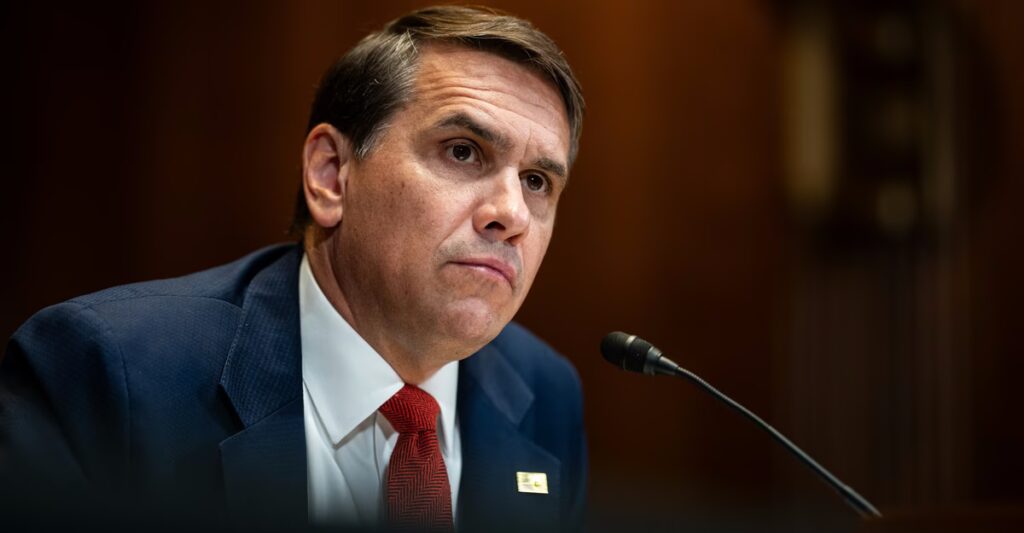
On Wednesday, Todd Blanche will head to Capitol Hill for hearings on his nomination to be U.S. attorney general. Usually these hearings are a chance for senators to get a sense of how a nominee would approach the job, but Blanche has already had a 100-day tryout as acting attorney general, which removes some of the suspense.
Although not all of the suspense. If Blanche loses a single vote, the Senate Judiciary Committee would deadlock and sink his nomination. Senator Lindsey Graham’s death leaves an opening on the committee, and who will fill it is not yet known, although it’s likely they would vote in favor of Blanche. The vote that will receive the most attention is that of Thom Tillis, the North Carolina Republican who has emerged as a notable critic of Donald Trump since announcing his retirement.
Tillis’s actions have not always been as bold as his rhetoric. He said last month that “the key for Todd, or anybody going through Judiciary Committee, is being pretty tight on January 6.” One might imagine that Blanche’s involvement in Trump’s $1.8 billion fund for political allies, including January 6ers, would be an issue, but Tillis apparently does not. A federal judge today issued a scathing finding that the lawsuit that produced the settlement was improper, because Trump was effectively negotiating against himself. The ruling, which singles out Blanche, should be good fodder for this week’s hearings.
If Blanche clears the committee, he will also have to get a majority of the full Senate, where he has only a little more margin for error. South Carolina’s governor today said that he would name Graham’s sister to fill the seat, but until she is sworn in, and as long as Mitch McConnell is indefinitely out of commission, the GOP has just a 51–47 edge in the chamber.
For most Republican senators, this will be a straightforward yea: The president’s a Republican; Blanche is his nominee, and so they’ll vote for him. During his time as acting attorney general, Blanche has demonstrated the same blind loyalty: If Trump, who previously retained him as a personal attorney, tells him to do something, he does it. The past few days have shown why that’s a dangerous disposition for an attorney general—and especially perilous to free speech and a free press. Any GOP member open to considering Blanche’s nominations on its merits should pay close attention.
Last week, Trump returned home from a summit in Turkey not on his flashy new airborne conflict of interest but on one of the older planes that also serve as Air Force One. The New York Times reported that this was because the new plane, given by Qatar, lacks the same “defensive countermeasures” of the older plane, including “advanced antimissile capabilities.” Over the weekend, the Times revealed that Blanche’s Justice Department had issued subpoenas to four of the paper’s reporters, dispatching federal agents to some of their homes. The administration wants to compel them to testify about how they learned of the security vulnerabilities.
This is only the latest in a string of attempts to squeeze reporters. In January, when Blanche was deputy attorney general, the FBI raided the home of a Washington Post reporter, searching for evidence in an investigation into a contractor suspected of leaking. Two judges have ruled that the government cannot search the data and criticized its approach. In May, the department subpoenaed the records of Wall Street Journal reporters, trying to find the source of leaks about the planning of Trump’s war in Iran, and another Post reporter who had written about the takeover of Venezuela. In June, DOJ withdrew the subpoenas. (FBI Director Kash Patel has also sued The Atlantic and my colleague Sarah Fitzpatrick over her reporting on his leadership at the bureau, and reportedly opened a criminal investigation into her.)
These are classic cases of attacking, or at least threatening to imprison, the messenger. A Justice Department spokesperson said that “reporters are not the targets, those leaking classified information are,” but in practice this is a meaningless distinction. If reporters give up their sources, they will violate agreements they made, which will make it harder for them to obtain information relevant to the public in the future, but if they refuse, they could be fined or sent to jail.
The driving force behind these subpoenas is Trump. CNN reported in May that the president wrote Treason in Sharpie on a note to Blanche with a stack of articles about the Iran war. Soon thereafter, DOJ issued the subpoenas. The Times also reported that a livid Trump summoned Patel to the White House to oversee an investigation into how the information about Air Force One had leaked, leading to the latest subpoenas. In the past, top Justice Department officials have resigned or threatened to resign over political pressure from the White House—including cases far less direct than the president instructing the attorney general to subpoena reporters over stories that made him look bad. But Blanche hasn’t just complied; he’s been happy to publicly defend these moves.
After the WSJ subpoenas became public, Blanche posted on X that “prosecuting leakers who share our nation’s secrets with reporters, in turn risking our national security and the lives of our soldiers, is a priority for this administration.” The idea that internal dissent over the war represents a threat to soldiers is difficult to take seriously. Even harder to believe was a comment that Blanche made to journalists last month. “We very much value and appreciate the role that reporters play,” he said. “I have a similar important role to make sure that people who are entrusted with our nation’s secrets do what they’re supposed to do with that information which, spoiler alert, means not sharing it with reporters.” The administration’s approach suggests that it is more concerned about embarrassment than security concerns, and more concerned with the optics of the leaks than the substance.
Balancing national-security concerns with press freedom always presents difficult trade-offs, but faced with a choice between disappointing the political aims of the president he serves and stifling the free press, Blanche has shown that he won’t hesitate to choose the latter. My colleagues Jonathan Chait and Quinta Jurecic have outlined some of the reasons that the nomination is troubling, but this week, Blanche’s actions are making the case just as clearly.
Related:
- The next attorney general has an impossible job.
- William Barr’s dangerous endorsement of Todd Blanche
Here are four new stories from The Atlantic:
- How Lindsey Graham miscalculated on Iran
- The last of the three amigos
- Tom Nichols: Russia and America are rediscovering the limits of nuclear weapons.
- David Frum on a win for American democracy
Today’s News
- A federal judge ruled that the Trump administration pursued President Trump’s lawsuit against the IRS in “bad faith” to “manipulate the judicial process,” ordering sanctions against several people involved, including Acting Attorney General Todd Blanche, and referred one of Trump’s attorneys to the Florida bar association. In the order, the judge said the case was designed to legitimize agreements granting Trump-related entities and people immunity rather than to resolve a genuine legal dispute.
- The United States and Iran exchanged another round of strikes overnight. Trump announced that he was reinstating the U.S. naval blockade of Iranian ports and proposing a 20 percent fee on cargo passing through the Strait of Hormuz.
- An ICE officer fatally shot a 26-year-old man during a deportation operation in Biddeford, Maine, after he tried to drive his vehicle toward officers, authorities say, marking the agency’s second use of deadly force in a week.
Dispatches
- The Wonder Reader: Rafaela Jinich explores how the World Cup reminds us that loyalty doesn’t have to be bound by borders.
Explore all of our newsletters here.
Evening Read
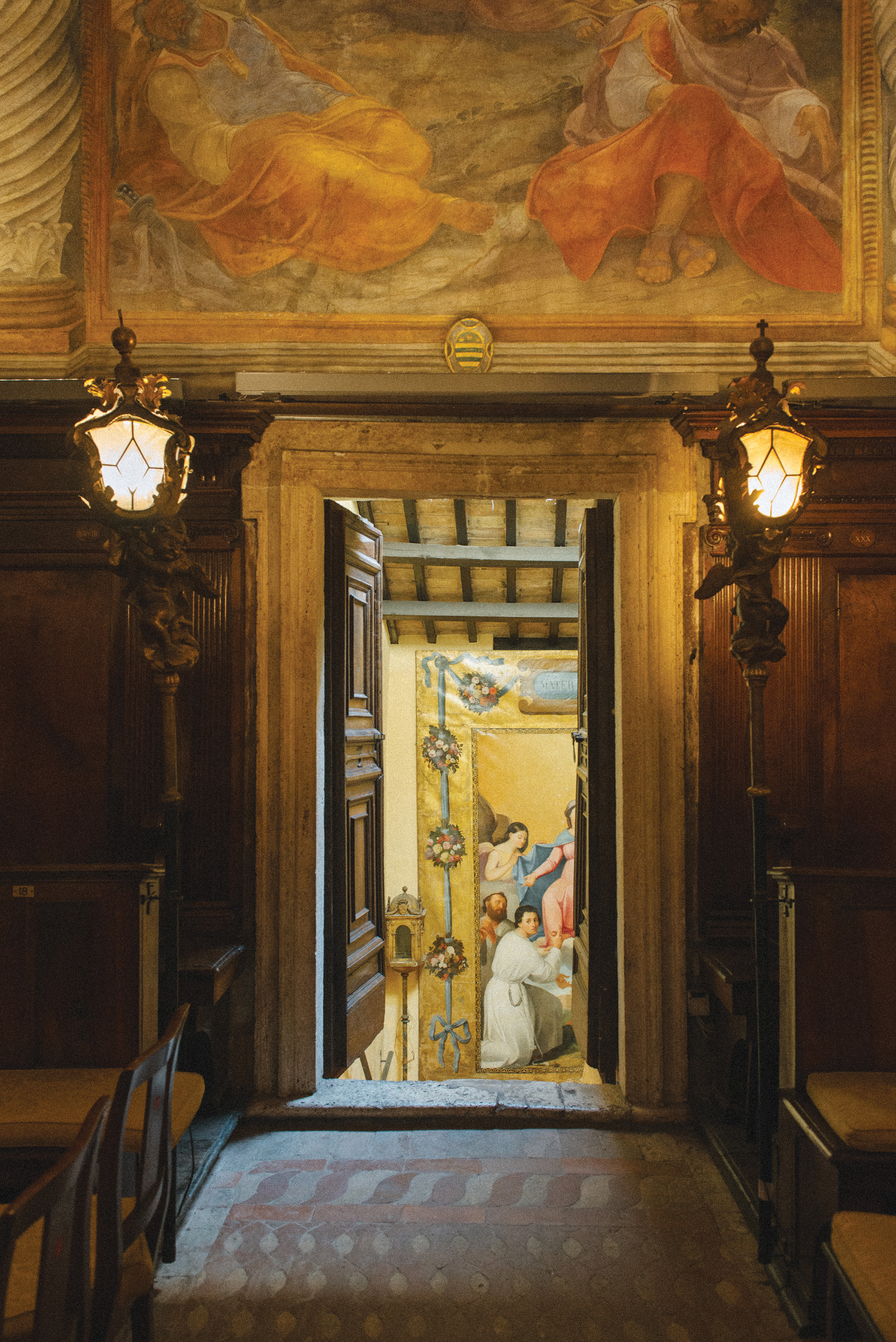
How the Elite See Rome
By Cullen Murphy
A famous entertainer would like to have the Colosseum to herself for a small evening event—anything you can do? A visitor on a layover hopes to see a privately owned Caravaggio behind the walls of a Roman palazzo—what about tonight? A traveler wants to make railway excursions from Rome in a train car with no other passengers—can that be arranged?
Fulvio De Bonis finds a way to say yes to challenges such as these, which fall somewhere between logistical quandary and diplomatic démarche.
More From The Atlantic
- Radio Atlantic: The war Trump can’t control
- The return of the Democratic manly man
- A free-speech meltdown
- What Lindsay Graham wanted
- NATO is going strong, actually.
Culture Break
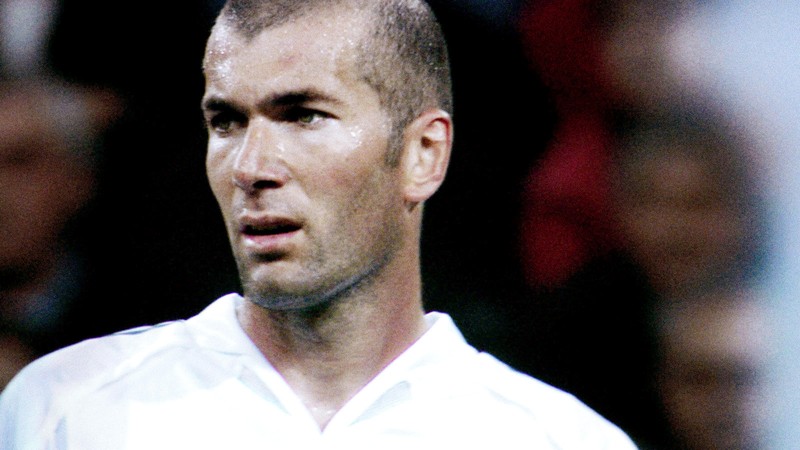
Watch. A new art film on the great midfielder Zinedine Zidane is being shown in the basement theater of New York’s Guggenheim Museum. Sebastian Smee watched it—and learned something about the heroism and pathos of being human.
Examine. The most famous AI writing tic is also the most mysterious, Will Oremus writes.
Rafaela Jinich contributed to this newsletter.
When you buy a book using a link in this newsletter, we receive a commission. Thank you for supporting The Atlantic.
The post The Justice Department’s War Against Reporters appeared first on The Atlantic.