It seems U.S.-Iran negotiations aren’t going as planned for either side, with fresh hostilities flaring this week, sending oil prices higher once again. For analysts, the question is whether this is the tried-and-tested White House method of pressure and de-escalation, or whether the conflict is spiraling. At the time of writing, Brent crude is back up to $77 a barrel—significantly down from the May high of $113 but still elevated compared to February, when the war started. Despite a supposed ceasefire, the U.S. and Iran have traded strikes on numerous occasions this week. Oil tankers are now reluctant to travel through the Strait of Hormuz, stalling supplies as a result.
Wall Street, on balance, is looking ahead despite the geopolitical bumps. Markets are still up month-to-month, and while the VIX volatility index is creeping higher, it is still some way off the levels reached at the outset of the conflict.
Some might argue that optimism bias is the factor settling the markets—others suggest it’s because analysts may have a sense of déjà vu.
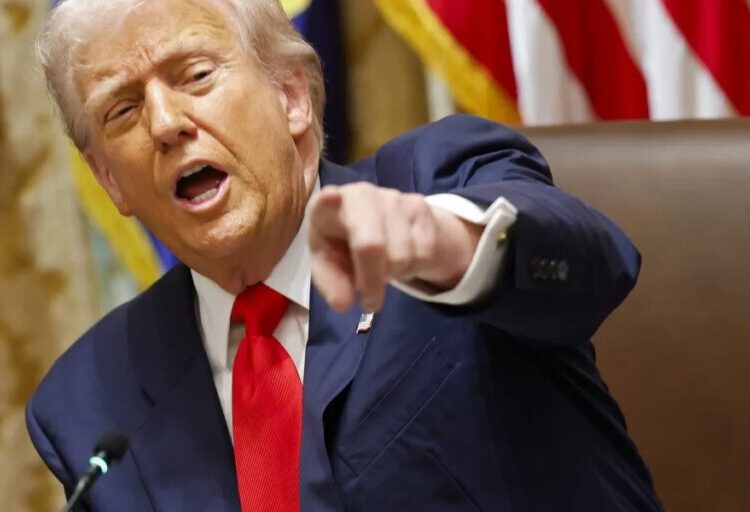
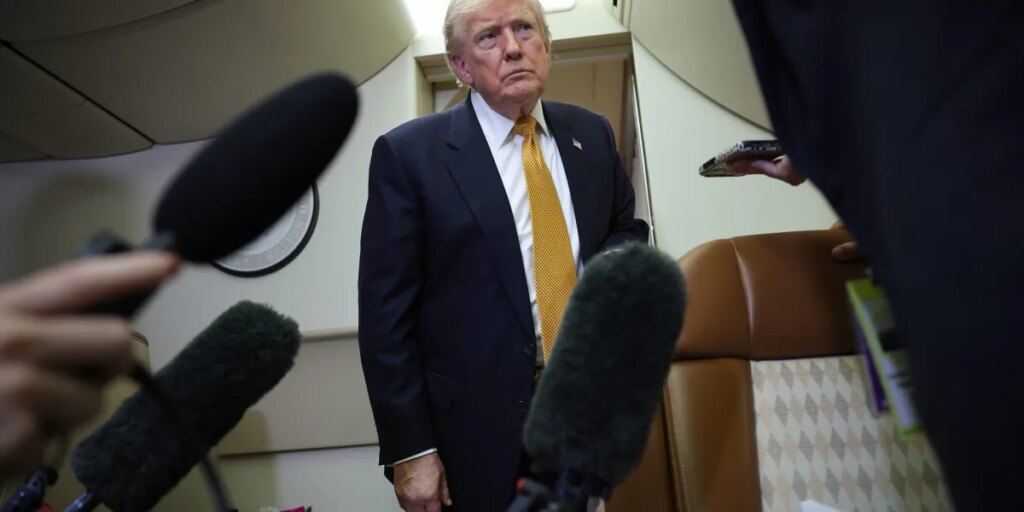
The turbulent negotiations in the Middle East are “eerily similar” to Trump’s methods in dealing with Beijing in his first term, Oxford Economics’s Ben May wrote in a note yesterday.
May, director of global macro research, said that “deep distrust between the U.S. and Iran meant bumps in the road were inevitable,” echoing the cycle of flare-ups and de-escalation markets endured from 2018 and 2019.
In Trump’s first term, a tit-for-tat trade war initiated by tariffs from D.C. (sound familiar?) escalated to the point that vast swathes of Chinese imports were subject to increased duties. China responded in kind until Presidents Trump and Xi Jinping reached the “Phase One” trade agreement in 2020. The agreement, the U.S. government said, was the first step in rebalancing trade with China and resolving structural issues.
In his first term, Trump struck a firm tone that China was “ripping off” the U.S. and that action had to be taken, but he maintained that he could reach a trade deal.
When it comes to Iran in his second term, Trump has oscillated between claiming negotiations with Iran are a “waste of time” but has also insisted that the conflict wouldn’t return to all-out war.
“The question is whether the latest developments merely represent a bump in the road or if we’re emerging from the eye of the storm,” May noted. Despite harsh criticism, Trump “maintained an off-ramp by noting that U.S. negotiators would continue talks with Iran, suggesting the truce hasn’t been irrevocably broken.”
This is a “similar playbook” to China, May adds, saying: “This is reflected in market volatility and the associated difficulty in pricing in the relative likelihood of different scenarios playing out.”
Inflation impact
The current tipping point makes it difficult for economists to establish whether oil prices—and as a result, inflation—are in danger of spiking higher once again.
“It was always going to be hard to have strong conviction about reopening the Strait of Hormuz and the path for oil prices in the baseline forecast, leaving risks weighted to the upside in the near term,” May wrote. “The latest developments probably increase the risk of a scenario akin to our sustained disruption and intensifying war scenarios, but they haven’t yet provided grounds for major wholesale adjustments to our baseline forecast.”
Oxford Economics’s baseline forecast is that $73 per barrel by the end of Q3 and $70 by the end of the year—roughly in line with the pre-war price.
This isn’t an unreasonable expectation, May adds, as long as both the U.S. and Iran continue to leave negotiation as an option on the table, highlighting: “While both countries will be keen to consider themselves as winners, it’s in neither side’s interests for traffic through the Strait of Hormuz to grind to a complete standstill for a sustained period.
“While the balance of risks might be slightly more skewed towards a more adverse scenario materializing, it feels too early to conclude that a major and sustained surge in oil prices … is more likely than not.”
The post U.S.-Iran talks are ‘eerily similar’ to Trump’s bumpy China dealings in his first term, says top economist—don’t rule out further oil price spikes appeared first on Fortune.