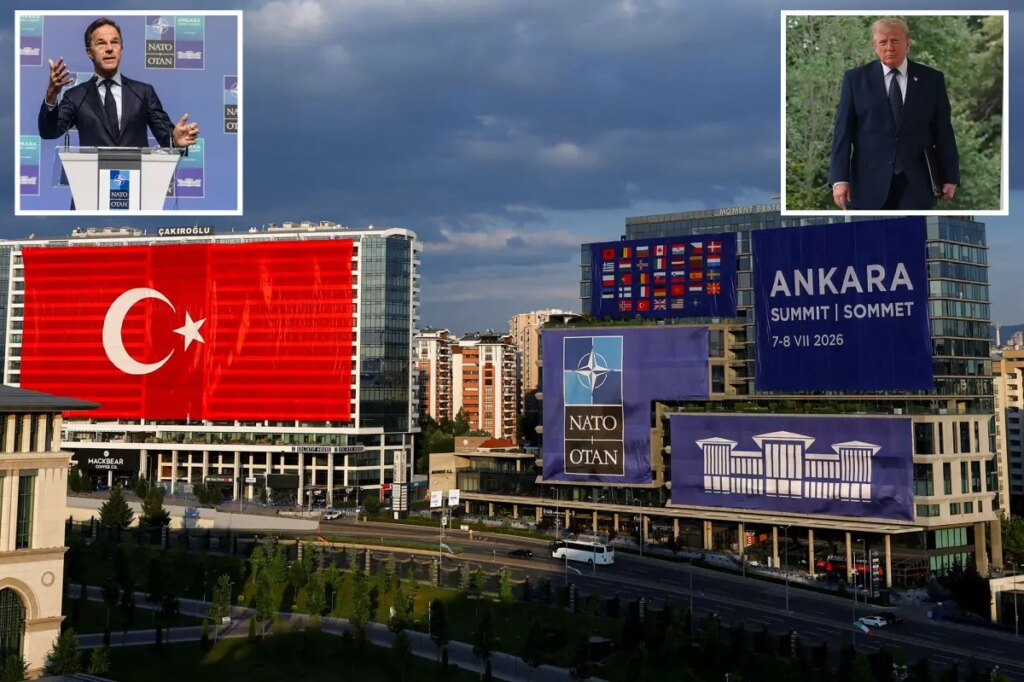
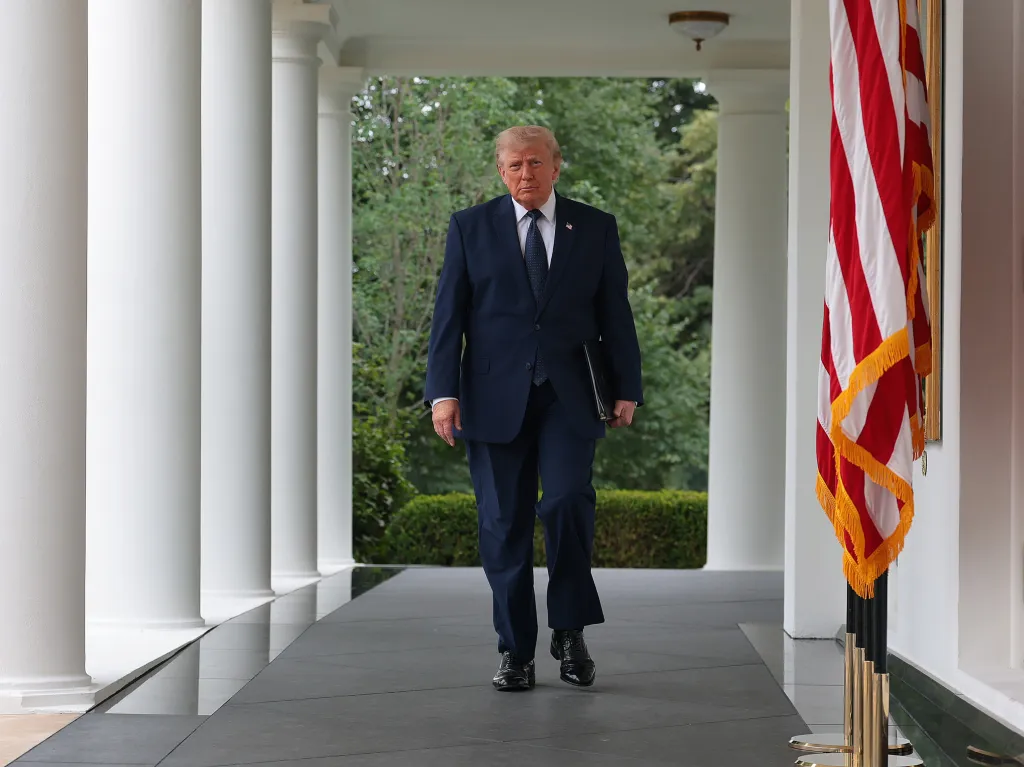
President Trump is set to warn NATO allies against “playing funny math” with their defense spending as he meets with leaders of the military bloc Tuesday — and some of America’s most powerful allies are looking to be the biggest laggards.
NATO has gotten its act together on defense spending since President Trump’s first term — with every country hitting the 2% threshold in 2025, at least on paper. That’s up from just six of the 32 members by the end of his first term.
But the United Kingdom, France, Italy and Spain — four of the five biggest European members of NATO — are all stalling on their promises to shell out more for military hardware and personnel.
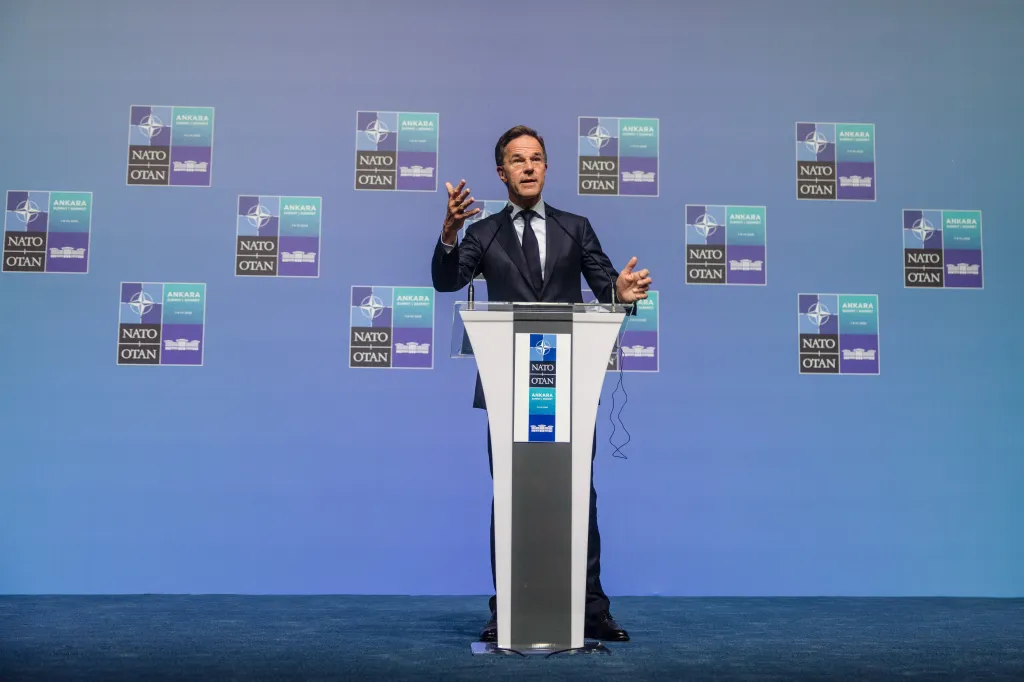
NATO Secretary General Mark Rutte is set to insist that alliance members are en route to fulfill last year’s agreement that all nations boost their defense spending to 5% of their GDP by 2030.
The reality, however, shows that several of NATO’s largest economies — bogged down by moribund growth and political division — are far from reaching that goal.
“They’ll get there when they can, but these nations don’t feel a strong urgency about their national security compared to others and are focused on other priorities,” Jerry McGinn, director of the CSIS think tank’s Center for the Industrial Base, told The Post.
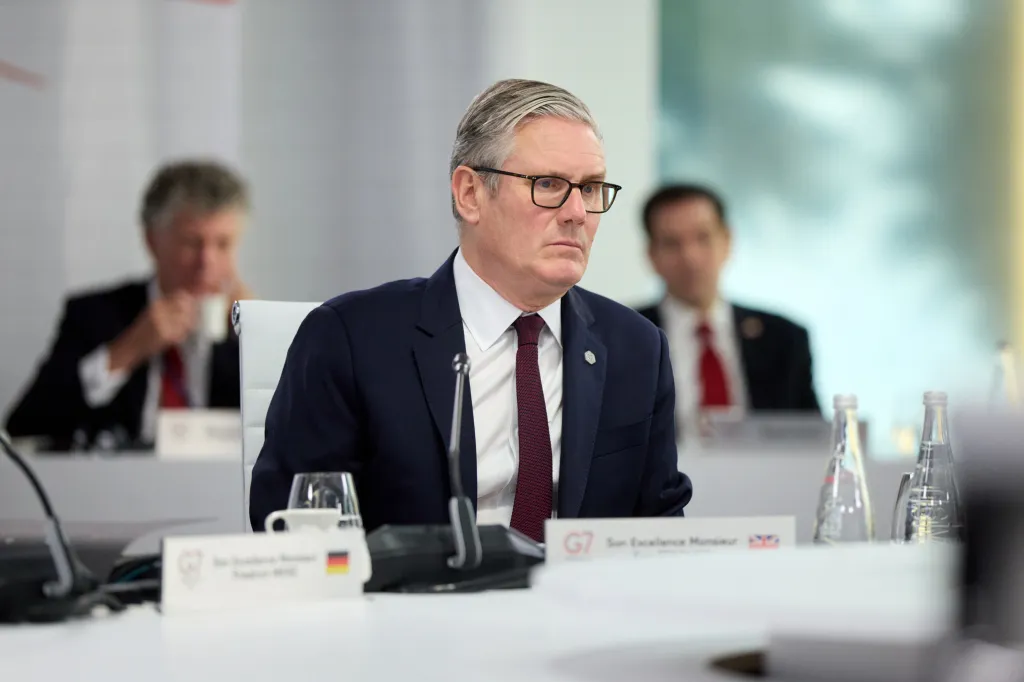
The UK — a nuclear power that once had the most powerful military in Europe — now has its smallest army in more than two centuries.
Despite being the second-largest economy in Europe, the UK struggles to commit just 2.31% of its GDP towards its defense, according to the Washington-based Atlantic Council think tank.
While Britain announced plans to add an extra $20 billion toward its defense spending last week, the method of gaining the funds remains dubious and still falls short of even reaching 3% of GDP.
The UK, which is undergoing yet another political upheaval over its staggered economy, has previously acknowledged that it cannot meet the 5% pledge.
Instead, Britain made its own commitment to hit 3.5% by 2035 — a goal that British officials have said is still unrealistic.
Trump is likely to slam countries that he believes are not making significant progress on beefing up their defense — especially given NATO’s refusal to let the US use its air bases for the Iran war.
“It was a big deal during the first term, and it will continue to be an important priority for him in the second,” a senior administration official told The Post.
Trump is also on the lookout for countries who are “playing funny math” with their 5% military spending targets — either by failing to lay out clear plans to meet the figure or including non-military expenses.
France, which has a history of losing land wars, barely made it to the 2% mark last year, with Paris looking to increase its defense spending by just half a point by the end of the decade — only halfway towards Trump’s designated goal for 2030.
Italy is on similar footing, with Italian Prime Minister Giorgia Meloni expected to announce a plan to increase spending from around 2% to 2.8% of GDP this year.
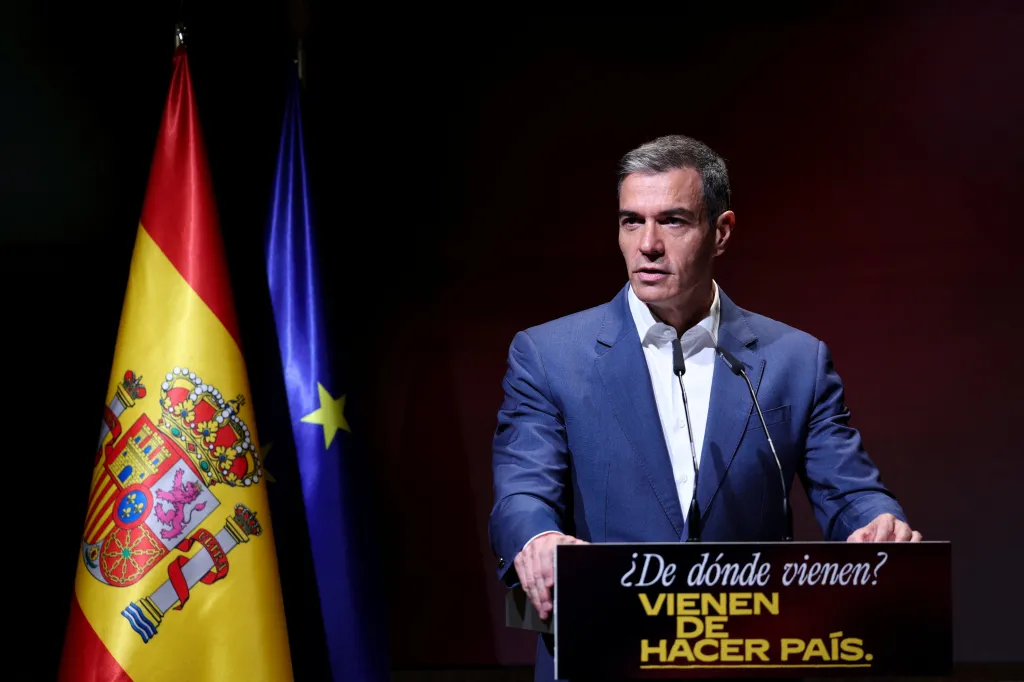
Meanwhile, in Spain, socialist President Pedro Sanchezhas refused to spend more than 2.1% it already does of the country’s GDP on defense.
“If you take a look, geographically — with the exception of Germany — the nations spending the most on defense are all located in proximity to Russia,” McGinn pointed out, noting the changes in priorities following Russia’s invasion of Ukraine.
Poland, Lithuania, Latvia and Estonia are among the nations spending the most on defense, fueled by the growing threat posed by Russia — with Warsaw leading the pack at 4.5%.
All those countries are currently investing more of their GDP in defense than the US, which has proposed an increase of 4.6% this year that is unlikely to manifest, McGinn said.
Germany, NATO’s largest economy, has plans to hit about 5% of GDP by 2030, according to a budget draft seen by Reuters.
Also likely to be on the hot seat are the Czech Republic, Slovenia and Albania, all of whom reportedly inflated their figures to reach this year’s 2% goal, with NATO demanding clear answers at this week’s summit.
The nations previously admitted that part of their spending was going towards things like roadwork and other projects that don’t actually translate to bolstering their military.
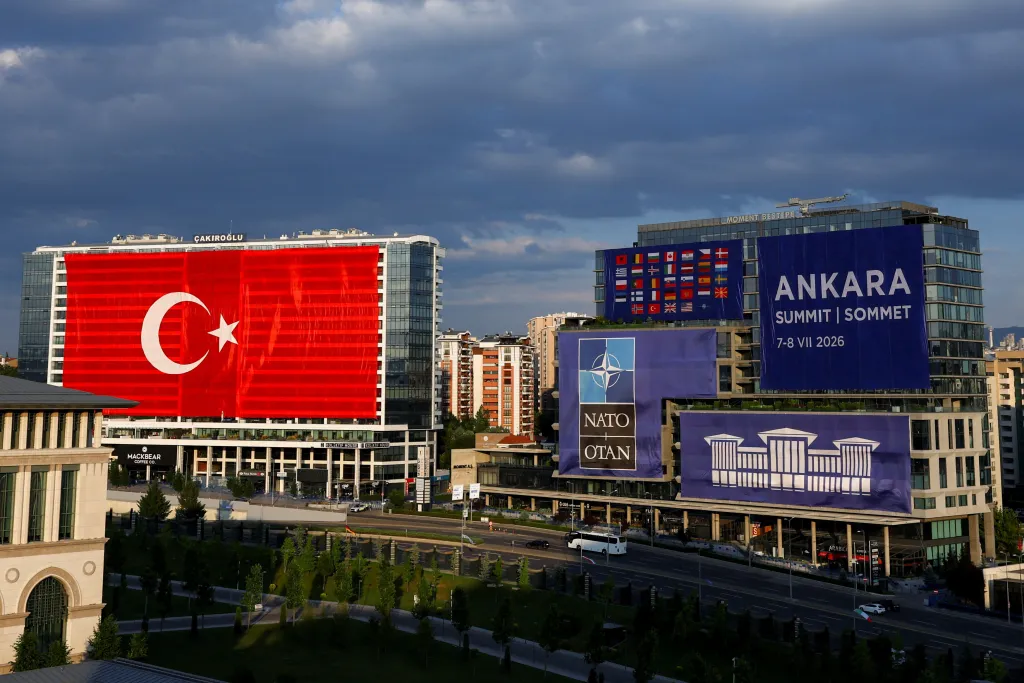
The differences on who’s spending more on defense are likely to increase tensions within the alliance come Tuesday, with NATO officials set to take a clear look at budget plans with an eye toward making stronger military forces.
“For us, the challenge is to ensure that Allies remain on the credible path towards that 3.5% commitment, if you keep on bumping along at 2%, then you’re not on the credible path,” a senior NATO official told Reuters.
NATO’s 5% pledge calls for the bulk of the spending to be used on direct military assets, including manpower, weapons and other equipment and systems used for defense.
As part of that figure, countries would also have to allocate 1.5% for broader security and defense investments, including critical infrastructure and civil preparedness.
With Post Wires
The post Trump to warn NATO countries against using ‘funny math’ on defense — as key allies struggle to do the minimum appeared first on New York Post.