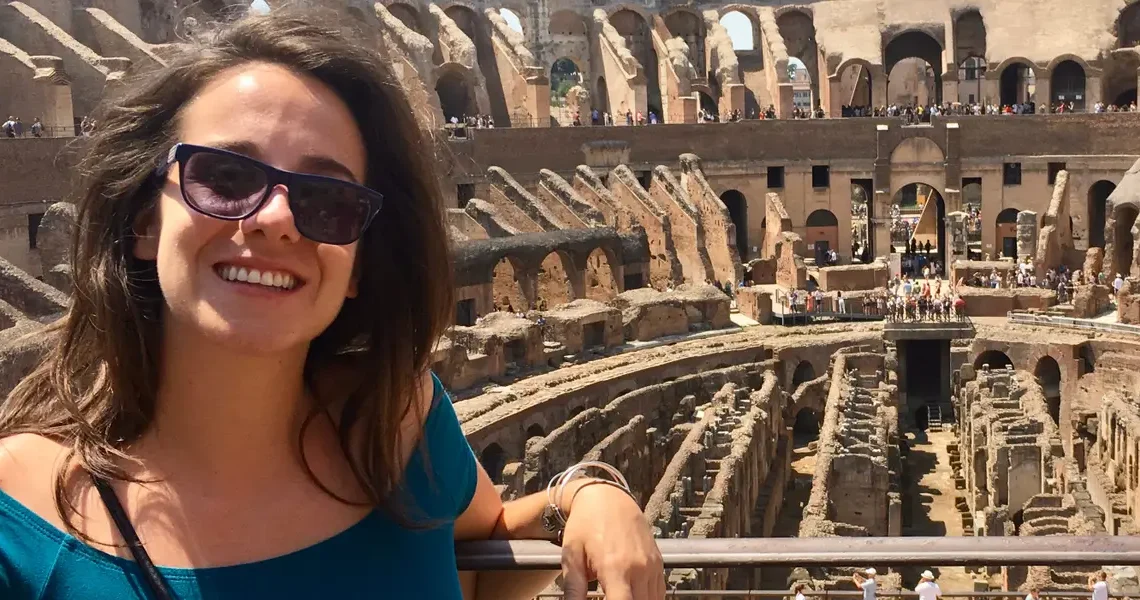
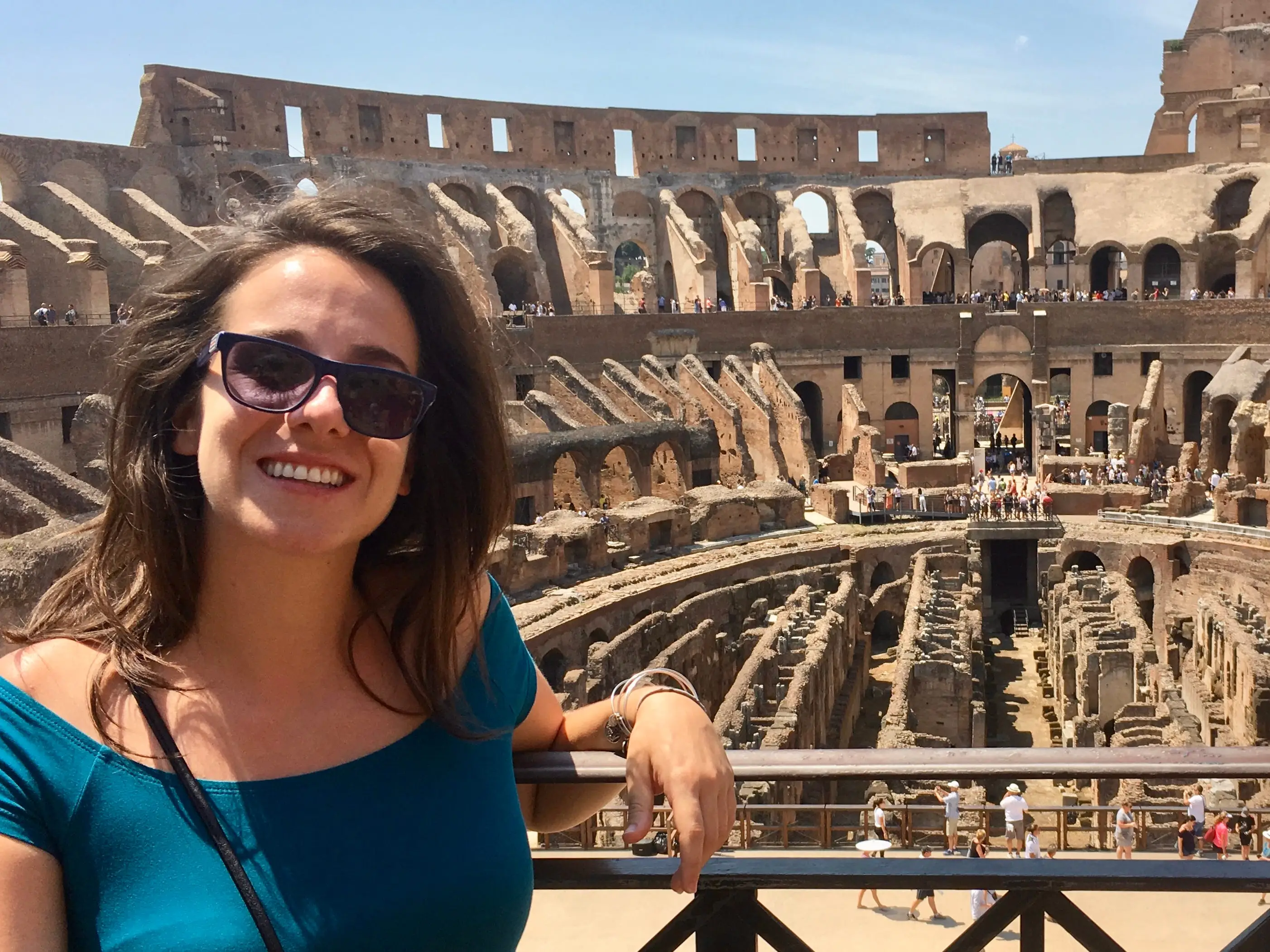
When tourists think of Italian summers, they likely picture balmy beach days, lazy lunches, and sunset spritzes. However, they often forget that the season also brings huge crowds, high temperatures, and plenty of logistical challenges.
In my experience, the difference between a dreamy summer trip and a frustrating one often comes down to how well you plan for those realities.
Take it from me — when I first moved from the US to Rome, I made some of the same missteps I now see many visitors make. But now that I’ve lived in Italy for 10 years, I know all about the things tourists should avoid doing when traveling in the summer months.
Not resting after lunch
The afternoon break — known as riposo — isn’t as ubiquitous as it used to be, especially in big cities. However, it still happens in many parts of Italy.
In general, many small businesses close for a few hours around lunchtime, typically from 1 p.m. to about 3 p.m. or 4 p.m, to rest and enjoy a meal. Plus, many restaurants close to get ready for the dinner rush.
To avoid a sweaty, exhausting afternoon, I recommend sightseeing in the morning, grabbing some lunch, and then honoring the local tradition of taking the hottest part of the day off to rest before heading back out in the early evening.
Trying to eat dinner too early
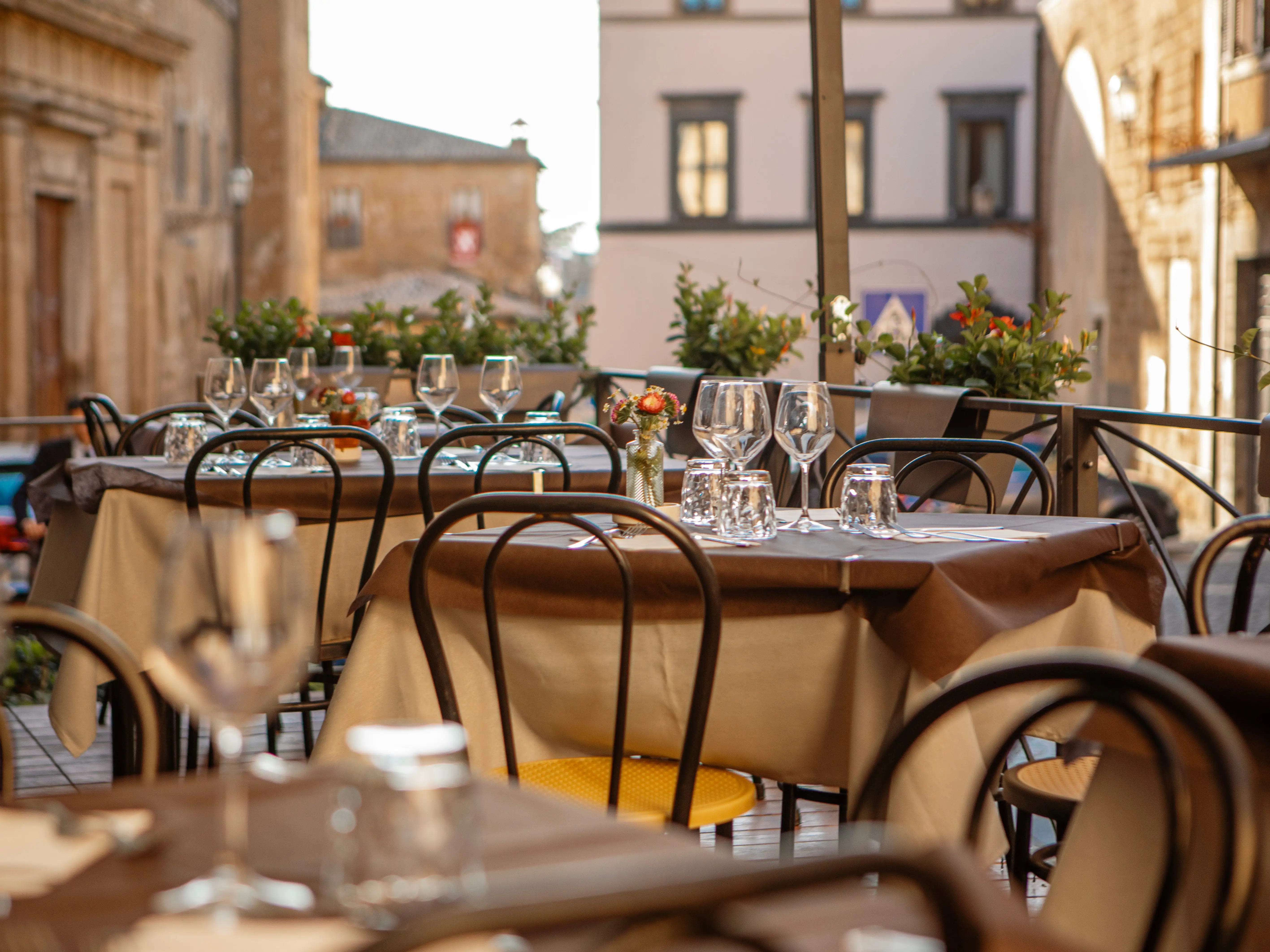
Growing up in the US, I typically ate dinner around 5:30 p.m. However, here in Italy, people eat much later, especially in the summer when temperatures are high.
In fact, restaurants typically don’t open for dinner until at least 7 p.m. However, I recommend waiting until at least 8 p.m. to dine, so the heat has a chance to dissipate.
Knowing this ahead of time will keep you from disappointment when showing up before a restaurant is open.
Missing out on seasonal foods
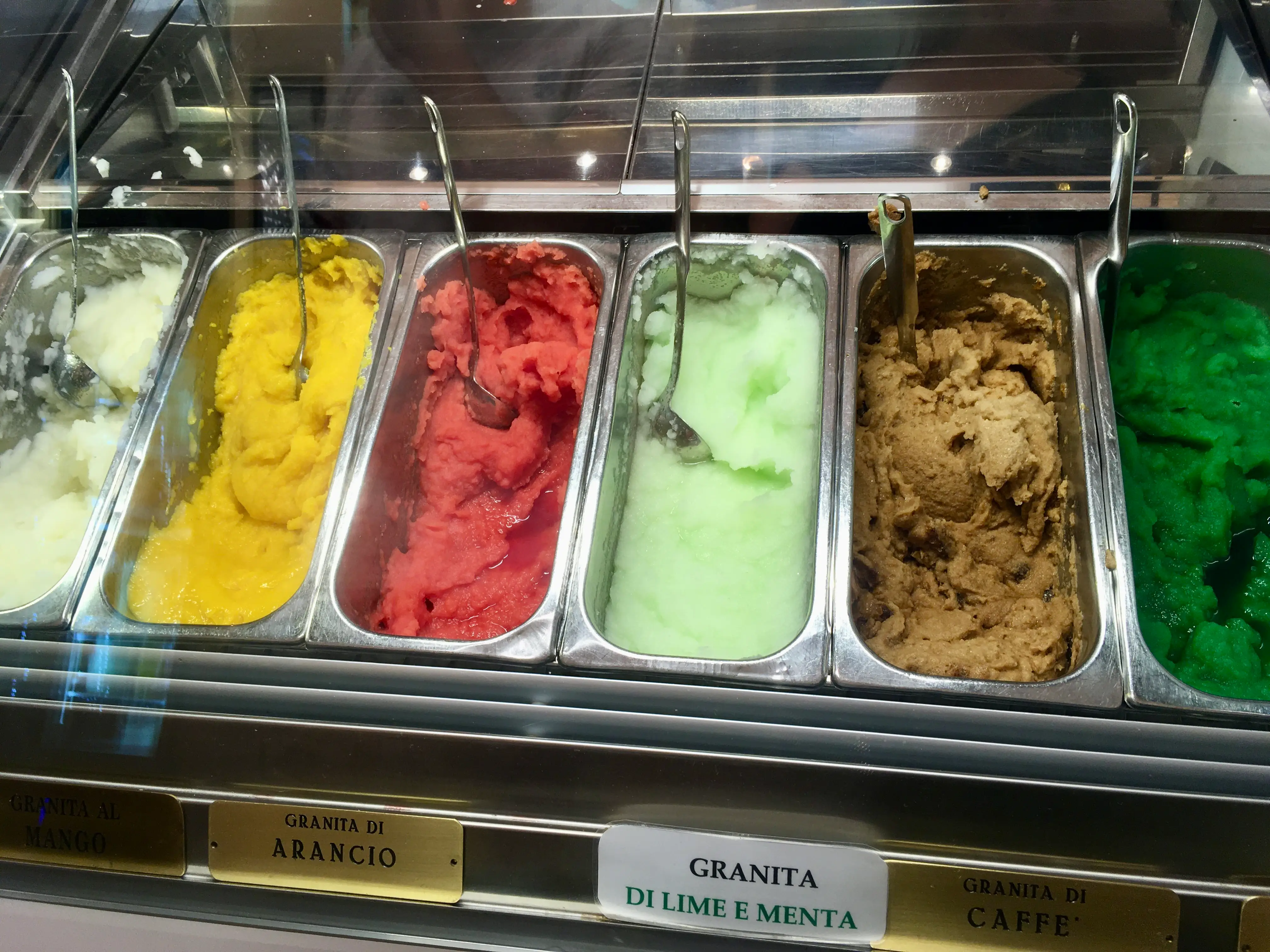
Italian cuisine is big on seasonality, and the summertime is filled with fresh produce and other light fare.
In central Italy, you’ll find panzanella, a salad made with cucumbers, tomatoes, onions, and bread. In the south, look for friselle — rings of bread that are baked twice, moistened with water, and served with veggies or other cold toppings.
I also recommend sampling summery delights like grattachecca, a Roman specialty of crushed ice, flavored syrup, and chunks of fruit. Or, try a Sicilian granita, another icy treat made with fruit, nuts, or coffee.
Dressing inappropriately
Different parts of Italy call for different dress codes.
Of course, if you’re on a beach, swimwear is welcome. However, in several Italian towns like Sorrento, you can be fined for walking around town in your bathing suit.
If you’re not sure about the local ordinances where you are, it’s probably best to be on the safe side and cover up.
Plus, if you plan on visiting any religious sites, most require both men and women to keep their shoulders and knees covered. To avoid overheating during the day, I like to carry a scarf with me that I can drape over my shoulders or tie around my waist.
Not understanding how Italian beaches work
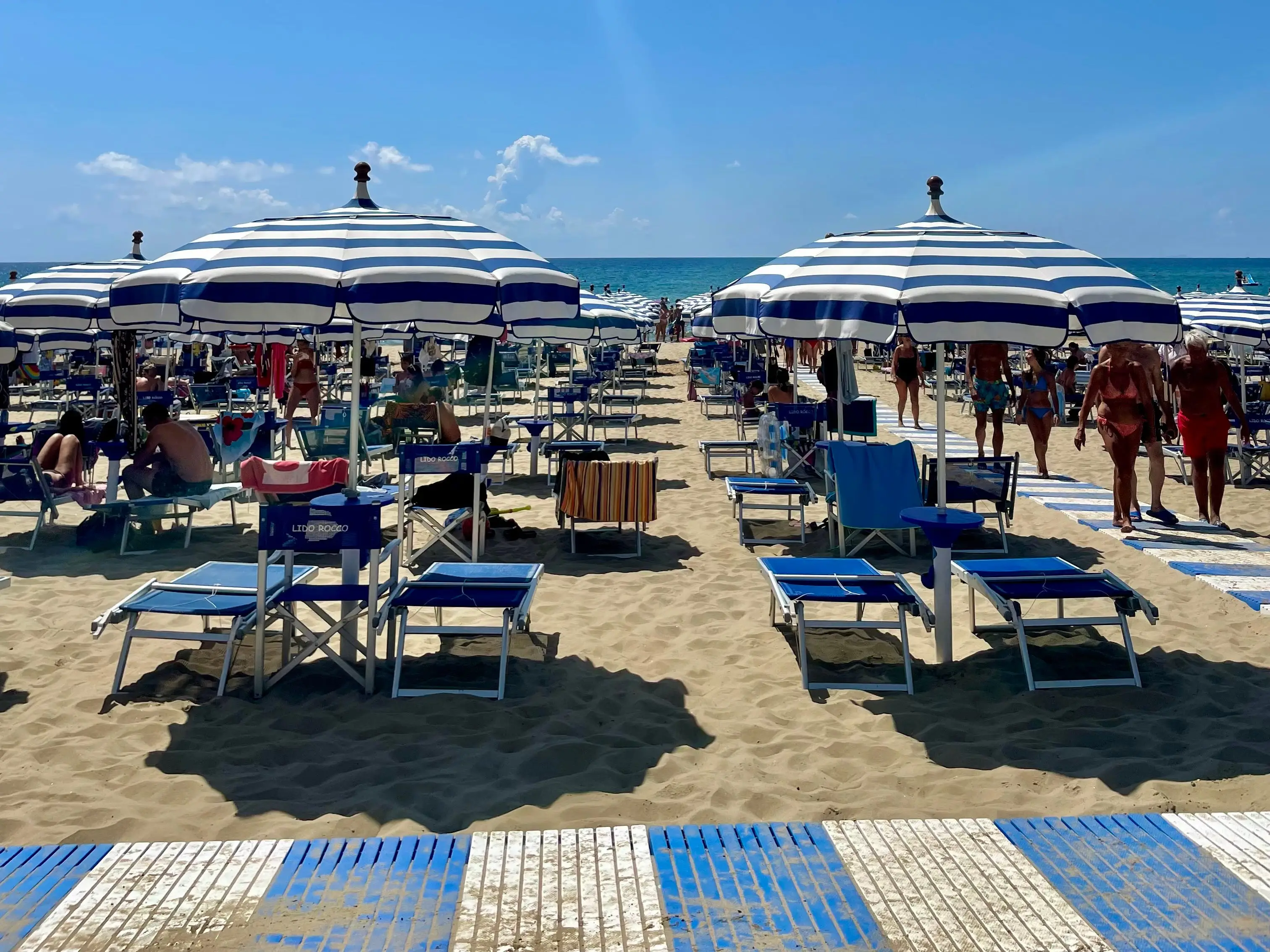
Although there are free beaches in Italy, many are dominated by private clubs that charge for sunbeds and umbrellas. When you pay to enter a beach club, you also typically get access to amenities like restrooms and changing facilities.
It’s important to do your research ahead of time so you know how much to budget for a beach day. And if you want to go to a free public beach in a busy town, you may have to do some searching.
Forgetting to book tickets in advance
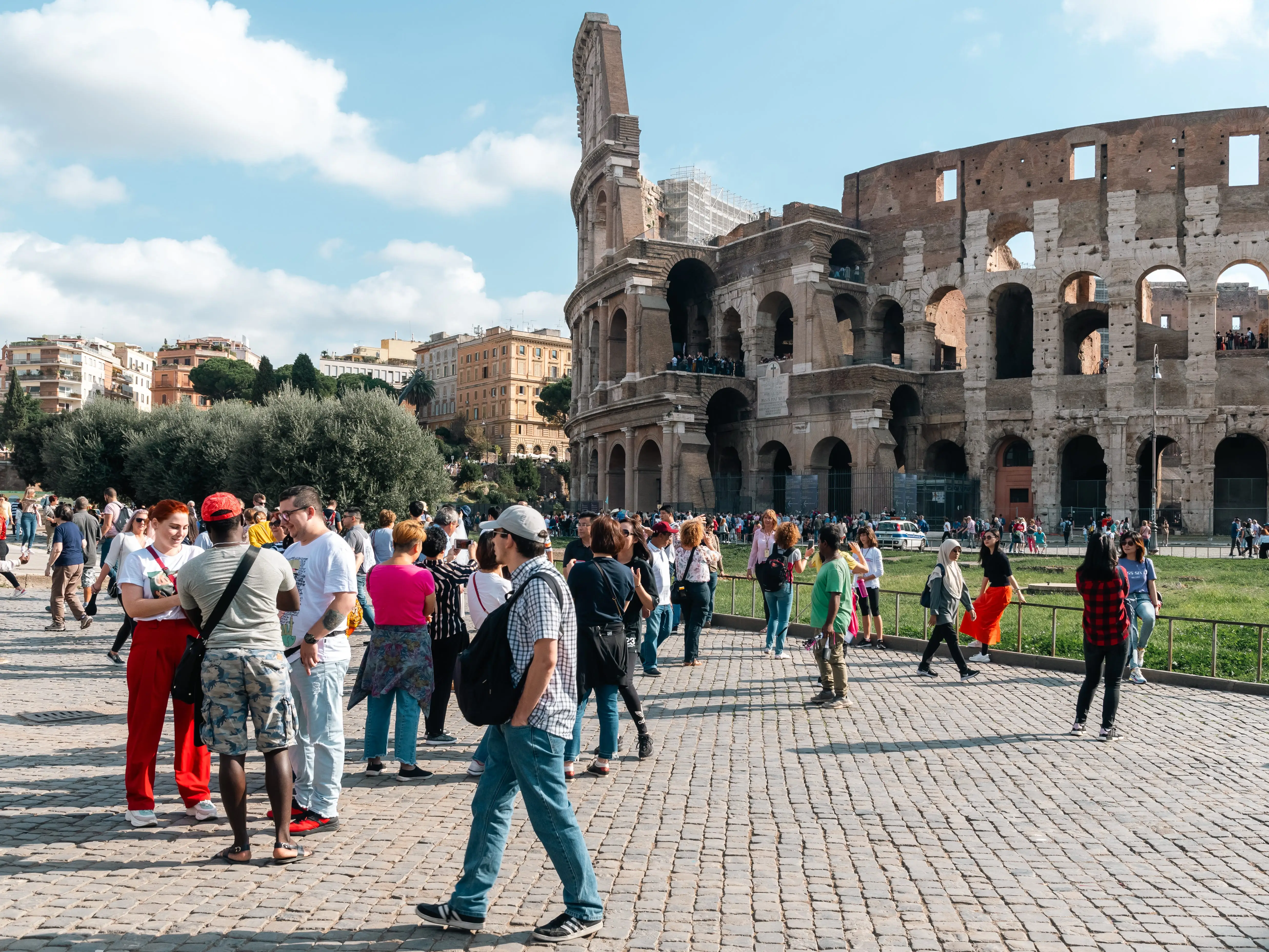
Given summer is the busiest season for tourism in Italy, it’s essential to book tickets to the biggest monuments and museums — like the Colosseum and the Vatican museums — in advance.
Doing so not only helps you avoid the disappointment of sold-out tickets, but can also significantly reduce the time you spend waiting in line.
Likewise, if you plan to travel around the country, it’s also a good idea to book high-speed train tickets in advance, since trips on popular routes can sell out. Plus, the cost of tickets tends to increase the closer you get to the date of travel, so advance bookings can help you save some money.
Not knowing when national and local holidays are
Italians celebrate two national holidays in the summer — Festa della Repubblica (Republic Day) on June 2 and Ferragosto (the Feast of the Assumption of Mary) on August 15.
Many businesses are closed on these days, and some even extend the August holiday into a few weeks off. So, if you’re planning on visiting Italy during these holidays, it’s important to plan ahead.
There are also local holidays that may affect crowds. For example, Venice celebrates Festa del Redentore (the Feast of the Redeemer) over the third weekend in July, so expect lots of people (and lots of fun).
Sticking only to the touristy areas
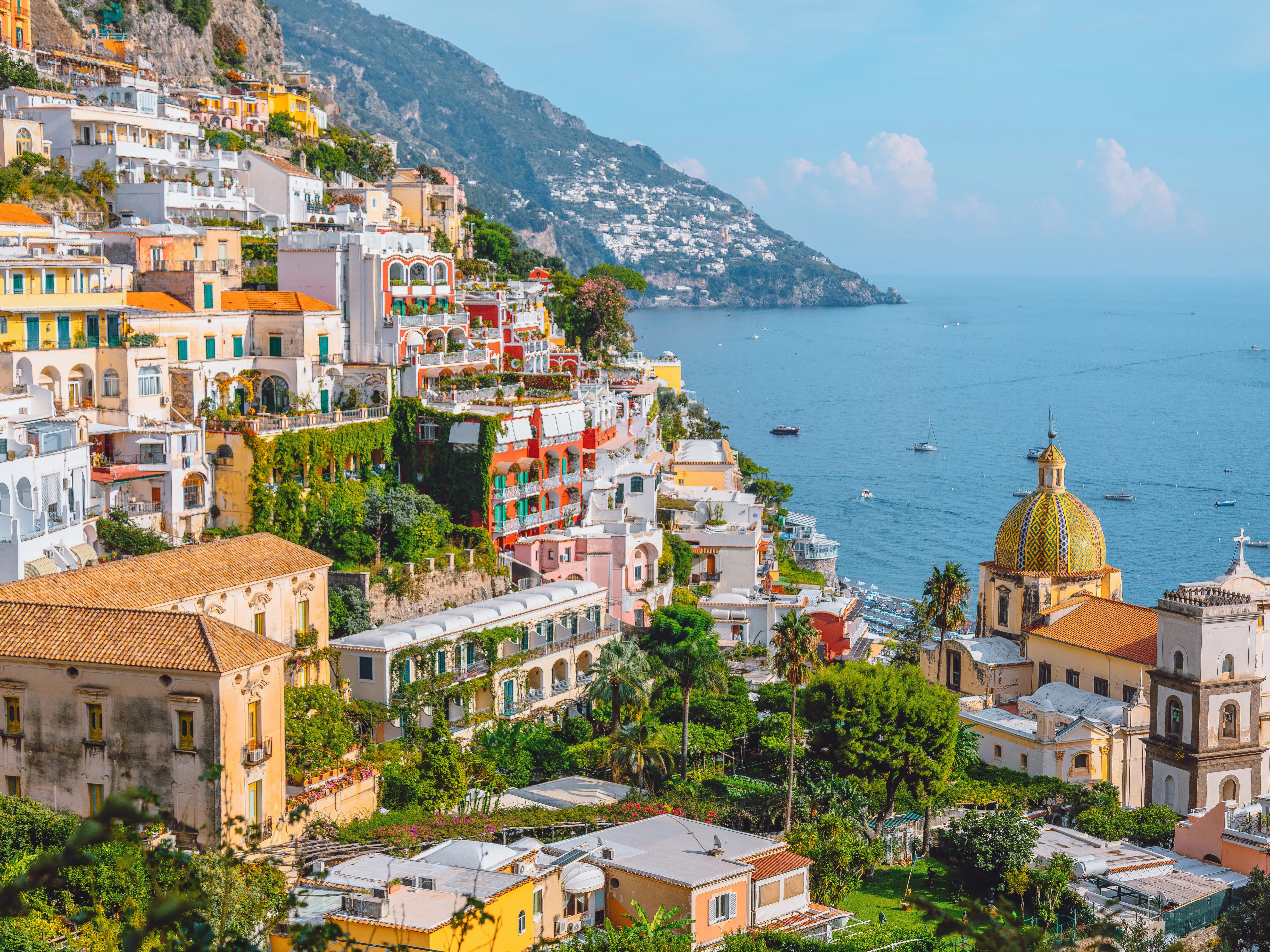
If you truly want to escape the crowds, it’s a good idea to skip touristy areas like Venice, Florence, Rome, and the Amalfi Coast during the summer months.
Luckily, though, the whole country is bursting with incredible works of art and architecture, excellent food, and great beaches.
My personal favorite places to vacation in the summer are Pescara, a coastal city on the Adriatic Sea, and Orte, a historic town in the Lazio region. In my opinion, both of these destinations offer a more peaceful and less-touristy version of Italy.
Read the original article on Business Insider
The post I’m an American who’s lived in Italy for 10 years. Most tourists ruin their summer trips by making these 8 mistakes. appeared first on Business Insider.