Mistero risolto.
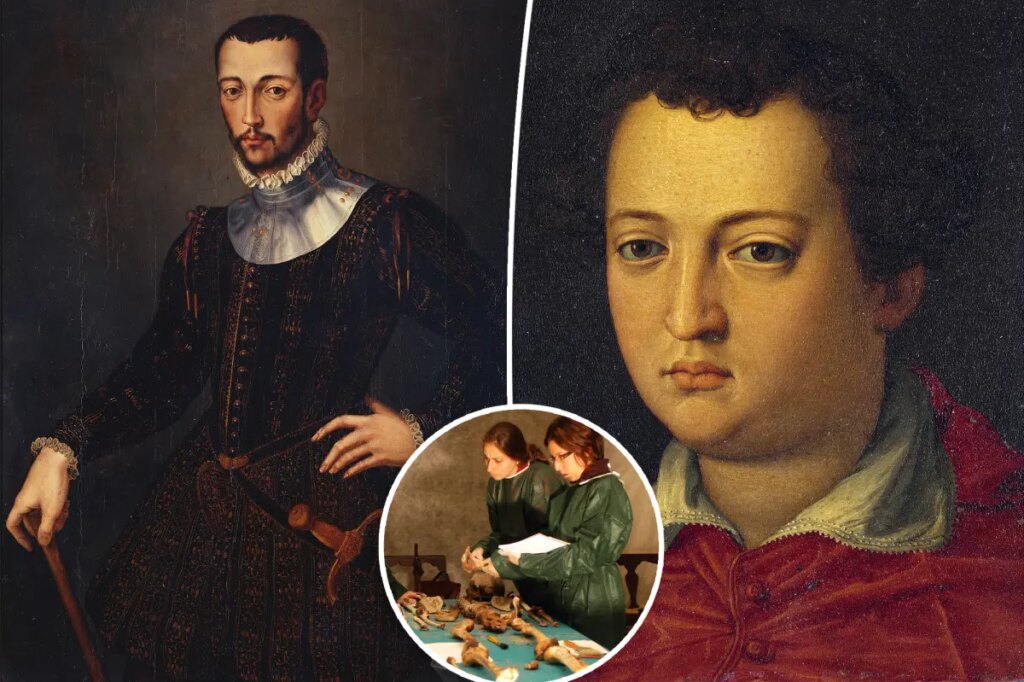
For centuries, historians debated a longstanding mystery: Were two members of the powerful Medici dynasty victims of disease — or murder?
Now, nearly 500 years later, scientists say they finally have an answer.
A new analysis of the centuries-old remains of two Medici brothers uncovered evidence of malaria infections, settling one of the Renaissance’s longest-running mysteries while offering new clues about the deadly disease’s past.
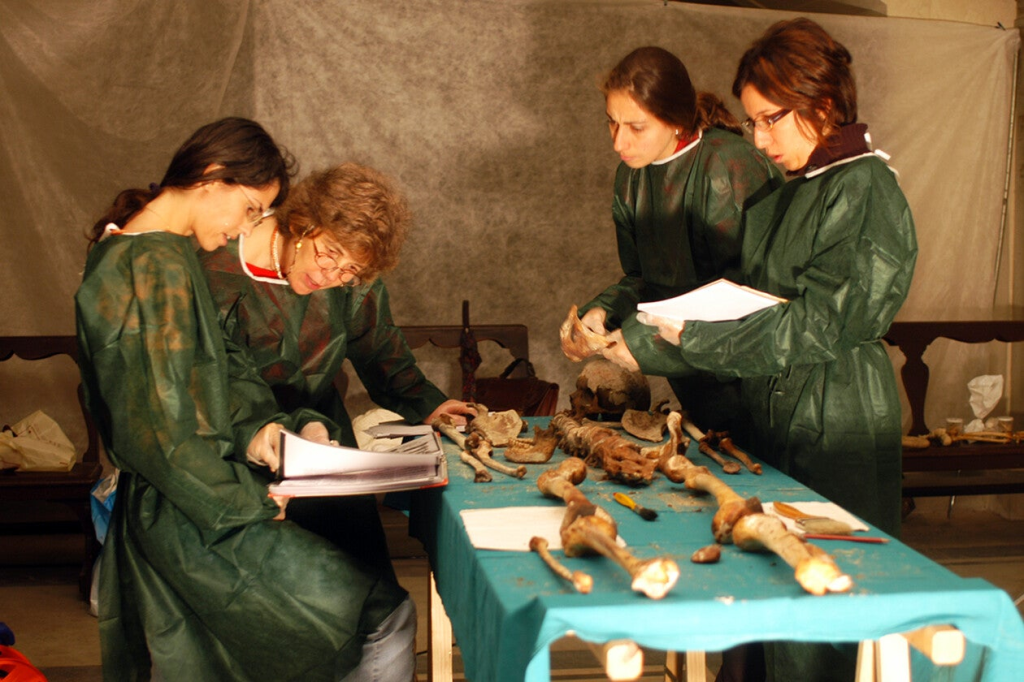
Yale researchers, in collaboration with paleopathologists from the University of Pisa in Italy, analyzed DNA from the brothers’ skeletal remains as part of an effort to trace how malaria spread and evolved during the Renaissance.
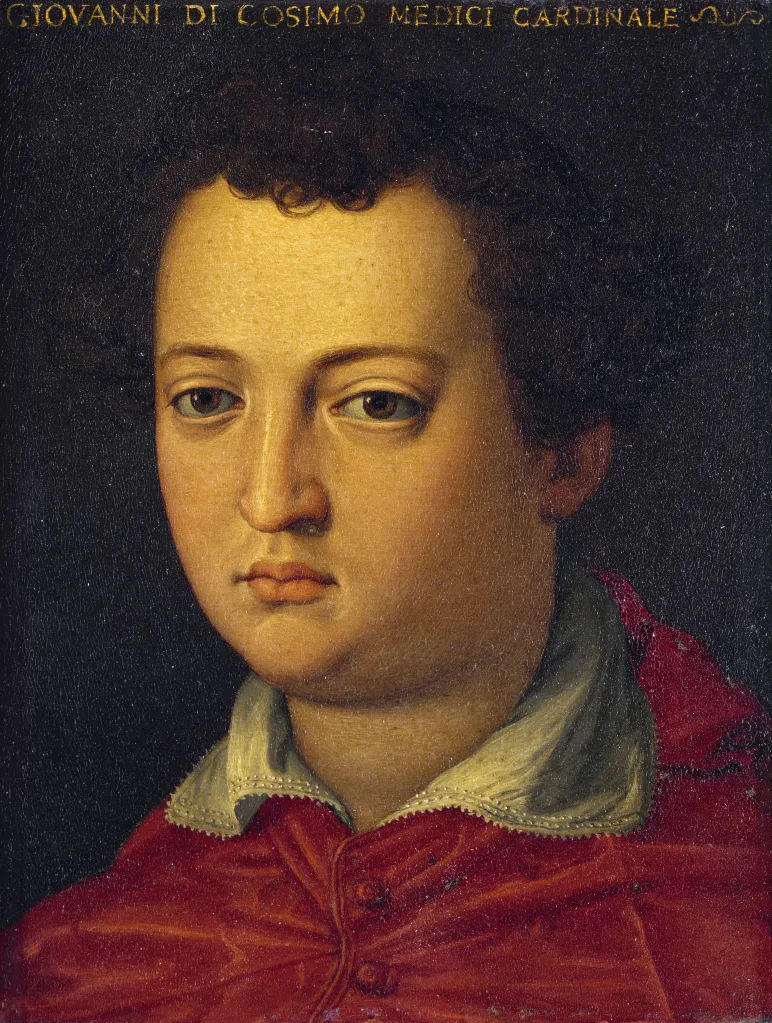
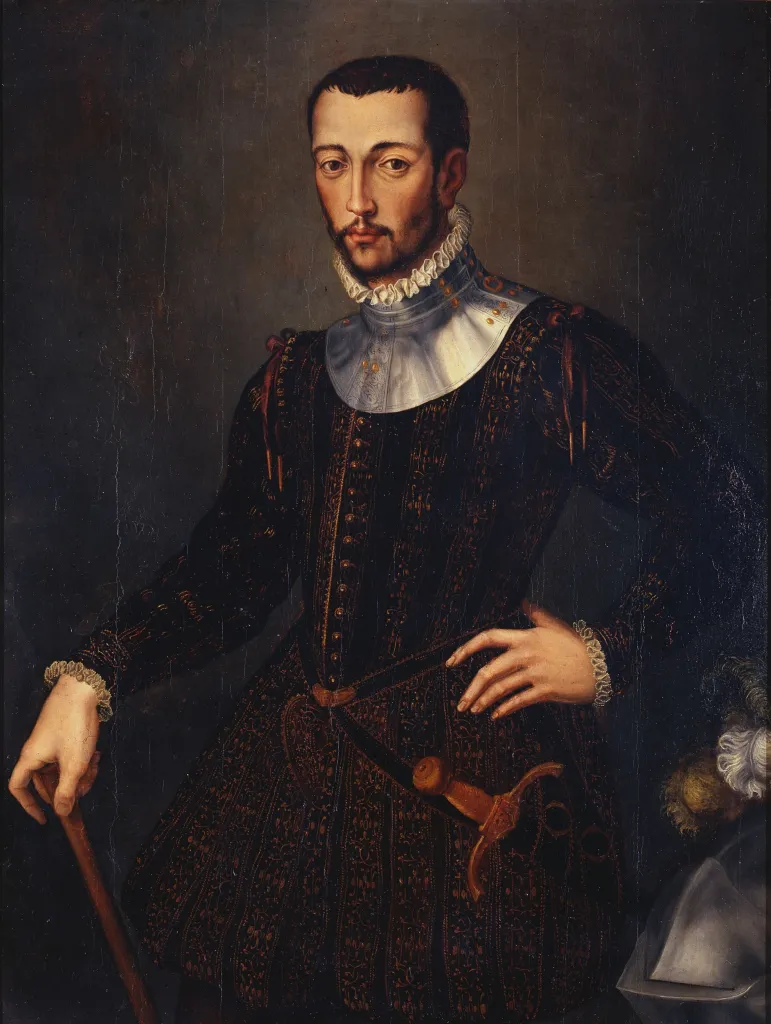
According to the study published in iScience, the team found traces of Plasmodium falciparum — the parasite responsible for the deadliest form of malaria — in the remains of the banker brother Giovanni de’ Medici. They also identified evidence of a second malaria strain in Francesco de’ Medici, providing the strongest scientific evidence yet that the former Grand Duke of Tuscany died from malaria rather than poison.
“Our study is a great example of how we can use advanced ancient DNA laboratory methods to map the history of this deadly pathogen,” said senior author Serena Tucci, assistant professor of anthropology in Yale’s Faculty of Arts and Sciences.
For generations, historians had suspected foul play.
The theory that Francesco had been poisoned persisted for centuries, inspiring books, documentaries and endless debate. The speculation was fueled in part by what the Medici family represented.
The Florentine banking dynasty helped finance the Renaissance, produced four popes, two queens of France and some of Europe’s most influential political leaders, making stories of betrayal and assassination seem entirely believable.
For the new study, the researchers extracted DNA from four rib samples of the brothers, which were entombed in the Medici Chapels in Florence. The results, which identified malaria as the culprit, represent how DNA can serve as a powerful tool for solving historical mysteries. A thought that was unimaginable not too long ago.
“The study of ancient DNA offers us an opportunity not only to diagnose malaria in the remains of individuals from the past, but it also offers us a window for understanding the evolution of malaria species,” said Yale researcher Alexander Ochoa.
Malaria was widespread in Central Italy from ancient times into the 20th century, and it still remains a major global health threat, although treatment options now exist. According to the World Health Organization, there were an estimated 282 million malaria cases worldwide in 2024, resulting in roughly 610,000 deaths.
But researchers weren’t starting from scratch entirely.
Earlier testing by the University of Pisa had already suggested both brothers carried P. falciparum, but scientists had never genetically analyzed their skeletal remains to confirm the findings.
The suggested findings were based on the symptoms they reportedly experienced.
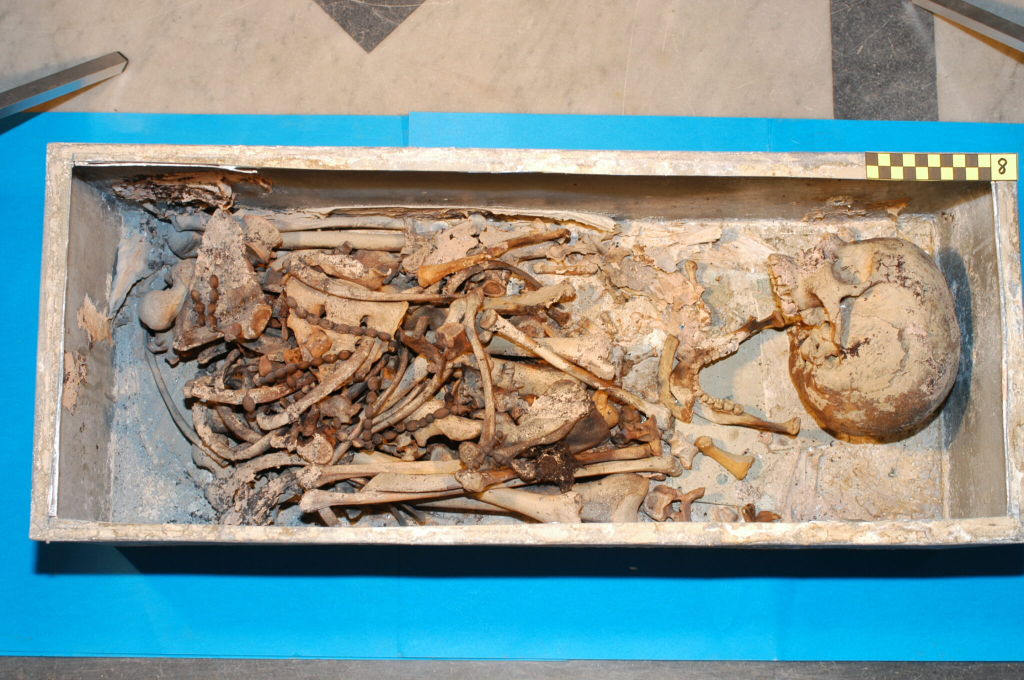
“At the time, both were diagnosed with symptoms, such as intermittent fevers, consistent with malaria,” said study co-author Valentina Giuffra, full professor of history of medicine at the University of Pisa.
“This genetic analysis confirms the historical accounts as well as prior research. Now we can say with scientific certainty that malaria, not poisoning, killed Grand Duke Francesco de Medici.”
The findings also offer researchers a rare glimpse into how malaria evolved centuries ago, potentially helping scientists better understand the history of one of the world’s deadliest infectious diseases — while finally closing the book on one of the Renaissance’s most enduring mysteries.
The post Medici brothers’ murder mystery solved as new research rules out poison theory appeared first on New York Post.