Welcome to Long Spyland.
America won its independencewith the help of the Culper Spy Ring, a small band of Long Island patriots whose exploits included foiling several assassination attempts on George Washington.
The North Shore crew of childhood friends also engaged in espionage that uncovered Benedict Arnold’s infamous treason — and also covertly infiltrated Redcoat brass while on the deeply British-occupied Long Island.
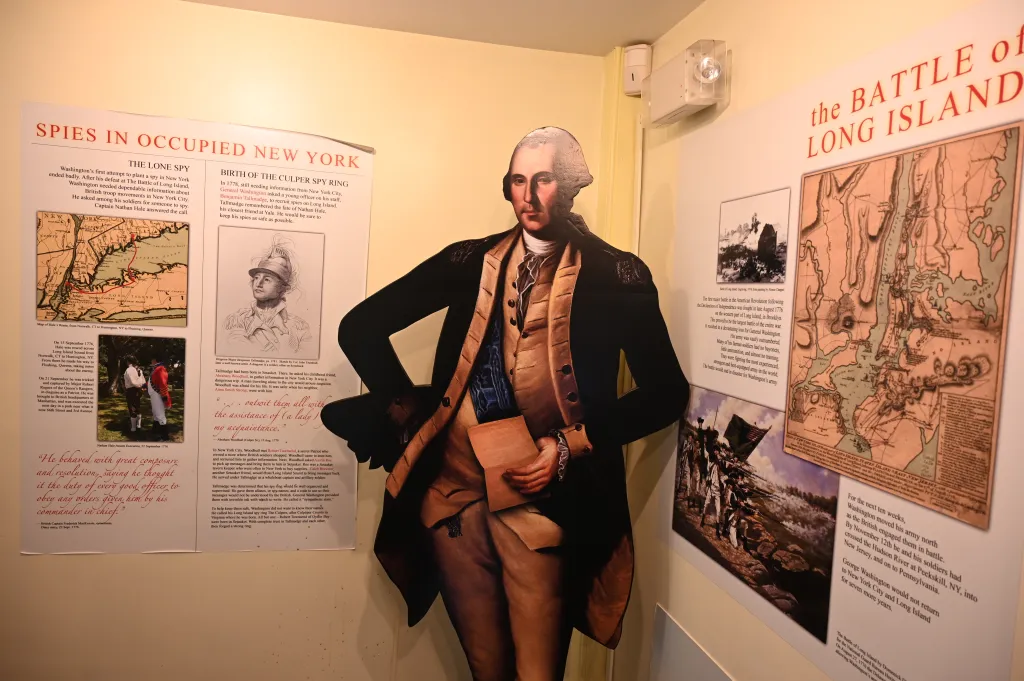
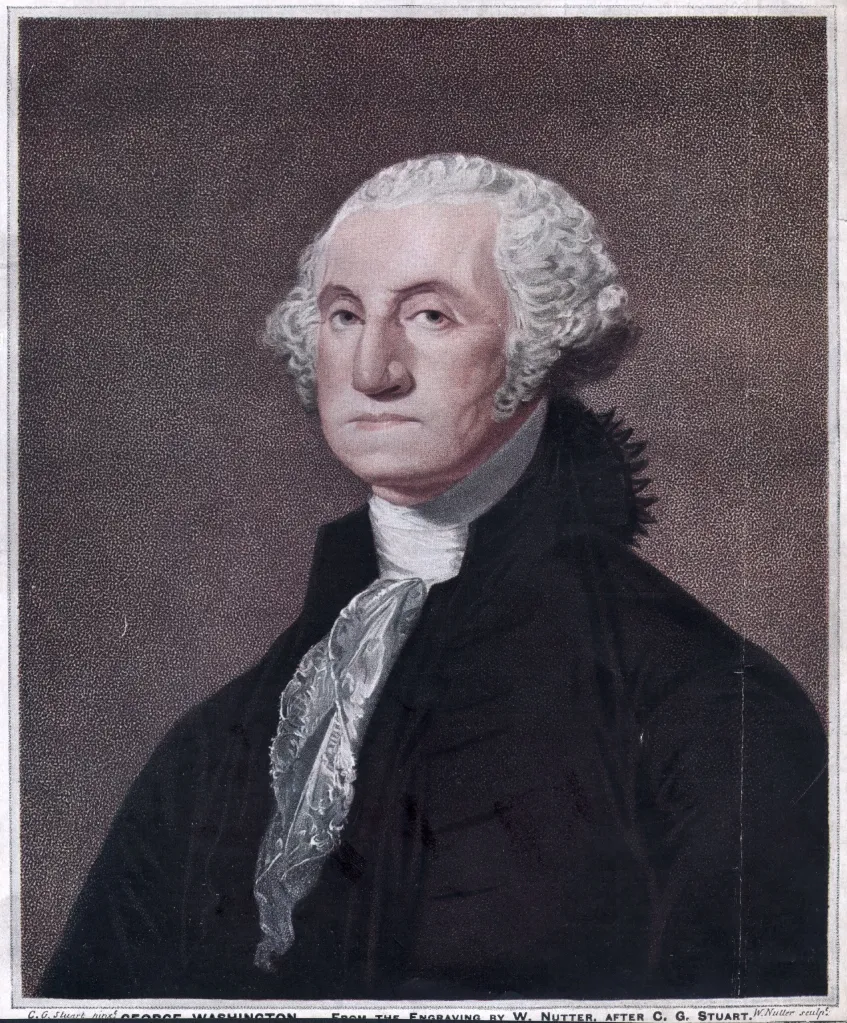
“A British officer said Washington didn’t really outfight us, he outspied us,” Fox News host Brian Kilmeade, author of “George Washington’s Secret Six: The Spy Ring That Saved the American Revolution,” told The Post.
“If you go to the CIA right now, they will tell you that.”
Washington deeply understood the value of an intelligence service since his days commanding British troops during the French and Indian War and “demanded” it to defeat the Redcoats, Kilmeade said.
However, the near-immediate capture of colonial spy Nathan Hale in 1776 proved what a challenge it would be to place a mole among the enemy, at least one who could survive long enough to report back.
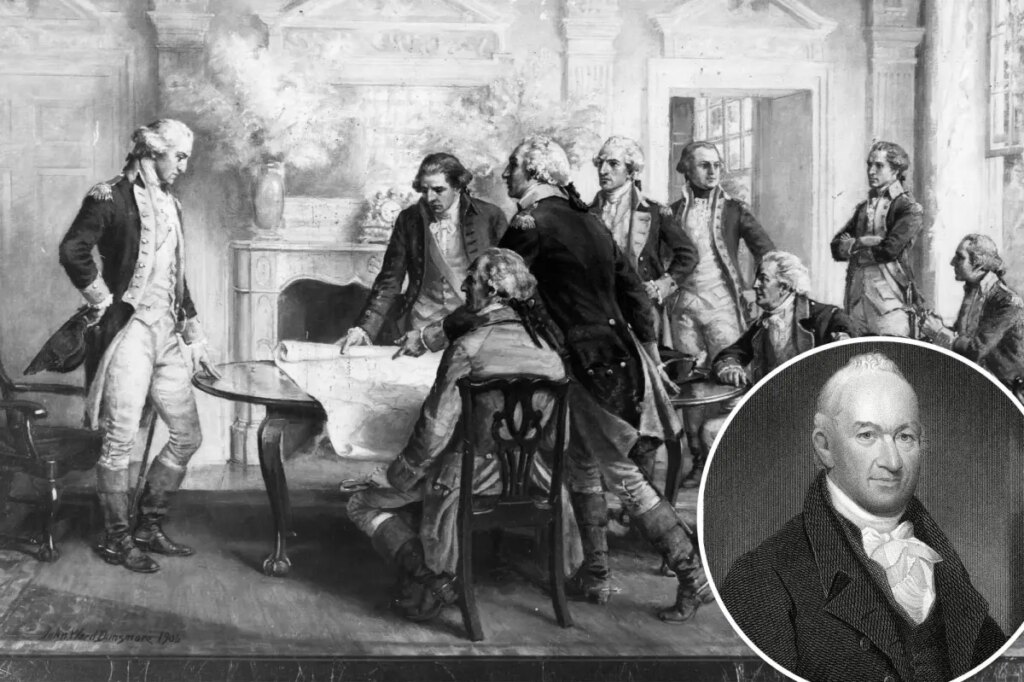
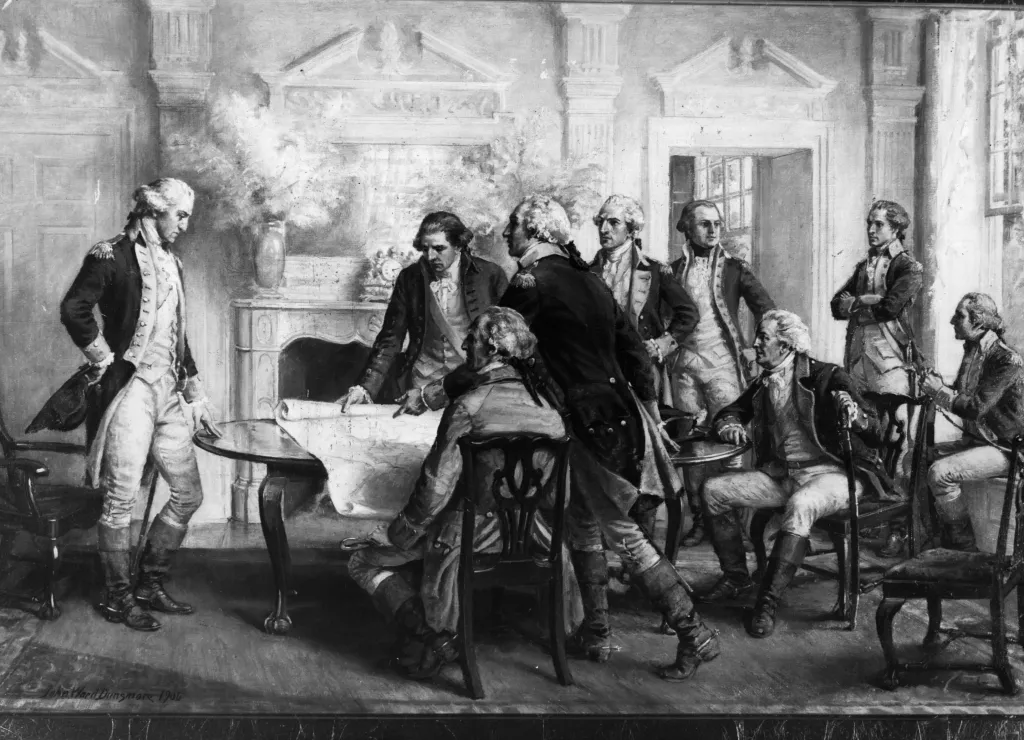
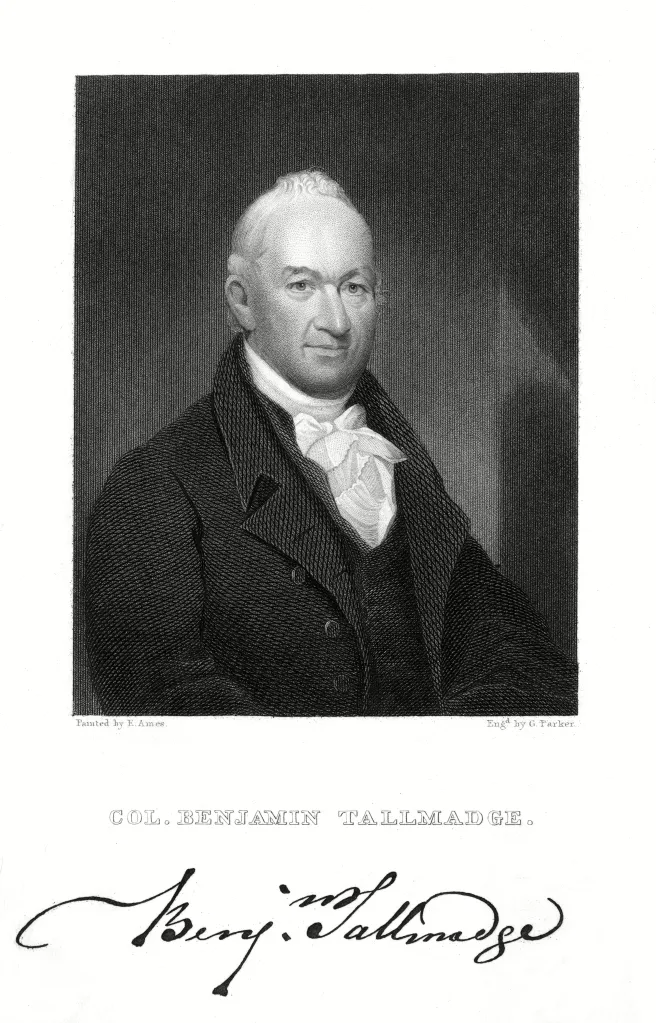
America’s first leader turned to an officer he could personally trust to recruit a reliable clandestine network: Setauket native Benjamin Tallmadge of an elite fighting force called the 2nd Regiment of Light Dragoons.
His hometown and its surrounding areas were a British stronghold ready to kill or jail any locals who stepped out of line in favor of independence. Tallmadge still had to turn away willing Yankees for their own safety and only onboarded a small handful of friends from his youth he could rely on with his life, according to experts.
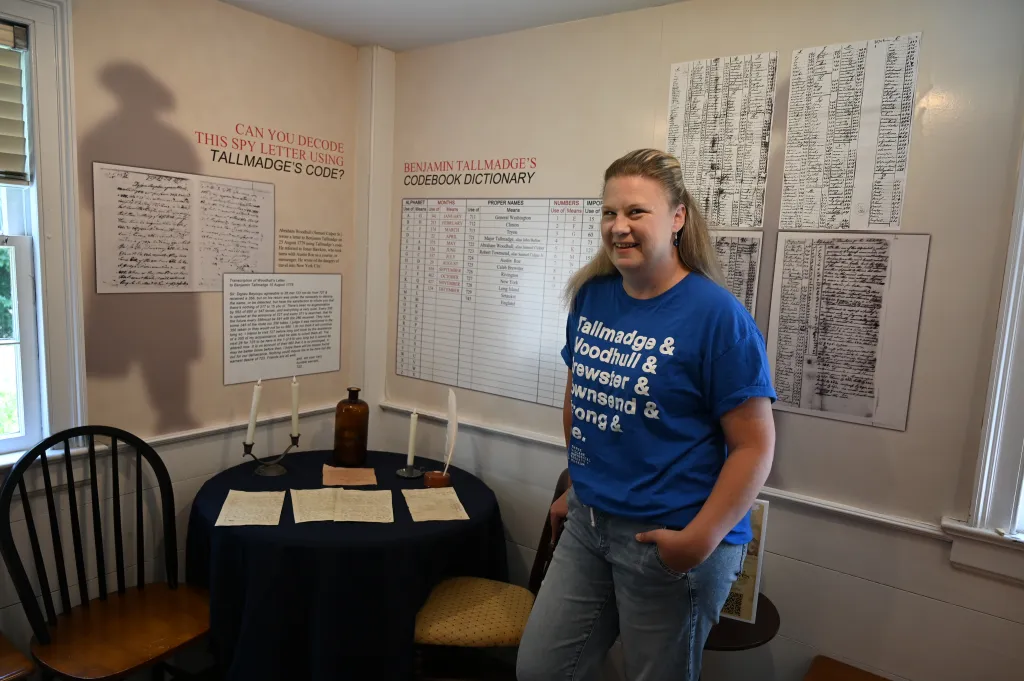
“They were not trained soldiers; they were civilians, they were farmers, they were housewives,” said Kimberly Phyfe, community engagement manager at the Three Village Historical Society and Museum in Setauket.
“They felt it was their patriotic duty to fight for their country,” added Phyfe, whose museum dedicated to the ring is the home of Culper member Abraham Woodhull.
Along with Woodhull, Tallmadge recruited locals Anna Smith-Strong, Caleb Brewster and Austin Roe — as well as Robert Townsend, who lived miles west in Oyster Bay. Another Culper, known only as “lady,” remains an unknown collaborator lost to history.
Phyfe believes the agent, barely mentioned in archival texts, may represent more than one individual.
The spies are responsible for gathering intelligence that prevented at least four attempts by the British to kill Washington, some involving his own close advisers as conspirators, she added.
Tallmadge’s assets also learned that traitor Arnold had orchestrated a plan to weaken West Point’s defenses in order to sell the colonial stronghold to British Major John André in 1780.
“The plan was to capture General Washington at West Point, and that was stopped, thankfully, by the Culper Spy Ring,” Phyfe said.
Washington’s spies became a years-long success by using Long Island and New York’s British-controlled territory against the army of King George III.
They masterfully played the part of innocent supporters of the throne, operating under the Redcoats’ noses, as Smith-Strong reportedly sent Brewster signals through the color of the petticoats on her laundry line.
Townsend wrote for a loyalist newspaper and would interview Redcoats about their exploits and report back the information, according to Kilmeade. He also was said to have run a store in Manhattan and would make small talk with soldiers who came in, getting them to spill military secrets.
Information was transferred through dead drops, ciphers with code numbers to identify members — “Lady” is the mysterious Agent 355 — and letters addressed to the phantom Samuel Culper and Samuel Culper Jr., who were Woodhull and Townsend’s cover names, experts said.
“They put together not only a cover story, but they also had invisible ink that they worked with writing in between lines and books,” Kilmeade said.
He added that they had failsafes to protect the spy ring if one member was compromised.
The Culpers are also credited with preventing a British plot to ravage the colonial economy by flooding it with counterfeit currency and giving French troops safe landings in Newport, Rhode Island.
“The British knew the French were heading up there and the spy ring heard about that,” Kilmeade said.
“They staged a phony invasion of New York to keep the British troops home and protect New York on an invasion that never happened.”
Townsend impressively kept his cover, even from Washington, for centuries. His role wasn’t revealed until documents at his family home in Oyster Bay, Raynham Hall, were reviewed by an FBI analyst and historian Morton Pennypacker in the 1930s.
New information on the Culpers keeps flooding in recent years, as letters were found on Long Island in 2019 and 2020.
One was stuck in a chimney being renovated in Port Jefferson near Setauket.
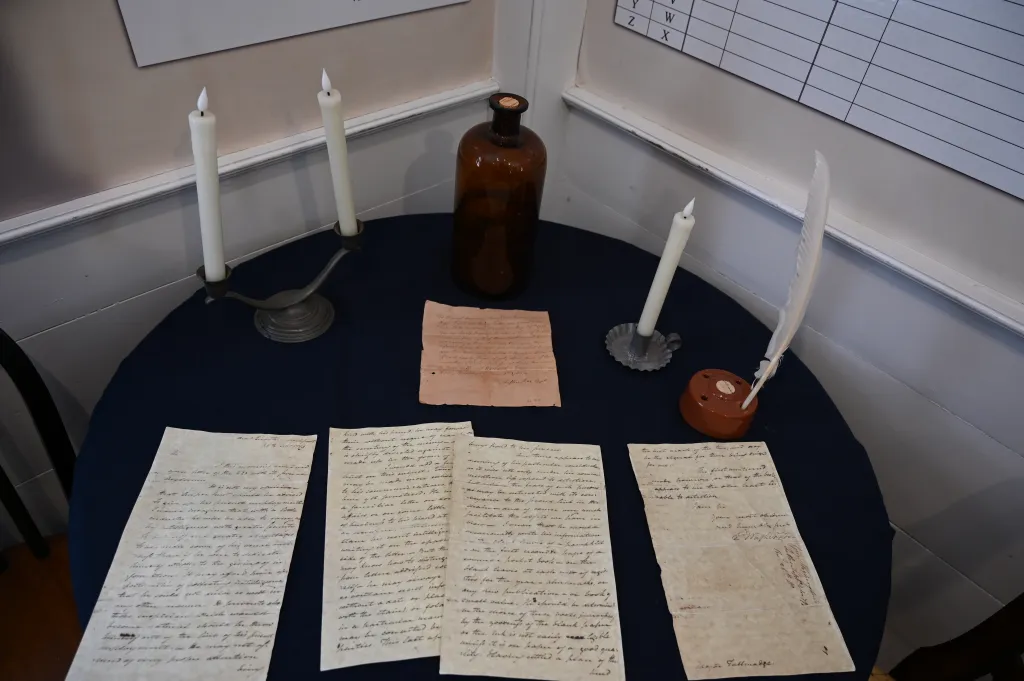
“People probably still have letters in their trunks, their attics and their basements,” said Phyfe, whose museum offers both walking and kayak tours of the Setauket waterfront used by the ring and where the area’s namesake battle was fought by Tallmadge’s troops.
“They don’t even realize these family treasures, because they might never have put it together.”
One thing that will never be lost to history is the ring’s unyielding heroism in the face of certain death, Kilmeade said.
“I think the founding fathers would be the first one to tell you, especially Washington, ‘man, I’d be nowhere without these other guys,’” Kilmeade said.
“Long Island wasn’t going to be infiltrated by the British.”
The post How a secret Long Island spy team saved George Washington from murder and helped win the Revolution appeared first on New York Post.