Every few years, we discover that the ancient Maya world was much bigger than we thought. As archaeologists deploy technologies like LiDAR to peer through dense jungle canopies, entire settlements, once seemingly lost forever, keep popping up.
And it’s happened again.
According to Mexico’s National Institute of Anthropology and History, a well-preserved Maya city has been uncovered deep within Mexico’s Calakmul Biosphere Reserve. The newly found site is called Minanbé, the Yucatec Maya word for “there is no path,” a name the site really earns.
After finding vague suggestions of ruins in aerial LiDAR scans, archaeologists still had to drive as far as the trail allowed in cars, then ride ATVs, and finally hike about 3 miles through thick jungle with machetes before reaching the city.
Archaeologists Found a Hidden Maya City Called “There Is No Path,” and It Was Shockingly Well Preserved
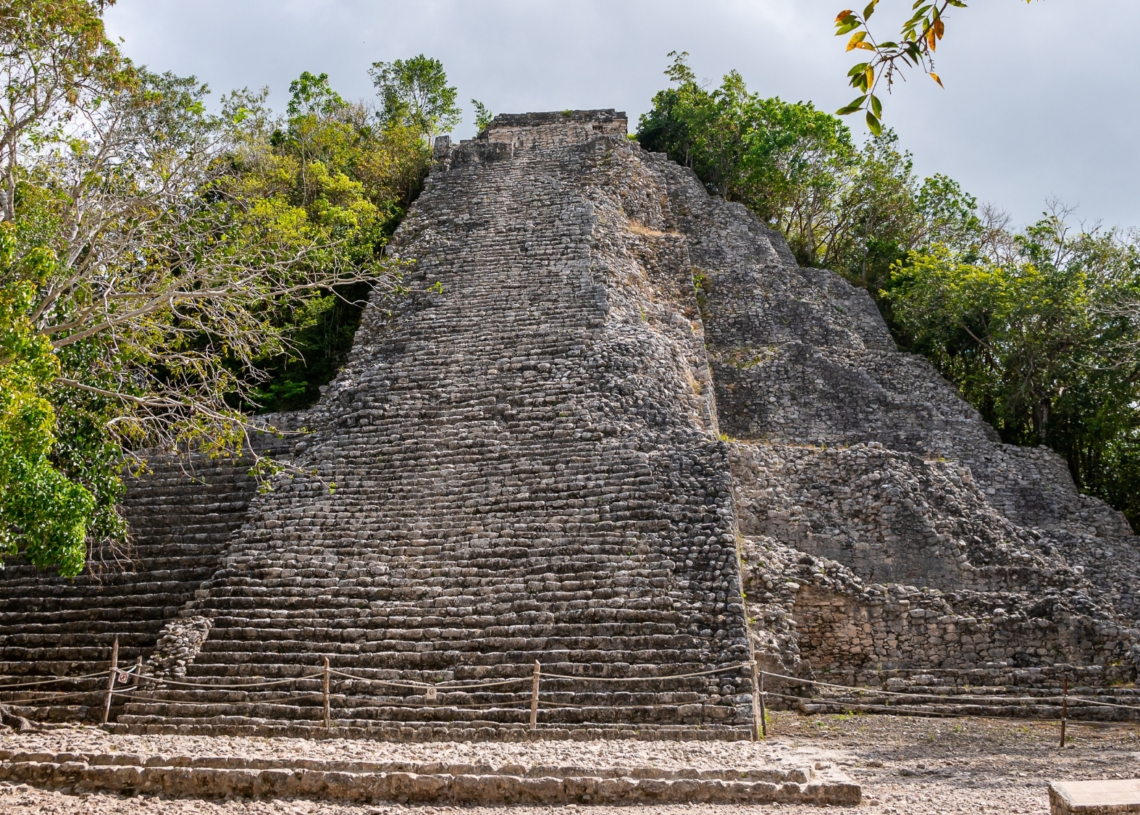
And it was a full city. Minanbé contains plazas, terraces, water channels, palaces, religious structures, and a pyramid temple rising more than 40 feet high. The most remarkable feature is its 14 carved stelae and altars, a weirdly high number for a settlement this size, suggesting that this city was one of real political significance in the region.
The city’s isolation no doubt helped preserve it, as it appears not to have been looted over the years. Many of the wall carvings and architectural features have been eroded by weather and time, but archaeologists have found evidence that the city was stripped of its monuments by treasure hunters, giving researchers a rare, archaeologically rich glimpse into Maya life.
Inscriptions found throughout the site date the city to the late seventh century through A.D. 849, just before the collapse of many Maya city-states.
The post Archaeologists Found a Lost Maya City in Mexico’s Jungle, Complete With a 43-Foot Pyramid and a Fitting Name appeared first on VICE.