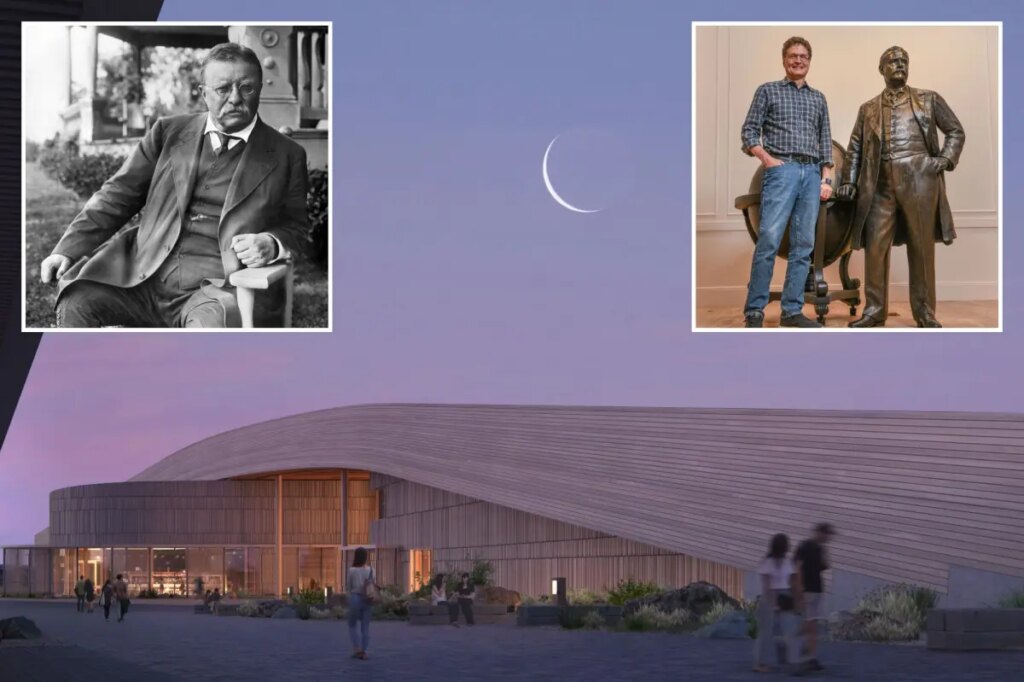
MEDORA, ND — All presidents loved America, but no president loved its actual soil, forests and mountains quite like Teddy Roosevelt.
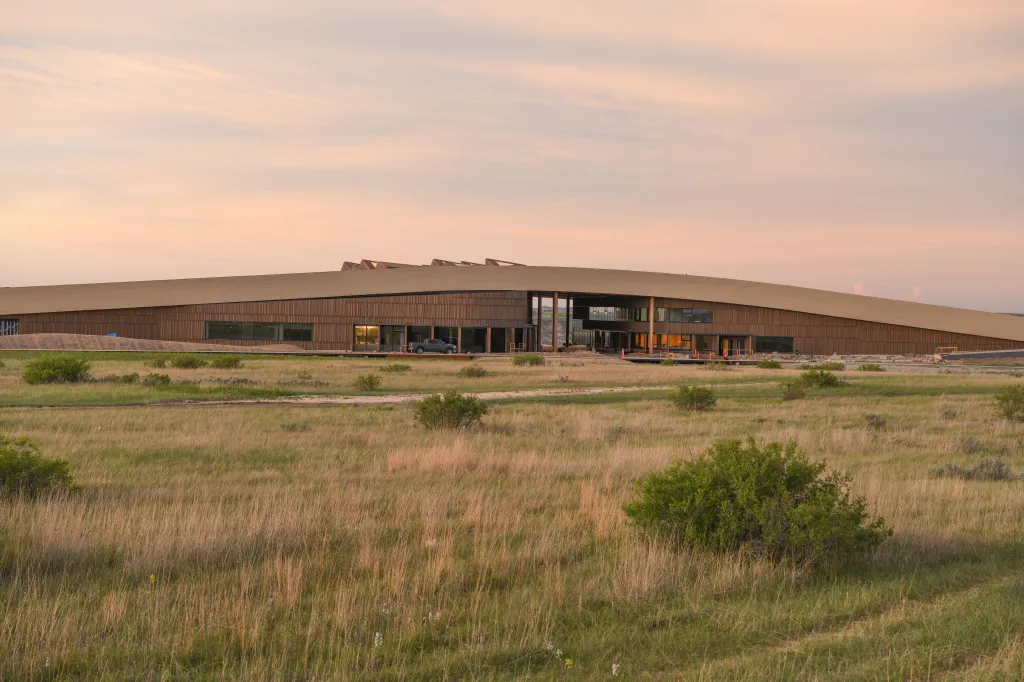
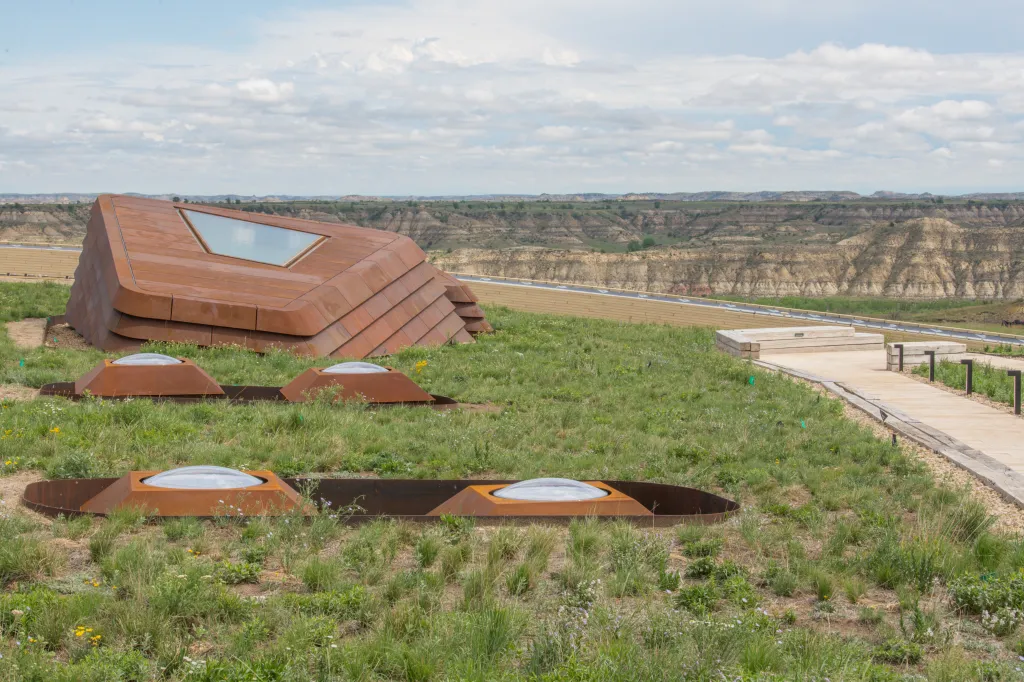
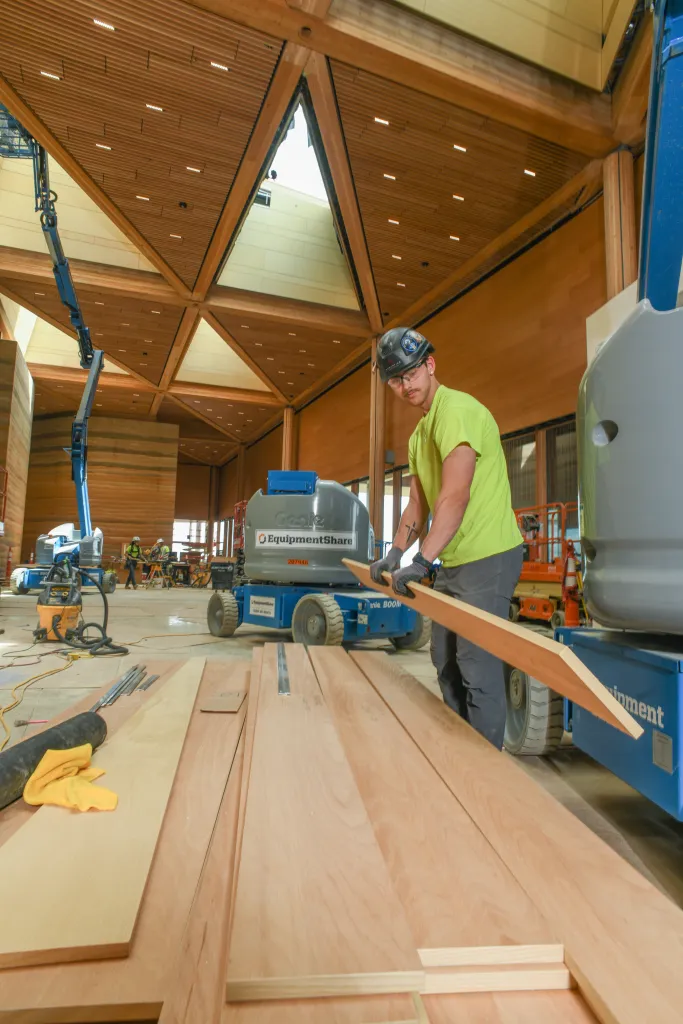
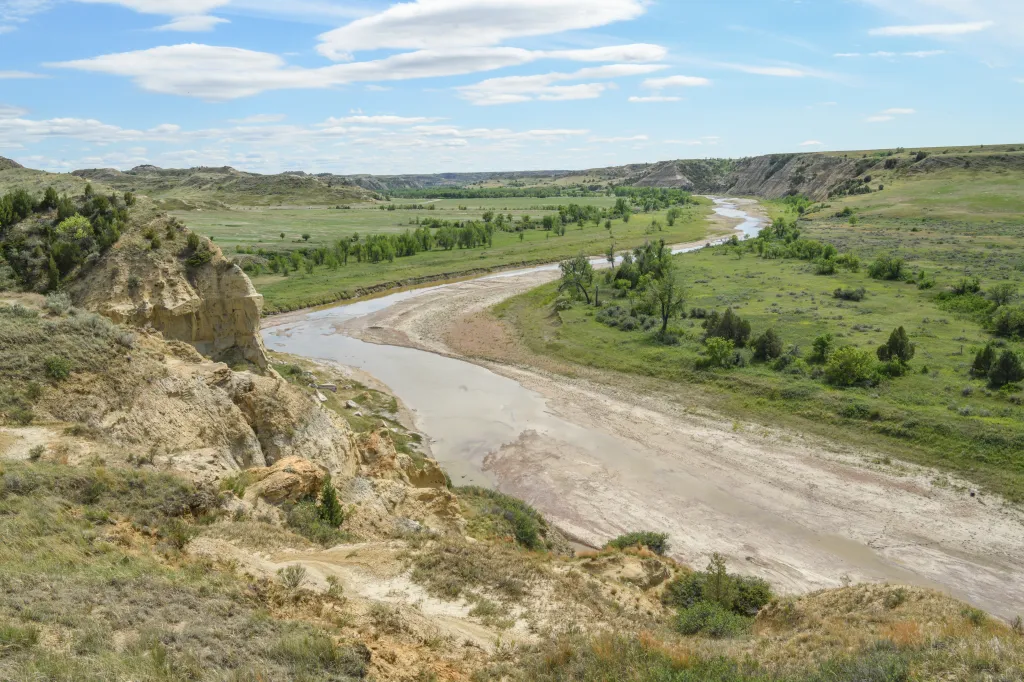
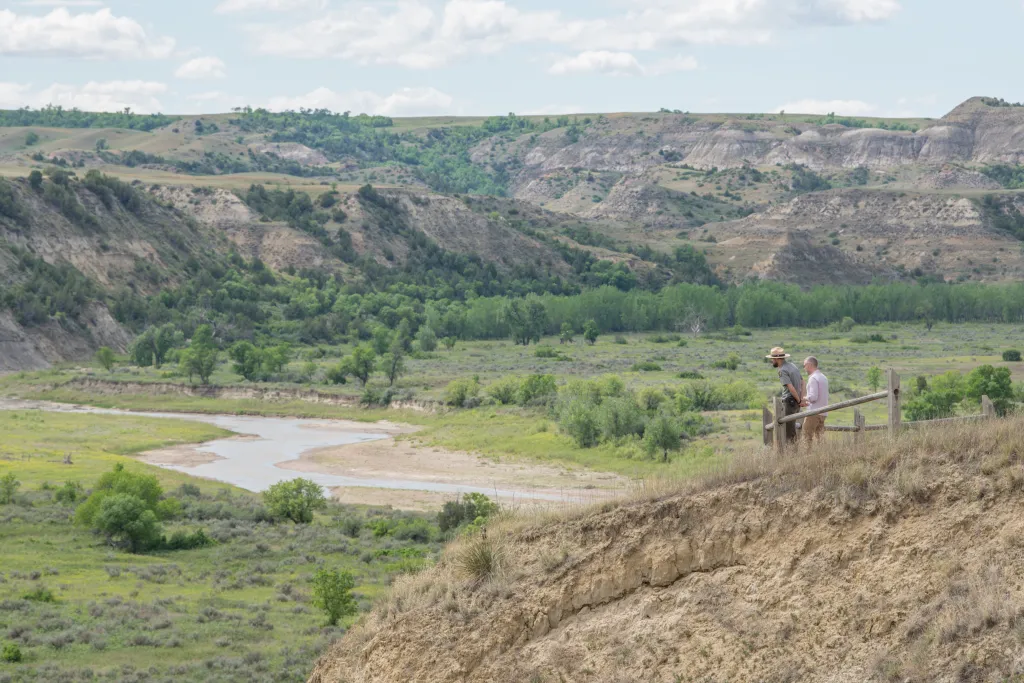
So its fitting the Theodore Roosevelt Presidential Library is anchored into North Dakota’s Badlands like an extension of the earth itself, its low, terrain-toned form and sweeping glass walls blending seamlessly into the dramatic, rainbow-tinted landscape.
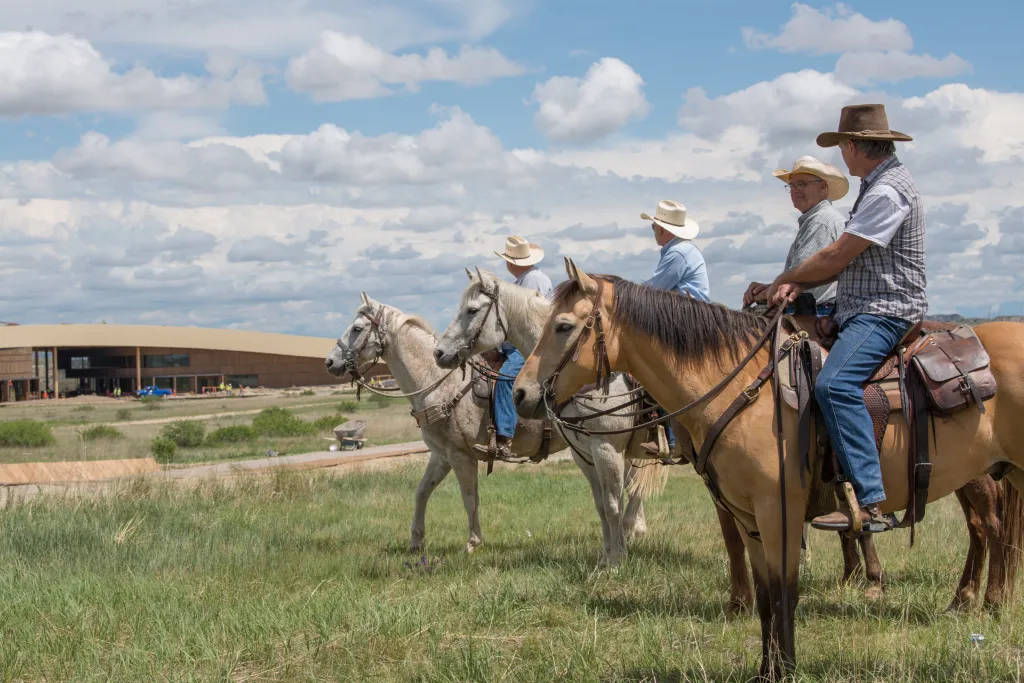
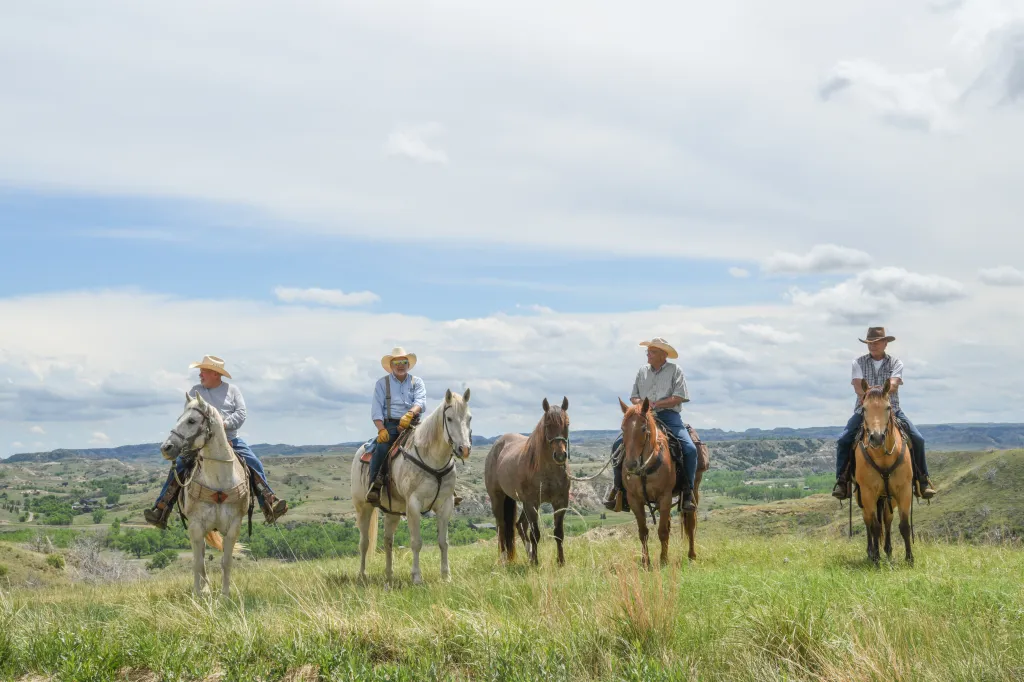
Designed by the world-renowned Norwegian firm Snøhetta, it’s also the only presidential library where visitors can arrive by horseback.
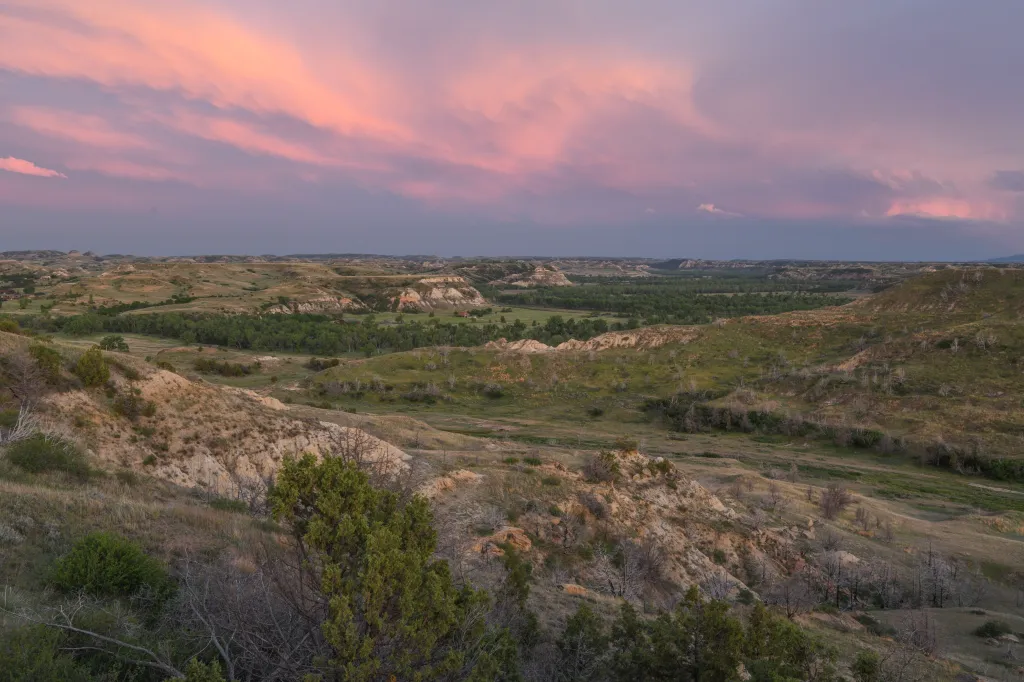
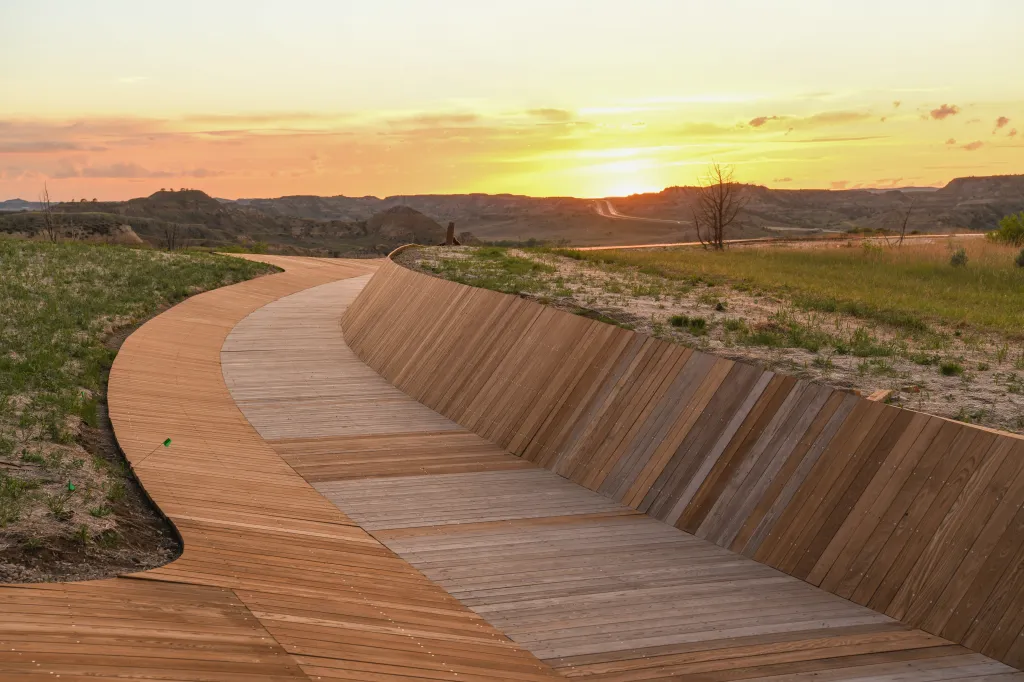
“The reason the library is here is not because of Roosevelt’s ego. In fact, he never wanted a monument devoted to him,” Charlie Melcher, creative director of the library, told The Post.
“This land is so powerful. The Badlands are so unique, so intense, they’re like nature concentrated. But it somehow makes you feel that wonderful sense of being small — just a small particle in an infinite universe. And somehow, oddly, that’s incredibly comforting.”
That’s a far cry from other presidential building projects in the news recently — from President Obama’s widely-derided Presidential Center rising like a feudal tower from the middle of Chicago’s historic Jackson Park to President Trump’s hulking White House ballroom and proposed skyscraper in downtown Miami to serve as his library.
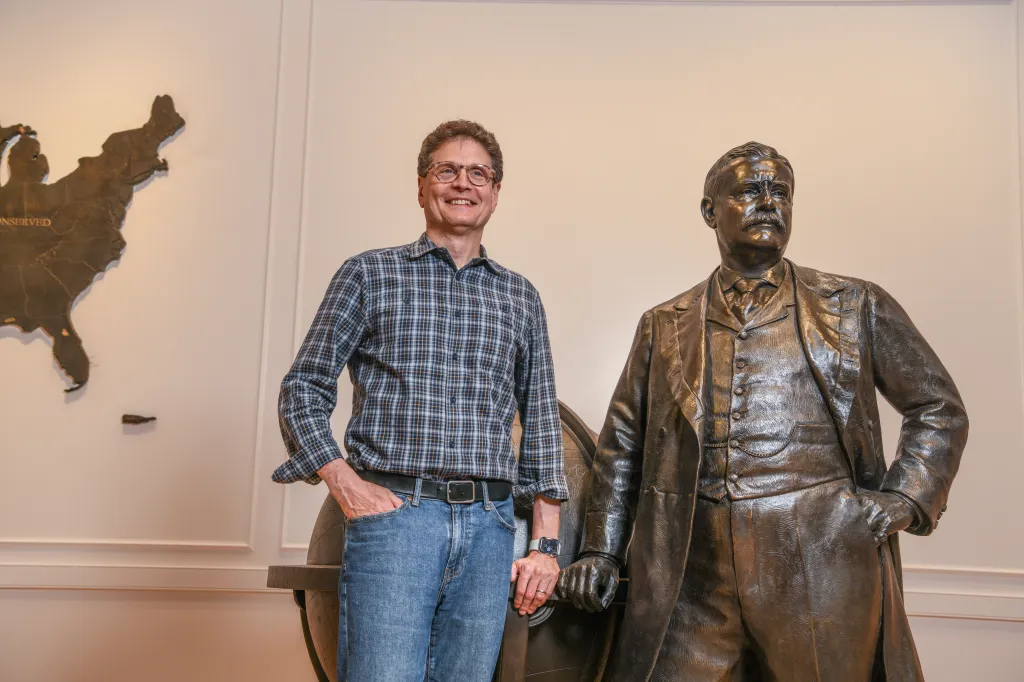
“Teddy Roosevelt was a naturalist. He came here to repair a broken heart. Throughout his life, the outdoors was the way that he got healthy,” Matt Briney, comms director for the library, told The Post on a recent exclusive tour of the site.
“He is also an impossible person to live up to, an epic life. One chapter of his story is more incredible than the last. And I think the point that we’re trying to make here is that you don’t have to be president of the United States to make a difference. You just need to stand up and fight for change.”
North Dakota, it turns out, would not only be a refuge for the future president but also his effigies. During the 2020 George Floyd riots, leftwing activists and zealot museum workers demanded the removal of the Theodore Roosevelt statue outside New York’s American Museum of Natural History, calling it racist for showing Roosevelt on horseback accompanied by an American Indian and African man on foot.
The activists won. Citing issues of “hierarchical composition” the museum’s board voted to remove the statue.
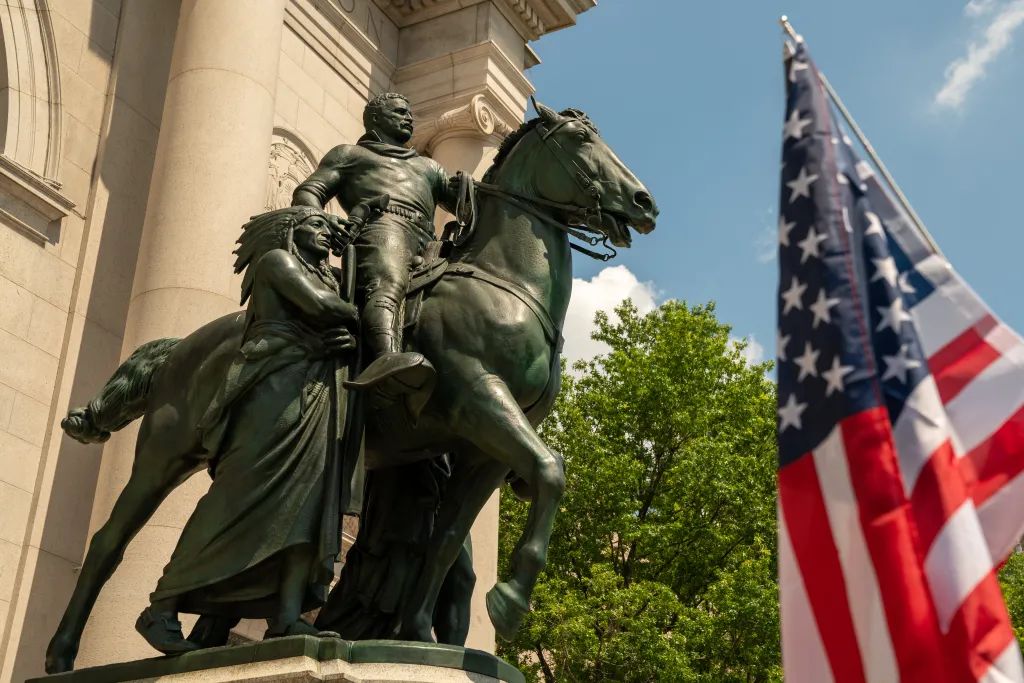
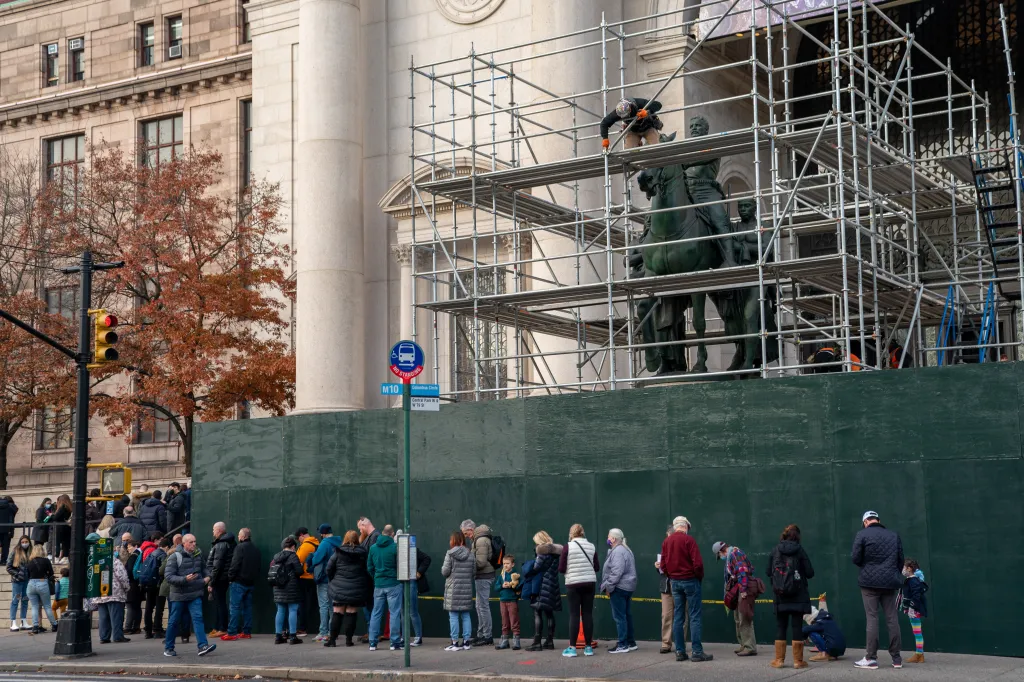
But sneaking it out of New York was a whole other drama. Under the cover of a frigid, January night — chosen for when marauding gangs of protestors would be less active — the 16-foot-tall, 168,000-pound granite and bronze tribute to one of America’s most beloved and unifying figures had to be bisected and squeezed through the Holland Tunnel, with just a half-inch to spare, before it embarked on a transcontinental road trip requiring permits from 17 states.
Today, the statue sits shrouded in an undisclosed, protected facility in Dickinson, North Dakota, awaiting its yet-to-be-determined permanent home somewhere on the 93-acre grounds of the library — visited Wednesday by President Trump, and opening for the first time to the public on America’s 250th Anniversary on Saturday.
But how did Teddy Roosevelt’s library come to be located 1,700 miles away from his birthplace of New York City, in the state he was governor before becoming the nation’s youngest president?
On Valentine’s Day in 1884, Roosevelt suffered an unimaginable double tragedy when his mother, Martha, and his wife, Alice, died just hours apart in the same house. Grieving and broken, the young politician fled the East Coast to find solace in the harsh, rugged frontier of the North Dakota Badlands.
The odd, bespeckled city-slicker set up Elkhorn Ranch where he ran cattle and eventually got the hard-won respect of local cowboys, who simply referred to him as “that dude” or “Old Four Eyes.”
“I never would have been president if it had not been for my experience in North Dakota,” Roosevelt said on a whistle-stop tour in 1903. “It was here that the romance of my life began.”
Roosevelt — one of only two US presidents from New York City, alongside Donald Trump, and the only one born in Manhattan — became a national hero before his presidency during the 1898 Spanish-American War. During that campaign he resigned as Assistant Secretary of the Navy to organize and lead the Rough Riders, a volunteer cavalry unit.
The dramatic stories from Cuba, where he led a charge up Kettle Hill during the Battle of San Juan, boosted his political profile helping him win the governorship of New York in 1898 and the vice presidency in 1900.
“His name is so well known from having a battalion of reporters with him the entire time, and feeding stories. This is where he’s first learning that bully pulpit and the power of the press,” Briney said.
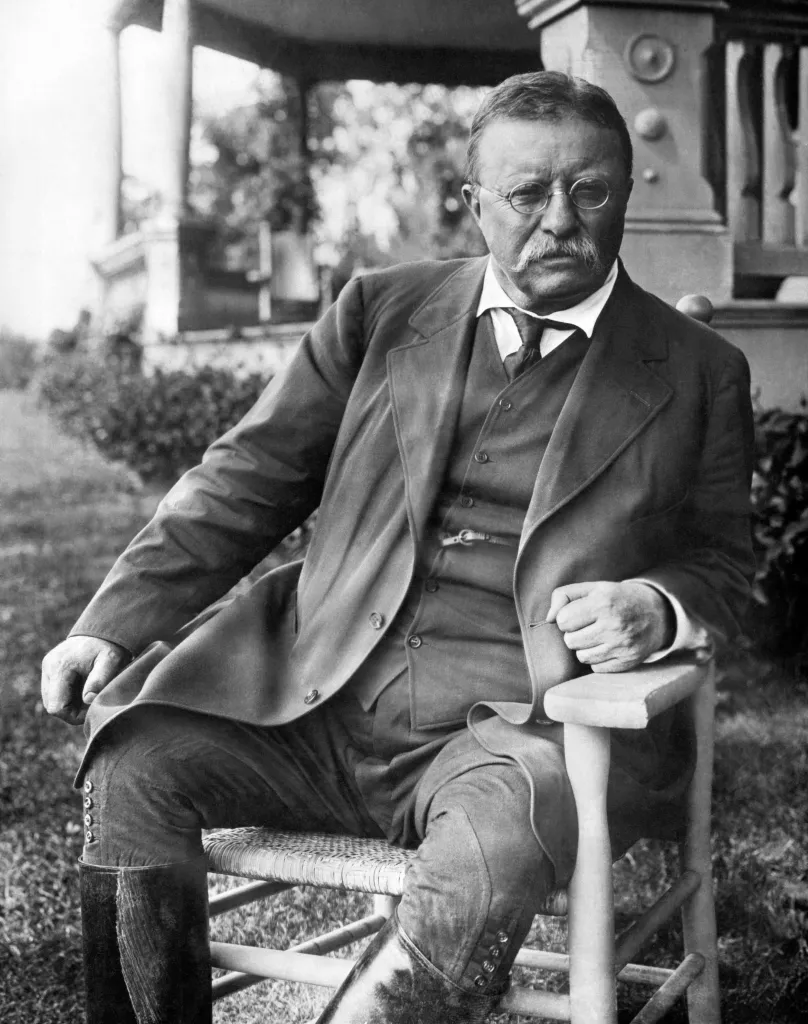
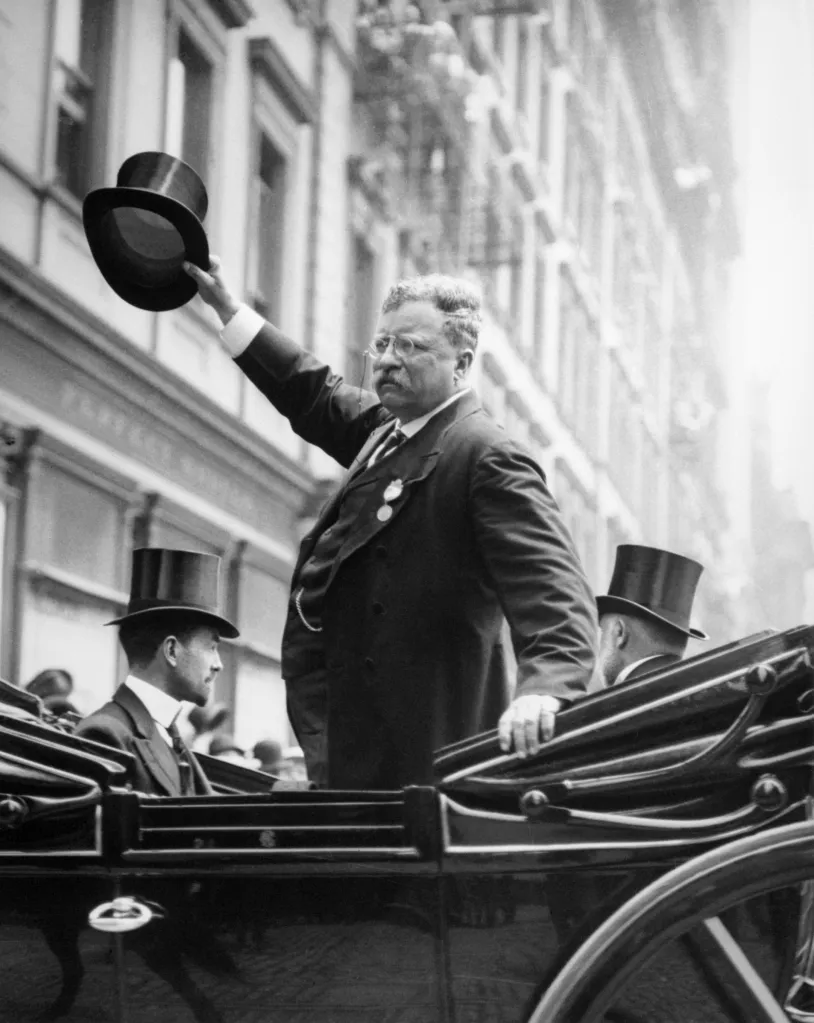
Roosevelt became America’s 26th Commander-in-Chief when President William McKinley was assassinated by an anarchist in 1901 and he served until 1909 — overlapping with the nation’s 125th commemoration, the halfway point between the country’s founding and today.
The progressive Republican aggressively broke up monopolies through antitrust actions and expanded federal power.
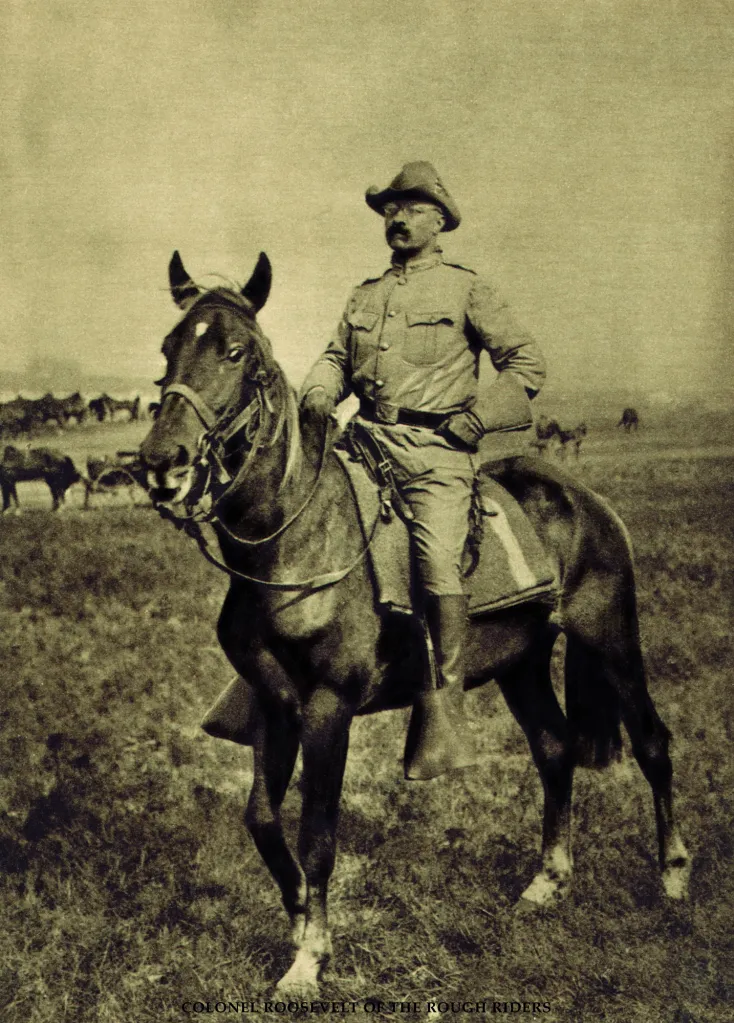
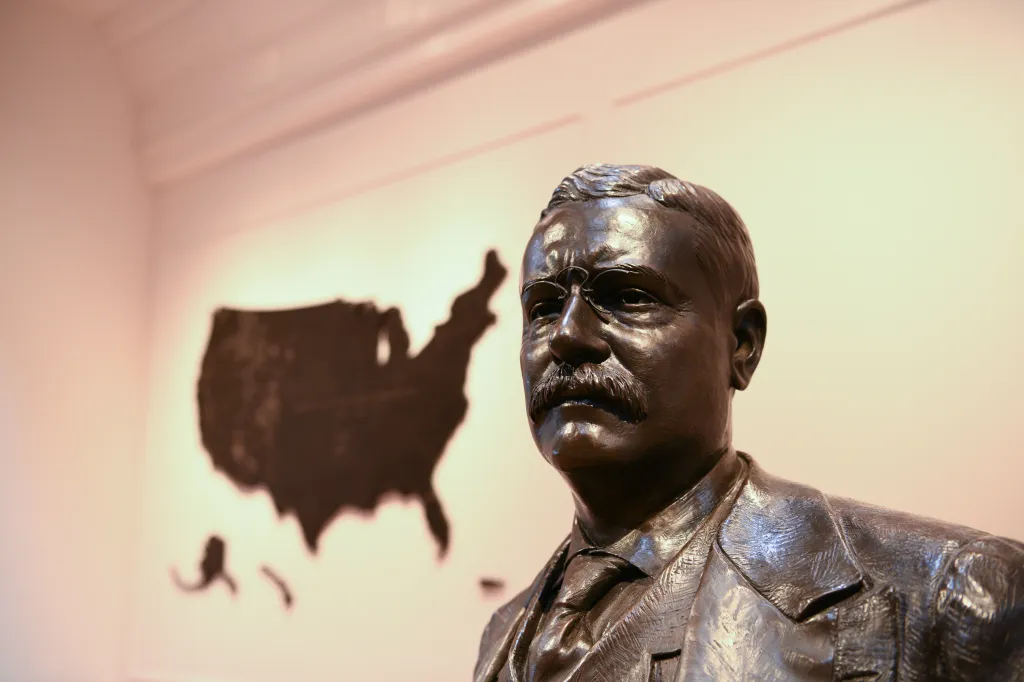
His “Big Stick” foreign policy helped advance the construction of the Panama Canaland won him the Nobel Peace Prize for mediating an end to the Russo-Japanese War.
But Roosevelt is most remembered as a major conservationist, creating national parks, forests, and wildlife refuges that protected over 230 million acres of the US — a nation-defining manifestation of one man’s deep love for nature.
“A grove of giant redwood or sequoias should be kept just as we keep a great and beautiful cathedral,” Roosevelt once said.
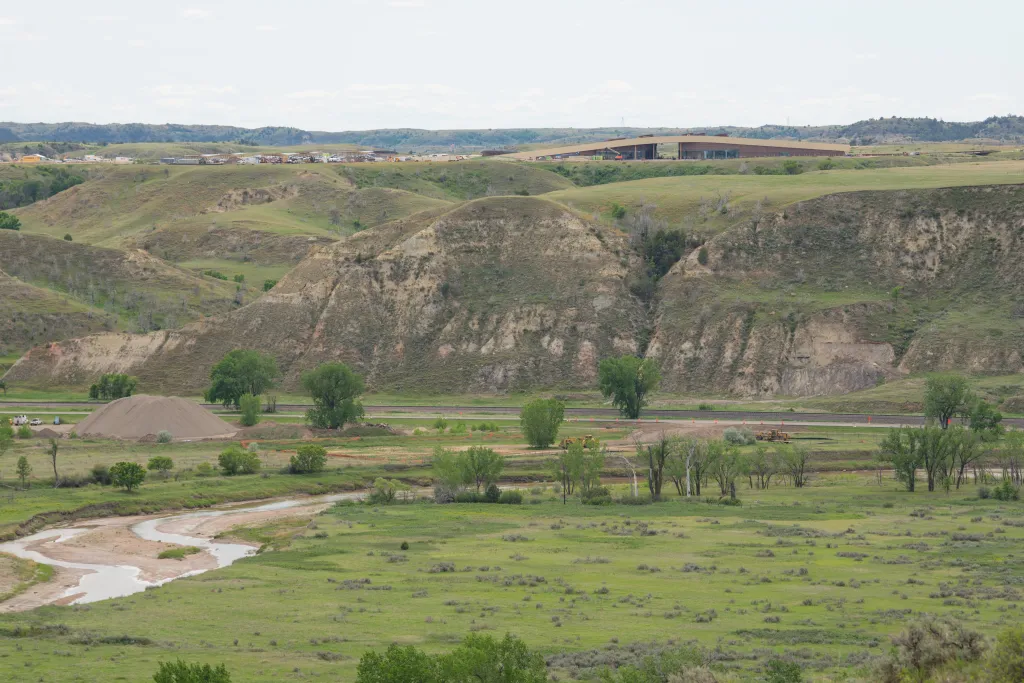
Like Obama’s controversial Presidential Center, but for different reasons, Roosevelt’s 96,000 square foot, $500 million library operates outside of the National Archives and Records Administration (NARA) which oversees the nationwide network of 16 established presidential libraries to preserve documents and historical materials.
NARA was established in 1933 by President Herbert Hoover, years after Roosevelt’s death, and today Roosevelt’s presidential artifacts have been long scattered to the winds. (For Obama, his Center is too tall to be a NARA library and his documents aren’t kept there; instead sit in boxes in a suburban Chicago warehouse).
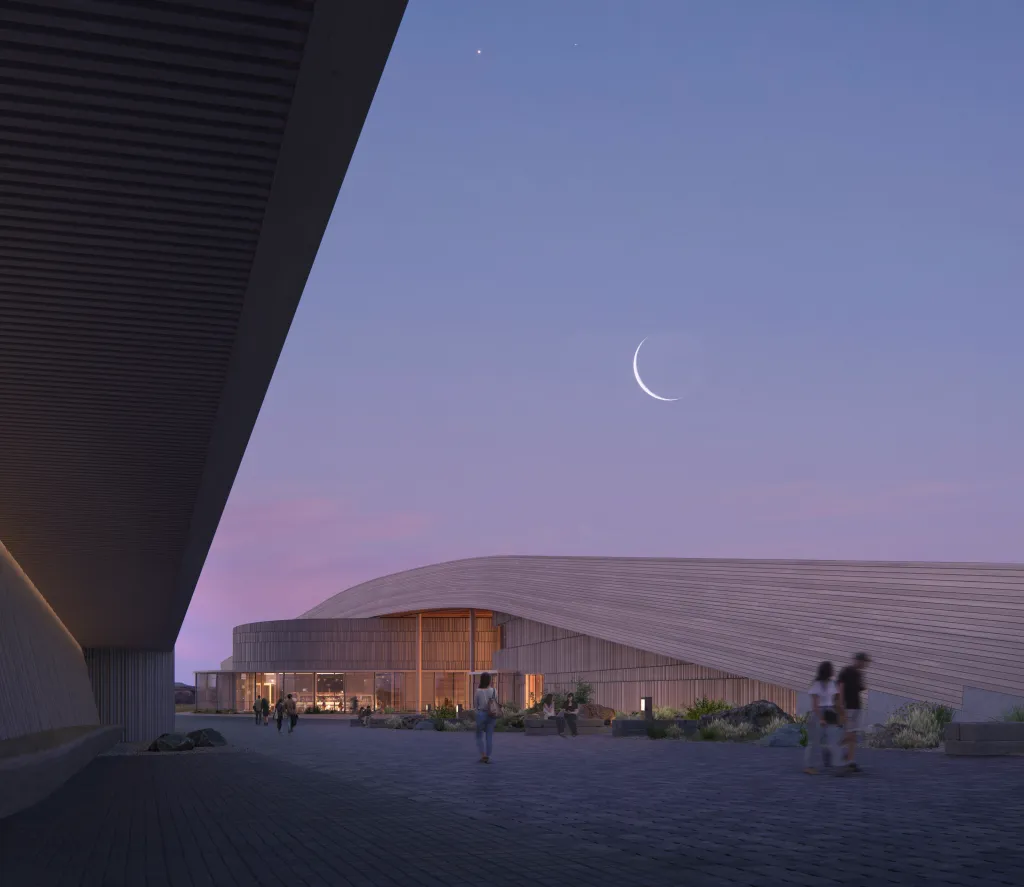
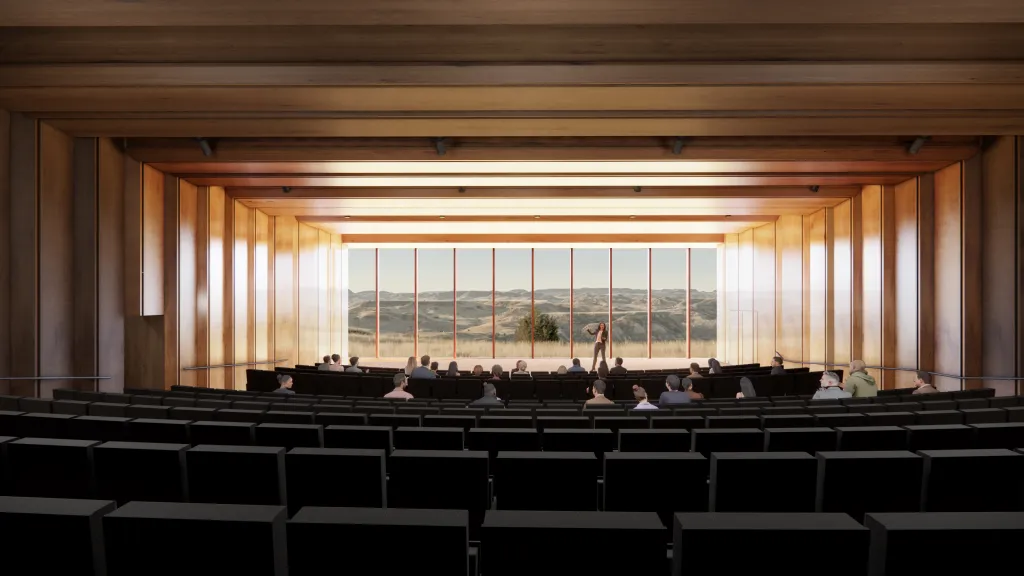
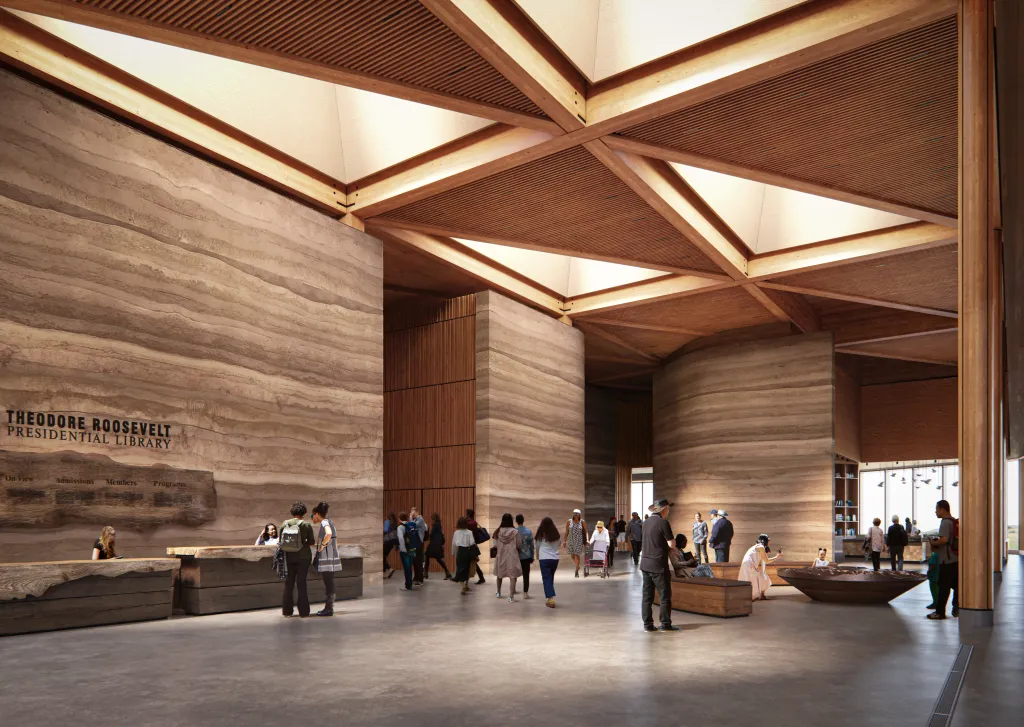
The privately-funded library is operated entirely by the Theodore Roosevelt Presidential Library Foundation. After years of stalled efforts, including a push in New York to host the project, Congress finally transferred 90 acres of federal land from the US Forest Service, which Roosevelt created, to enable construction. New York Sen. Chuck Schumer(D) was the final holdout.
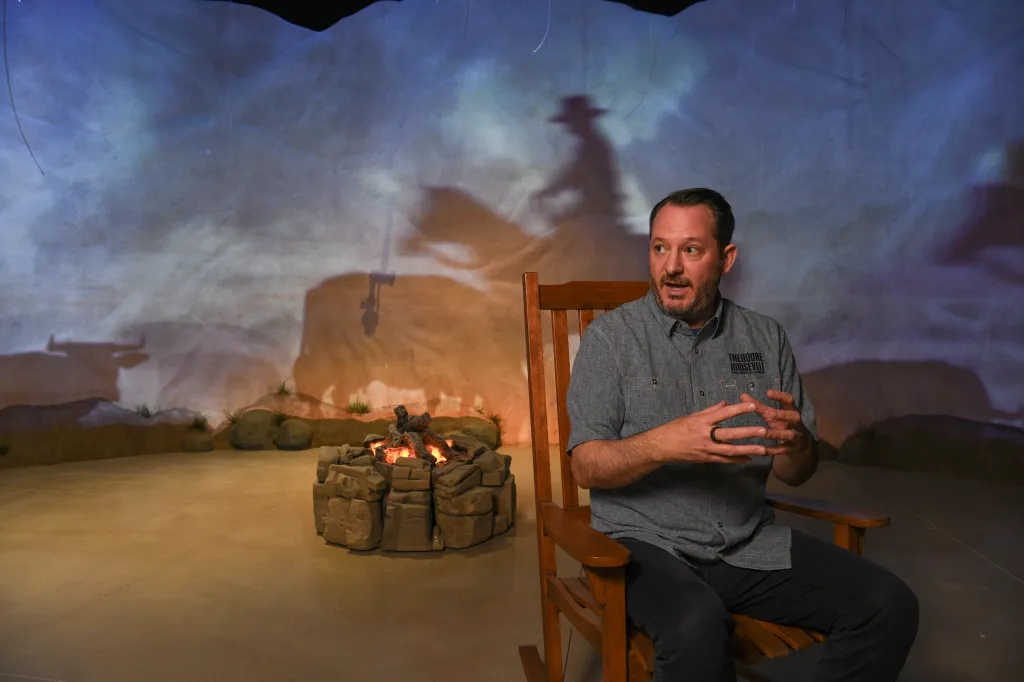
“We called him with support of the Roosevelt family. I think he had to run the traps and see if there was going to be any blowback in New York if he helped support the effort to build the presidential library in North Dakota,” library CEO Ed O’Keefe told The Post, seated around a makeshift campfire inside the library.
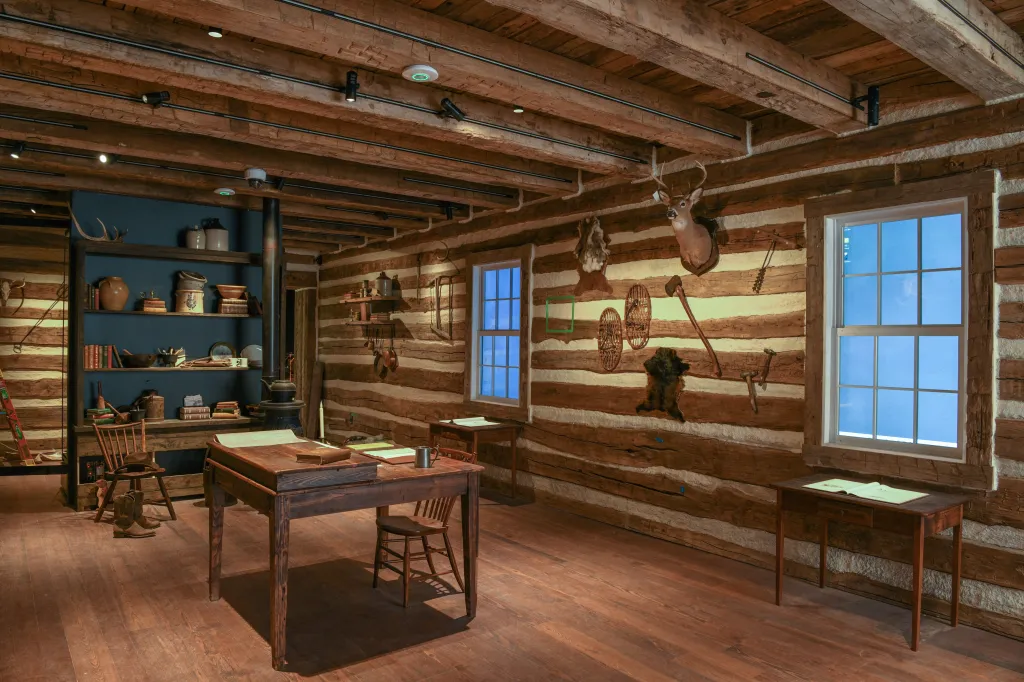
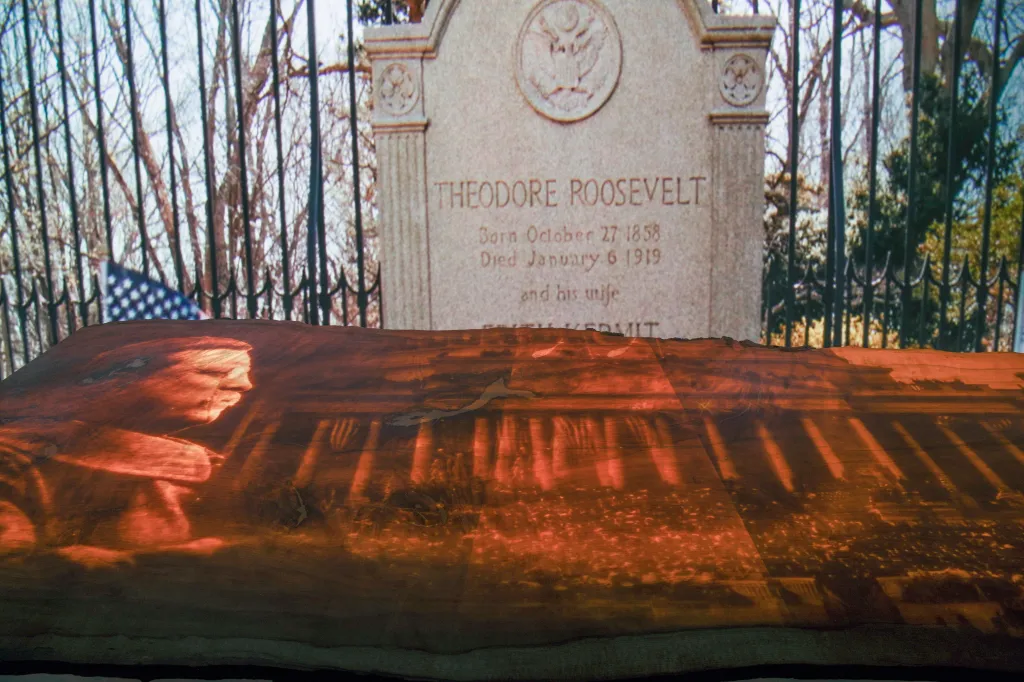
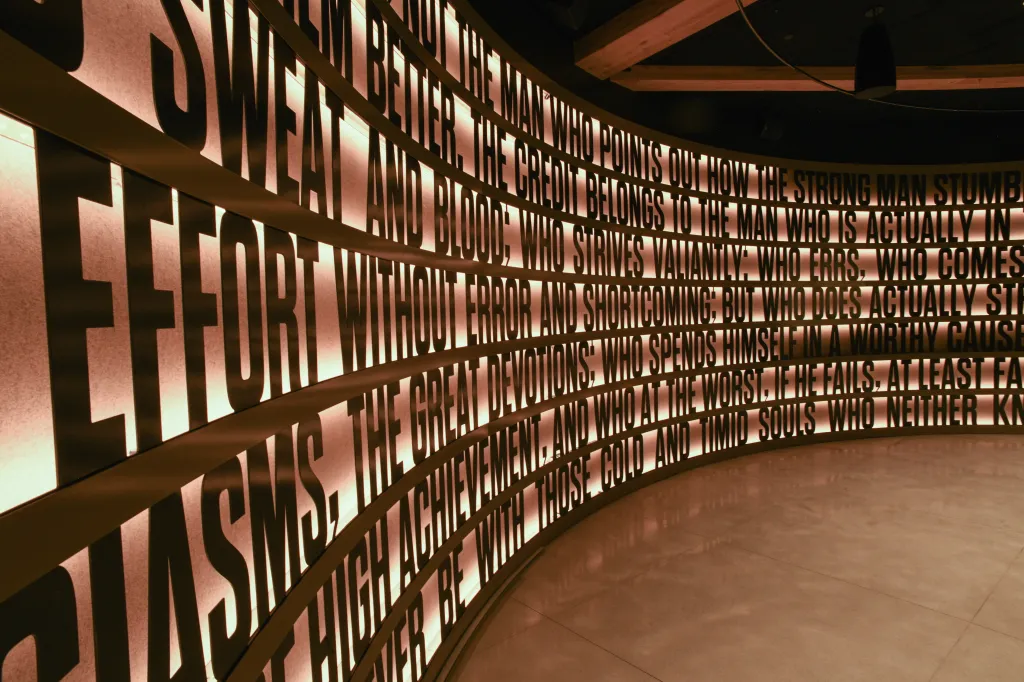
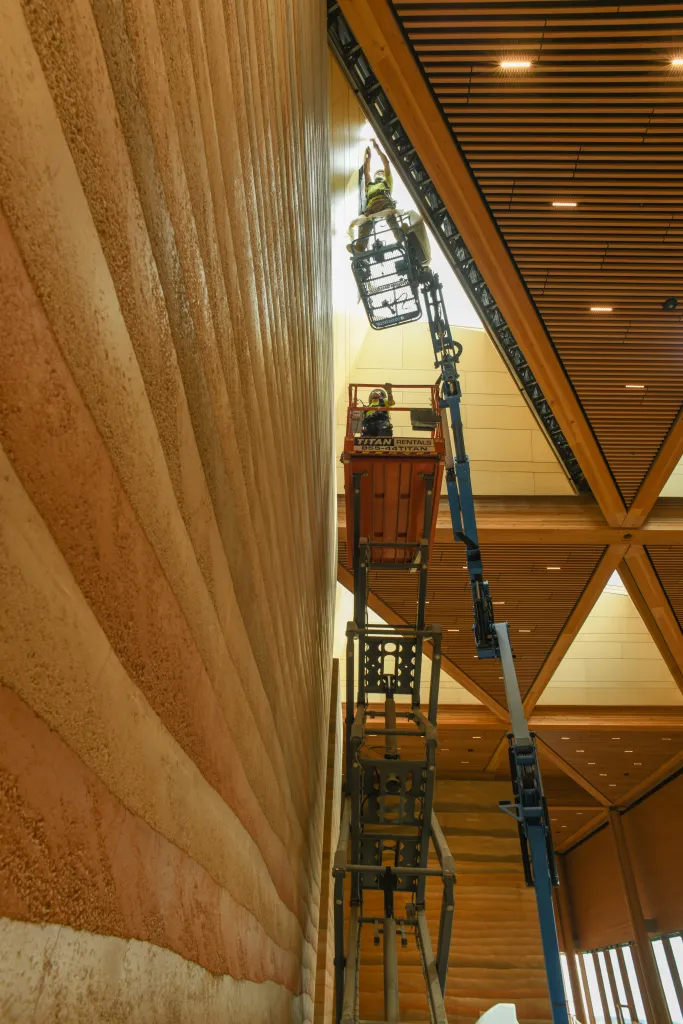
In one wing of the library, visitors can explore immersive exhibits — from recreations of Roosevelt’s Manhattan townhouse to a reimagining of his childhood bedroom packed to the gills with taxidermy, and a reconstructed Elkhorn Ranch.
The other side is devoted to research and education. Roosevelt’s documents are available digitized — a draw for the Ted Heads, the nickname given to Roosevelt superfans, among the otherwise highly family-centered attractions — and artifacts from his life will be on display from the foundation’s permanent collection and on loan.
Featured among the inaugural exhibitions is every surviving artifact from the infamous 1912 assassination attempt on Roosevelt in Milwaukee, when a bullet passed through his folded 50-page speech and metal eyeglass case before lodging in his chest. A bleeding Roosevelt delivered his 90-minute speech anyway before getting medical attention.
The library currently has the blood-stained speech manuscript, the dented eyeglass case and the bullet — which was only removed after Roosevelt’s death.
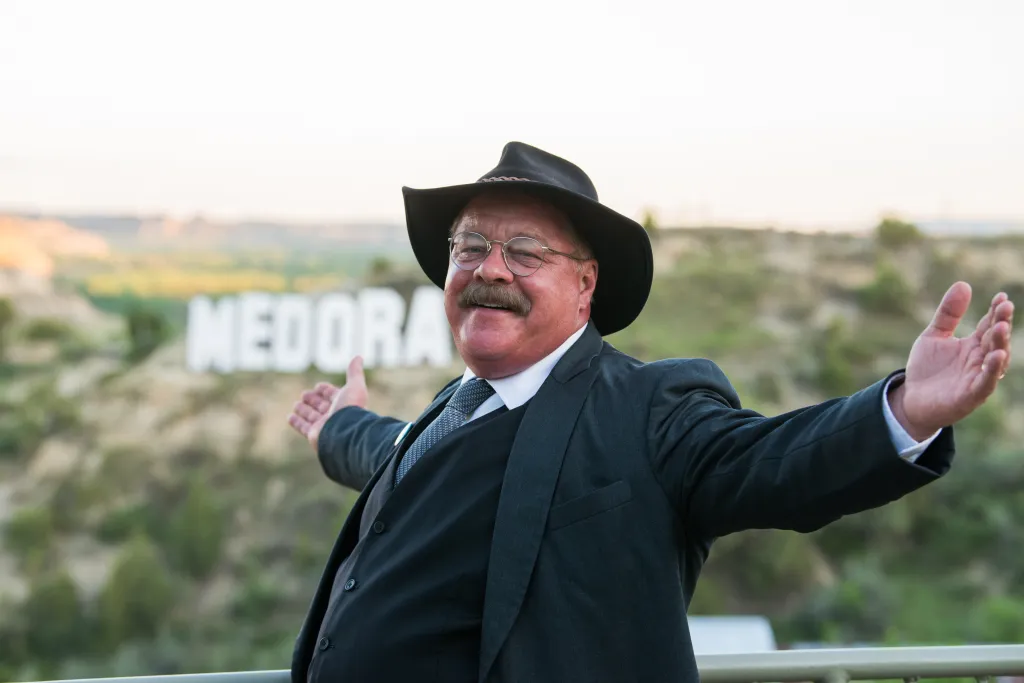
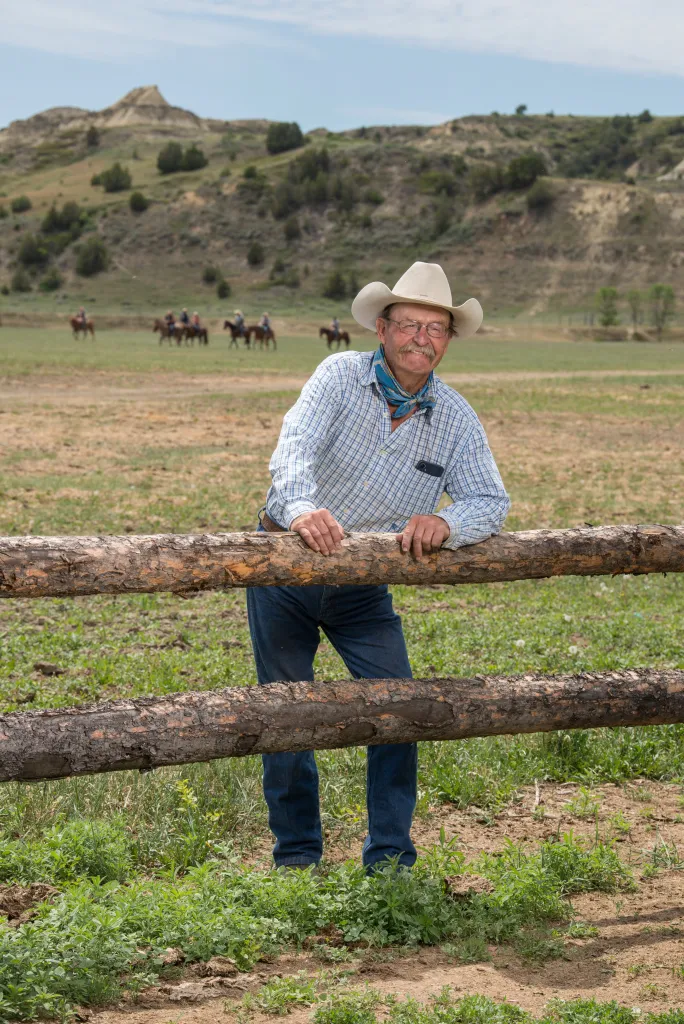
“There’s a lot of locals who aint quite so happy about what’s going on,” Doug Tescher, a multigenerational local rancher who cuts a remarkable resemblance to the 26th president, told The Post.
“They have it right in the middle of where I run my cattle. They took the land that I graze on,” he said.
On this subject, the Foundation says it will work out agreements for ranching to resume on parts of the land, but Tescher isn’t optimist: “I’ve been lied to so much I don’t believe a word that they say anymore.”
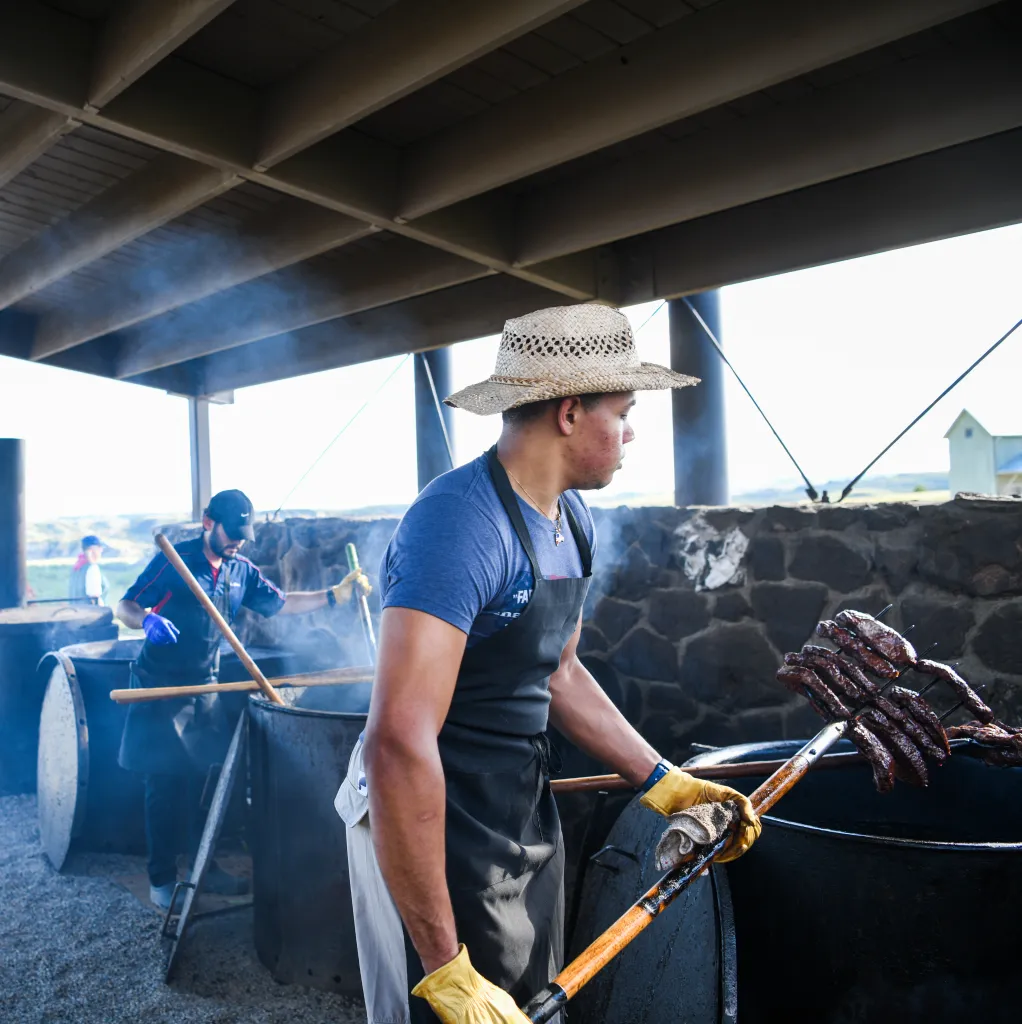
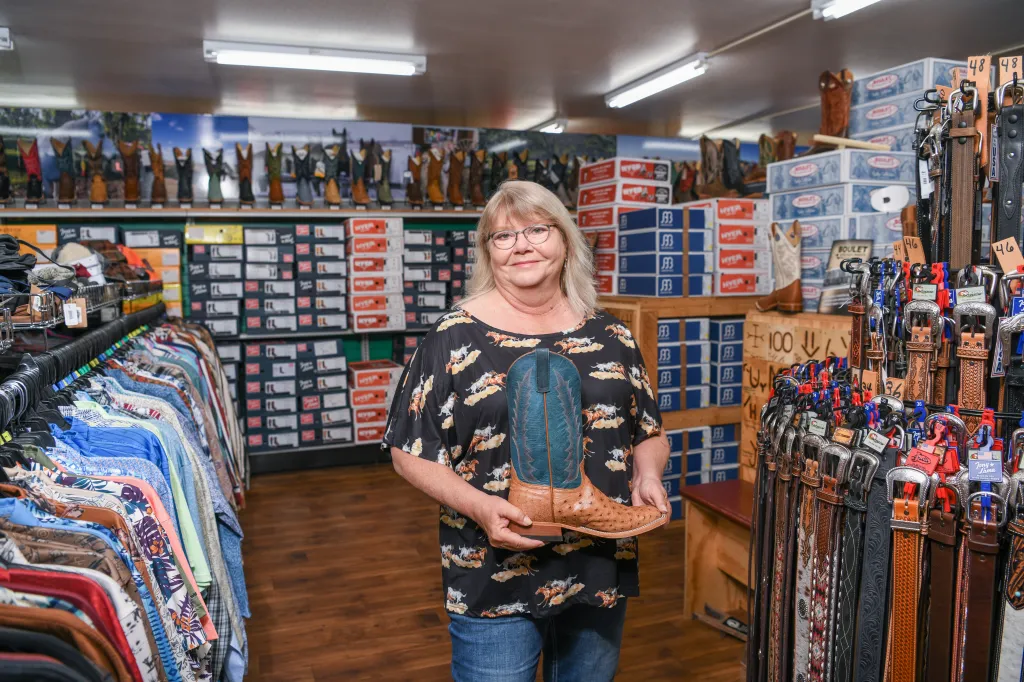
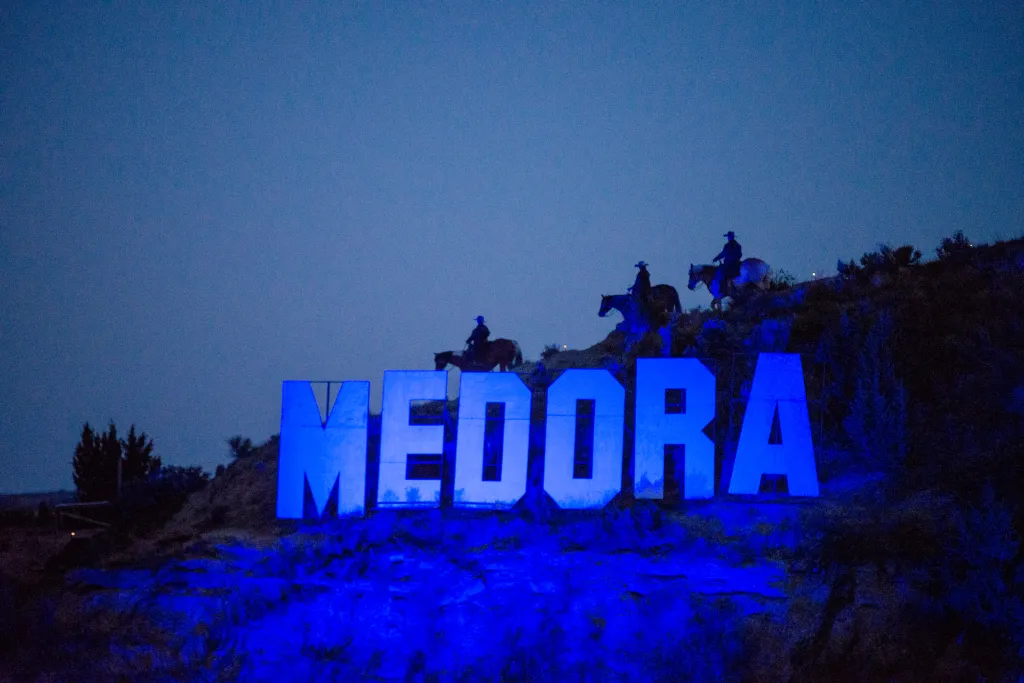
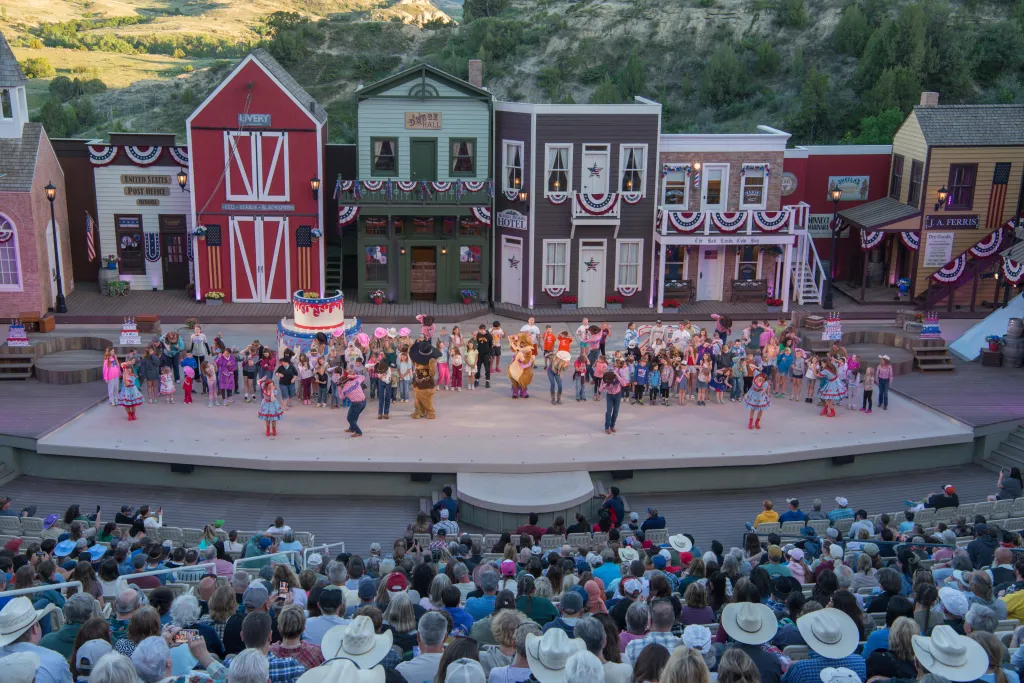
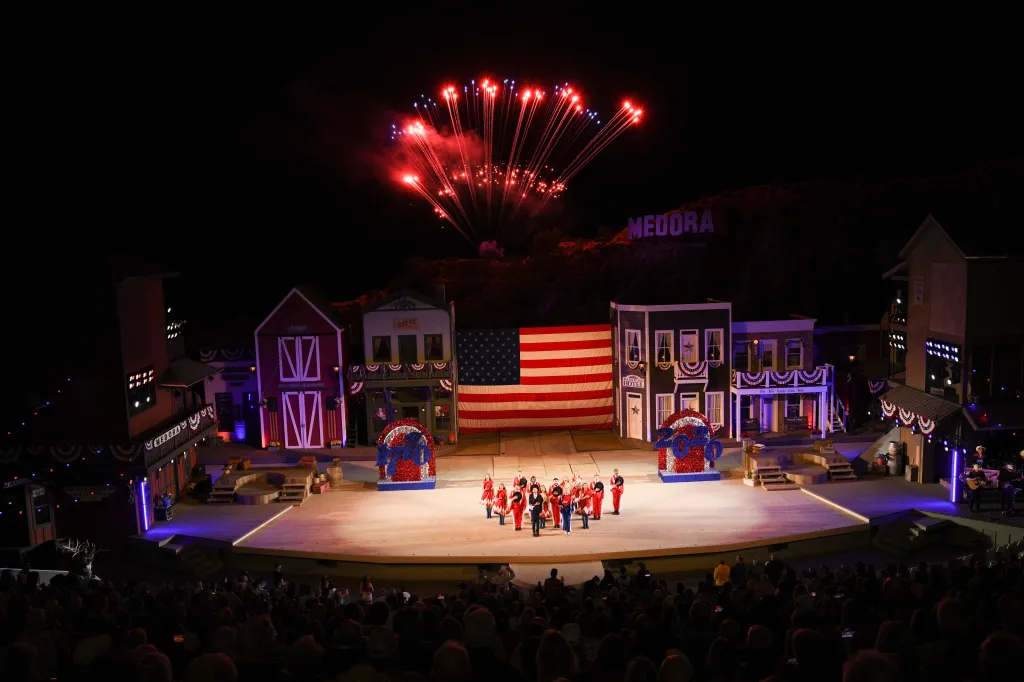
Other townsfolk are excited for the boost in tourism to tiny Medora, population 133.
“A lot of people around here don’t like change. But I think it’s probably going to be a good thing in the end. It’ll bring in people from all over and be good for business,” Kim Colbert, owner of Medora Boot and Western Wear, told The Post.
“People look to Theodore Roosevelt and they see what they want America to be. He’s such an easy, unifying figure at a time when we probably need more of those,” O’Keefe said.
“Republicans, Democrats, Independents, Theodore Roosevelt is like a Rorschach test. What you see in him says more about you than it does about him. That’s very true.”
The post New York lost out: The new Theodore Roosevelt Presidential Library in North Dakota is a celebration of a man who made America great appeared first on New York Post.