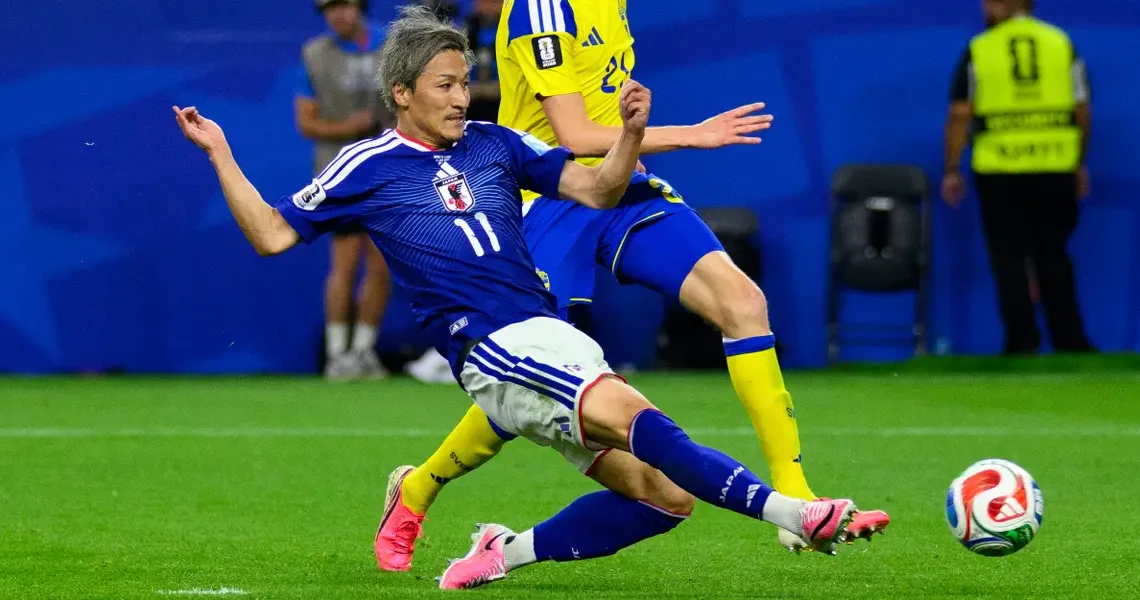

The most important piece of World Cup infrastructure may be one that most fans barely notice: the pitch, the carefully engineered surface of grass and synthetic fibers beneath the players’ feet.
The 2026 World Cup will be played across 16 cities in Mexico, the United States, and Canada, with different climates, elevations, and stadium designs—all of which affect how grass grows and performs.
Researchers at the University of Tennessee and Michigan State University have spent years helping FIFA figure out how to make the pitch consistent in every stadium, whether a match is in Miami or Mexico City.
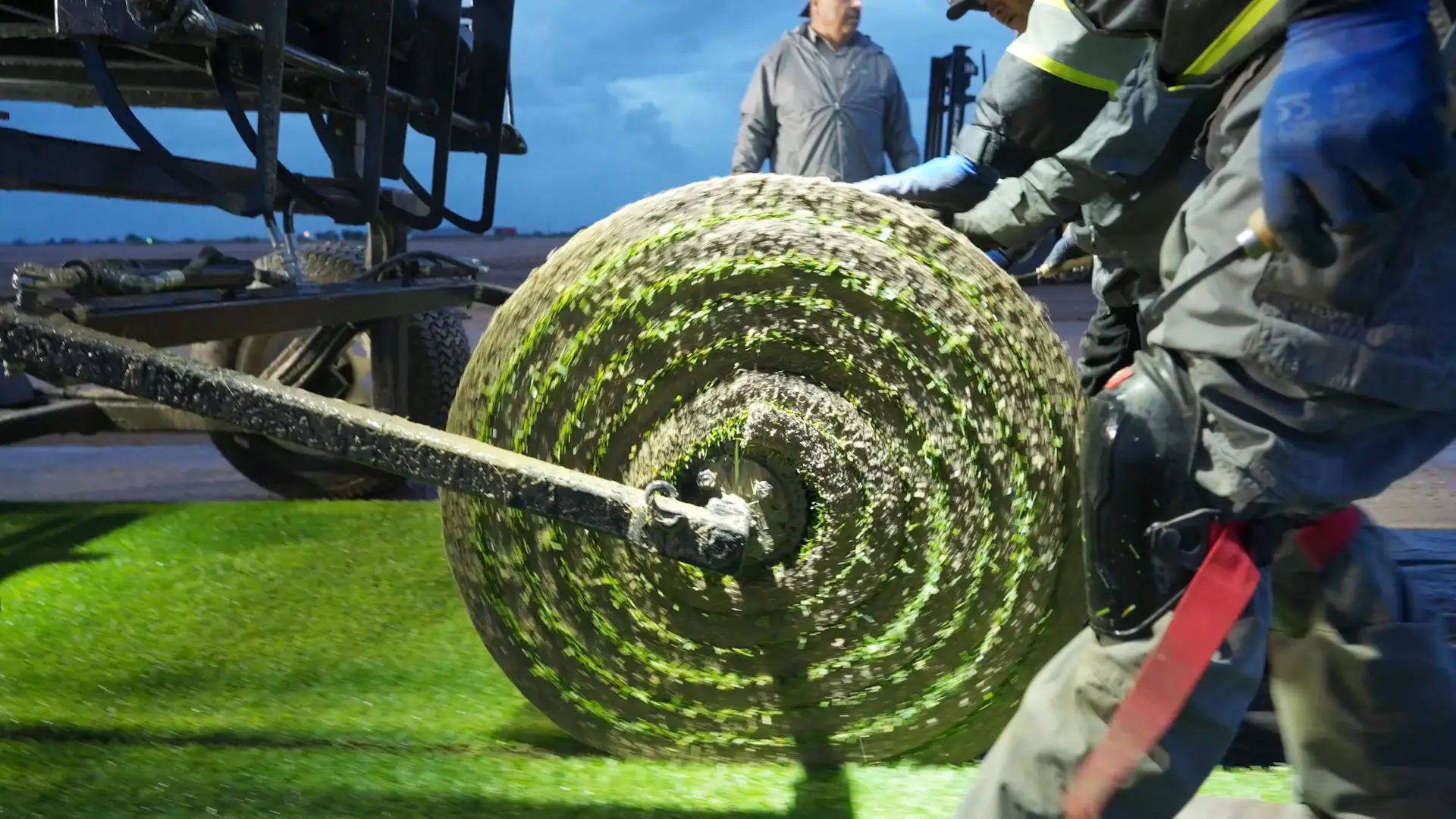
The logistics are especially complex for domed stadiums like Atlanta, Dallas, Houston, Los Angeles, and Vancouver, where the grass can’t simply be grown under natural sunlight.
Each World Cup stadium requires roughly 84,000 to 87,000 square feet of sod—pre-grown grass delivered in large strips and laid across the field. Moving that much grass takes about 27 to 30 refrigerated trucks for a single installation.
“Sod is like any produce,” John Sorochan, University of Tennessee distinguished professor of Turfgrass Science, told Business Insider. Refrigerated trucks keep temperatures low so the grass doesn’t heat up, decompose, or lose quality during transit.
Instead of sourcing turf locally, organizers are relying on carefully cultivated sod farms that have spent about a year preparing grass specifically for the tournament.
Some World Cup grass will travel more than 1,200 miles
Not every host city is getting its grass from nearby.
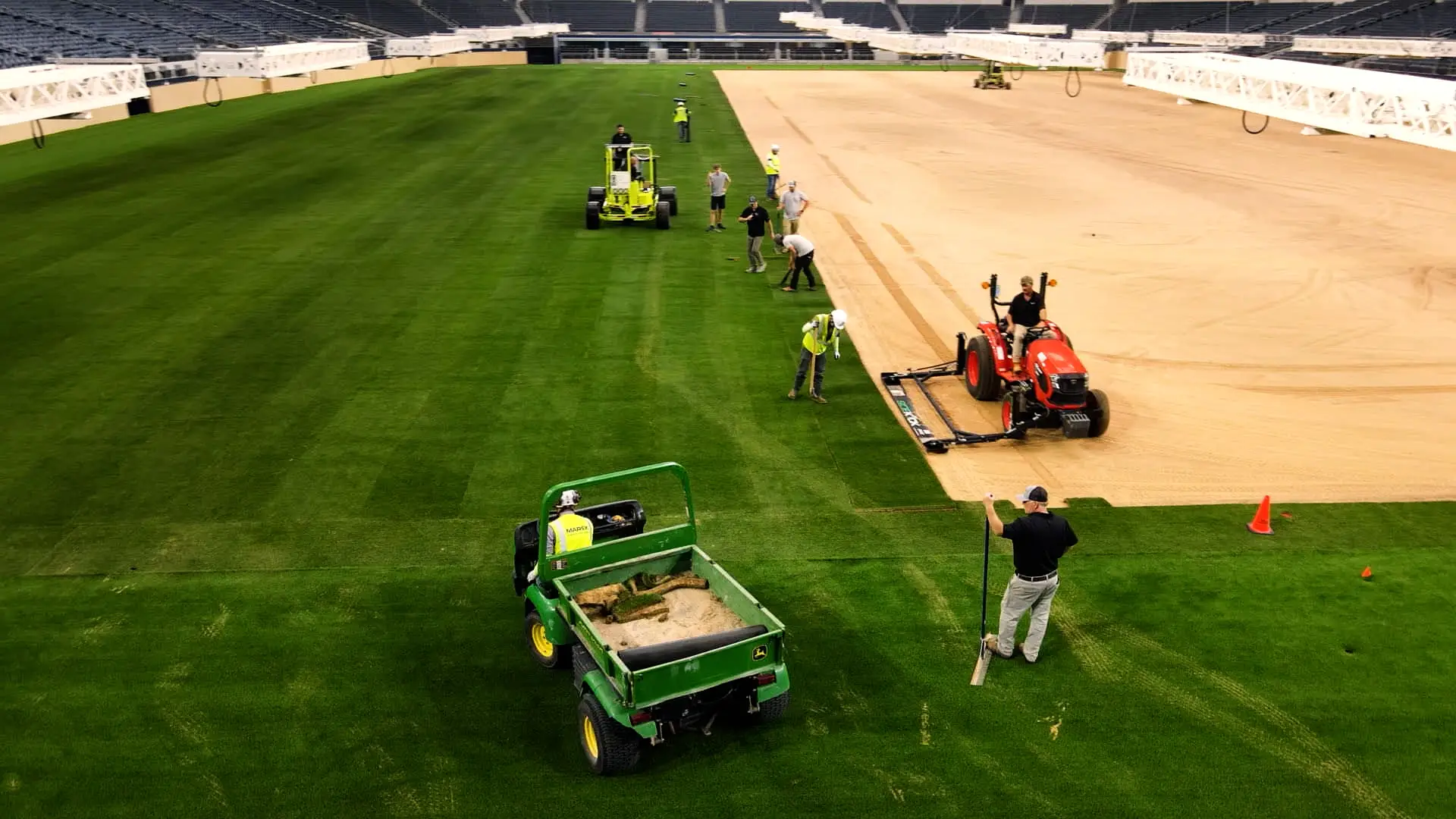
About 30 days before each stadium’s first match, crews harvest the sod, load it into refrigerated trucks, and transport it roughly 1,200 miles for installation,
The cool-season grass for games in Atlanta, Dallas, and Houston are being grown at a sod farm in Denver.
Los Angeles’ sod comes from a farm in from Washington state, while Vancouver’s will be sourced from a farm just an hour away.
The grass is grown differently before it ever reaches a stadium
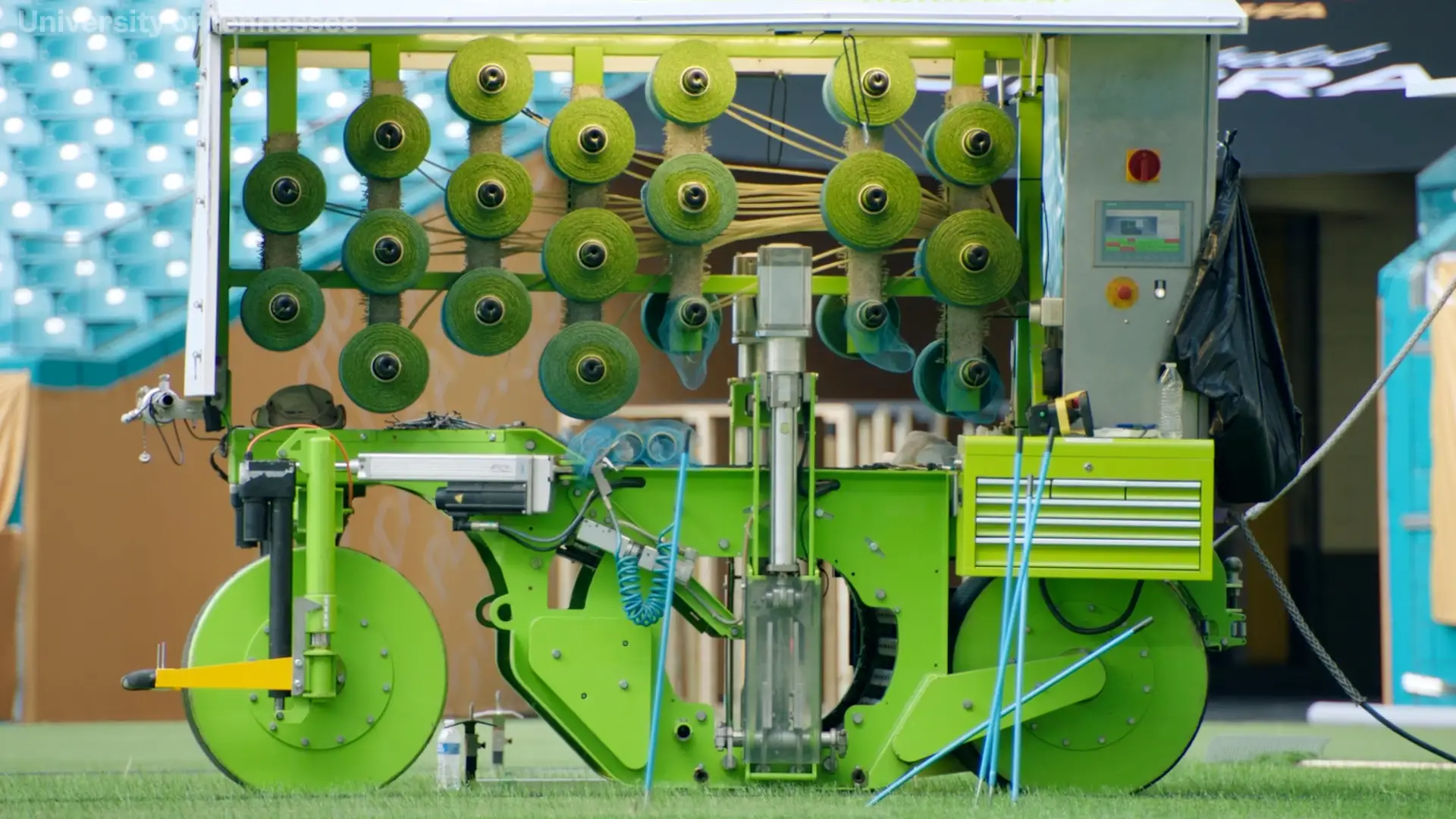
The sod is also produced differently from conventional stadium grass.
Instead of growing directly in soil, the World Cup sod is cultivated on top of plastic. The barrier prevents roots from growing downward, forcing them to spread laterally. When crews harvest the grass, they peel it off the plastic instead of slicing through the roots.
That means the root system stays intact, reducing stress on the plant and helping it establish quickly once it’s laid onto the stadium’s sand-based root zone, Sorochan said.
The rolls themselves are massive. Each measures about 3 to 4 feet wide and 35 to 50 feet long, and some weigh as much as 2,000 pounds.
FIFA installs each World Cup pitch at least three to four weeks before its first match, giving it time to root into the sand.
For fans, all of that work should be invisible once kickoff arrives, and that’s the point, Sorochan said. Players shouldn’t have to think about the field at all.
“When they kick the ball, it’s going to roll smoothly, or when it bounces, it’s going to bounce consistently,” he said.
The surface should feel the same from one stadium to the next, letting the tournament be remembered for the soccer rather than the grass.
Read the original article on Business Insider
The post Why World Cup grass will travel hundreds of miles in refrigerated trucks before kickoff appeared first on Business Insider.