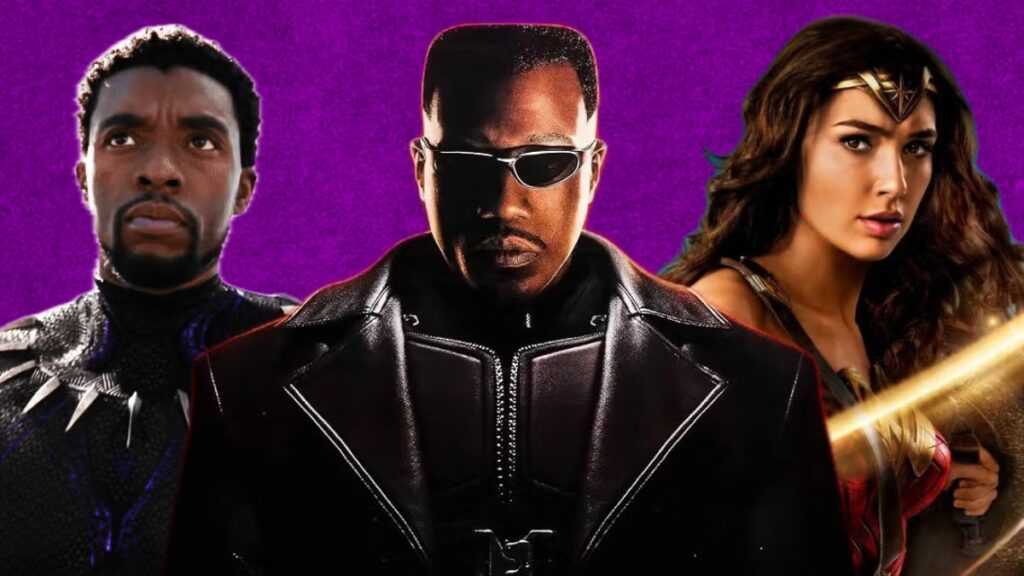
A lot of people who are alive today never knew a time before superhero movies dominated the entertainment industry. A few noteworthy hits scattered throughout the 20th century (mostly towards the end of it) could not have prepared audiences for the onslaught of costumed do-gooders earning huge bucks at the box office and gradually earning credibility as a serious artistic genre.
That’s why it’s so easy to take the history of superhero movies for granted these days, and why it’s vital to explore the many films that took big risks, whether they succeeded or failed, and forever altered the path these movies would take. From the silent era to the 2020s, superhero films experimented with a variety of different forms and reached out to a variety of different audiences, and if you look back, you can see that these were the biggest flashpoints.
Behold, our list of the 25 most important superhero movies of all time.
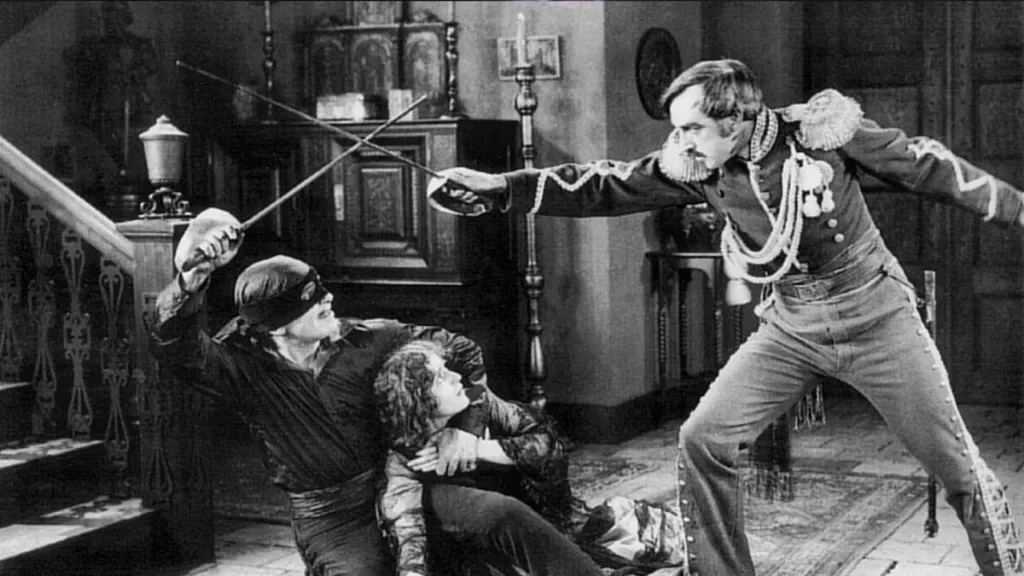
The Mark of Zorro (1920)
The history of the superhero genre doesn’t begin with Fred Niblo’s “The Mark of Zorro,” but as far as movies are concerned, this silent swashbuckler set the template for nearly every costumed crimefighter that followed. Based on Johnston McCulley’s 1919 novel “The Curse of Capistrano,” the original Zorro movie stars Douglas Fairbanks Sr. as a Spanish aristocrat who adopts a secret identity and uses his nearly superhuman swordfighting and acrobatic skill to defend the defenseless from his own, hopelessly corrupt class. This 1920 blockbuster, still as bracing and spectacular as ever, spawned so many waves of imitators that it became the template most superhero films that followed, to this very day. Even Christopher Nolan’s gamechanging “Batman Begins” plays like a remake.
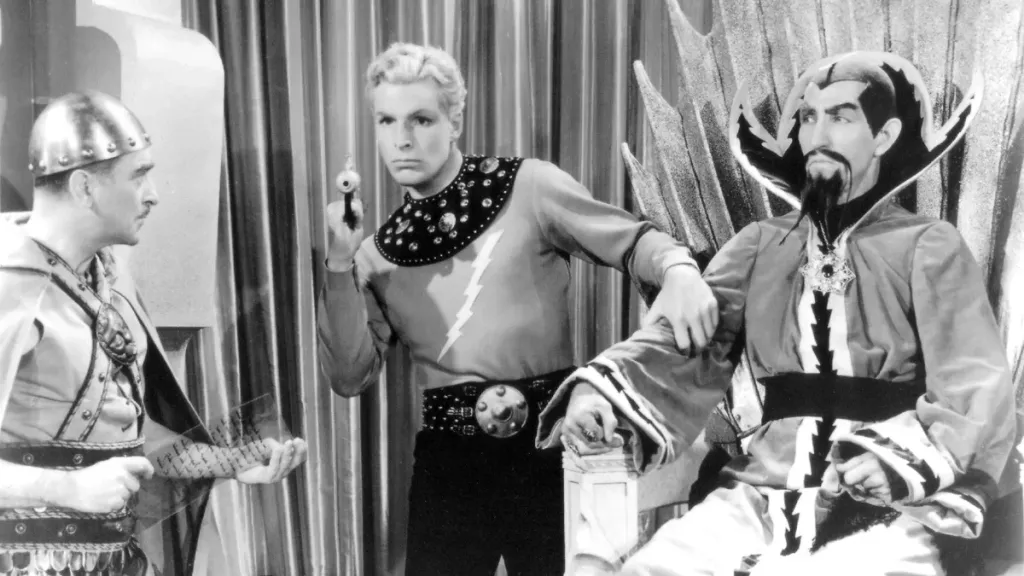
Flash Gordon (1936)
Alex Raymond’s dazzling newspaper comic strip “Flash Gordon” debuted in 1934, and only two years later it was wowing audiences with its outlandish tales of derring-do. Buster Crabbe, looking like he jumped off the page, stars as the title hero, an American sports star who gets stuck in space, and must save the planet Mongo from the evil Ming the Merciless (Charles B. Middleton). Ming is an offensive stereotype, nobody could claim otherwise, but the breathlessness of the first “Flash Gordon” serial — later edited into a feature-length motion picture — made an outsized historical impact. George Lucas tried to acquire the rights to make a “Flash Gordon” movie in the 1970s, and we he failed, he used this serial as a direct inspiration for “Star Wars,” birthing a new era of sci-fi/fantasy feature films — including Mike Hodges’ spectacular “Flash Gordon,” in 1980.
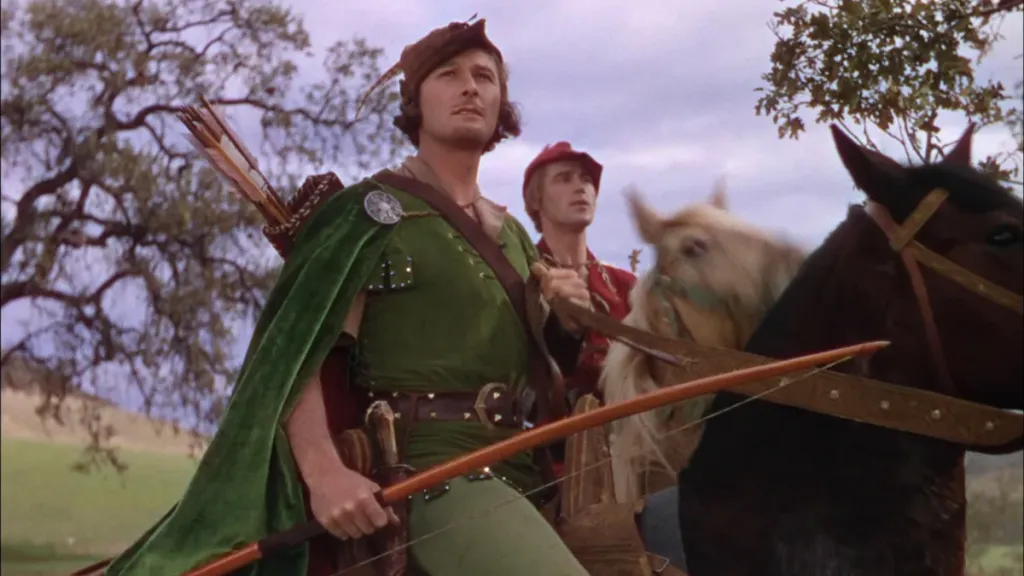
The Adventures of Robin Hood (1938)
Hundreds of years before comic book superheroes were dreamt up, Robin of Locksley took a threatening new name, lived in a secret lair, and using his legendary archery skills in the name of vigilante justice. The first superhero movie ever nominated for Best Picture, “The Adventures of Robin Hood” stars Errol Flynn as the dashing title do-gooder, who swashes and buckles his way through one of the greatest and most influential action movies ever made. Larger than life and so colorful that television screens can barely contain it, Robin Hood robs from the rich, gives to the poor, and — when confronted by the wealthy and corrupt — he speaks treason. Fluently.
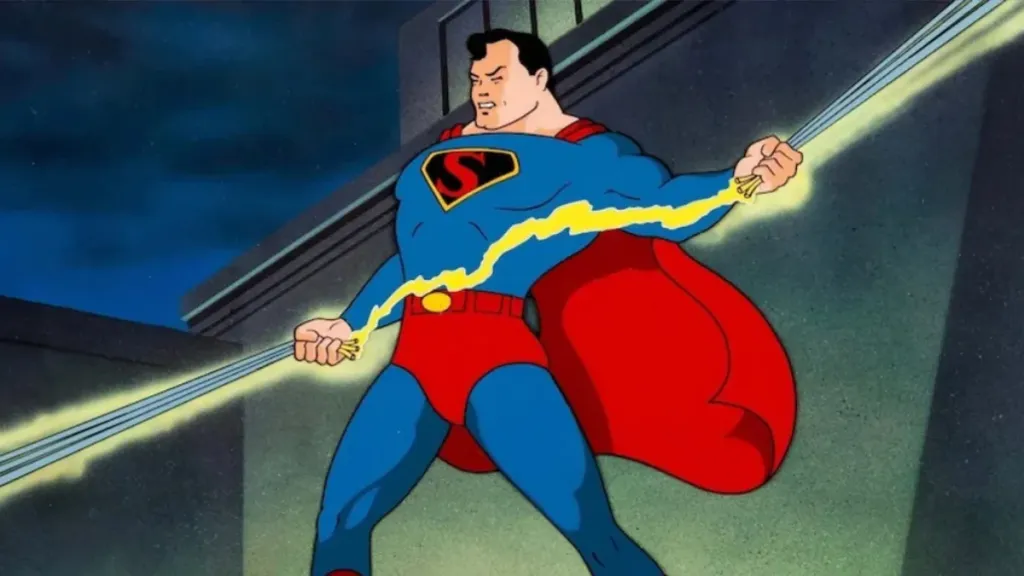
Max Fleischer’s Superman (1941)
Just three years after Superman debuted in the pages of “Action Comics” he was bounding onto the big screen, courtesy of animation legend Max Fleischer. The early “Superman” serials are gorgeous hand-painted productions, with dazzling compositions and designs, thrilling scores and larger-than-life feats of wonder. They also had a tendency to be incredibly racist, depicting Japanese villains as offensive caricatures that still bring shame to the franchise. But the incredible artistry of the original “Superman” serials inspired many of the best animated superhero stories that followed, espeically “Batman: The Animated Series,” which itself became one of the most influential cartoon series ever made.
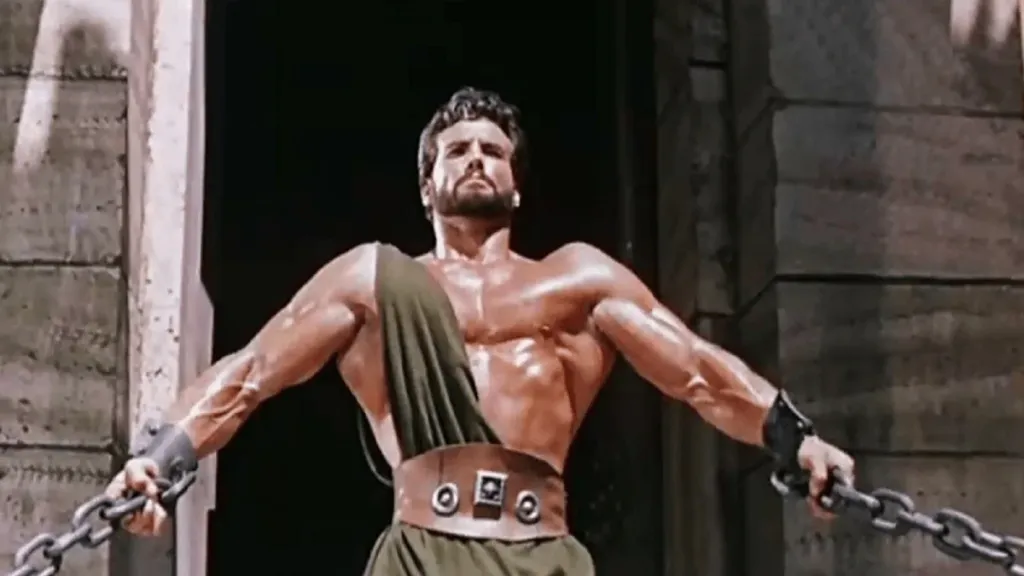
Hercules (1958)
Four years before Thor debuted in the pages of Marvel comics, the blockbuster “Hercules” made mythological superhunks mainstream. Steve Reeves stars as the son of Zeus, who helps Jason and the Argonauts retrieve the fabled Golden Fleece, and resist the sexual temptations of the Amazonian women. The homoerotic appeal of the “Hercules” movies was embraced by queer communities and general audiences alike, and although the first two films in this long-running series have a bad reputation — thanks, largely, to their ironic 1990s revival in “Mystery Science Theater 3000” — they’re both handsome, wonderful adventures, colorfully photographed by the influential Italian horror maestro Mario Bava.
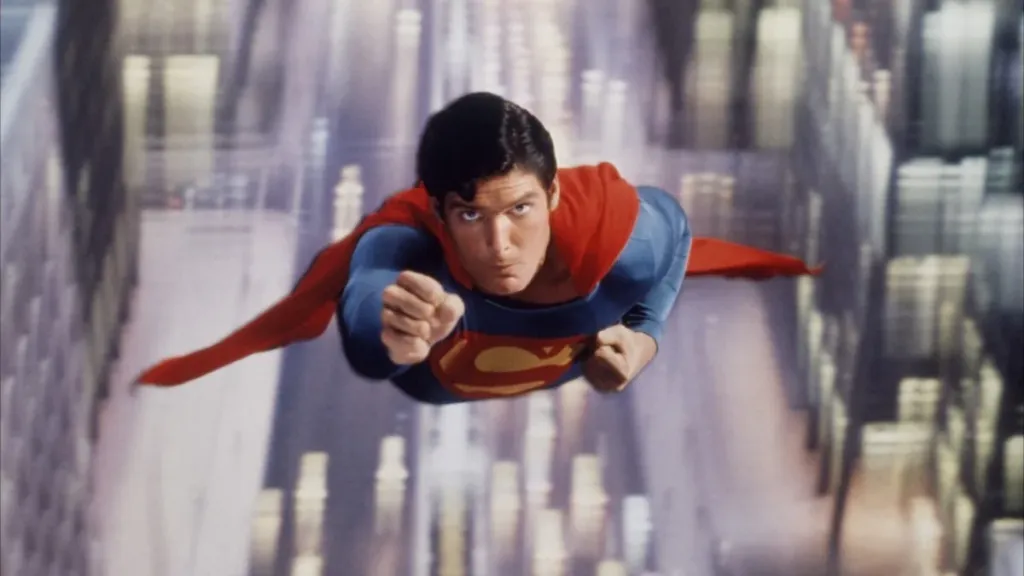
Superman: The Movie (1979)
After the “Batman” television series took root in the 1960s, and convinced adult audiences that superhero stories were mostly hilarious camp, Richard Donner’s “Superman: The Movie” took a daring approach and adapted the classic DC icon seriously. Christopher Reeve stars as Clark Kent, an alien with abilities far beyond normal men, who wears a flashy muscleman costume and flies around the world saving lives and stopping Lex Luthor, played with aplomb by Gene Hackman, from nuking the coast of California. The live-action “Superman” movie dared us to believe a man could fly, and thanks to Reeve’s outstanding performance and then-cutting edge visual effects, that’s exactly what it did. “Superman: The Movie” has some odd quirks, but it set the stage for the cinematic superhero renaissance that followed.
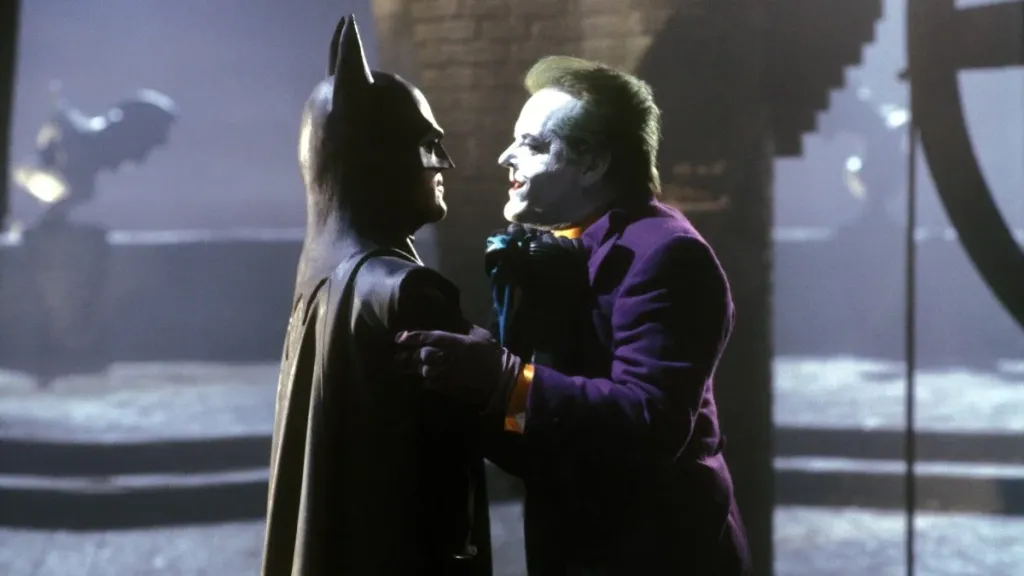
Batman (1989)
“Batman” isn’t just one of the most important superhero movies, it’s arguably one of the most influential movies ever made. Tim Burton took The Dark Knight seriously, treating the hero as a grim vigilante in a German Expressionist environment, so audiences would have to take him seriously, no matter what he was wearing. Michael Keaton toned down his comedic persona for a serious, iconic performance as Bruce Wayne, and Jack Nicholson ratcheted his star power way up to play the Joker, a Technicolor monster who pops right out of Burton’s shadowy environments.
“Batman” was such an enormous success that for a decade almost every superhero movie followed its lead, but it also changed the game for superhero movie franchising, spawning sequels and tie-ins and merchandise that helped transform the genre into a financial bonanza every studio wanted to exploit.
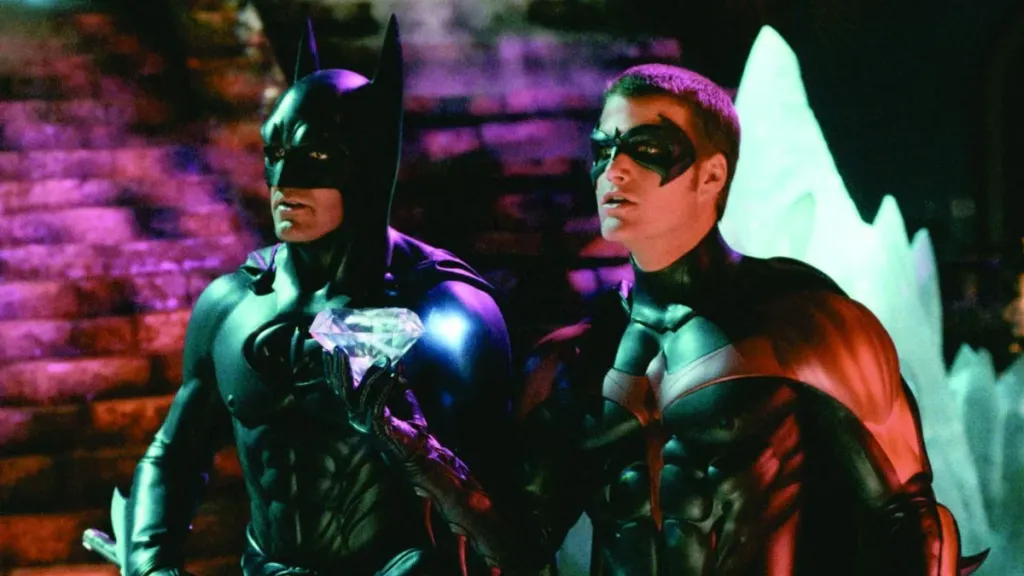
Batman & Robin (1997)
Not every superhero movie is important for the right reasons. Tim Burton’s “Batman” launched the 1990s superhero craze and Joel Schumacher’s “Batman & Robin” effectively ended it, tanking at the box office and earning derision from critics and audiences all over the world. Schumacher’s toyetic vision jettisoned all of Burton’s artsy seriousness in favor of a high camp, oddly sexualized neon Las Vegas stunt show aesthetic, brought down by a cheesy screenplay and an A-list cast who didn’t all seem in on the joke. Both of Schumacher’s “Batman” movies have been reassessed in the years that followed, with “Batman Forever” in particular earning lauds for its gloriously queer subtext, but “Batman & Robin” taught Hollywood a lesson it wouldn’t soon forget: Audiences wanted to take superhero movies seriously, not laugh at how silly they are.
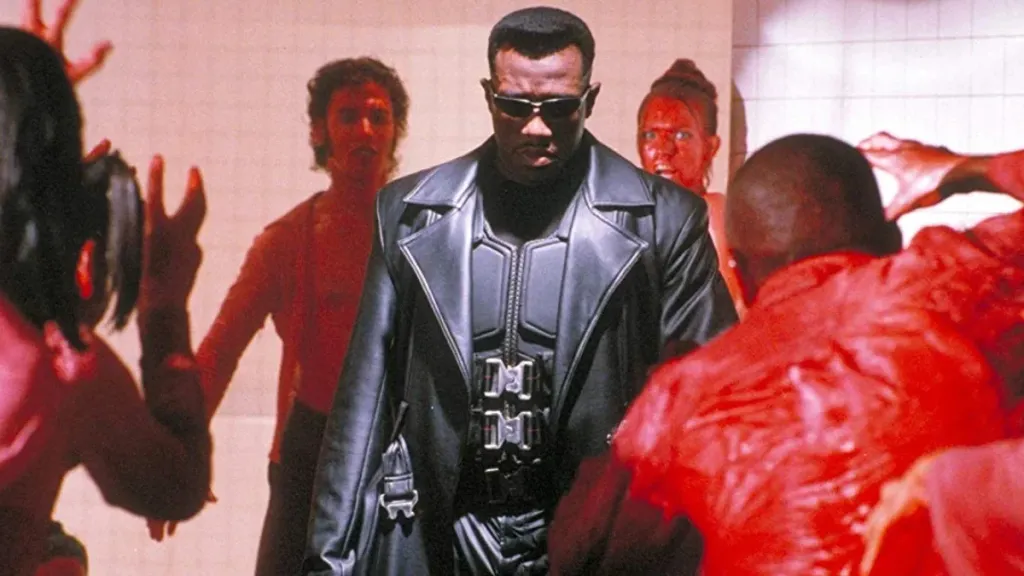
Blade (1998)
Just one year after it looked like superhero movies were dead, an extremely unlikely character brought them back to life. “Blade” adapted a relatively obscure vampire-hunting Marvel superhero, casting a Wesley Snipes as a stalwart badass saving the world from bloodsuckers while fighting his own half-vampire nature. It didn’t break huge financial records but “Blade” was such an unexpected success that the film industry took immediate notice. Audiences would pay to see a superhero movie even if it wasn’t a common household name. And, over a decade after the disastrous “Howard the Duck” made Marvel Comics look like box office poison, their extensive catalogue of characters was ripe for the plucking.
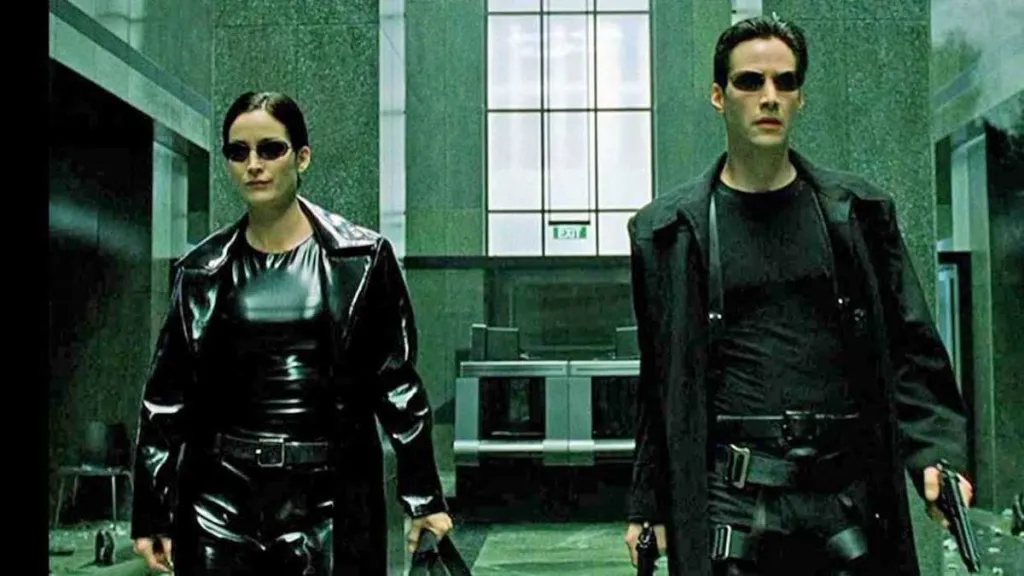
The Matrix (1999)
The Wachowskis knocked the entire world of filmmaking on its ass with “The Matrix,” a high-concept sci-fi superhero movie inspired by comics, anime, kung fu classics, video games and rave culture. Keanu Reeves stars as Neo, a boring office drone who discovers his online identity is who he really is, breaks free of the oppressive rules of society and reality, and uses his superpowers to free minds. The in-your-face, extremely modern style of “The Matrix,” dressed in tight leather and embracing innovative new concepts in visual effects, helped shape the look and feel of action movies for years. And the film’s story — an extended and heroic allegory for the trans experience — was embraced the world over, even (and sometimes especially) by audiences who didn’t understand it.
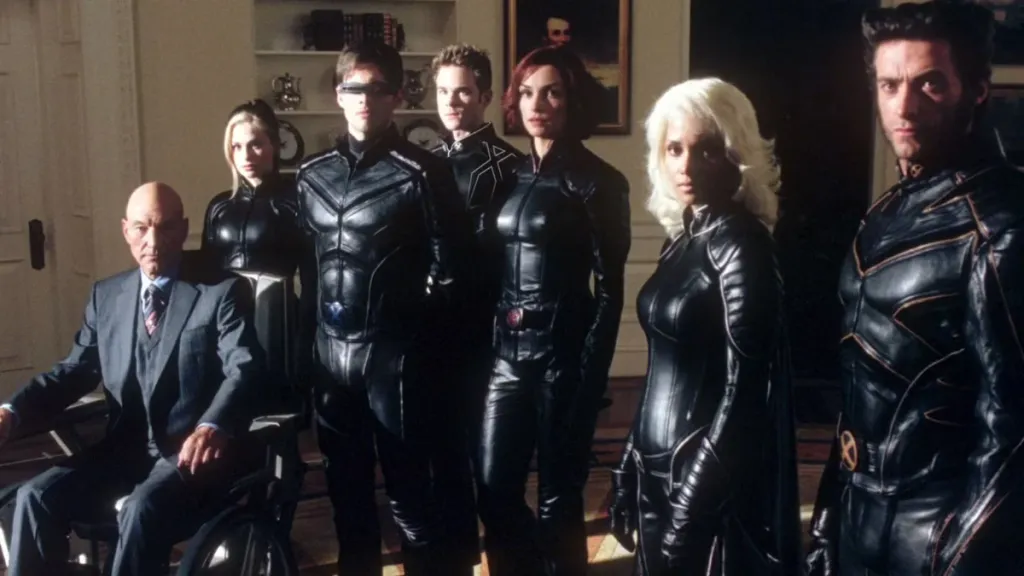
X-Men (2000)
The skin-tight leather of “Blade” and “The Matrix” was inescapable by the time the first live-action “X-Men” movie debuted. Bryan Singer, not yet canceled, adapted the best-selling Marvel franchise as a modestly budgeted sci-fi action movie which had, as far as fans were concern, everything stacked against it. The costumes looked wrong, casting an unknown as Wolverine seemed dangerous, and popular wisdom dictated that cramming multiple superheroes into one film was a recipe for disaster. “X-Men” proved that superhero team movies were possible, and that yes, that Jackman guy was going places. Marvel movies were confirmed moneymakers, and a long-running, influential franchise was born.
Spider-Man (2002)
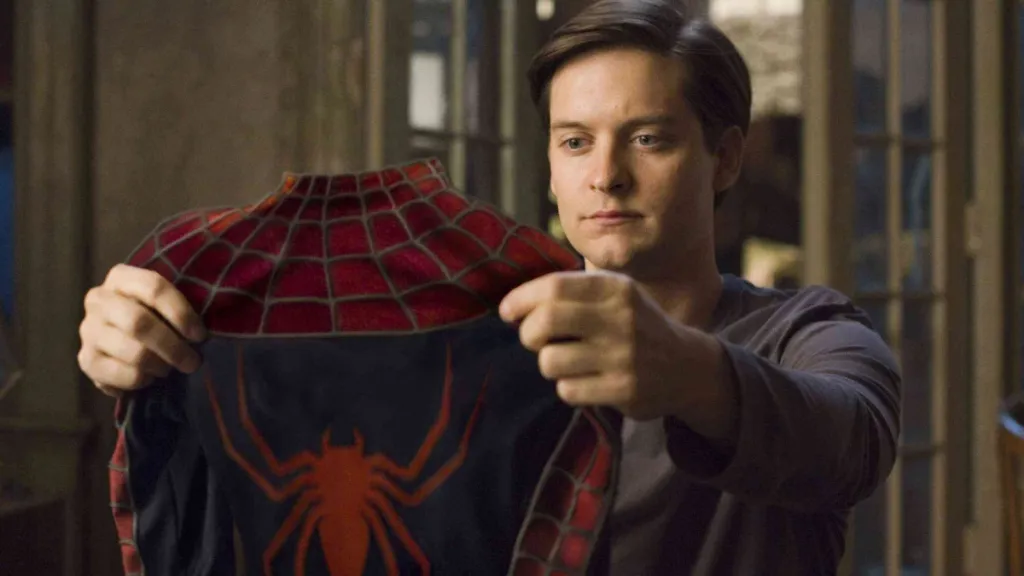
The importance of Sam Raimi’s original “Spider-Man” in the superhero genre can’t be overstated. Raimi’s energetic, character-driven approach to the beloved hero faithfully adapted the earnestness and wonder of Stan Lee and Steve Ditko’s classic Silver Age comics, but more than that, “Spider-Man” was a wonderful love story that anyone could enjoy. “Blade” and “X-Men” were popular action movies but “Spider-Man” broke out of that narrow genre, appealing to everybody under the sun and breaking one record after another, thanks to its overwhelming audience appeal.
But then there’s the unique, unforeseeable timing: Raimi’s first “Spider-Man” debuted less than a year after the tragic events of 9/11, and its portrayal of New York City as a colorful panoply of memorable characters, whether they had superpowers or not, resonated with audiences more powerfully than anyone could have predicted. “You mess with Spidey, you mess with New York,” the crowd screams, defending Spider-Man as a noble first-responder. “You mess with one of us, you mess with all of us.” It still brings a tear to the eye.
Batman Begins (2005)
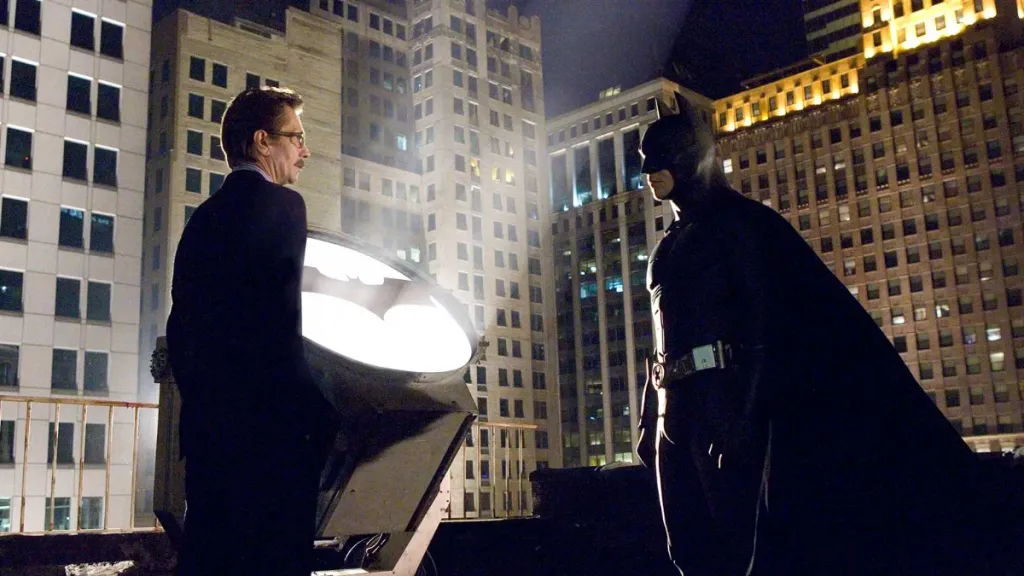
Christopher Nolan’s first Batman movie took an inspired approach to the character. Where previous iterations embraced the silliness of the premise, or altered the reality around Batman to make his larger than life persona feel at home, “Batman Begins” imagined how every seemingly unusual thing about Batman might actually make perfect sense. Sure, “Batman Begins” was still a wild superhero ride, complete with a nonsensical sci-fi superweapon and a conspiratorial cabal of secret ninjas, but Batman himself was a logical creation, up to and including his pointy helmet ears.
Christian Bale’s dual performance as Bruce Wayne, an affable layabout barely concealing his true intentions, and as gravely-voiced vengeance incarnate, redefined the character (even as it harkened back nearly a hundred years, to “The Mark of Zorro”), and Nolan’s grounded approach to exaggerated material laid out a formula that many action franchises would follow, some more successfully than others.
Iron Man (2008)
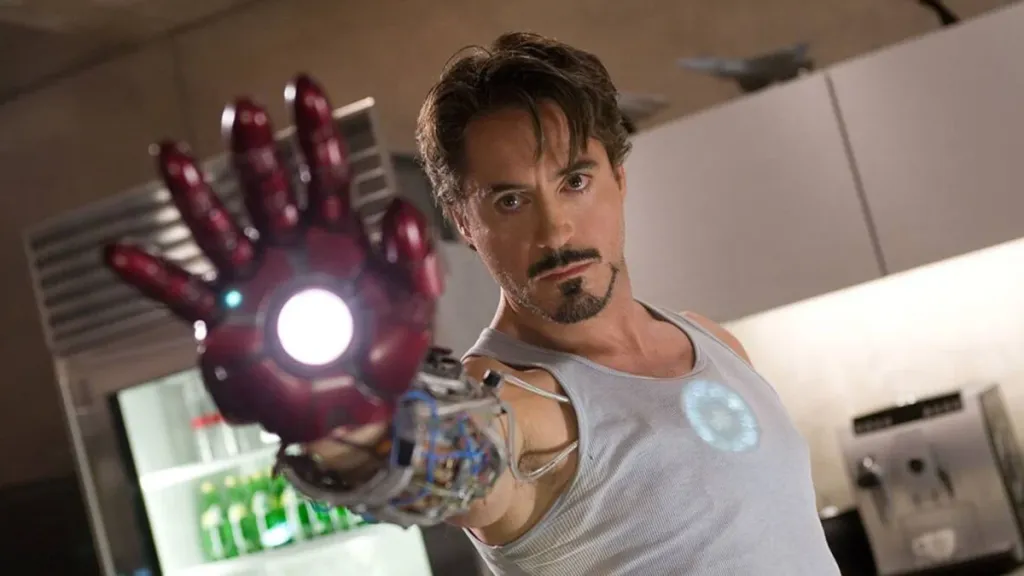
After a decade of farming their superheroes to different studios with… let’s just say “mixed” results, Marvel formed their own movie studio. The problem was, they didn’t own most of their biggest characters. So “Iron Man,” based on a only-somewhat popular hero whose comic book heyday was well behind him, was in no way a sure thing. Add in a filmmaker, Jon Favreau, who had never directed a blockbuster and a star, Robert Downey Jr., whose many run-ins with the law made hiring him a huge risk, and there was a good chance “Iron Man” would tank.
Instead, “Iron Man” was an acclaimed, unexpected box office success, rooted in Downey’s excellent, magnetic performance and a bright, appealing tone that made the character easy to love. Marvel Studios was off to a rip-roaring start, and that’s before the post-credits teaser sold audiences on something that had never been done before: an interconnected universe of superheroes. Maybe it would work, maybe it wouldn’t, but the promise was tantalizing and shot the franchise into the stratosphere.
The Dark Knight (2008)
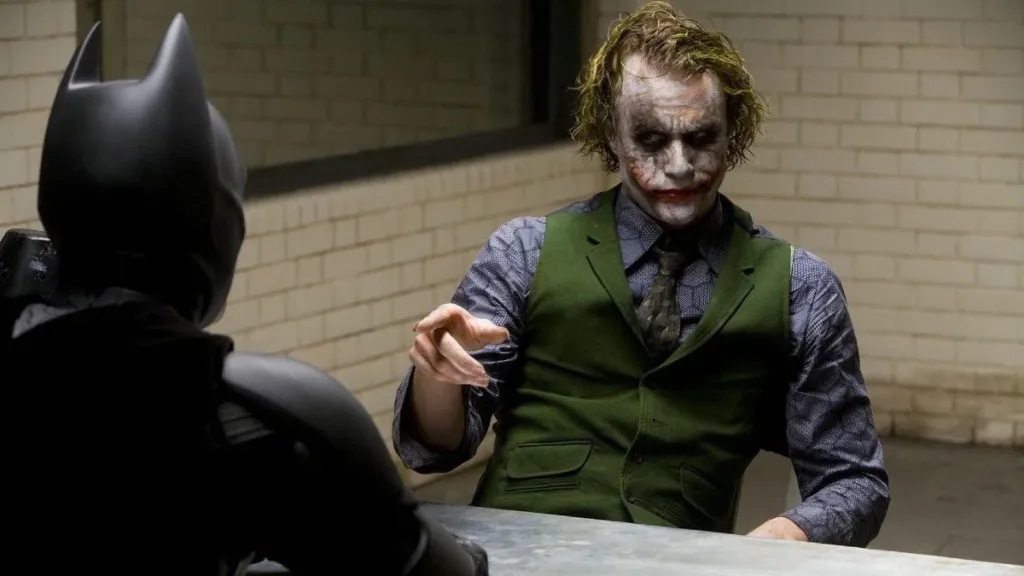
Christopher Nolan’s “Batman Begins” is arguably more influential, but few comic book movies are as important as “The Dark Knight.” The sequel stars Heath Ledger, who tragically died shortly after production, as the Joker, a lord of chaos unleashed in Gotham City, destroying every semblance of order Batman and the civil servants he supports have tried to build. “The Dark Knight” was a huge step forward for Nolan cinematically, bringing a sense of scale and severity never before seen in superhero movies, which resulted in a huge financial success that made everyone take the genre seriously.
Ledger won a posthumous Academy Award for playing an evil clown, and the film’s Best Picture snub helped inspire the Oscars to increase the number of nominees, making room for more blockbusters to break into the awards season in the decades the followed.
The Avengers (2012)
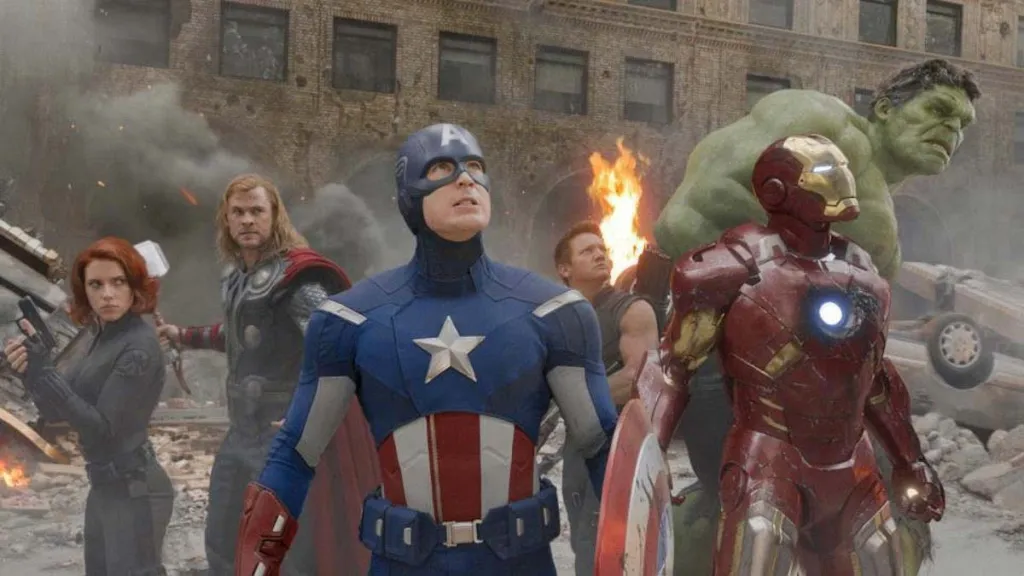
The promise of the Marvel Cinematic Universe was just that, a promise, until “The Avengers” came along. A series of disparate, single-superhero franchises — Iron Man, Thor, Captain America, the Hulk — came together in a single feature that miraculously found room for every popular character to interact, fight each other, fight armies of aliens, and form bonds that would solidify the MCU’s place in history. It wasn’t the first multi-franchise crossover (the Universal Monsters and Godzilla beat “The Avengers” to the punch decades ago), but it was the most successful attempt in history, and proved everything people thought superhero movies couldn’t do was, in fact, possible all along.
Man of Steel (2013)
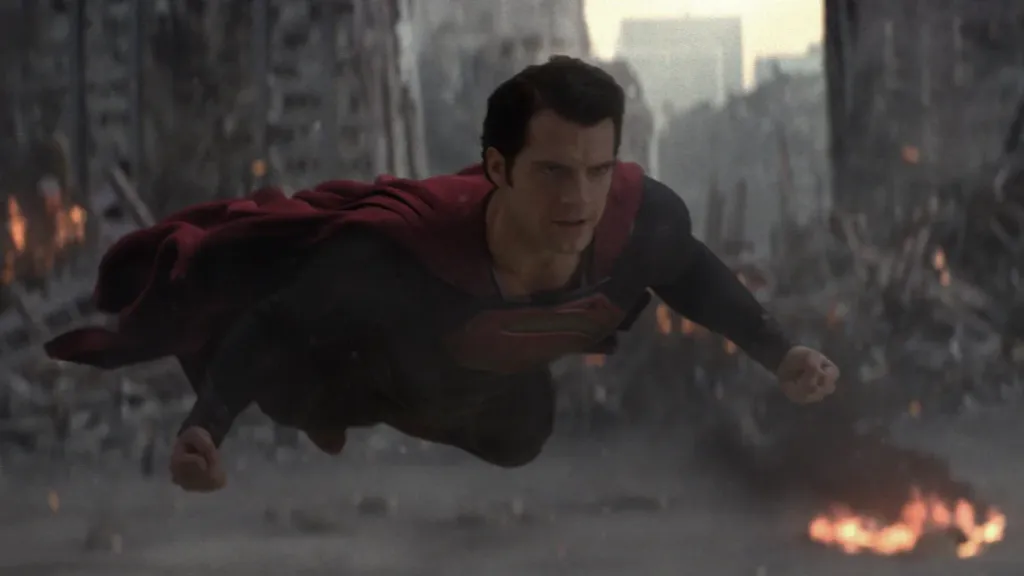
Warner Bros. was late to the shared universe party and desperate to catch up when they launched “Man of Steel” in 2013. Directed by Zack Snyder, whose mostly comics-accurate adaptation of the sword-and-sandal film “300” was an unexpected hit, and whose ambitious adaptation of “Watchmen” was unexpectedly not, “Man of Steel” was a serious deconstruction of Superman, starring a perfectly-cast Henry Cavill as Clark Kent.
Snyder’s maximalist style made “Man of Steel” impressive, but in the process it also played up major melodramatic story elements that made this take controversial. Pa Kent (Kevin Costner) told his son he should let people die to preserve his secret identity, which was harsh enough, but Superman’s decision to kill his nemesis — after a fight which almost certainly left thousands of people dead through collateral damage — was an albatross that defined the DC Extended Universe, forcing subsequent films to reckon with magnitude of “Man of Steel’s” grimness. Audiences had mixed reactions, and although there were spikes in the DCEU’s popularity (usually from films with a less depressing tone), the framework was established and, love it or hate it, the future of the DC superheroes was practically set in stone.
Logan (2017)
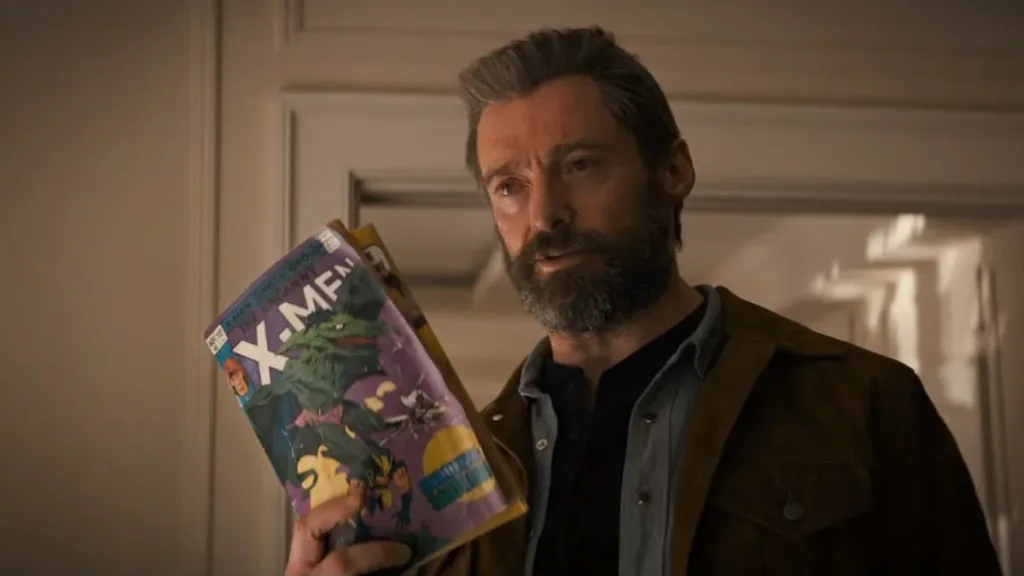
Fox’s “X-Men” movies were inconsistent, to say the least. Audiences connected with “X2” and “X-Men: First Class,” but clucked disapprovingly at the half-hearted “X-Men: The Last Stand” and the half-baked “X-Men Origins: Wolverine.” The one constant in all of the studio’s wild superhero swings was Hugh Jackman, who brought complexity and vitality to one of Marvel’s most beloved characters. After nearly two decades, James Mangold’s “Logan” gave the superhero the film he deserved, an R-rated and dramatically resonant story about the scars left by a lifetime of violence, and an act of redemption that might heal his soul.
“Logan” was such a noble, impressive take on the character that it earned the first Best Adapted Screenplay nomination for a superhero movie, and until “Deadpool & Wolverine” came along, earned the respect of audiences everywhere for giving the character a meaningful ending.
Wonder Woman (2017)
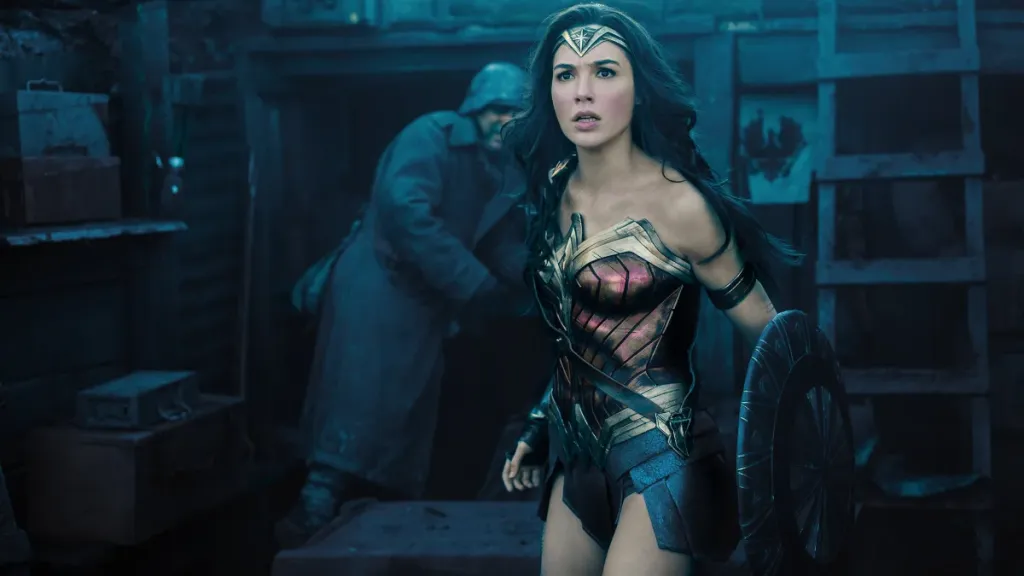
With a little luck it will be hard for future generations to relate to how cathartic “Wonder Woman’s” success was in 2017. Superhero movies had always been a male-dominated genre, no matter how many women watched and loved them. (Marvel Studios balked at the idea of giving one of their popular women characters their own movie for years, even though Black Widow was right frickin’ there.) But whenever studios did give women superheroes the spotlight, in films like “Red Sonja,” “Supergirl” and “Catwoman,” they didn’t put a lot of effort into the productions, let alone hire women to direct them (notable exceptions: Rachel Talalay’s “Tank Girl” and Karyn Kusama’s “Aeon Flux”).
So when Patty Jenkins directed “Wonder Woman,” and it was a massive critical and financial success, it felt like the genre finally turned a corner. “Wonder Woman,” starring Gal Gadot, was such a huge blockbuster that it seemed like the DC Extended Universe might finally be getting on track, and earn back the good will it lost over multiple slapdash, aggressively masculine productions. Jenkins directed “Wonder Woman” with a powerful eye for action, and an even more impressive approach to the characters and the themes of their world, resulting in one of the best superhero movies of the decade, and arguably the most respected film in the whole DCEU.
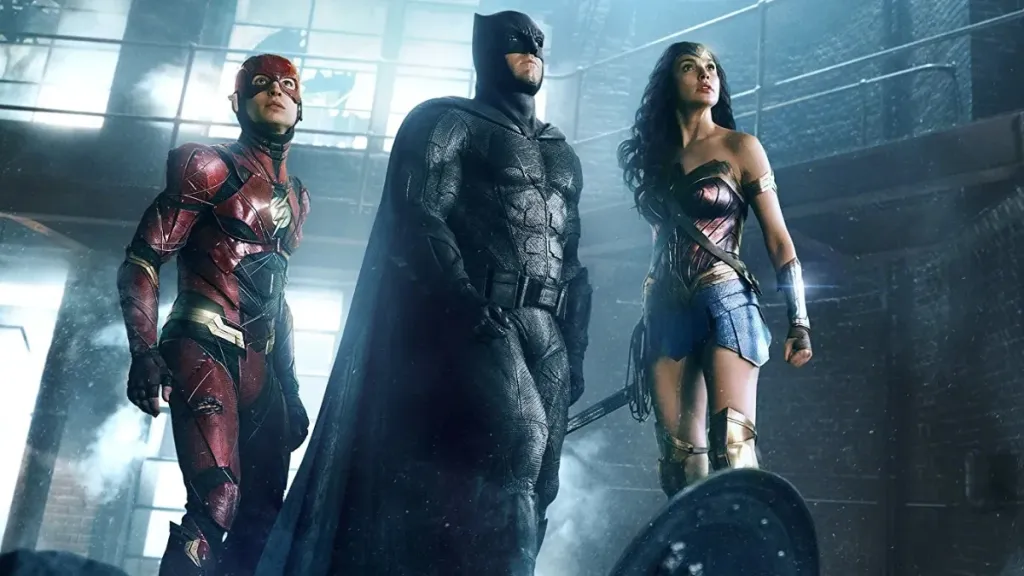
Justice League (2017)
Again, not every important superhero movie is important for great reasons. After “Man of Steel” and “Batman v Superman” both struggled to match Marvel’s billion-dollar success, DC started undermining Zack Snyder’s ambitious crossover “Justice League” movie, eventually kicking the director to the curb and letting “Avengers” director Joss Whedon rewrite and reshoot the project. But with an impossibly short production schedule and an increasingly difficult work environment, “Justice League” was an alarmingly unsuccessful mess, in more ways than one.
Not only did “Justice League” struggle at the box office, and fail to win over critics and fans, Warner Bros.’ treatment of Zack Snyder and unwillingness to let him finish and release his director’s cut galvanized an irate fanbase, which pulled out all the stops to shame the studio until they gave them the film they wanted. “Justice League” directly widened a schism in the superhero fanbase, where certain audiences aggressively insisted their demands be met, and refused to take “no” for an answer.
The Snyder Cut of “Justice League” was eventually finished and released in 2021, and it was almost unilaterally superior to the theatrical version (even though it still had its fair share of issues). It still couldn’t save the DCEU, which was a victim of its own, extreme inconsistency, but it ended a strange chapter in superhero movie history, forever a symbol of the increasingly fraught relationship between this popular, lucrative genre and its impassioned, mobilized fans.
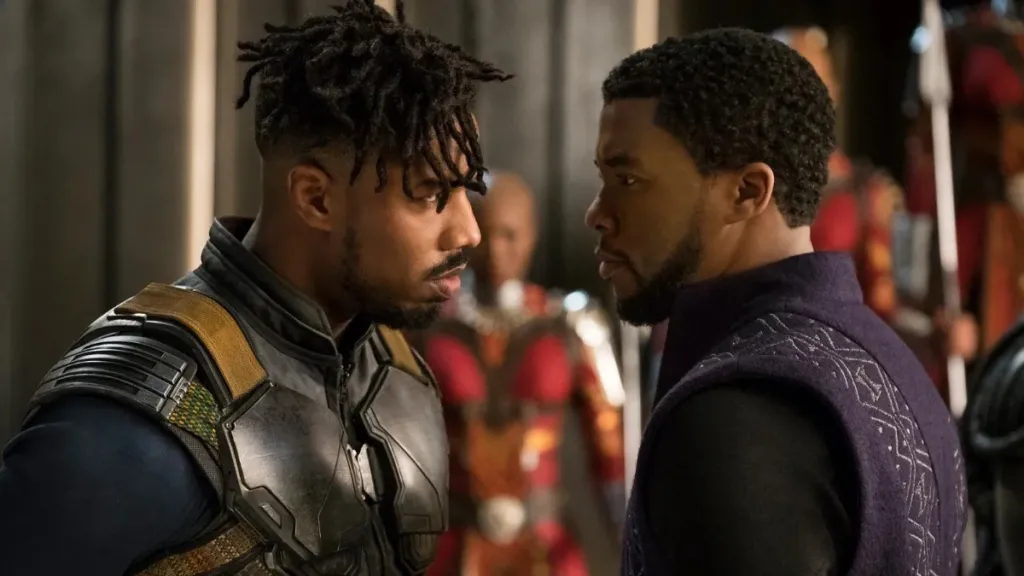
Black Panther (2018)
Superhero movies were, with a few notable exceptions, largely dominated by white filmmakers and actors, at least in the west. They still are, and it’s a huge problem, but Ryan Coogler’s ultra-popular, ultra-successful, Oscar-winning adaptation of “Black Panther” proved that Hollywood’s insistence on sidelining both superheroes and audiences of color was an unforgivable mistake.
“Black Panther” is a story about the Black superhero experience, with the title hero — played by the late, iconic Chadwick Boseman — representing the idealized, Afrofuturist nation of Wakanda. But if Wakanda was such an advanced, powerful nation, why did they stay out of world affairs for centuries? Michael B. Jordan’s antagonist, Killmonger, challenges the very concept of the Black Panther, in the process elevating an already lavish superhero adventure into an incredibly complex conversation about representation in superhero cinema, the evils of isolationism, and the importance of changing the world, not just fighting “bad guys.”
Coogler’s masterpiece was such an incredible production it became the first superhero movie in 8o years to earn a Best Picture nomination, and solidified Black Panther’s place as one of the best superheroes, and superhero movies, ever made.
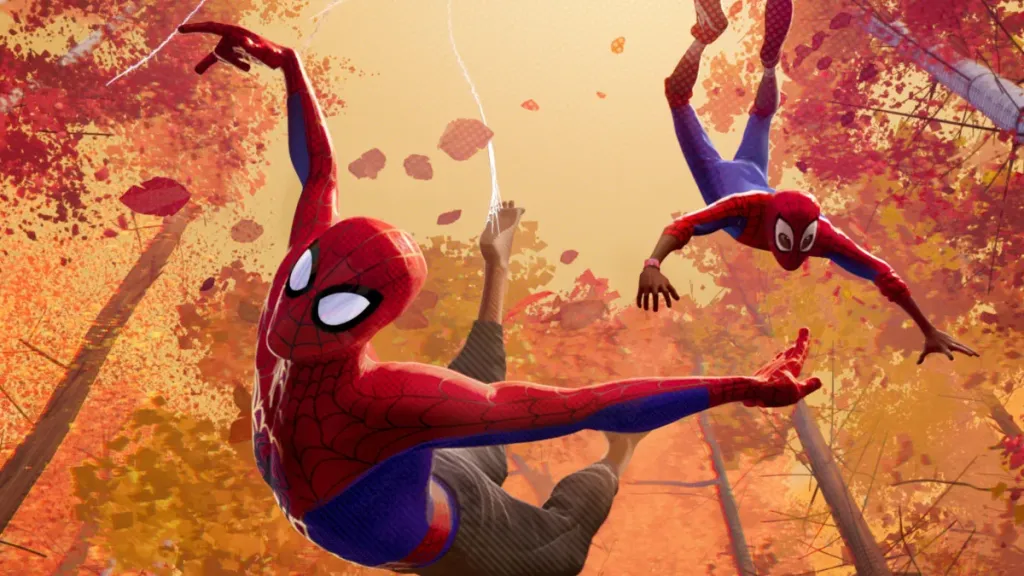
Spider-Man: Into the Spider-Verse (2018)
The animated feature “Spider-Man: Into the Spider-Verse” has a fantastic premise, taking place in a great big multiverse where every version of Spider-Man — who, like many superheroes, has been reimagined almost countless times — are all real, and all valid. Miles Morales (Shameik Moore) gets his spider-powers and also a mentor in a particularly disheveled and depressed Peter Parker (Jake Johnson), before teaming up with multiple versions of himself to find his own path and save the worlds. All the worlds. It’s a wonderfully entertaining and brilliant film on many levels.
“Into the Spider-Verse” was the first superhero movie to delve seriously into the idea of alternate realities, which quickly became a zeitgeist within the genre, if only as a way to exploit previous iterations of every franchise. In the process, Bob Persichetti’s, Peter Ramsey’s and Rodney Rothman’s film ate Marvel Studios’ milkshake, wowing audiences with a premise the much larger franchise planned to stretch out for years. “Into the Spider-Verse” remains the gold standard as far as parallel reality superhero movies go, and it also inspired a new wave of animated features which copied the film’s revolutionary style, embracing this Oscar-winning classic’s variable frame rates and lack of motion blur.
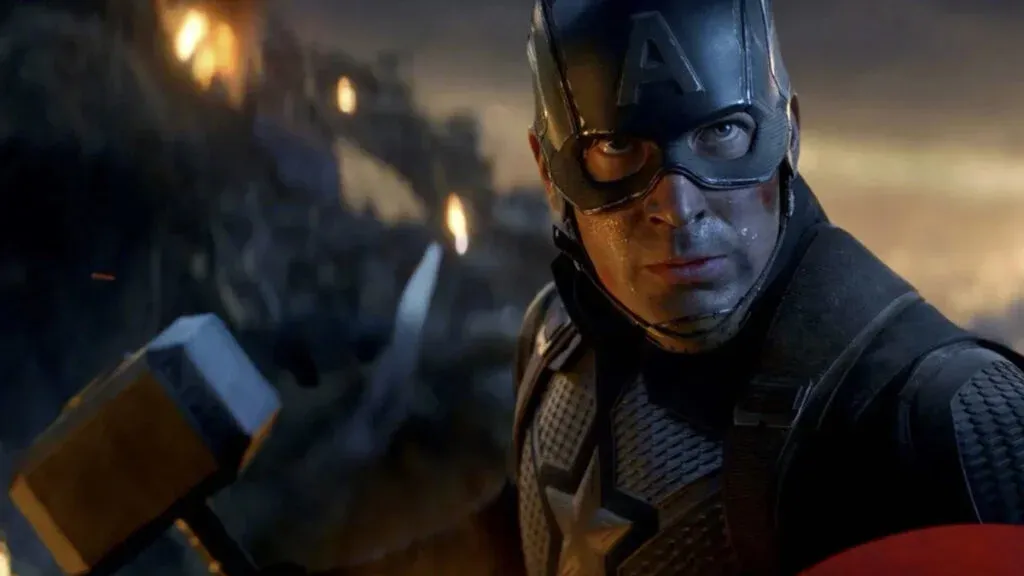
Avengers: Endgame (2019)
The Marvel Cinematic Universe’s approach to cinematic storytelling effectively turned dozens of theatrical features into a great big serial, not unlike “Flash Gordon.” It’s a little surprising, if you think about it, that the studio gave its narrative such a definitive conclusion, wrapping up storylines, killing prominent characters, and bringing the MCU as everyone knew it to an impressively, and miraculously satisfying close.
That in itself would be enough to solidify “Avengers: Endgame” as one of the most important superhero movies ever made, but there’s another side to that coin. Giving the MCU a proper finale made it difficult for the studio to start back up again, without its now-iconic roster of stars, and without a clear direction of where they were headed in the future. It felt for years as though every MCU movie, whether it featured your favorite characters or not, was important. Now… not so much, and an impossibly long series of box office sure things finally became just another franchise, with its hits and misses, altering the landscape for the whole superhero genre.
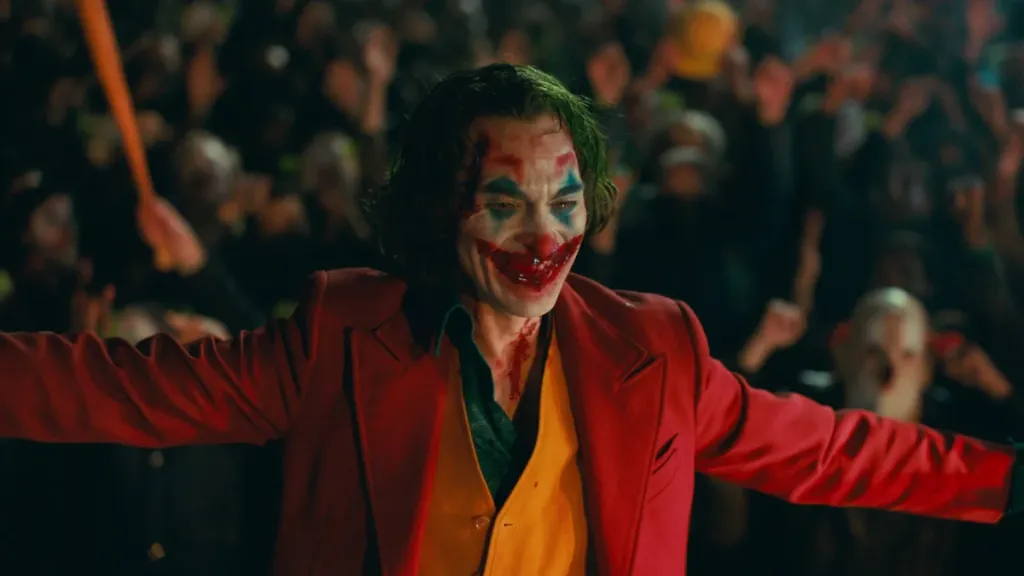
Joker (2019)
Superhero movies don’t have to be epic action adventures, but historically, the ones that weren’t didn’t make a billion dollars. That is, until Todd Phillips’ $1 billion hit “Joker” came along. Phillips imagined a world where Batman’s greatest nemesis had free reign, years before Bruce Wayne put on a cape and cowl, and spent its whole running time figuring out what made this sad man tick, and why he became a notorious murder clown.
It was a shock that a film as acclaimed and serious as “Joker” came from Phillips, a director known for comedy hits like “Old School” and “The Hangover,” and critics were swift to point out that Phillips’ film was highly derivative of Martin Scorsese’s “King of Comedy” and “Taxi Driver.” But “Joker” overcame those obstacles and wore its influences like a badge of honor, earning multiple Academy Awards — including a Best Actor trophy for Phoenix, the second actor to earn Oscar gold for playing a Batman villain — and spawning a controversial sequel, “Joker: Folie à Deux,” a musical which actively judged anyone who misinterpreted the original film. (Which, it turns out, was most of its audience, since “Folie à Deux” did not recapture that lightning in a bottle.)
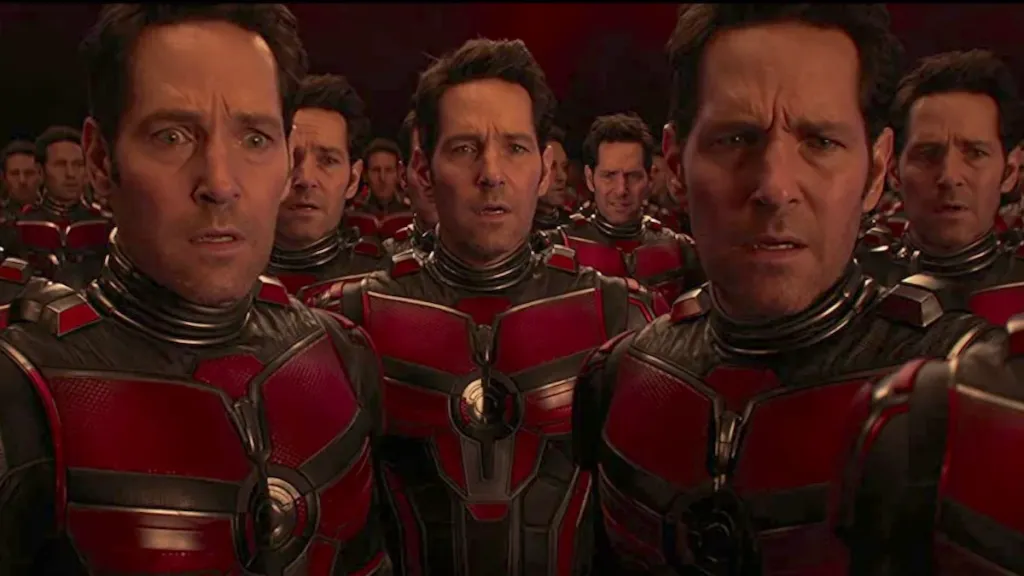
Ant-Man and the Wasp: Quantumania (2023)
“Avengers: Endgame” showed audiences the exit from the Marvel Cinematic Universe, but it was such an impressive achievement that few people took it. Four years and several mixed bags later, “Ant-Man and the Wasp: Quantumania” re-opened the door and shoved audiences through it. It’s not that the film was financially and critically unsuccessful, which it was. It’s that the film exemplified every problem people had with the new MCU, and added a few more.
“Quantumania’s” unpleasant, unpolished visual effects hammered home the fact that Marvel was rushing their productions, and settling for films which hit their release date but didn’t satisfy on their own. It also tried and failed to establish the next major, ongoing threat in the MCU with Kang the Conqueror, who was easily defeated by a comic relief superhero in an unremarkable film, which undermined his whole arc right out of the gate. On top of that, Kang was played by Jonathan Majors, shortly before his assault conviction made Marvel distance themselves from the formerly promising star, rewriting their plans for the whole future of the franchise and pivoting instead to Doctor Doom, now played by Robert Downey Jr.
Marvel has had hits since, and may have more in the future, but “Quantumania” was the tipping point. After this film’s collapse, Marvel was just another studio, with problems it could never have got away with 15 years ago. Maybe, like “Batman & Robin” before it, the film will one day have its renaissance. But “Batman & Robin” was a film with a vision, flawed though it was, while “Quantumania” failed because it wasn’t.
The post The 25 Most Important Superhero Movies Ever Made appeared first on TheWrap.