Bahrain said it was targeted in an Iranian drone attack Saturday, after Iran said it had carried out retaliatory strikes against U.S. targets in a flaring of hostilities that could test the ceasefire deal as both sides negotiate a broader peace.
Iran’s Foreign Ministry said it launched strikes against U.S. targets in the Middle East a day after the United States struck Iranian missileand drone storage locations Friday.
The U.S. said it was retaliating for an Iranian attack on a commercial ship exiting the Strait of Hormuz on Thursday. Both sides have blamed each other for violating a ceasefire agreement solidified in a memorandum of understanding signed by the two countries earlier this month.
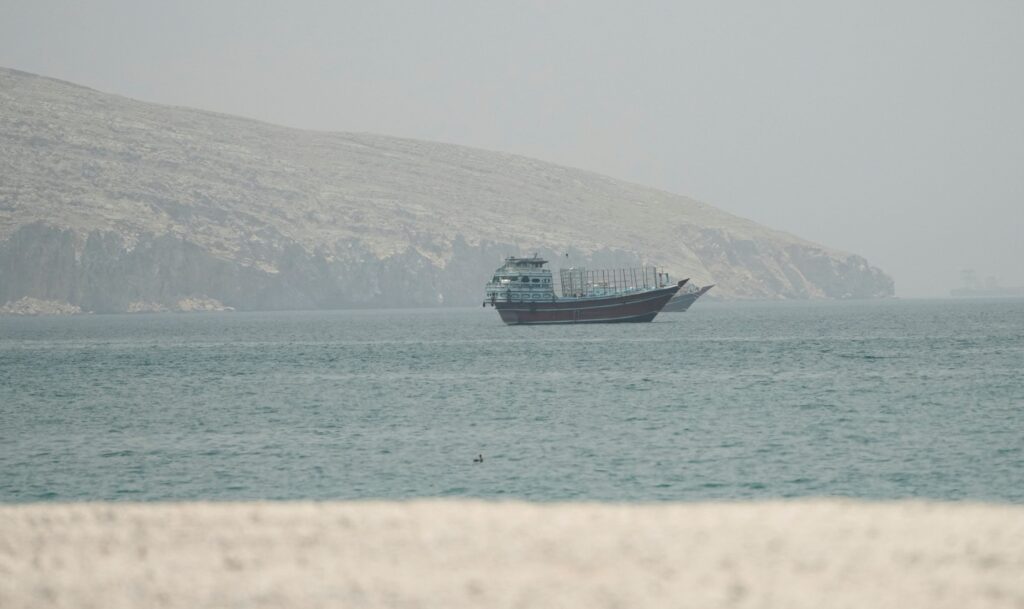
Also on Saturday, U.K. Maritime Trade Operations — a monitoring agency run by the British Navy — reported an incident in the Strait of Hormuz where a tanker reported being stuck by an “unidentified projectile,” damaging the vessel. All crew were reported safe, it said.
No one claimed responsibility for the incident, which marked the second time in recent days a ship has come under attack in the strait. Shortly afterward the agency’s Joint Maritime Information Center raised the security threat level to “substantial,” citing the strikes on merchant ships and mines in the critical waterway.
The target and location of the strikes Tehran announced Saturday remained unclear. The U.S. military did not immediately confirm whether U.S. military assets in Bahrain came under fire, but Bahrain’s Ministry of Foreign Affairs said it was targeted early Saturday by Iranian drones.
It condemned Iran’s “continued attacks, at a time when regional and international efforts are moving toward de-escalation,” without elaborating on whether the drones were intercepted or any damage occurred. The ministry did not immediately reply to a request for comment on the attacks, which were also condemned by the United Arab Emirates.
Bahrain is home to the U.S. Navy’s 5th Fleet, and has been repeatedly subject to Iranian attacks over the course of the war. This week it hosted U.S. Secretary of State Marco Rubio, who met with Gulf allies to reassure them that the U.S. was committed to regional stability.
The latest clashes come after U.S. and Iranian negotiators signed a 14-point deal to end the war that paved the way for a further 60-day period of technical negotiations to work out some of the thorniest details.
In recent days commercial ships have begun to resume passing through the Strait of Hormuz, which once carried around one-fifth of the world’s oil and gas supplies, but maritime traffic remains far below prewar levels.
The impact of flaring tensions on the fragile deal to end the war and the flow of ships through the strait also remains unclear.
On Saturday, Iran’s Revolutionary Guard Corps threatened further clashes in a statement claiming strikes on U.S. military targets, without specifying details.
“In the event of a repeat of aggression, our response will be more extensive,” it said in comments reported by Iran’s semiofficial Tasnim news agency.
Vice President JD Vance said in a post on X Friday that if Iran had “disagreements about how the MOU is being applied, they can pick up the phone.”
“But violence will be met with violence,” he added.
The post Iran says it launched further attacks as clashes test fragile ceasefire appeared first on Washington Post.