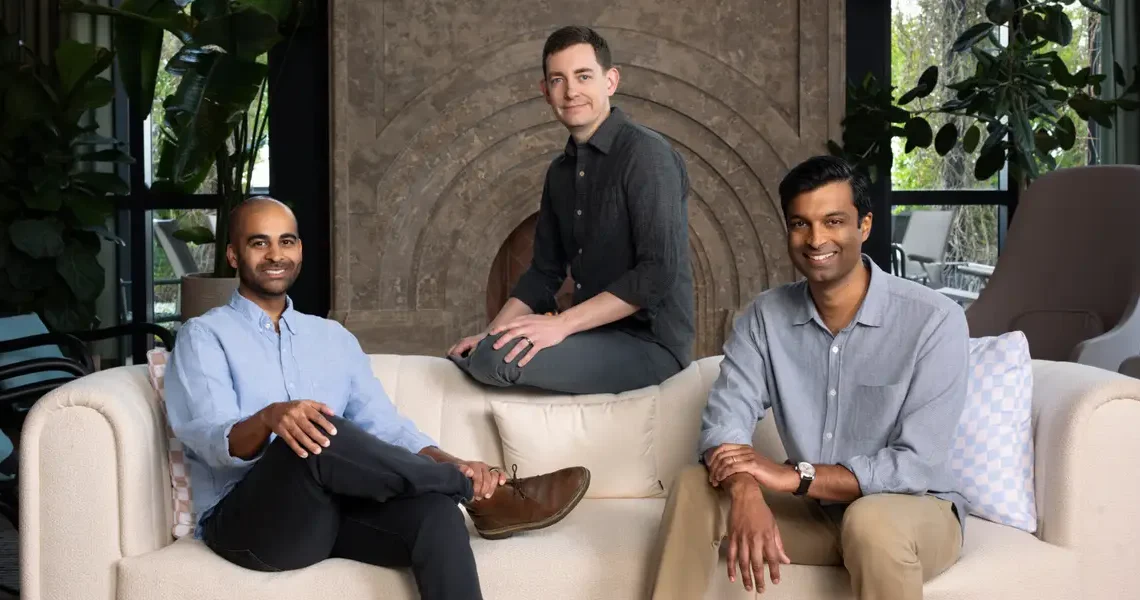
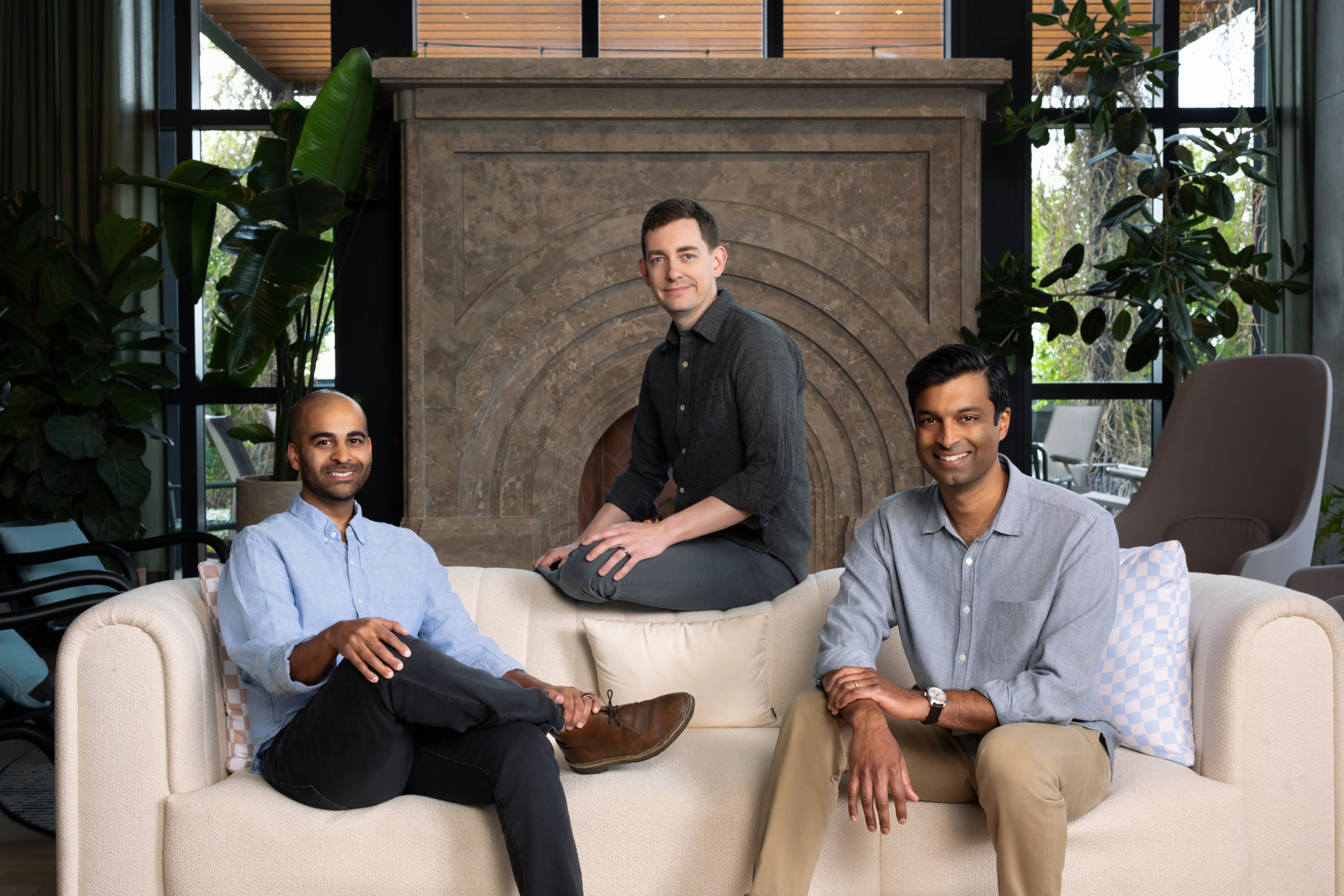
Three friends with résumés spanning Google, Palantir, and Harris Poll skipped venture capital and bootstrapped their startup instead. Within eight months of commercialization, they say, they had grown their polling company, Outward Intelligence, to more than $1 million in revenue.
The founders — Amir Kanpurwala, Abhish Raghavan, and Brian Tatum — launched Outward Intelligence in March 2023 after seeing how manual and disconnected the market-research industry still was. Legacy firms, they said, were relying on slow, fragmented systems that made it hard to deliver high-quality insights quickly.
“The polling space is broken,” Kanpurwala said, pointing to the slow pace of traditional research and growing concerns about data quality in an era when AI can take surveys and bad actors can game online responses.
He said the problem became more visible after the 2016 presidential election, when many people began questioning whether polls could still be trusted.
“The polls were only off by two or three points, on average, but it got that binary outcome wrong, and I think that’s when you first started to see people freaking out about polls.”
Rather than raise outside capital, the trio chose to self-fund the business. They said the decision came down to control and focus; venture money can accelerate hiring and growth, but it can also shift a company’s priorities away from customers and toward investors.
“The person that you care about the most shifts from your client and your employees to the VC — satisfying the VC,” Kanpurwala said.
How they made bootstrapping work
A few things made bootstrapping possible. First, the founders were mid-career and had enough savings to cover the company’s early costs, which they kept to a minimum. Second, each brought distinct skills to the business — product and operations, research and client work, and engineering — so they did not need to hire aggressively at the start.
Third, they say, AI changed the economics of building the company.
“Because of our use of AI, we were able to defer hiring, grow very profitably, and then invest in other employees,” Kanpurwala said.
Raghavan added that they see AI much the way Steve Jobs once described technology: as a tool that removes drudgery and frees people up to do more creative work.
Tatum, who leads the company’s tech and data work, said Outward Intelligence built systems that let AI agents handle tasks that would otherwise require much larger teams, from managing research workflows to spotting bad survey responses and fraud.
“This lets us compete with existing research orgs that are 10X or more our size,” he said.
The company’s business model also made bootstrapping more feasible than it might be for other startups. Its highest cost was conducting the research itself, but those costs were typically covered once clients signed on. That kept upfront capital needs relatively low — “thousands, not tens of thousands or hundreds of thousands of dollars,” the founders said.
Bootstrapping came with tradeoffs. Without VC backing, the company lacked the marketing budget, startup perks, and outside credibility that can help with recruiting and sales. At one point, the founders said, their bank even pushed them off its platform because it wanted to focus on venture-backed startups.
Still, they say the constraints were useful. Bootstrapping forced them to stay disciplined about hiring, product decisions, and spending.
“It’s been this relentless resource prioritization,” Kanpurwala said. “It imposed a discipline that I don’t think would exist had we chosen to take outside funding.”
How the strategy paid off
The founders’ discipline appears to have paid off.
After winning early business from digitally native consumer brands, the company expanded into larger B2B and enterprise accounts. The founders say the business has been profitable since commercialization, has tripled its team size over the past year, and surpassed eight figures in annual recurring revenue this year. Business Insider verified Outward Intelligence’s seven-figure revenue by reviewing its 2025 tax return.
“It’s one of those things where success begets success,” Kanpurwala said. “At the onset, a lot of companies were like, ‘You just started — why would we trust our huge market research program with you?’ But as we’ve built in this space, as we’ve gained more clients, folks have a lot more confidence in our ability.”
That said, the early days were stressful. Without VC backing, there was no safety net — if the company did not make sales, it would not make money — but the founders say that pressure helped sharpen their decisions. They were deliberate about spending, avoided unnecessary startup trappings, and reinvested in the business as revenue grew.
“We were very anti-swag, initially,” Raghavan said. “We didn’t want to buy T-shirts and hats and things like that. We were super focused on not wasting money.”
In year one, the founders said, they did not quite match their previous corporate salaries, but they were able to pay themselves.
“We could pay ourselves a lot more, but we’re choosing not to because the growth of the business is the most important thing,” Kanpurwala said.
For the founders, the appeal of bootstrapping was never just financial.
“It’s a values-alignment thing,” Kanpurwala said. “We had this conversation at the onset. For us, the objective that we really wanted and that we cared about was to create something that would change this super staid industry — and we wanted to do it on our terms.”
Read the original article on Business Insider
The post 3 founders skipped VC funding, used AI to stay lean, and got to $1 million in revenue in year one appeared first on Business Insider.