The Senate passed a major housing bill Monday with a goal of helping to bring down housing prices for Americans by stopping Wall Street investors from buying up single-family homes, among other things.
The Senate voted 85-5 across party lines in favor of the bill, which is the first major piece of housing legislation since the aftermath of the 2008 financial crisis. The bill now heads to the House, where passage is expected.
The measure would bar institutional investors from buying more than 350 single-family homes, in an effort to stop them from competing with families for existing homes as Americans grapple with affordability. It would also expand federal grant programs to direct money toward cities for building new homes and eliminate an outdated federal construction rule, lowering manufacturing costs. Housing advocates have hailed the legislation as a good first step.
However, housing economists and researchers expect the legislation to have little impact when it comes to bringing housing prices down. Institutional investors own a tiny percentage of the nation’s housing stock. Plus, most of America’s housing affordability crisis is rooted in a severe gap in the supply of homes available for purchase across the country.
“There is no one magical thing in this bill that is going to suddenly unlock the housing markets and allow us to create the housing that America needs,” said Sharon Wilson Géno, president of the National Multifamily Housing Council. “But what it does show is that both parties and both chambers of Congress recognize that housing affordability and housing supply are really important issues for the American electorate and that they need to be responsive.”
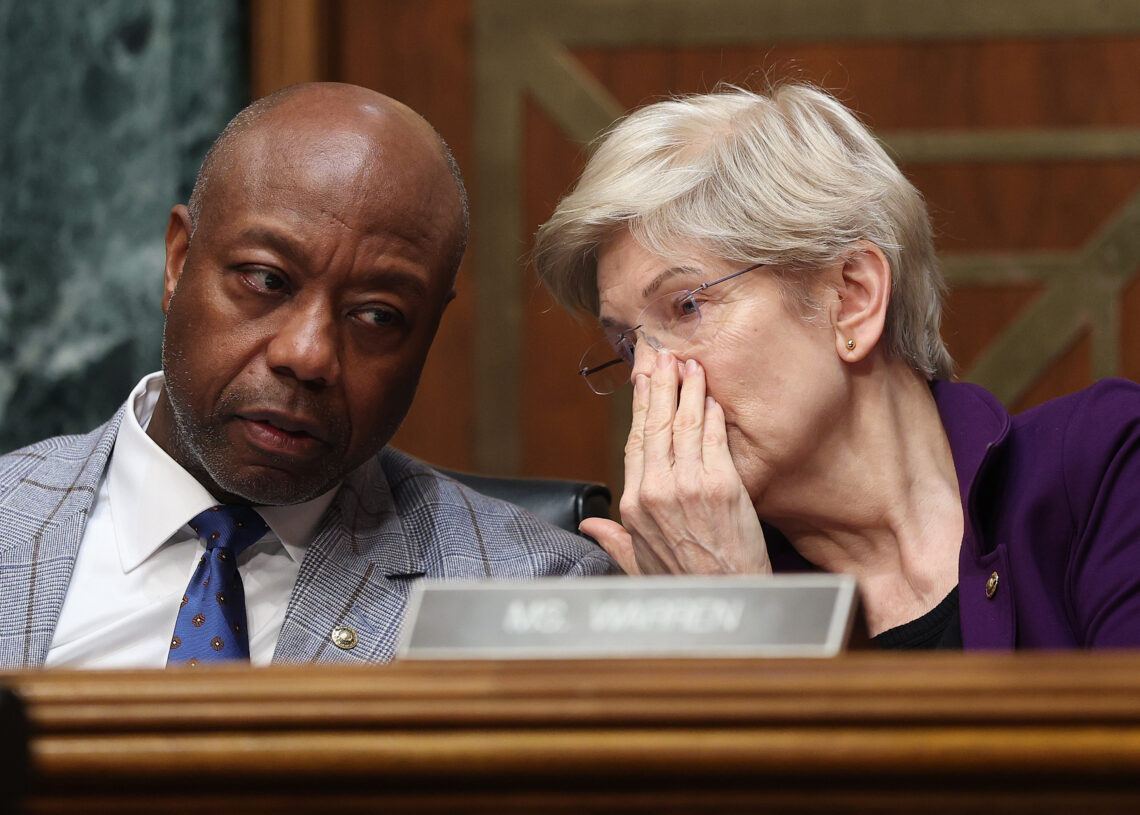
The legislation is the culmination of nearly a year of work to tackle the issues of housing supply and affordability. It is an unexpected area of compromise, as Democrats and Republicans normally hold opposing views on housing policy. But this effort brought the likes of Sen. Elizabeth Warren (Massachusetts), a progressive Democrat, and President Donald Trump together on the same page.
Warren and Trump found common ground on stopping corporate investors from buying single-family homes. They spoke this year about getting the bill, called the 21st Century Road to Housing Act, through Congress.
Warren and Senate Banking Committee Chair Tim Scott (R-South Carolina) reached a deal on the legislation in March. The Senate passed that version of the bill with overwhelming bipartisan support.
“I grew up in a household where housing was elusive. Frankly, as a kid living in poverty in a single-parent household, my personal experience kind of educates me and inspires me to help other kids who may be growing up in a similar situation,” Scott said in interview Monday. “And so the housing bill to me is less about legislation and more about helping Americans achieve their version of the American Dream.”
Scott said there are lawmakers on both sides of the political aisle who want to see additional housing legislation passed.
“We look forward to piecing together legislation as we look into the future, but today we ought to celebrate the success and remember how we got here before we start working on the next piece of pie,” Scott said.
However, the institutional-investor restriction that brought the two parties together is something that many experts say would not address housing shortages. Institutional investors own just 3 percent of single-family rentals and less than 0.5 percent of the total single-family housing stock, according to the Urban Institute, a public policy think tank.
“The idea that the institutional investment is hurting the average American’s ability to get affordable housing is a great sound bite, but it’s neither sound policy nor supported by the facts,” Géno said.
Democrats and Republicans have been honing their messages on affordability ahead of the midterms. A Harvard CAPS-Harris poll in May found that 71 percent of registered voters supported banning large institutional investors from buying single-family homes.
Warren told The Washington Post in an interview that she sees the potential to pass additional housing legislation in the near future. Still, she said the current bill makes important strides.
“It makes clear that the federal government has a role to play in bringing down the cost of housing; that’s never been the case before,” Warren said. “And second, it beats that private equity and shows that we are determined that housing is not just one more Wall Street investment.”
There are some provisions in the bill that housing experts say make meaningful progress toward improving supply and affordability.
For example, the bill would no longer require contractors to build manufactured homes on a steel frame with wheels and an axle so the home could be moved later, said Laurie Goodman, founder of the Housing Finance Policy Center at the Urban Institute. Many experts applaud the elimination of the “chassis rule,” since most manufactured homes are never relocated. The move could lower the cost of building a new unit by up to $10,000, according to the Niskanen Center, a think tank.
The bill also offers rewards to cities that build new homes, which could be “very impactful,” said David Garcia, deputy director of policy at the Terner Center for Housing Innovation at the University of California at Berkeley.
“The fact that lawmakers from both sides of the aisle have agreed that we should be incentivizing, or rewarding, actual housing production is a pretty significant evolution of how we thought the federal government should be involved in local housing production,” Garcia said.
The post Senate passes housing bill to boost affordability, restrain investors appeared first on Washington Post.