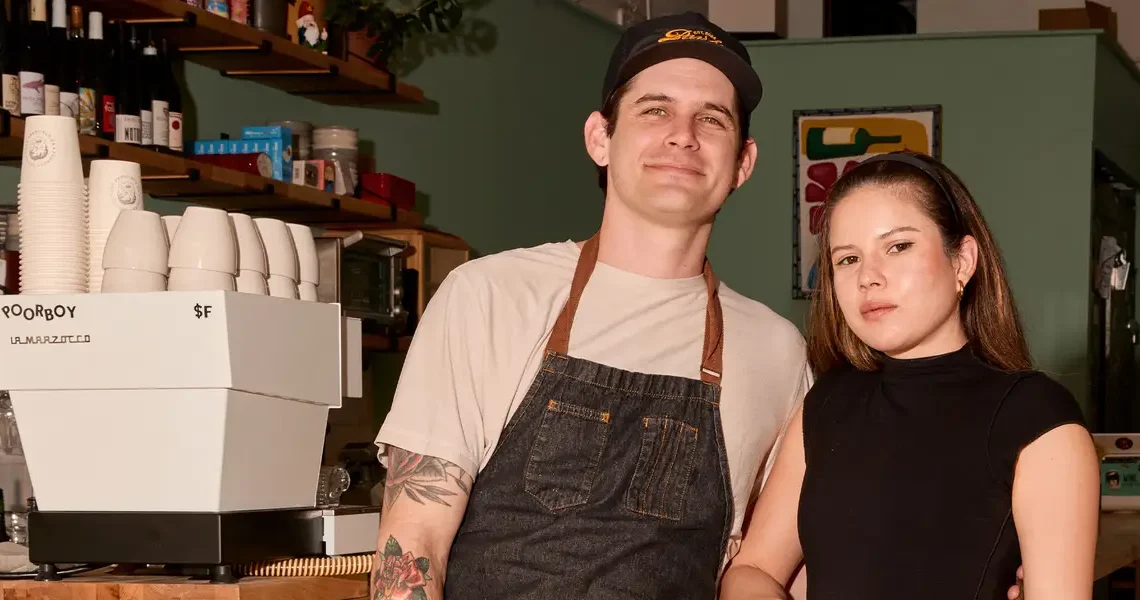
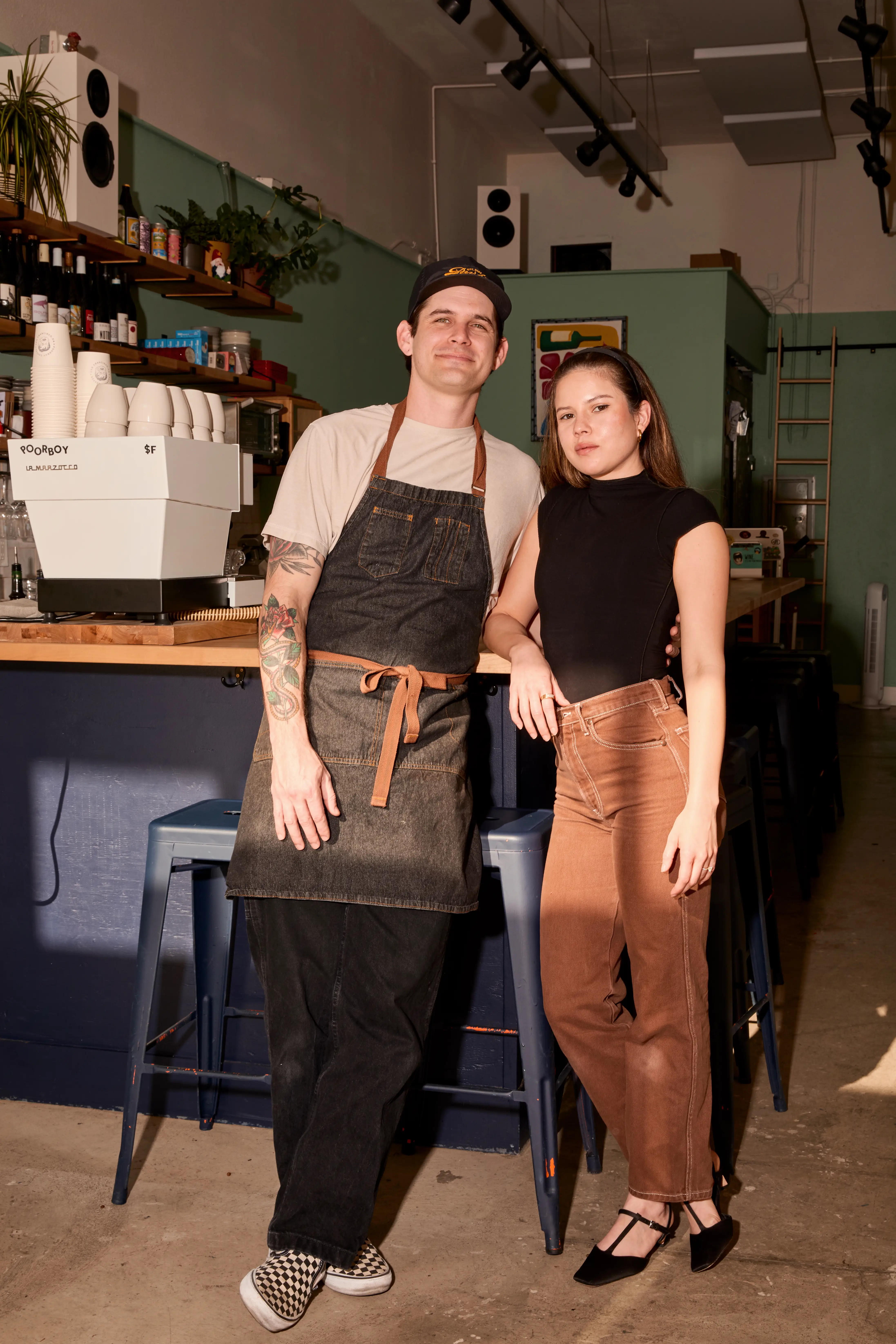
When Brandon Sardi launched Poorboy Coffee in San Francisco in February 2024, his setup was about as bare-bones as it gets: a five-gallon cold-brew bucket, a Coleman cooler loaded with ice, and a spot outside a wine bar that served breakfast burritos on weekends.
“I didn’t know if it was going to work or not,” Sardi told Business Insider. The first week was discouraging, and San Francisco’s marine layer didn’t help. “It was cold and gray outside. Cold brew doesn’t really sound too enticing on days like that, so we didn’t sell a lot — maybe $90 worth the first day.”
Two years later, Poorboy Coffee has evolved into a business with three coffee carts, wholesale accounts, a roasting operation, brand partnerships, and a software platform for caterers. The company generates roughly $50,000 a month in revenue, according to Sardi.
Sardi, 32, wasn’t new to entrepreneurship or the hospitality space when he started Poorboy. In college, he launched a pasta business that sold at farmers markets. He later ran a pizza pop-up serving Neapolitan-style pies at breweries, wineries, and events. After graduating, he decided to try a more traditional career path in tech sales, but quickly realized “the whole drab office feel just really wasn’t for me.”
After about a year and a half, he left the corporate world and returned to serving tables while figuring out his next move.
Launching Poorboy Coffee with $500
Sardi became interested in specialty coffee through a friend who owned coffee shops in San Francisco. The problem was that he didn’t have the money to launch a traditional café operation.
With student loans, credit card debt, and little savings, even investing $500 felt like “a bit of a risk at that stage,” he said.
That budget wouldn’t go far in the coffee industry, where commercial espresso machines can cost thousands of dollars. Instead, Sardi focused on cold brew, which requires minimal equipment and became the foundation of Poorboy Coffee.
“It was the cheapest thing I could figure out to do,” he said.
His initial $500 investment went toward coffee, cups, a cooler, a storage tote, basic bar tools, and a five-gallon brewing bucket. A friend who owned a coffee shop supplied the beans and even ground them for him because Sardi didn’t yet own a grinder. It also helped that his first pop-up location, the wine bar, agreed to let him set up shop for free.
Despite a disappointing first week of sales, Sardi committed to consistency.
“I told myself that I wouldn’t miss a day, no matter what. If it’s pouring rain, I’m going to show up,” he said. That gave him another idea: document the journey of bootstrapping a business on social media.
Showing the unfiltered reality of entrepreneurship
From the beginning, Sardi believed his founder story itself might resonate with people. He was starting a business with little money and working restaurant shifts to pay the bills.
Encouraged by his wife, who works in social media marketing, he began documenting the journey online, sharing how many drinks he sold, what equipment he bought, and how often he felt exhausted.
“We wanted to show the non-glamorous side,” he said — 80-hour workweeks, slow sales days, mistakes, and even selling personal belongings to keep the business moving forward. “I wasn’t trying to fluff anything up.”
His content was both relatable and consistent. He developed a strict schedule, posting three Instagram Reels each week and daily story posts, while making an effort to respond to comments and engage with other creators.
Within months, videos started gaining traction, and followers started pouring in. Today, Poorboy’s Instagram account has more than 65,000 followers.
Turning attention into revenue
As his audience grew, so did opportunities. Brands reached out for collaborations, potential customers discovered the business, and new partnerships emerged, but social media wasn’t necessarily driving direct sales, Sardi said: “I don’t think social media sold a lot of coffee bags.”
The real growth inflection point came when companies and event organizers began reaching out about catering. Sardi invested in a coffee cart and started bringing espresso service to offices, weddings, baby showers, brand activations, concerts, and festivals.
“The catering stuff really worked for me,” he said. The economics were dramatically different. A strong pop-up day might generate $1,000 in revenue, while a catering event could bring in $10,000 to $15,000.
As catering demand grew, he purchased more carts and gradually shifted away from the pop-up model.
Today, Poorboy’s revenue streams include coffee catering, wholesale coffee accounts, direct-to-consumer coffee sales, paid brand partnerships, and a software platform — HopQuote — that helps service businesses automate quotes and bookings. Sardi is also preparing to launch an online course designed to help aspiring coffee and catering entrepreneurs navigate permits, insurance requirements, and operations.
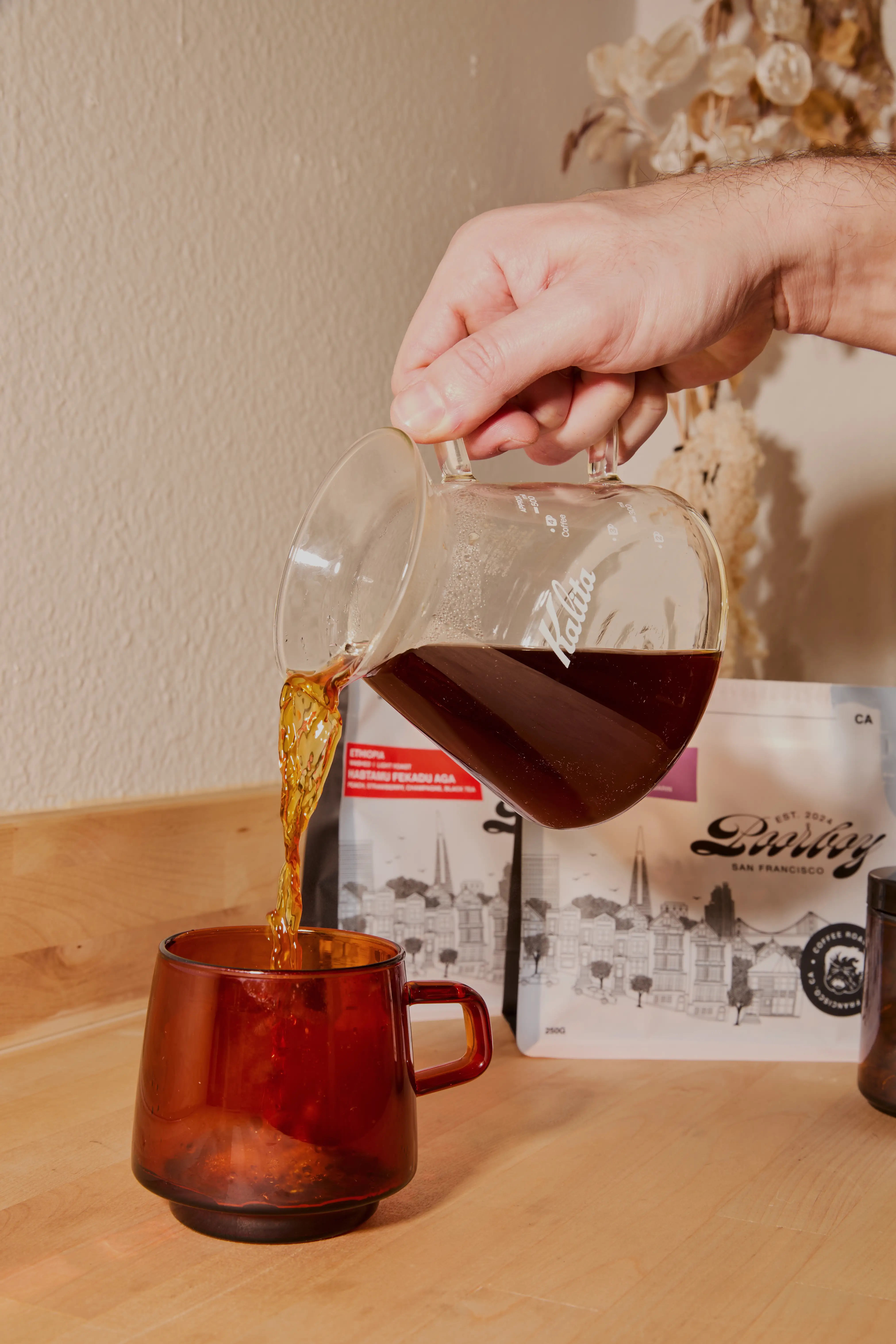
Even with multiple business lines and growing revenue, Sardi said he’s still focused on what comes next. Poorboy currently operates out of a commissary kitchen, but he eventually wants to move into a warehouse, expand the coffee-cart fleet, and potentially bring the concept to other cities.
Looking back, Sardi said he doesn’t regret the unconventional path that started with a five-gallon bucket and a few hundred dollars. He wouldn’t do anything differently, he said, because the early mistakes were necessary: “You need them in order to learn, progress further, and get better.”
The biggest lesson, he said, is simply to take the initial plunge.
“At the end of the day, it’s like anything you start with. If you wanted to learn how to play hockey or golf, it’s going to take a long time to get pretty good at it,” he said. “It’s the same thing with business. It’s going to take a long time to feel comfortable in any business, so might as well start.”
Read the original article on Business Insider
The post A millennial started a coffee business with $500. Sharing every step online helped it take off. appeared first on Business Insider.