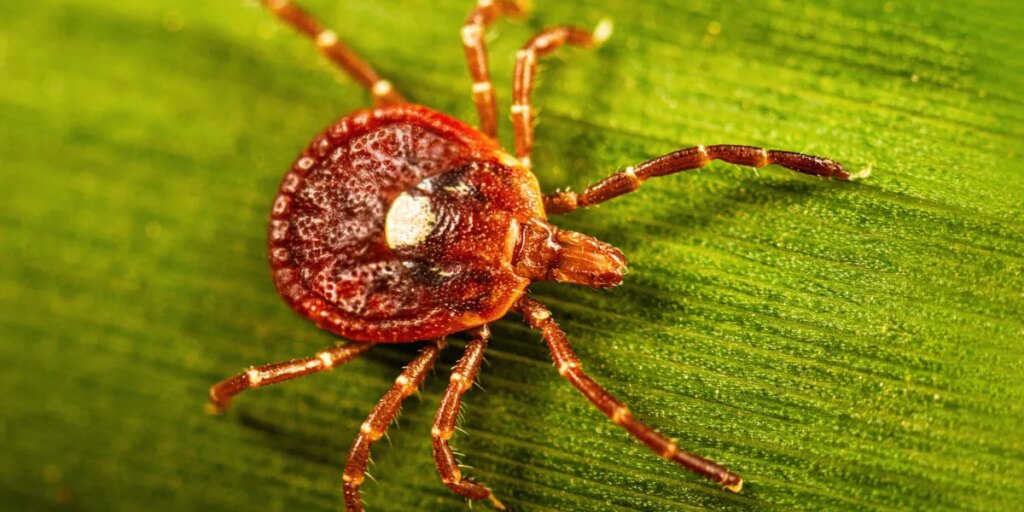
It’s common knowledge that ticks can spread infections that cause serious illnesses, including Lyme disease. Now health officials are trying to raise awareness of a lesser-known problem: a life-threatening allergy to meat triggered by tick bites.
The problem, known as alpha-gal syndrome, was first linked to a particular species of ticks about 15 years ago. But cases are on the rise as more people report symptoms such as hives, diarrhea and itchiness after eating as little as a mouthful of meat and — in some cases — dairy. The allergy doesn’t impact consumption of seafood or poultry. Chicken, turkey and eggs are all OK to eat.
For years, the standard treatment has involved avoiding foods that come from cows, pigs and lambs while carrying an epinephrine injector in case of medical emergency. But regulators recently approved the first drug for the condition, and more therapies may be on the way.
Here’s what to know about alpha-gal syndrome:
What causes it?
Unlike other tick-borne illnesses, such as Rocky Mountain spotted fever, alpha-gal syndrome isn’t caused by a bacteria or a virus. Instead, it occurs when the human immune system triggers an allergic response to a type of sugar, known as alpha-gal.
Alpha-gal is found in the meat of most mammals, but not in humans or other primates. It’s also found in the saliva of certain ticks.
When eaten, the sugar is normally harmless. But when ticks bite through the skin, they can introduce the sugar directly into the bloodstream. That triggers the development of antibodies — immune system proteins that fight off foreign invaders — that quickly learn to identify and attack alpha-gal sugar molecules.
“It turns out that the skin is a fantastic way to make an allergic response,” said Dr. Scott Commins, an alpha-gal syndrome researcher at the University of North Carolina. “If this all happened orally, and we were eating alpha-gal like we do with steaks or barbecue, then we wouldn’t become allergic.”
People that develop the antibodies will often experience a strong allergic reaction a few hours after consuming meat or dairy. But it can take weeks or months for the problem to develop, with the severity of symptoms often increasing over time.
Why are more people being diagnosed with alpha-gal syndrome?
Experts point to increased awareness among health professionals and the public.
“I think part of it is more people have learned about it and are on the watch for this syndrome,” said Maria Diuk-Wasser, a Columbia University researcher who studies tick-borne diseases.
But rising cases also reflect the expanding habitat range of the lone star tick, the primary source of the condition in the U.S. Often identifiable by a white dot on its back, the lone star tick is most common in the eastern and southern U.S. But in recent years it’s been reported in new parts of the country, including the Great Lakes region and as far north as Martha’s Vineyard in Massachusetts.
Researchers worry that other types of ticks, including blacklegged ticks, may also increasingly spread the condition.
Roughly 450,000 Americans are estimated to have developed the allergy, according to a 2023 study by the the Centers for Disease Control and Prevention.
When should someone get tested?
People usually seek medical attention after experiencing worrisome symptoms, including hives, dizziness, difficulty breathing and swelling of the lips, throat, tongue or eyelids. Some people may only experience digestive issues, including diarrhea, stomach pain, vomiting and nausea.
Doctors diagnose the allergy based on results from a blood test, symptoms and other details reported by the patient, including whether they recall any recent bug bites.
The blood test detects the presence of alpha-gal antibodies, but not all patients with a positive result develop the condition. Sometimes the test can also be wrong.
“The blood test in and of itself is great, but you can’t rely on that just for diagnosis. You need the actual symptoms too,” Commins said. “In the allergy world, we have a lot of trouble with false positives on blood tests.”
Which foods are off limits?
Doctors generally advise patients to avoid beef, pork, lamb and other meats from mammals. Some people are still be able to consume dairy products from these animals, including milk, cheese and butter. Those with particularly severe reactions may need to avoid foods made with other animal byproducts such as gelatin, which is found in marshmallows and gummy bears.
One rare exception: meat from a small number of pigs that have been genetically modified to not produce alpha-gal. Approved for consumption by the Food and Drug Administration in 2020, the pigs are bred as part of an experimental effort to harvest animal organs for transplantation into humans. Deactivating the alpha-gal gene was a critical first step to make sure the human immune system wouldn’t immediately reject the foreign organs. Meat from these so-called “GalSafe” pigs is available from a company called Amaroo Hills.
People with the syndrome may also have to avoid certain medical products and implants. For instance, many heart valves are made from cow or pig parts.
How long does it last?
The allergy can fade away in some people after several years. Commins has seen that happen in about 15% to 20% of his patients. But it’s critical to avoid new tick bites.
What treatments are available?
In 2024, the FDA approved an injectable drug called Xolair for a variety of food allergies, including alpha-gal syndrome. The drug doesn’t reverse the condition but helps reduce severe allergic reactions after accidental exposure to meat.
The drug was first approved more than 20 years ago for patients with hard-to-control asthma. It works by reducing the release of biological chemicals that cause inflammation and other allergic reactions.
Commins and other researchers hope to study other previously approved drugs as new options for patients.
“There are certain (biologic drugs) out there nowadays that interfere with the allergic signaling,” Commins said. “We think that if you were on one of those — or if you got one quickly enough after a tick bite — perhaps it could interfere with the entire allergic response process.”
The post Meet the lone star tick: the primary U.S. source of alpha-gal syndrome, which is a life-threatening meat allergy that’s on the rise appeared first on Fortune.