Student loans were supposed to be my ladder out of poverty. Instead, they are an anchor.
I did not have a stable or secure childhood, but thankfully, my parents emphasized the importance of education.
At 20, I left home, determined to build a stable future. I moved from the Catskills to Brooklyn and into an apartment I shared with six other women. I quickly found a full-time job.
Using Pell Grants and scholarships, I attended community college four nights a week and Sunday mornings while working 40 hours a week.
After five years, I transferred to Touro University in New York because its schedule and scholarship opportunities allowed me to continue working while earning my bachelor’s degree.
At graduation, I had $14,000 in student debt. That felt manageable, but my debt ballooned after graduate school.
Graduate school was different
I worked temporary jobs for a year before enrolling at another NYC school, Fordham University, to earn a degree in social work and eventually become a social worker.
Trusted financial advisors told me that the loans I took out over two years would be manageable with the help of student-loan forgiveness programs.
Still, a two-year graduate program became a four-year program after a disastrous field placement experience forced me to redo months of work.
I left graduate school with $300,000 in student loan debt.
Like many borrowers, I took out my loans in good faith. I believed what I was told: Work hard, earn a degree, enter public service, and the debt would eventually become manageable.
That promise has not matched reality. Instead, I’m still in debt and struggling.
Student-loan debt has shaped my family’s future
Since graduating from graduate school in 2021, I have worked with New York’s homeless population, addicts who were also dealing with the penal system, and treated people struggling with trauma, domestic violence, ADHD, and severe mental illness.
Like most provisionally licensed therapists, I get paid only when clients come in. Due to epilepsy, a neurological disorder that includes seizures, I cannot drive, and a client’s no-show means a negative cash flow.
There’s only one bright spot to my low pay: I currently don’t have to pay a monthly minimum on my student loans thanks to the SAVE program, which bases monthly payment on a borrower’s salary.
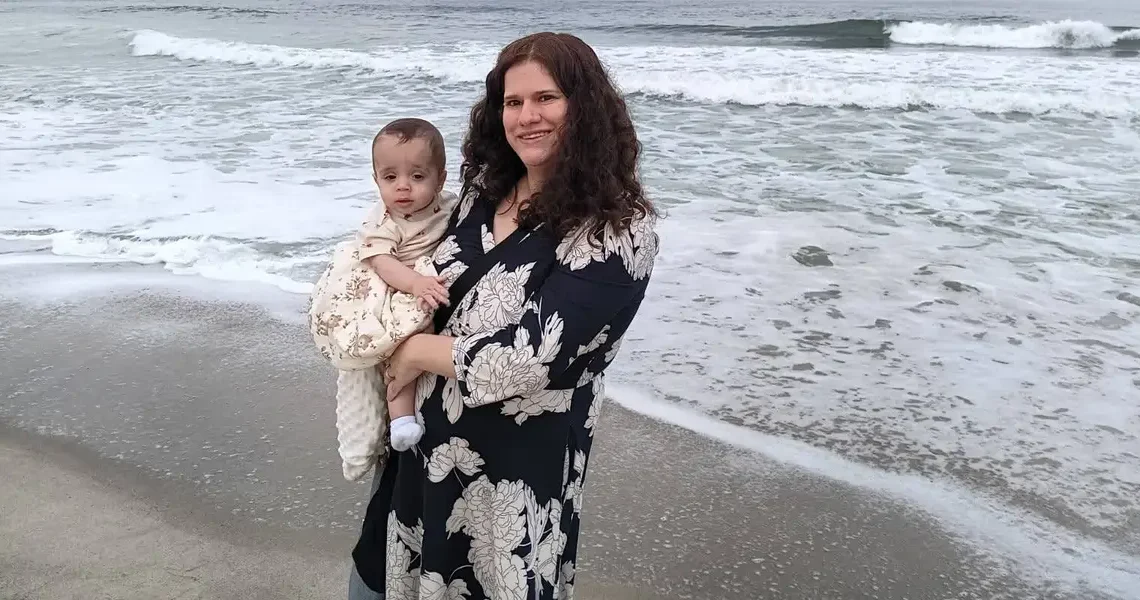
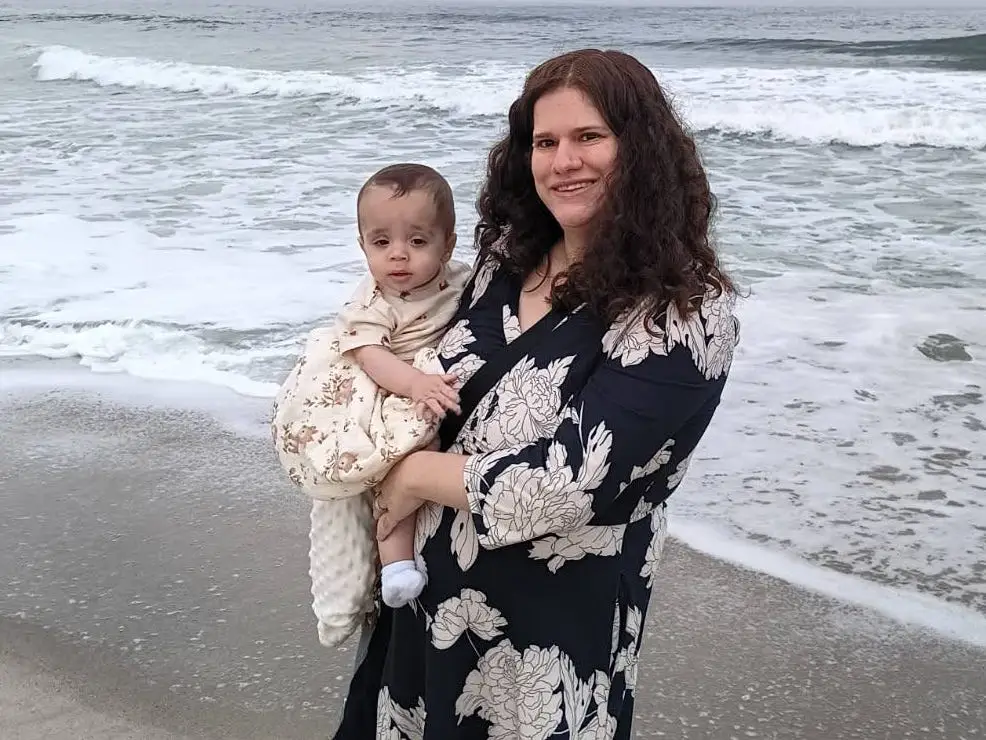
I got married later in life, at 38. A few months after we married, my husband took on a second job to help improve our financial situation. We also used savings toward fertility treatments, which were successful, and I had a baby at 40.
We have savings, but nearly $300,000 in student-loan debt prevents us from being truly financially secure.
Repayment changes are increasing uncertainty
Recently, it was announced that the SAVE repayment plan would end, leaving me uncertain about what my future payments could look like.
That means my repayments can range from $0 to $10 a month to $4,000 a month, depending on the determination after I complete new forms required by the government.
For my family, these changes affect how we think about childcare, housing, medical expenses, and savings.
The debt I took on to become a therapist is difficult to reconcile with my current earning potential.
I’m trying to come up with a plan
At the moment, I need to get ahead of my student loan debt for when the SAVE program is repealed.
I have had many interviews that were promising until the companies insisted I come into an office at least twice a week, which burdens our family, as I cannot drive due to epilepsy.
I am focusing on non-clinical roles that will allow me to work from home and make money.
The loans I took out were my means of escaping poverty. Instead, they are a burden I may carry for decades.
Read the original article on Business Insider
The post I’m struggling to pay off my $300,000 student loan debt. The coming changes to repayment plans have me even more worried. appeared first on Business Insider.