A few months ago, if you’d asked me what I knew about mahjong, I probably would have said it’s a game older women play, like my grandma, and that I was definitely not interested in learning.
Then I got hooked.
After my cousin moved closer to where I live, she told me she wanted to learn to play mahjong and asked if I’d teach her. My first thought was that if my cousin, a millennial, was interested, I (a Gen Zer) probably wouldn’t be the only young person learning. Plus, I’d heard plenty of praise for the game from my mom’s friends over the years.
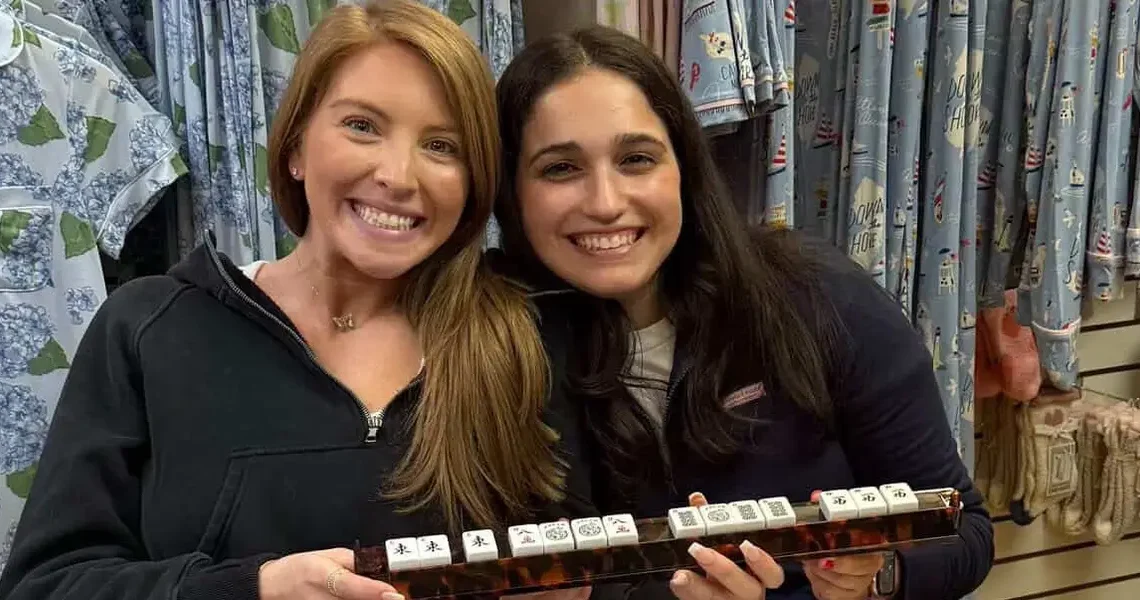
Before long, my mom and our family friend wanted to learn, too, so the four of us signed up for classes together.
Mahjong, which has roots in mid-19th-century China, is seeing a surge in popularity as people seek out more face-to-face social activities — and after playing, I can see why.
Now, I spend multiple evenings a month gathered around a table with them, shuffling tiles, debating strategy, and trying to remember which discards will come back to haunt me.
Learning how to play
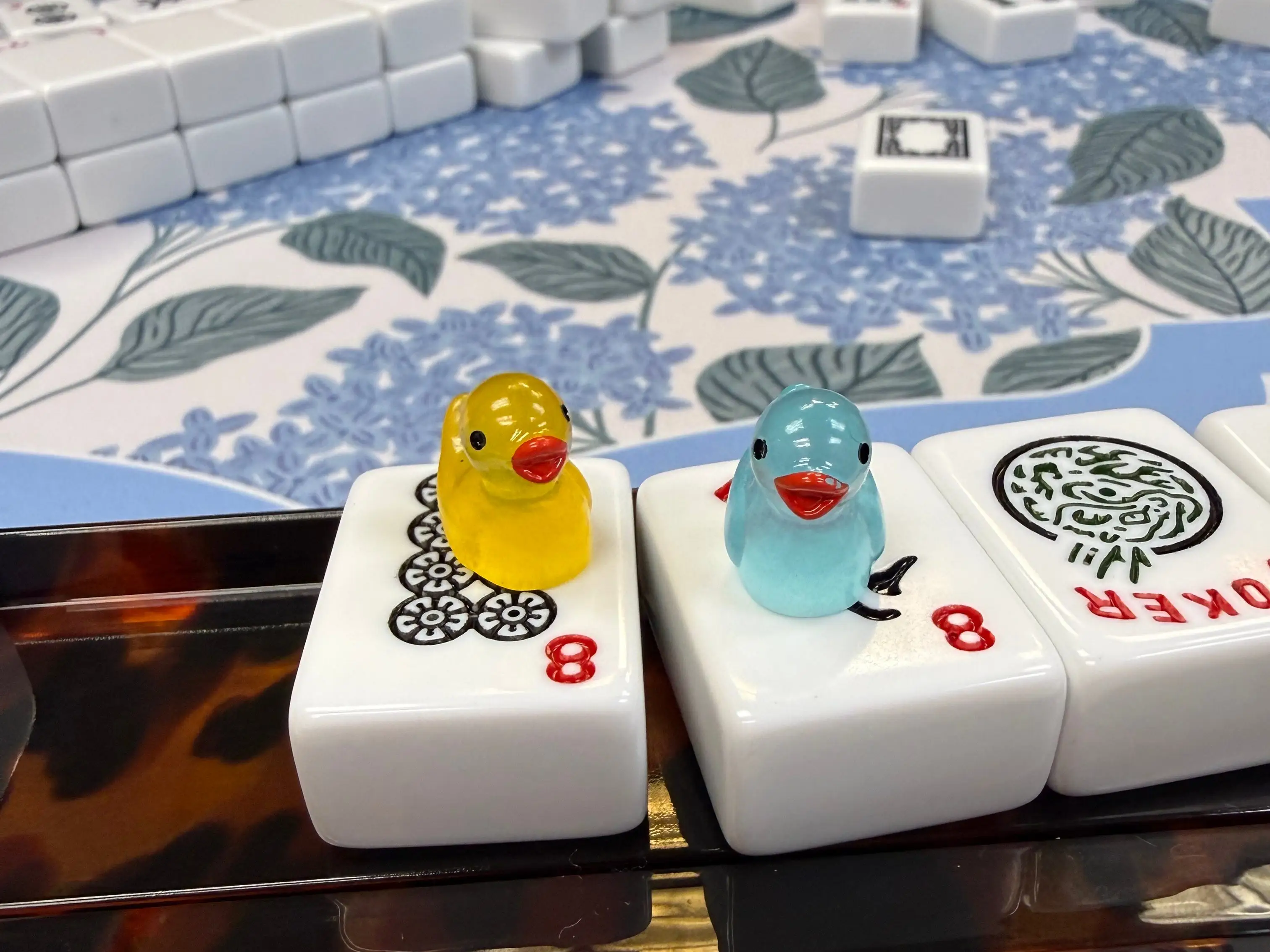
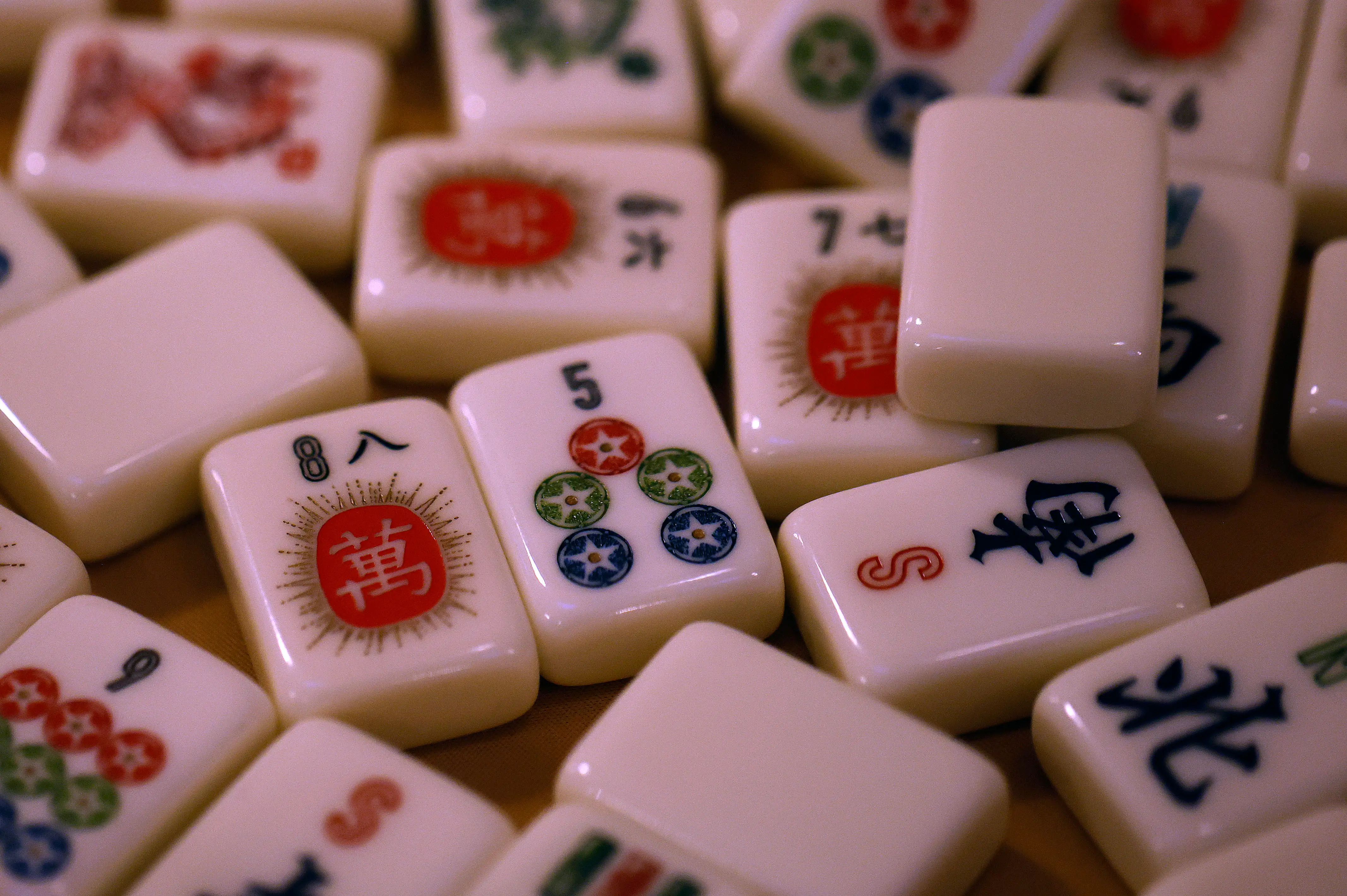
Mahjong arrived in the US from China in the 1920s, eventually developing into a variant known as American mahjong. When I sat down to play, the learning curve was much steeper than I expected.
At first, the colorful tiles looked interchangeable, and every game felt like controlled chaos. There seemed to be endless rules, strategies, and combinations to memorize. For the first couple of classes, I was completely overwhelmed.
There were moments I considered giving up. I couldn’t understand how anyone kept track of everything happening on the table.
But after a few sessions, patterns began to emerge. The strategy became more intuitive. Instead of seeing random tiles, I began to recognize opportunities. The game slowly began to make sense.
Now, I completely understand why people can spend hours around a mahjong table without getting bored.
The best part isn’t the game
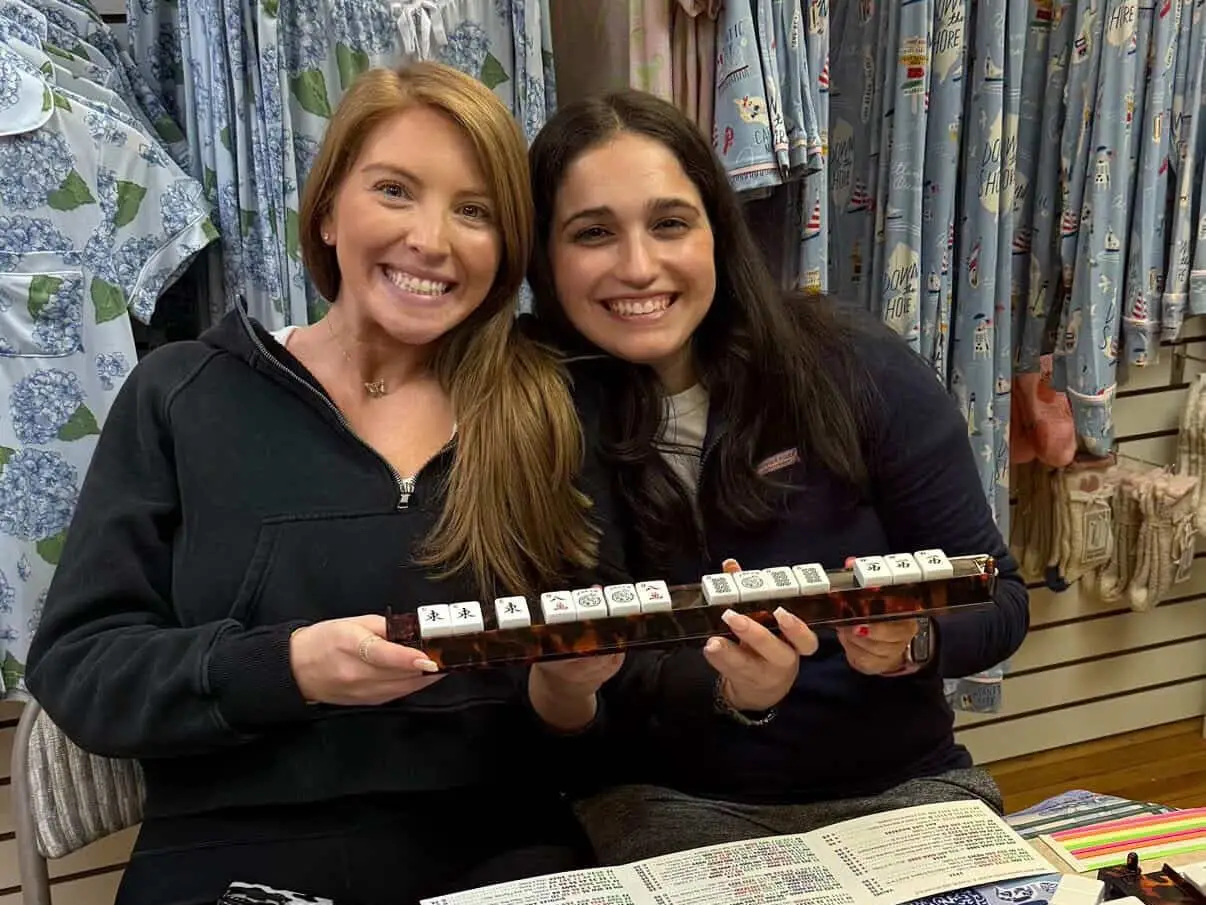
Like many people my age, I wasn’t just looking for another hobby when I started playing mahjong — I was looking for a reason to spend less time staring at a screen and more time interacting with people face-to-face.
My days are usually spent online. I work on a computer, communicate through Slack and email, scroll social media, and unwind by watching TV. Even many of my social interactions happen through text.
However, unlike these modern hobbies, mahjong demands your full attention. The pace of the game requires players to stay engaged, watch what everyone else is doing, and react in real time.
For a few hours, notifications disappear into the background.
The game has also created a social routine that feels increasingly rare: a few hours where everyone is actively participating in the same thing.
Younger players are picking up mahjong

The more I’ve played, the more I’ve realized that mahjong’s growing popularity among younger people makes sense.
It fits into the larger trend of growing interest in activities that offer real-world connections — running clubs, book clubs, pickleball leagues, dinner parties — as players flock to clubs for a sense of community, as PBS reported. Yelp data showed searches for mahjong clubs and lessons grew by 4,000% last year, PBS reported.
Many mahjong clubs across the US have seen increased interest from younger players. San Francisco’s Youth Luck Leisure Mahjong Club, for example, draws crowds of up to 200 people, often with waitlists, the Associated Press reported in 2025, while New York’s Green Tile Social Club is popular with younger players hoping to connect with their cultural heritage, The New York Times reported in 2024.
Vogue also reported that younger players are heading to stylish mahjong clubs and themed events, and buying designer game sets, helping transform the game into a fashionable social activity.
Ironically, I probably wouldn’t have started playing mahjong without seeing it pop up more frequently online, but what has kept me playing is the exact opposite of what most online platforms offer.
I’ve learned that mahjong rewards patience instead of instant gratification. It encourages real-life conversation over scrolling. And it gives me a reason to put my phone away for a few hours and focus fully on the people sitting across from me.
Read the original article on Business Insider
The post I’m a Gen Zer who spends all day online. Mahjong gave me a reason to connect in real life. appeared first on Business Insider.