NAIROBI — Decades of advances in the global fight to stop the spread of HIV/AIDS are in peril amid wide-scale cuts to prevention programs, according to a United Nations report.
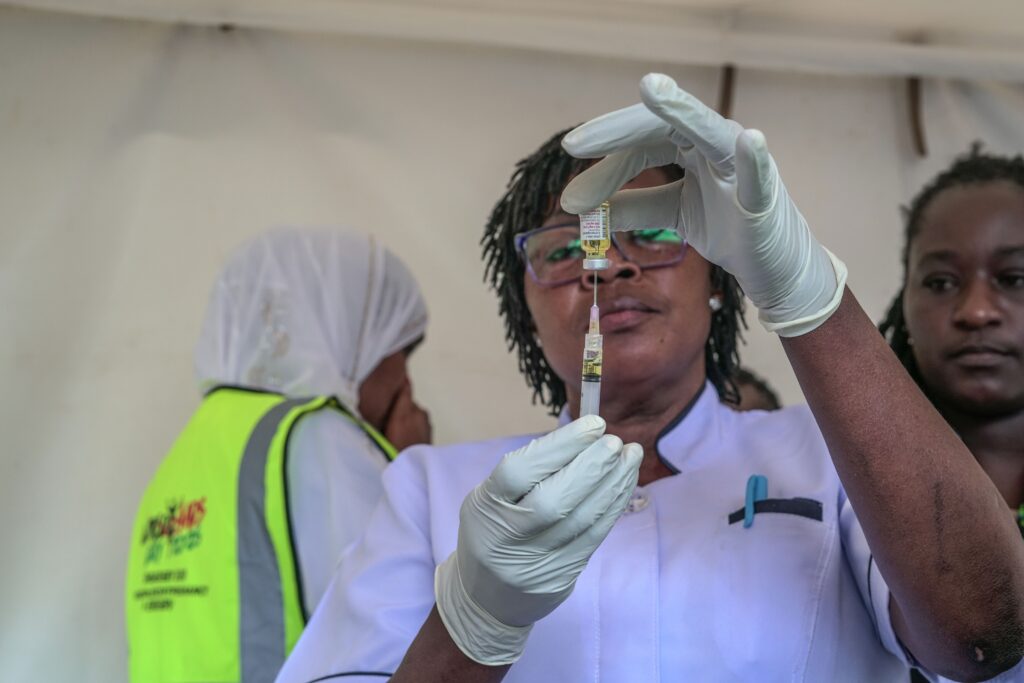
The number of people who received pre-exposure prophylaxis (PrEP) medication, used to prevent those at risk from contracting HIV, declined by a drastic 38 percent between 2024 and 2025, per initial data from 62 countries — which means more than a million fewer people took the drug. Funding for condoms has been cut in some cases by more than 90 percent, according to the report.
The drop-off comes after major cuts, pauses and disruptions to foreign aid by the United States under President Donald Trump, along with efforts to trim aid by other wealthy countries and domestic funding shortfalls in affected countries.
“Tenuous” progress in the global effort to end the AIDS epidemic by 2030 has continued: New HIV infections declined globally from 2.1 million in 2010 to 1.2 million in 2025, and AIDS-related deaths declined from 1.3 million in 2010 to 570,000 in 2025, the lowest in more than 30 years, the report found.
The number of people in treatment rose nearly 3 percent year on year. But nearly 9 million remain untreated, and cuts to HIV prevention and community support services could cause backsliding, UNAIDS warns.
Trump’s dismantling of the U.S. Agency for International Development (USAID) and reimagining of the President’s Emergency Plan for AIDS Relief (PEPFAR), long vaunted across the political spectrum as one of the U.S. government’s most successful programs, have had grave consequences for public health in sub-Saharan Africa, where the majority of AIDS cases are concentrated, and elsewhere.
Some 1.2 million people acquired HIV globally in 2025, with around 420,000 of those in East and southern Africa, and 190,000 in West and Central Africa, according to the report.
“The United States continues to combat HIV/AIDS globally and remains focused on delivering results through strong, accountable partnerships,” including bilateral agreements “designed to continue lifesaving care, strengthen country ownership, build resilient health care systems,” the State Department said in an emailed statement responding to the U.N. report. These programs are set to “build on PEPFAR’s historic gains while ending the era of open-ended dependency on American taxpayers.”
Under Trump, U.S. efforts have focused on treatment rather than prevention, as part of a commitment to continue lifesaving care, although people have died awaiting medications amid the chaos of aid disruptions.
Overall, though, treatment programs have proved resilient in the short term, said Mary Mahy, director of data for impact at UNAIDS. “This is mostly because treatment services were kept up,” with donors and local government filling many of the most critical gaps, “even though Trump cut the funding around prevention and around community-led services,” she said.
At least 25 low- and middle-income countries moved to increase their budgets for combating HIV/AIDS.
Since 2010, HIV acquisition rates have fallen by 43 percent and even more in sub-Saharan Africa.
Of the around 570,000 people who died of AIDS-related illnesses last year, 240,000 were in East and southern Africa, and another 110,000 in West and Central Africa. Some 94,000 children contracted HIV, and out of that 46,000 were from East and southern Africa, and 33,000 from West and Central Africa, mostly countries with weakened health systems that relied heavily on donor funding.
Funding cuts pose especially grave threats to sex workers and men who have sex with men, who face stigma and benefit from targeted, preventative outreach, Mahy said.
In some countries, reduced funding for community-based organizations that stand in for distant hospitals could jeopardize HIV prevention, treatment and testing services, the report found.
In a 2026 survey that involved 79 of those organizations across 47 countries, the report found delivery of PrEP by community-led organizations was reduced by 50 percent, and services to support people living with HIV were also down by 50 percent — including a reduction of more than 80 percent of services to men who have sex with men and sex workers.
As health workers were laid off across clinics in Nairobi and other African cities last year, condoms disappeared from public washrooms, and hospitals rationed HIV medication in some countries.
Testing for HIV declined by 22 percent in countries with limited resources, especially in sub-Saharan Africa, the report found.
“One of the things that’s the most remarkable is that the treatment numbers have stayed as high” as they have, Mahy said. “And I think that is absolutely due to countries and communities stepping in.”
But Mahy said it was still not clear how long they could keep it up.
“Let’s watch the data coming in at the end of 2026 and in 2027, where we might see more of the impact of those funding cuts,” she said.
Adam Taylor in Washington contributed to this report.
The post Global HIV prevention declined drastically after Trump aid cuts, U.N. finds appeared first on Washington Post.