A couple of years ago, I witnessed three USC students present a fully immersive VR experience that might have taken my Meta team two to three months and about $200,000 to produce. It took them just under two weeks. For no cost. My jaw dropped.
At the time, I was a global creative director at Meta and was asked to judge a student project. That moment changed how I view this new wave of Gen Z talent. I now lecture on college campuses across the country, and I’m seeing this type of “Redefines Expectations” output time and time again.
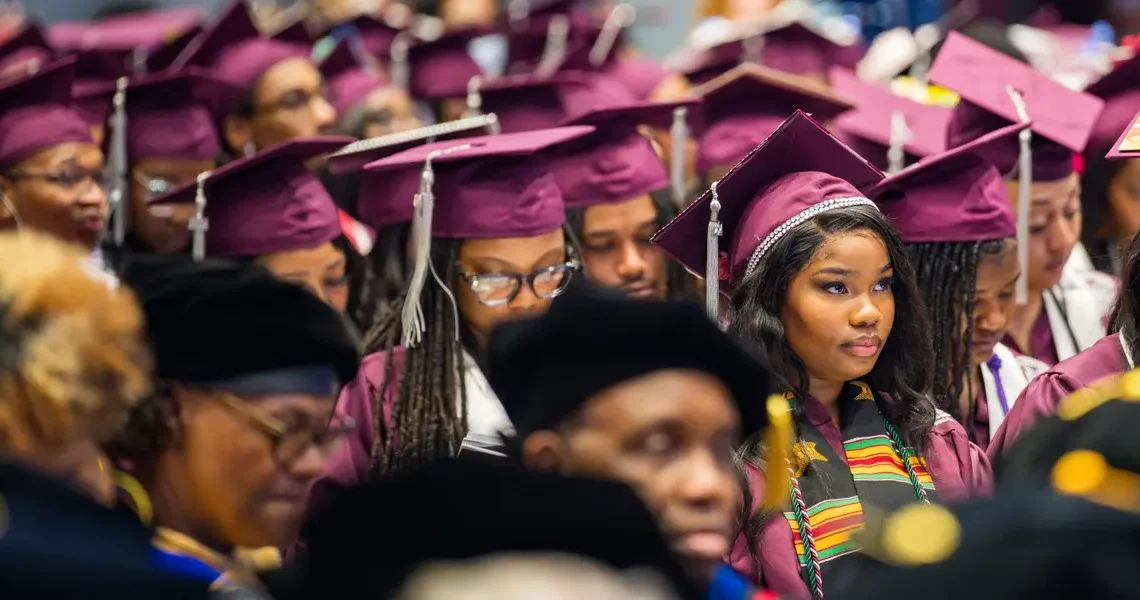
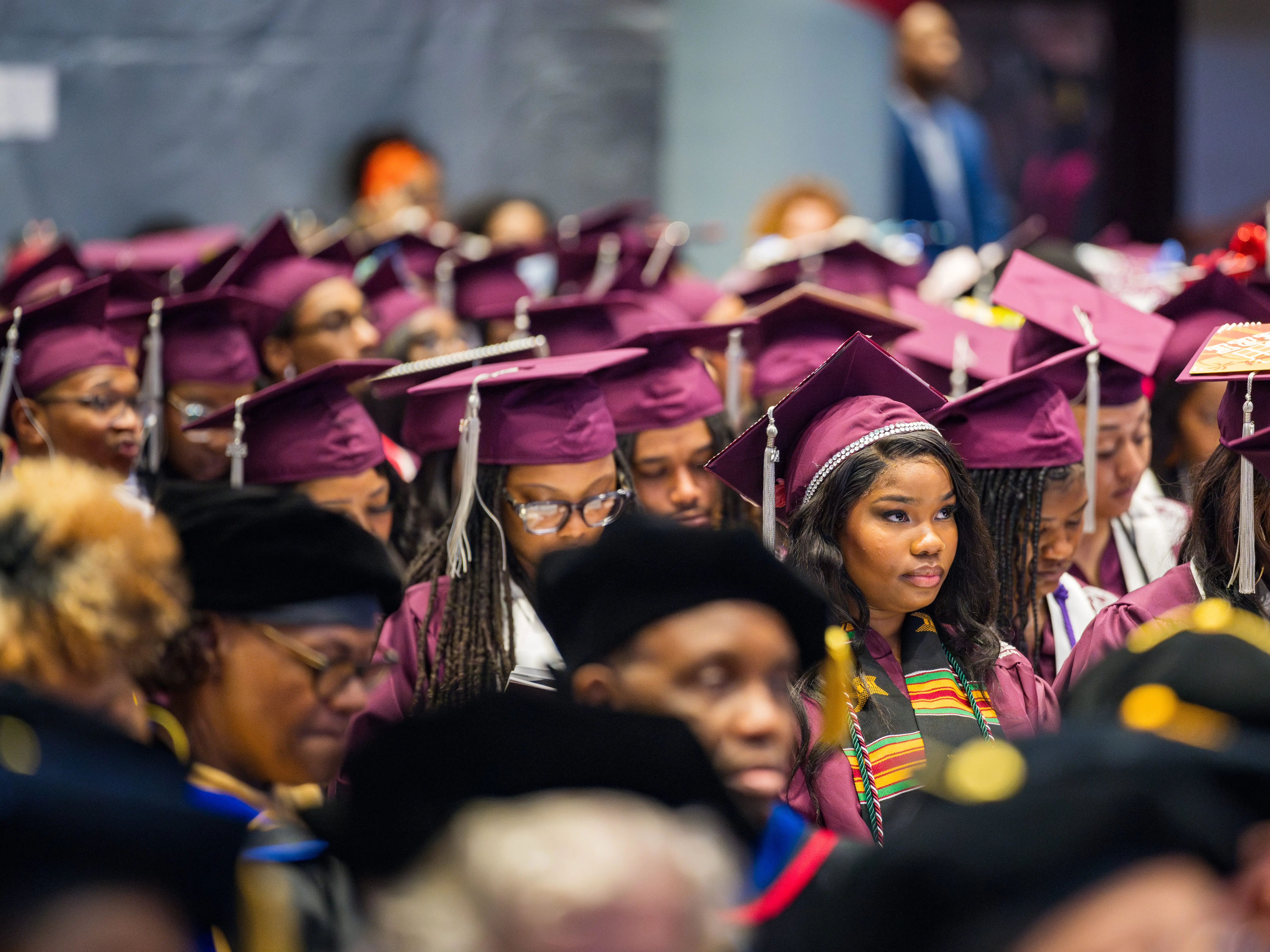
I get to see what most corporate hiring managers can’t see from their standing desks, far away from college campuses. I can see that this is the most technically gifted, most technically sound graduating class in a generation.
Yet somehow, the word isn’t getting out. It’s being drowned out by all the ruckus AI is kicking up these days.
The news cycle is missing a big part of the story
We all see the headlines. Graduates can’t find jobs. Worst job market in a generation. In the next column, Company X is laying off 1,000 in the name of efficiency. CEOs are declaring that entry-level head count is being cut because AI can now handle entry-level tasks.
It’s not hard to see why decision-makers are wooed by the allure of AI-infused efficiency.
I can see the logic. Margins jump high. Revenue gets a bump. The productivity engine throttles up. Leadership feels cutting-edge. Investors nod.
But a huge piece of the story is missing: the talent looking for jobs right now. The best of the Class of 2026 are feeling their confidence, excitement, and life-force drain away after months of ghosting, automated rejections, and a news cycle that says they’re being left behind.
Today’s graduates aren’t your average entry-level employees
When I graduated, I landed my first role at an ad agency in Boston. I was expected to run reports, attend meetings, and handle small client tasks. My baseline was low-lift. It took me a full year to move the needle meaningfully.
Things are different now. Many of today’s graduates leave school with years of real-world internship experience (not the fetching coffee kind). They also now have access to Silicon Valley-level tools and facilities.
This generation didn’t have to adapt to technology because they grew up in it. They’ve played with tech the way I played with “Star Wars” figures.
To me, it’s clear; AI shouldn’t be their greatest threat. For many, it’s their most productive playmate. I’ve realized they come as a dynamic duo.
Companies and careers are inherently human
Take a minute to think back on the defining moments of your own career — the moments that shaped you. Chances are, there was a human in every single one of them.
To me, these human moments are how company culture is built and how careers are made. Entry-level talent feels the excitement and opportunity in their bones — unlike your favorite LLMs.
I think that organizations that replace entry-level roles with AI won’t just lose efficiency when the model gets it wrong. They’ll also lose the human element. They’ll lose their next generation of leaders who grow up inside their walls, learn from their mistakes, breathe life into their values, and carry them forward.
Talented recent graduates will invest in your company
Most companies are looking right past young, talented people. That’s not just a tragedy for the graduates. I think it’s a miscalculation by the companies.
Someone is going to bet on the best of this generation. I feel like the ones who do will access something AI can never replace: top talent with genuine skin-tingling excitement to onboard on Monday, proudly grab a company t-shirt, and wholeheartedly dedicate themselves to your company’s mission.
Tom Gilmartin is the founder of Gilmartin Career Launch Coaching and lives in Los Angeles. Connect on Linkedin.
Read the original article on Business Insider
The post I work with college students, and they’re more prepared for the AI-focused workforce than anyone. But they can’t get jobs. appeared first on Business Insider.